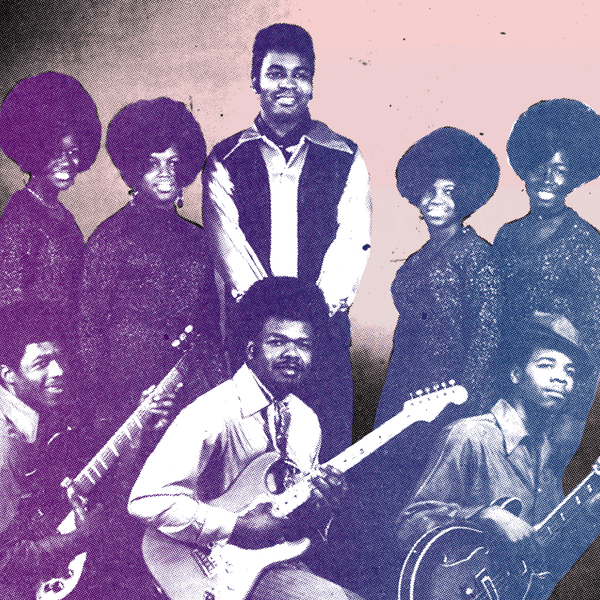
To get started, go to 2125 N. Vancouver Ave. and either stream or download the walk!
The late 20th century was a vibrant time for music in Albina. From the roots of gospel, blues, and jazz sprang new forms of soul, funk, disco, and electrified R&B. Teenagers and elders alike fused genres to create new sounds in church. Musicians spent afternoons and after hours hopping from jam session to jam session. And residents dressed to the nines, hitting the clubs every night of the week.
Over time, however, this rich musical culture was immobilized by redlining, community disinvestment, and gentrification. Black musicians experienced racism in the city's club circuit, restricting access to capital and recognition outside of Albina. Though music in the neighborhood was alive and well, record labels largely ignored Albina musicians and few albums were produced in their time.
Narrated by lifelong Portland musicians Calvin Walker and Norman Sylvester, this one-mile self-guided audio tour explores Albina's vibrant musical culture of the 1960s-1980s. Along the way, musical selections from the Albina Music Trust archive complement oral histories from Ken Berry, Bill Deiz, J.W. Friday, Joe “Bean” Keller, Marilyn Keller, Paul Knauls Sr., Marlon McClain, Shirley Nanette and Gregg A. Smith. Visiting former venues and community hubs, we invite attendees to view these historic landmarks and consider how we might preserve Albina's music for future generations.
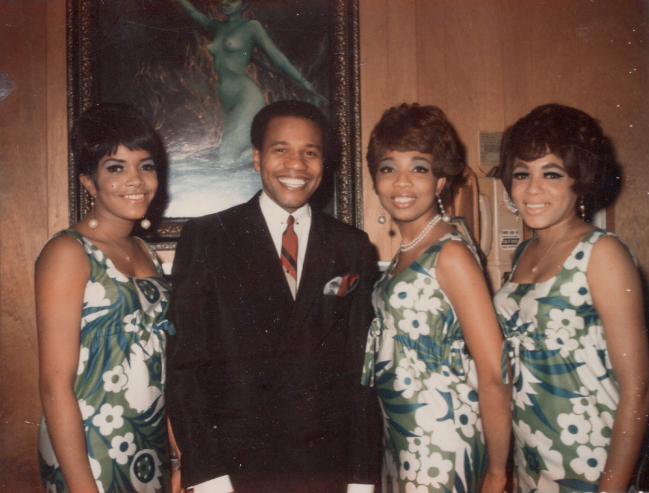
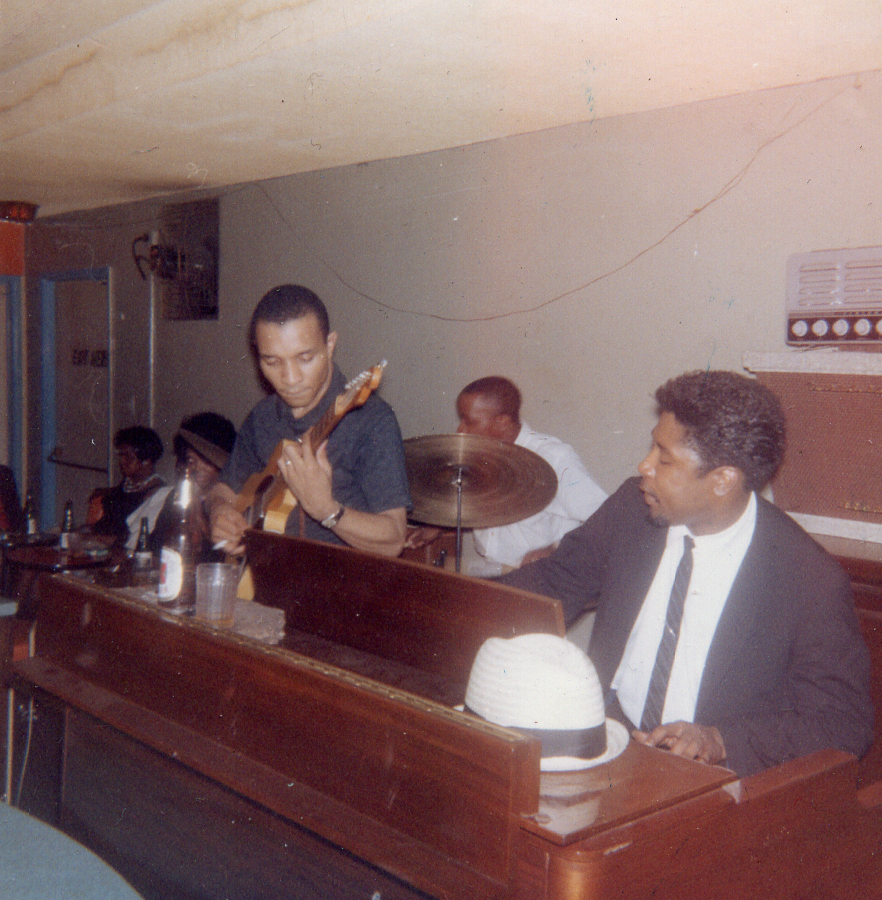
The Cotton Club, owned by Paul Knauls, Sr., was known as "the only nightclub on the West Coast with wall-to-wall soul." Bill Deiz talks about what it felt like to play at this legendary spot and Gregg A. Smith tells us about Paul's management style. Shirley Nanette remembers dressing up to get into the club as a teenager and Paul recounts drummer Ron Steen's memorable first show with Etta James.
Photo: Paul Knauls & The De-Lites
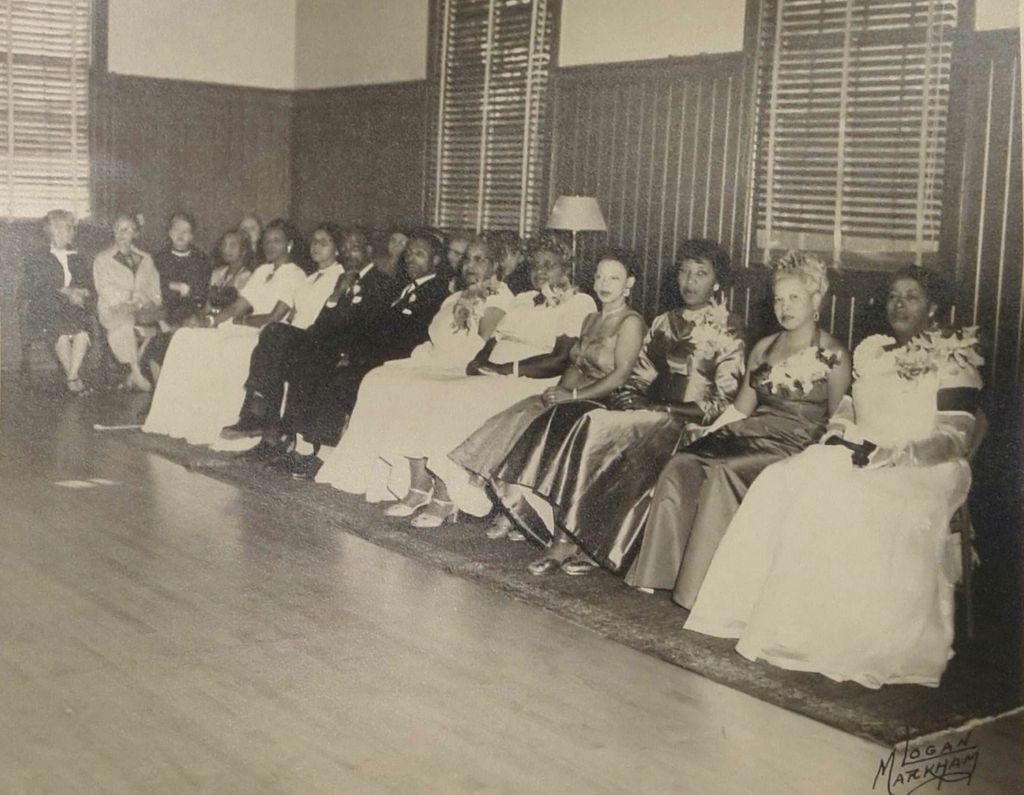
Built in 1926 by the Portland YWCA, the Billy Webb Elks Lodge was named for the bandleader of a local African-American Elks band. This historical landmark is still standing today, continues to serve the community, and has been newly renovated. Norman Sylvester shares some of this rich history while Ken Berry remembers lugging a Hammond B3 organ into the Elks for shows. Ken and Norman also remembering early mornings on the berry and bean picking bus driven by Elks Lodge music booker Lee Graham.
Photo: Courtesy of Rutherford Family Collection
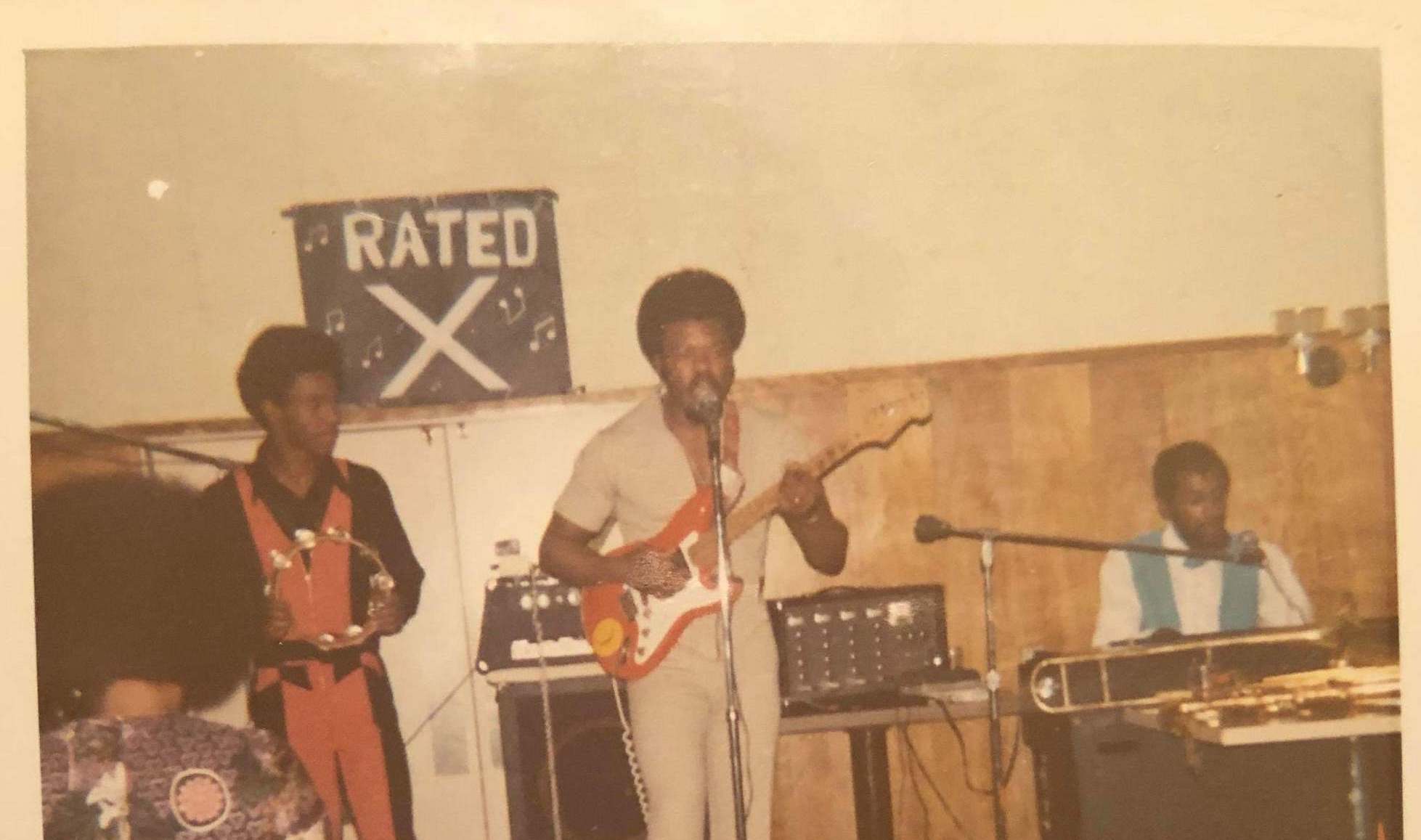
The Texas Playhouse club, owned by Mrs. T., sat at the former site of the Union Pacific Porter's Club. Working class locals gathered here to party after a long week of work. Norman Sylvester talks about what it was like playing weekend gigs here with his band Rated X, under the iron fist of Mrs T.! Marilyn Keller recounts late nights onstage and how she learned to find her own vocal style when covering top 40 hits. Norman also fondly remembers root beer floats and great burgers at Citizen's Cafe across the street.
Photo: Rated X
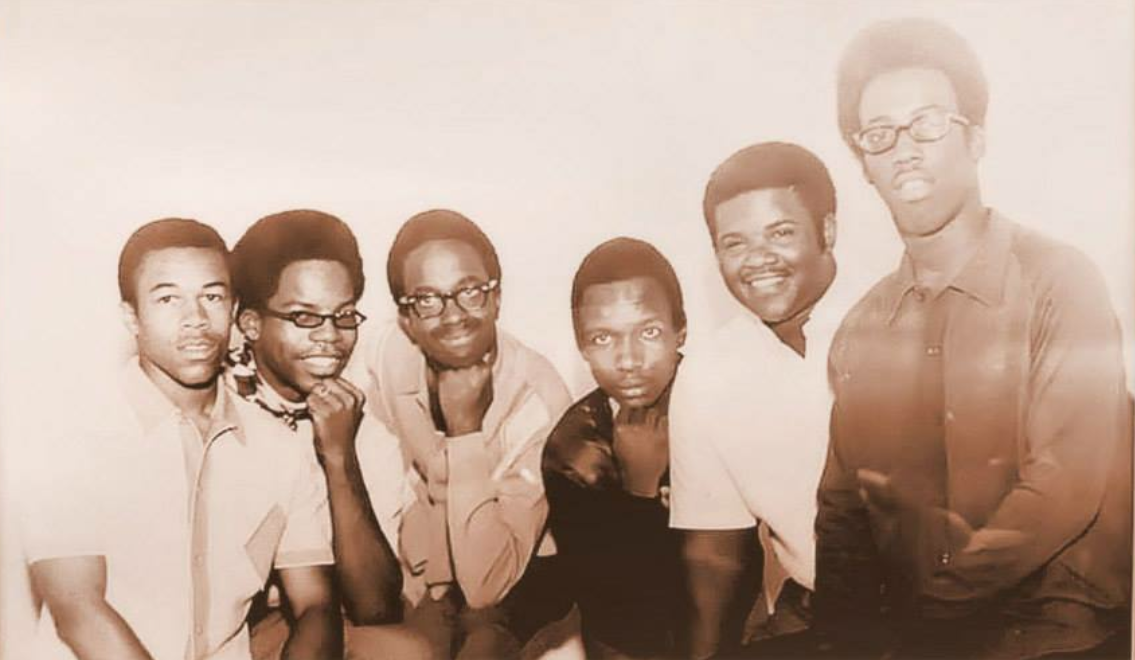
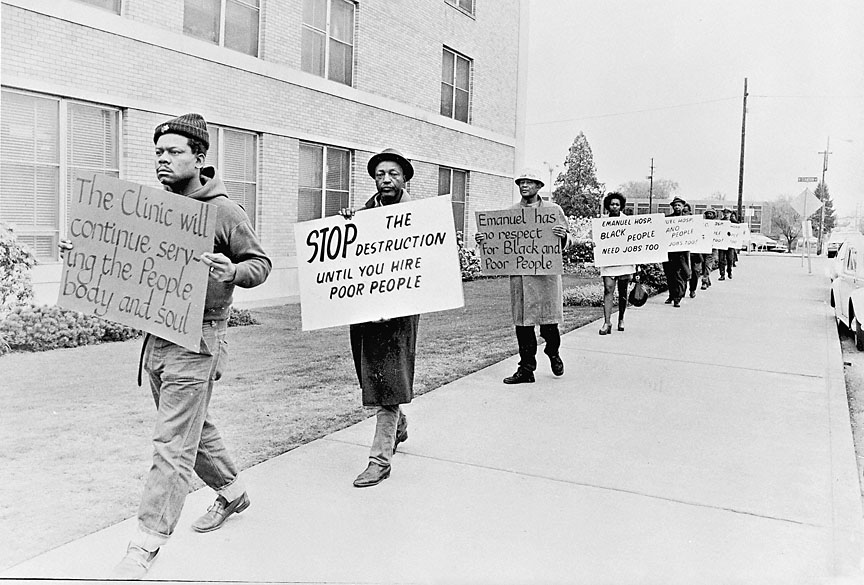
The planned expansion of Emmanuel Hospital razed nearly 300 homes and businesses in 1972, devastating the heart of the Albina's African-American community. The Seven of Diamonds was housed on one of many blocks which remain empty to this day. This teen club was the brainchild of former police officer Nathan Proby. It was a place where neighborhood youth ran the show, both on stage and behind the scenes. J.W. Friday remembers the excitement of performing and recording there with the Cavaliers Unlimited, and Calvin Walker recounts helping with the initial renovations.
Photo: The Cavaliers Unlimited, courtesy of J.W. Friday
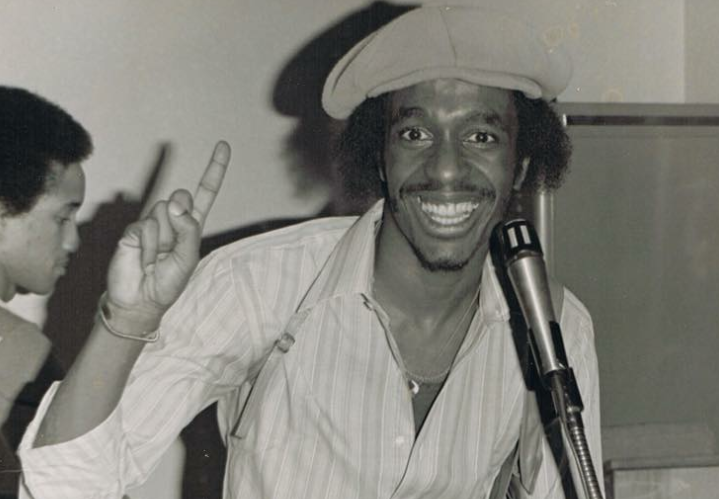
Before Matt Dishman ever housed a swimming pool, it was a community boxing and weightlifting hub as well as a spot for teenagers to rehearse with their bands and dance to disco. J.W. Friday recounts the formation of the Cavaliers Unlimited, whose first show was here, while Calvin Walker realizes how lucky he was to be able to play the drums in his family's living room. Years later, J.W. and Joe "Bean" Keller team up to throw shows and dance contests in nearby parks.
Photo: J.W. Friday DJing live
Before the Downstairs Lounge opened and established itself as a popular stop for touring bands, the smaller Upstairs Lounge was a beloved jazz room. Owner Jim Britt tended to book talent that was either on the way up or on the way down! Here, Gregg A. Smith talks about his experiences playing in the house band here, Marlon McClain of Pleasure fondly remembers playing for packed houses, and Norman Sylvester describes the Sunday jam session scene.
Photo: Billy Larkin & The Delegates Live at the Cotton Club, Courtesy of Paul Knauls
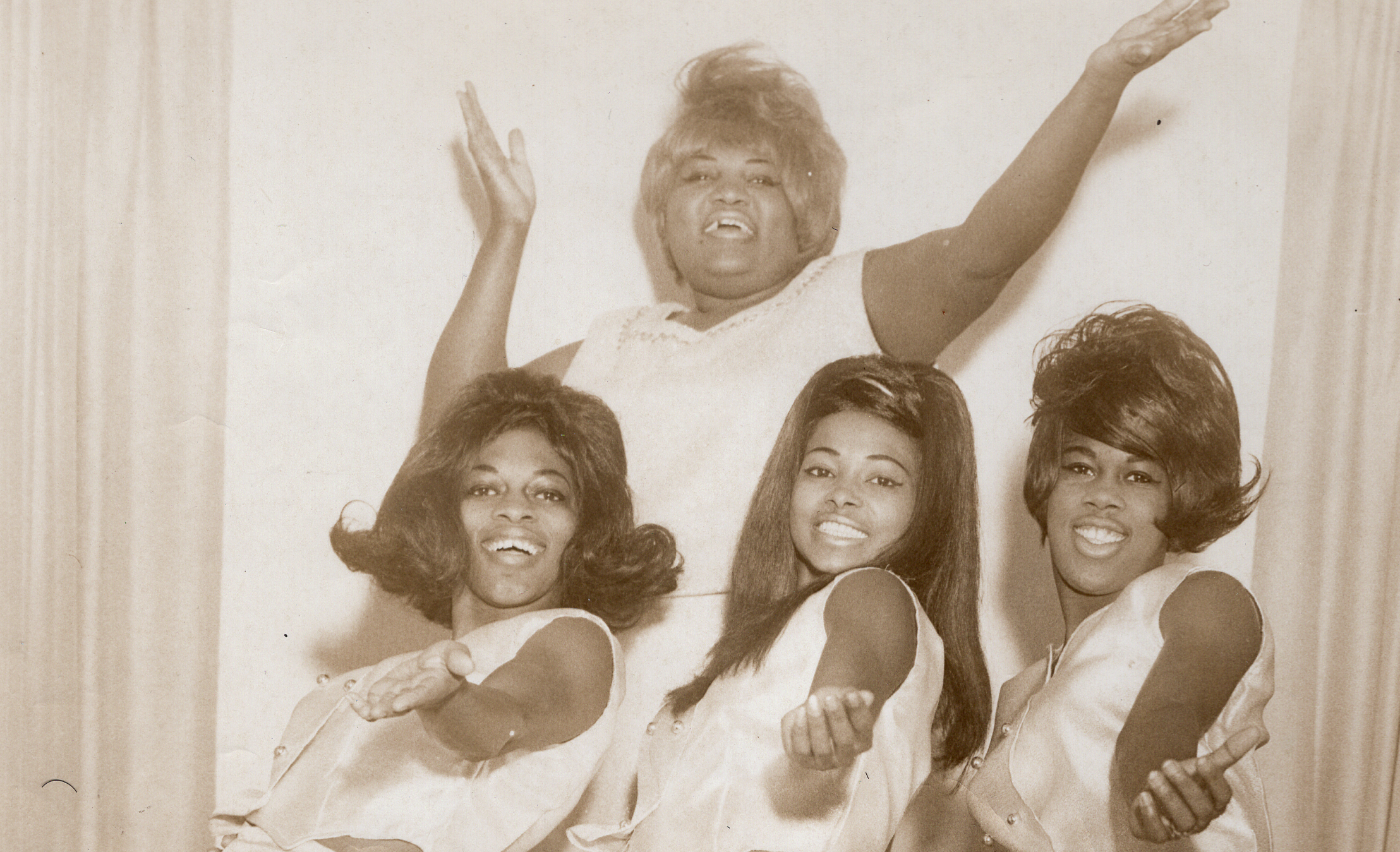
Fred's Place, aka The Gas Room, was an intimate hole in the wall owned by Fred Baker. As you'll hear from Gregg A. Smith and Calvin Walker, Fred was a tough negotiator! Learn about the afterhours spots frequented by those in the know, and hear about when Gregg and Johnny "Guitar" Watson (then playing at the Downstairs Lounge) switched gigs!
Photo: Ruby & The Wonders promo, courtesy of Paul Knauls
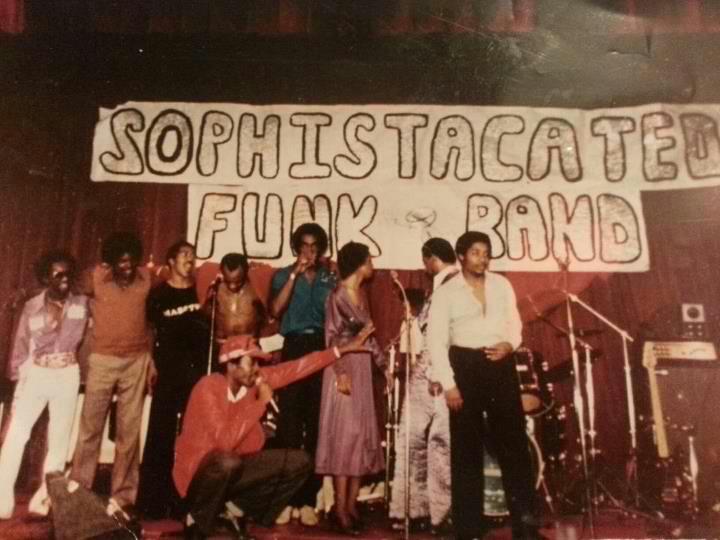
As we continue down Rodney, let's reflect not only on Portland's overlooked status as a musical West Coast city, but also how Black Albina musicians struggled to break into the mainstream Downtown Portland club circuit.
Photo: Sophistacated Funk Band
As we return back to Tillamook St. where we began the tour, take a moment to hear how about the ways this historically Black community has struggled and resisted in the face of urban renewal and displacement.
photo credit: Oregon Historical Society
Love what we do? ➔ become our Open Collective backer
Privacy & cookie policy / Terms and conditions
© ECHOES. All rights reserved / ECHOES.XYZ Limited is a company registered in England and Wales, Registered office at Merston Common Cottage, Merston, Chichester, West Sussex, PO20 1BE
v2.5.11 © ECHOES. All rights reserved.