Tracing Box Hill's hidden water story

room 10 ECHOES

How can an appreciation for water be grown within a community that already benefits from a recycled water system?

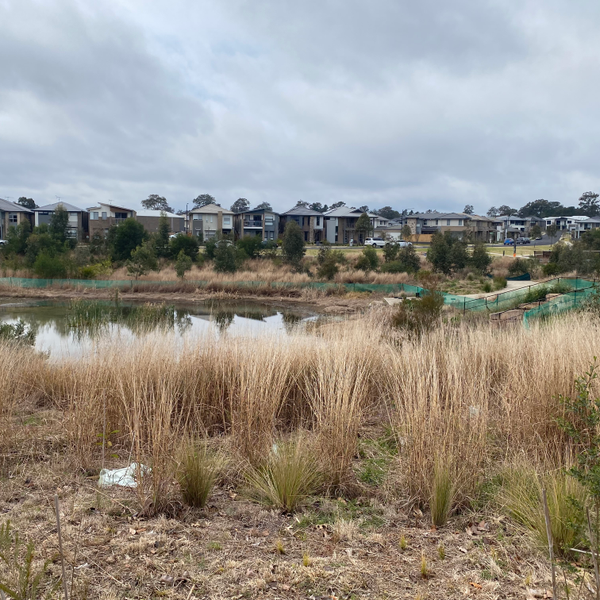
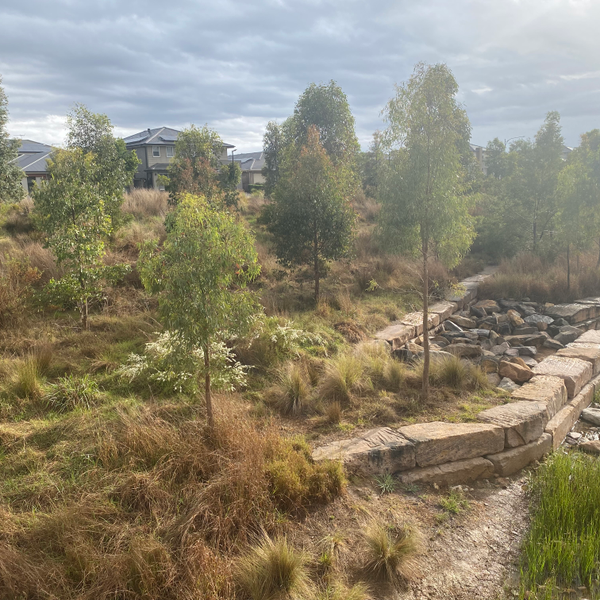
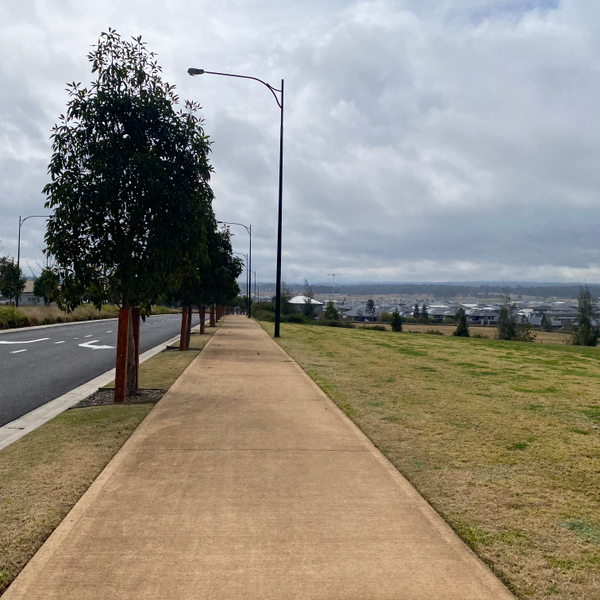
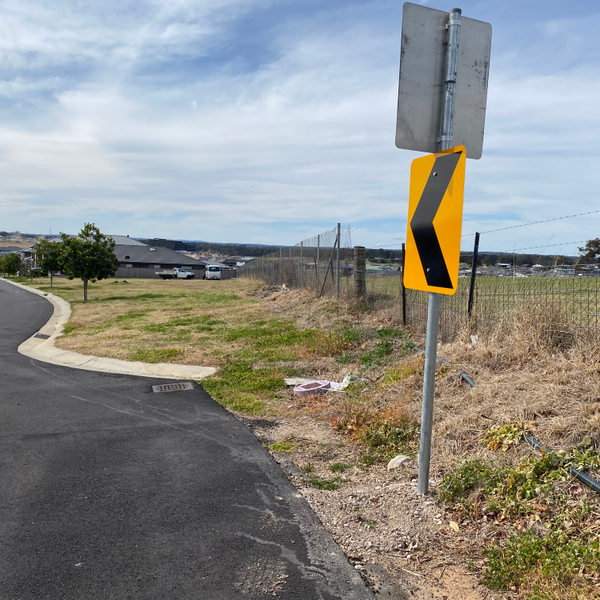
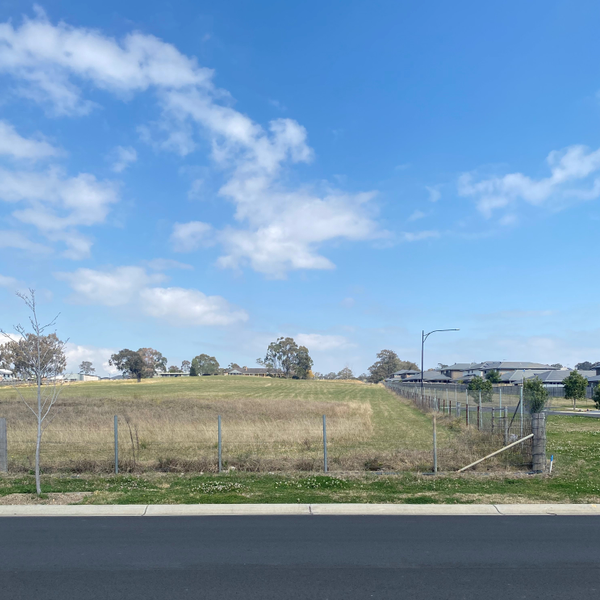
A guide to uncover and reveal Box Hill's hidden and concealed water story. Layering sound and visual traces of an underlying dynamic system of processes and flows with the immediate and future construction of Box Hill to enhance the relationship between the community and a greater sense of place within the localized recycled water system.

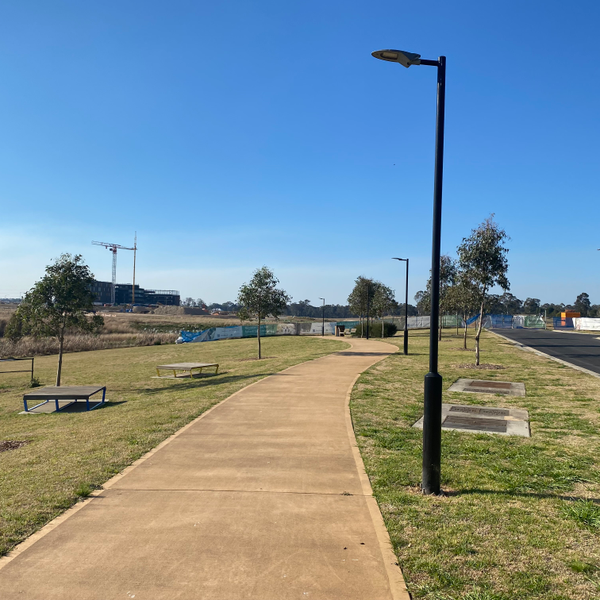
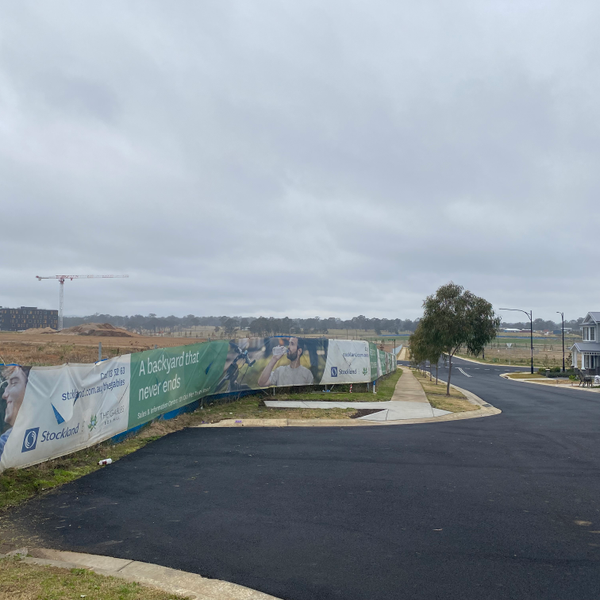
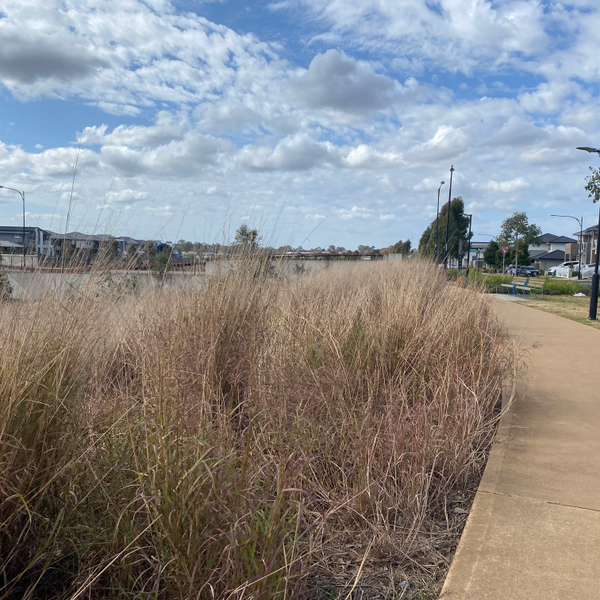
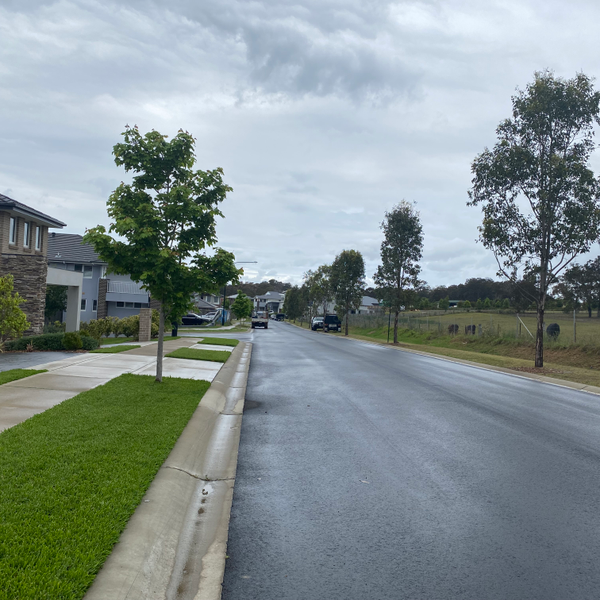
New and sudden developments present a unique set of challenges for residents and visitors that are not always as obvious and become frequently overlooked and buried beneath concreate and manicured gardens. Many become unaware of the underlying characteristics and temporal flows that have been shaping and sustaining the underlying landscape before human alteration and in turn, allowing such freedoms with water usage across the estate. Many fall into the predetermined set of experiences and activities planned and setout by developers leaving little need to stray away from popular gathering places. This walk aims to guide people away from the immediate structures and encourage an act of searching and following for traces of water through sound and subtle hints to begin to trace and uncover a heavily concealed landscape restricted by a growing urban environment.

The following sounds have been collected during and after periods of rain when few of us venture out and take our walks. By blending what is heard and what is seen, you'll begin to visualize a past landscape that can subtly be traced and exposed to form a greater appreciation and connection to the local water system.
LDepiazzi
LDepiazzi

DOWNLOAD OUR APP TO DISCOVER THIS TOUR AND MANY OTHERS.

play-storeapp-store

The Echoes


1. Beginnings

Beginning the walk, this site introduces the viewer to the landscape with a noticeable drainage path…

2. Urban and Rural Conflict

Interrupted planned development shows a conflict between rural and urban landscapes that is overlook…

3. Colliding Drainage Paths

Intersecting the long run of rural land, this site showcases an interesting interaction of forceful …

4. Isolation within a flourishing urban wetland

Although situated next to an active playground within the center of development, a lack of access an…

5. Distant Systems

Placement of paths and a lack of planting create a feeling of exposure whilst the view of the final …

6. Conflict between the existing and planned

The current development line as of 2021. Visible water and runoff infiltration onto pathways and boa…

7. Regenerating Past Landscapes

Whilst already serving as an effective intersection of people, nature and water, the center catchmen…

8. Significance of Native Plantings

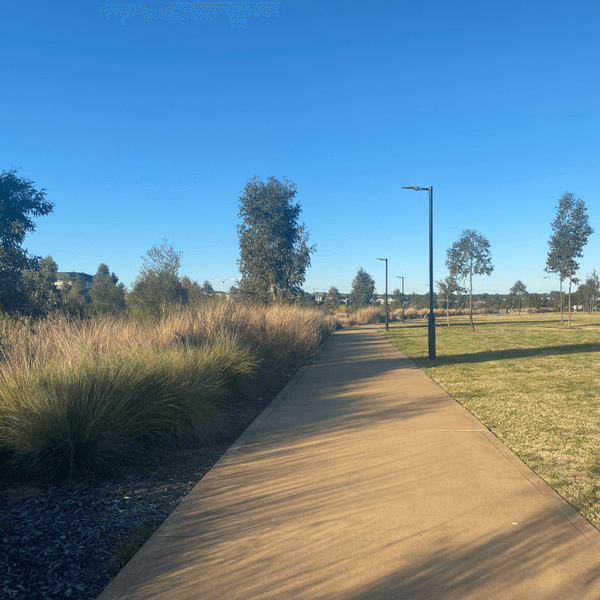
Mass planting of native sedges and grasses take advantage of the wind corridor that runs through the…

9. Blending atmospheres

Bordering on open paddocks and encroaching construction, sounds of birds and insects dominate the ab…

10. Individual Water Systems

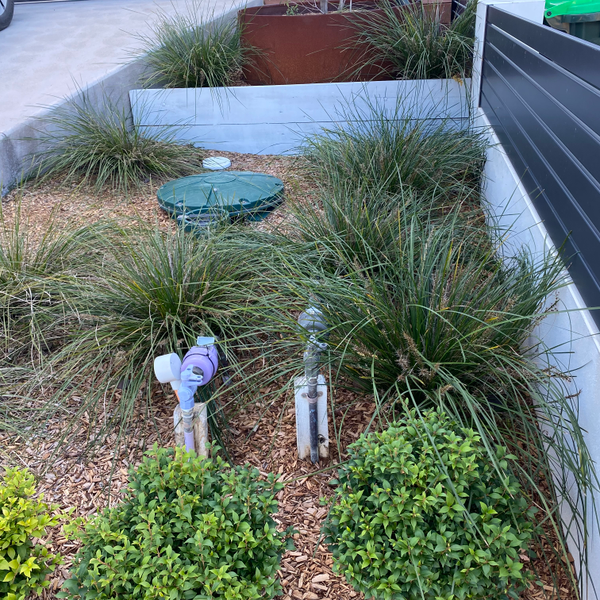
The excess runoff from each property is redirected into underground paths and then collected out ont…

Discover more geolocated content in our apps.
play-storeapple-app-store

Or start creating tours, treasure hunts, POI maps... Just let your imagination guide you.


Other walks nearby

34 Tuckwell Rd Ghost Structure

34 Tuckwell Rd Ghost Structure

During my daily afternoon commute, I took particular note of the fact that the bus route always passed by an empty lot on Tuckwell Road, near where I would get off. This piqued my interest, sparking an internal series of questions. Why is the lot empty? Was there ever a house here? If so, what was it like? A quick internet search gave me the general details. 34 Tuckwell Road. There was once a house here, up until its demolition around 2008, and from then on the lot had been sold to various real estate agencies. Beyond that, however, information was scarce. The more I looked into the mystery of this block of land, the more the inspiration grew for this program. I was eager to imagine the story this lot told; what memories it held, the lives it had facilitated, and the kind of people who had once called it home. Eventually I had reached my limit - I needed to create some portrayal of this story. This Echoes walk is exactly that. I created a ‘ghost structure’ of sound - my interpretation of the noises that may have once emanated from the house that once stood at 34 Tuckwell Road. I wanted this walk to convey the memories that this house held, through the sonic footprint of an imaginary family who may have once lived here. These sounds represent this family’s highs, their lows, and the everyday mundane that has long since faced erasure. This walk takes the form of a home layout, travelling through various rooms within the ghost structure, allowing for a sonic glimpse into the past, while a nostalgic and retrospective soundtrack consisting of sombre guitar chords and gentle synth pads washes through the background. I composed and recorded the backing track to set the tone of the walk - with heavy reverb and delay to create this sense of looking back in time, reflecting on the emotions of the land’s former residents. The walk begins in the *imaginary* front yard, where would have once stood a driveway. We hear the sounds of members of the family as they enter their car, and start the engine, with muffled interjections from their favourite radio station. The elements of this Echo all came from sound recordings of my car with a Shure SM57. I placed the microphone on a stand as I started my engine and let it idle, before switching it off. This was layered with tracks of the doors opening and closing, as well as a recording of the radio taken from outside the car (which ran through a low pass filter to create a muffled sound). The roar of the diesel engine fades as we approach the front door, and we are met with the sound of heavy, exhausted footsteps, nearing the front verandah. We observe as we hear the first of the lows; the sounds of somebody entering the house after a long and tiring day. The jangle of their keys, the clacking of the latch, and their weary sigh as their belongings thud to the ground. These elements were all recorded with a handheld Rode reporter mic, as I wanted a dynamic mic to capture the loud peaks of the door latch. Contrastingly, as we head further into the house, we experience the joy of the whole family cheering on their favourite football team, as they crowd around the TV in their living room. These recordings were taken with a Sennheiser shotgun mic, as I wanted to capture the general noise and atmosphere of the room rather than an isolated directional sound. As we walk past the living room we approach the dining room, where the parents of the family engage in cheery conversation, while they clean up and organise shopping and cutlery. This was composed of a single track taken with an SM57. Following a sharp right turn from the dining room, we enter the kitchen, where we experience a layered atmosphere of kitchen noises, while a member of the family sneaks around, presumably preparing a midnight snack. This was potentially the most complex zone to create, as it required the most creative manipulation. The sound is backed by the hum of the fridge, we take a journey around various appliances in the kitchen. In order to make the sound more audibly distinguishable, I arranged several glass bottles next to each other on the fridge’s door shelf, which rattle when the fridge is opened. Additionally, the microwave sounds consist of two tracks, which were recorded simultaneously with two microphones; one capturing the beeps and door sounds, while the other captured its low hum. Beyond the kitchen we pass the door of a teenager’s bedroom, as he sits inside it practising the guitar. The blaring volume of the amp warrants an irritated response from the teenager’s mother, as she repeatedly shouts at him to turn it down. The guitar sounds were recorded with an SM57 sitting about two metres away from the amp’s speaker, and the audio was once again processed with a low pass filter, in order to mimic the sound of an amp behind a closed door. I captured my own mother’s irritated shouting with the same microphone, along with the door knocking. These elements were panned to opposite sides of the stereo field in order to create a greater sense of spatial immersion. Listen carefully for all the details for full immersion, best walked at around 1.5km/h, enjoy!
free
Audio Cultures: Street Sounds And Where To Find Them

Audio Cultures: Street Sounds And Where To Find Them

The audio represented here may not reflect the nihilistic topics discussed within the voice overs, however the audio was recorded with the intent of finding tangible sounds which were unique and provided an experience for the listener. Walking around the streets to look for unique sounds was a difficult task as it is just… the street. However, leaving empty-handed was not an option, so an attempt was made, if that. Listening back on the recordings after having sourced them; it became clear that something tangible had arisen from recordings of sounds which to the layperson, are monotonous and ordinary. Listening back on the recordings made me realise that I paid more attention to these sounds when recorded, and being played back on a laptop. I started to understand that I took notice of the sounds and their unique properties far better than when I was listening to real sounds outside. The sounds became so much more prominent from a laptop and I wondered why. It was a mystery to me but I knew that if I was gonna get anywhere with this endeavour, then I needed to pursue and find out why. The funny thing was that I approached this project, working on it without a clear goal in my head, I worked and worked with only the tangible idea that sounds that are recorded and played back sound more fresh and bright in our minds than sound from the original source. I constantly questioned it. The question eventually the goal, finding out why. I decided to lay out the sounds normally, to give the listener a realistic soundscape of walking through a rural street. I wrote some synthesiser lines to keep the listener reminded that this was still a recording and not the real sound. I used a voice over to guide the listener to what they should be listening to, but kept it devoid of voice in moments where I wanted the listener to have moments of self-discovery. However, I still needed to guide the listener otherwise the point of the mix would have been misjudged completely. What the audio works is trying to say is slightly meta in the fact that it criticises the way in which media interjects it’s way into our lives and drags our attention away from the real world, even though the piece of work which is criticising this notion is still, without question; a piece of media in itself. I find it strangely ironic that it is a piece of media which is warning listeners about the dangers of media. – However, this statement proves the point as it took a piece of media to warn and make others understand this, thus proving the media's influence. The recording methods were simple, leaving the microphone in omni-directional for ambient sounds and cardioid for specific sounds. I utilised MIDI for instruments, specifically using lead synths and organ synths. Lead for the more mechanical sounds which were an attempt to bring across the point that media is something derived from technology. The organ synth was a combination of sorrowful chord progressions with a slight transition to mystery, an attempt at retrospect and also a way to prime a response in the listener. The response being one of wonder and awe, in the section where it is stated that the human brain has been trained like that of a dog, to breathe in media like it is air. This project represents our humanity, culture, and what we have become and transitioned into. It may be a critique, however it is not a call for revolution, more of a statement saying that this is how things are from now, and how they will continue to be.
free
Tom Haveron Assessment 2 - Transmission Park

Tom Haveron Assessment 2 - Transmission Park

Located at the end of Warrimoo Avenue, and encircled by Yarralumla Avenue, Transmission Park is a short strip of nature in St. Ives Chase. This park features a long grassy strip that walks from one road to the other, with trees on either side that seperate the neighbouring private properties from the public area. Other then being the parks' namesake, the powerlines in the park create a strong vector down the strip, with a large supporting structure at the front end, which is impossible to ignore. Before electricity had been widespread in Sydney's North, this park contained only trees, and was an extension of the national park that is ~500 meters north of it. After the powerlines were installed, the park became a prime spot to view the sky, resulting in an extremely beautiful view, and one of the widest views of the sky that can be seen (in public) in St. Ives. This echoes walk intends to capture the conceptual strength of manmade and natural elements coalescing to create a densely textured soundscape, much in the same way that the mechanical elements and natural elements create a significant and unique area. This walk began as an attempt to replicate the sonic environment of Transmission Park on a rainy afternoon, however I then decided to implement more experimental sounds, and musical elements, to create a much more conceptual piece. On rainy afternoons, the patter of raindrops creates a steady rhythm, punctuated by distant thunder. The rustle of leaves in the breeze adds a serene backdrop, reminiscent of the park's origins as an extension of the nearby national reserve. However, the park's character is not solely defined by nature, as the presence of powerlines introduces a constant hum, a reminder of the modern infrastructure that intersects with the natural landscape, not unlike a musical pedal point. This blend of sounds creates a unique ambiance, offering visitors a sensory experience that reflects the park's dual identity. In crafting the Echoes Walk for Transmission Park, I sought to capture this multifaceted soundscape. Utilizing field recordings of footsteps, rustling leaves, and the ambient hum of electricity and machinery in both urban and suburban settings, I aimed to create a faithful representation of the park's auditory environment. Yet, I also incorporated experimental elements into the composition. By introducing sounds such as static electricity and passing vehicles, various birdsong and metallic timbres, the manmade aspects of the park truly shine through, occasionally jarring, and occasionally harmonious, which represents the ultimate duality and inconsistency of such a dense soundscape. The decision to implement a guitar accompaniment was fuelled by my intention to amplify the emotions that a place like this may invoke, as it harbours feelings of reflection, nostalgia, and down-to-earthedness. My incorporation of experimental sounds and musical elements in the Echoes Walk captures the essence of Transmission Park in all its diversity. From the gentle rustle of leaves to the sharp crackle of static electricity, the composition reflects the dynamic interplay between humanity and nature, creating a densely textured soundscape that is both evocative and immersive. Despite being a relatively short strip of nature, it is filled with nuance and detail that I have attempted to encapsulate in an audio experience, including the sounds of the outside, including passing cars and domestic sounds, which are important to the sonic environment in the same way that unavoidable plosives and hardware limitations (vinyl crackle, old recording equipment) still plays a role in a final recording of a musical composition. In crafting the Echoes Walk for Transmission Park, my aim was to capture the multifaceted soundscape, intertwining elements of nature and modernity to evoke a unique sensory experience for visitors. The recording process for these sounds required the use of a Zoom H6 recording device, and a shotgun microphone. These sounds were taken from a rainy day in central Sydney, including longer ambience recorded in Hyde Park. When editing these tracks, I aimed to keep the sounds as authentic as possible, avoiding changing things like pitch and unintentional background sounds, so that I could ensure that a sense of naturalism was upheld. I chose this recording location for it's sheer variety of sonic outputs, as well as constant atmospheric background sounds that fit Transmission Park well.
free
School Memories

School Memories

School Memories begins near the furthest carpark entrance to Blaxland High School, located in the lower Blue Mountains region. At a leisurely pace, walk along the outside of the high school to discover the many sounds of the school environment and recall your own personal times when you were a student. This project takes us on a short audio journey of walking through a school (along the outside of the public high school) and re-experiencing the sounds of the school grounds and classroom. You will explore the variety of sounds associated with school and reminisce on your own time there when times were simple. As an ex-student from Blaxland High School, this holds deep meaning to me, I had many amazing and emotional experiences, and of course miserable, but have come to truly appreciate the beautiful moments of school and you will too. The true meaning of the variating sounds and atmospheres of this project will be interpreted differently from person to person as we have all had different types of experiences in the school environment. Canadian electroacoustic composer Barry Truax (2001) suggests that “the way in which a sequence of sound is structured determines the type of meaning, or levels of meaning, it communicates, provided the listener has the appropriate tacit knowledge to decode it” (p.177). In this project, we all possess the knowledge to understand the meaning of the sounds and all the sonic components due to the commonality of school that is shared by almost every person. This provided me with a clear fundamental basis and goal to gather the relevant audio to construct a project that illustrates the meaningfulness of the arrangement of sound and how it can affect the listener. It is structured in a way where the meaning of the project is amplified the more you discover and remember the sounds of the school environment, which can be led by your interpretation. The audio of the school children's ambience during their break times as well as audio of a teacher talking to his class creates thick background layers in the project that immerses us into the audio. These are driving forces in the school soundscape that draws us to be conscious of and think about our own experiences in school. The initial chaos of the sound of kids in the school environment is dampened by the calming and peaceful sounds of the birds in the Blue Mountains, adding an extra atmospheric layer and illustrating the tone of the project, which may be interpreted in your own manner. To complete the atmospheric layers, a short and gentle musical composition is utilised to evoke emotion and support the ambient soundscape. The project is portrayed with the familiar sound effects of an everyday school student's life. I recorded a wide variety of sound effects that illustrate the time during school to transport you back into your time there. Some sounds including writing on paper, laughter, typing, and bag zippers are highlighted to position you in a space where you feel as though you are back at school. Is it enjoyable? Is it bad? What did you find pleasant about school? These will be the types of questions you will ask yourself when walking through the project, making you conscious of your past and reminisce on the memorable times of school. The image you will have in your head whilst walking will be led by your imagination and interpretation to make the soundwalk truly your own. The project attempts to remind you of the memorable and enjoyable times of being a school student and to reminisce on those times. This provides a unique and interpretative listening experience, where every listener will have many different experiences to think about, causing you to appreciate the times you had. Enjoy the walk along the outside of Blaxland High School and appreciate the enjoyable memories! References: Truax, B. (2001). Acoustic communication (2nd ed.). Greenwood Publishing Group. Additional sound effects recording: Declan Muller, Dylan Perera, Jonathan Remfrey
free

Are you a creator?

START HERE

Privacy & cookie policy / Terms and conditions

© ECHOES. All rights reserved / ECHOES.XYZ Limited is a company registered in England and Wales, Registered office at Merston Common Cottage, Merston, Chichester, West Sussex, PO20 1BE

v2.5.3 © ECHOES. All rights reserved.