Shipwrecks of Ottawa Walking Tour

18 ECHOES

Location: Ottawa, Ontario, Canada

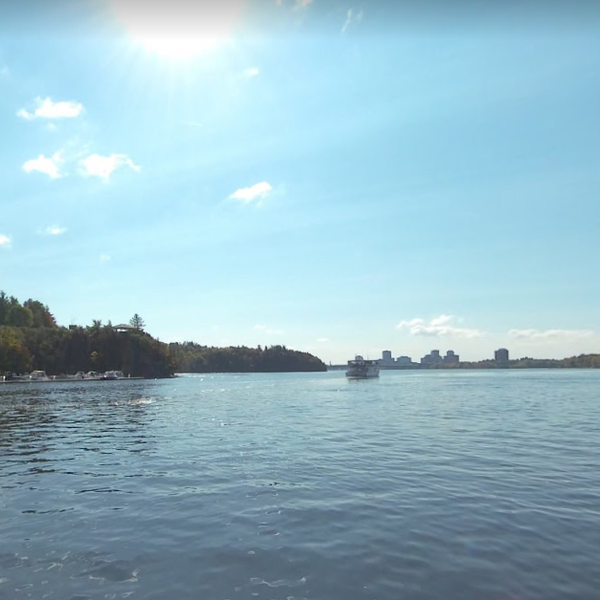
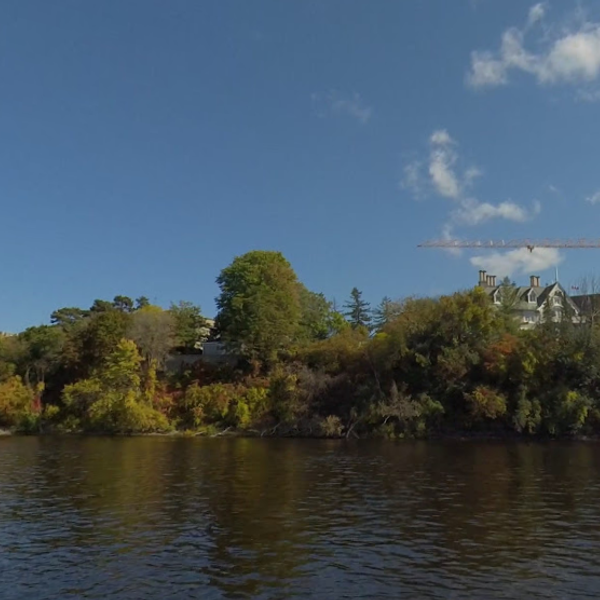
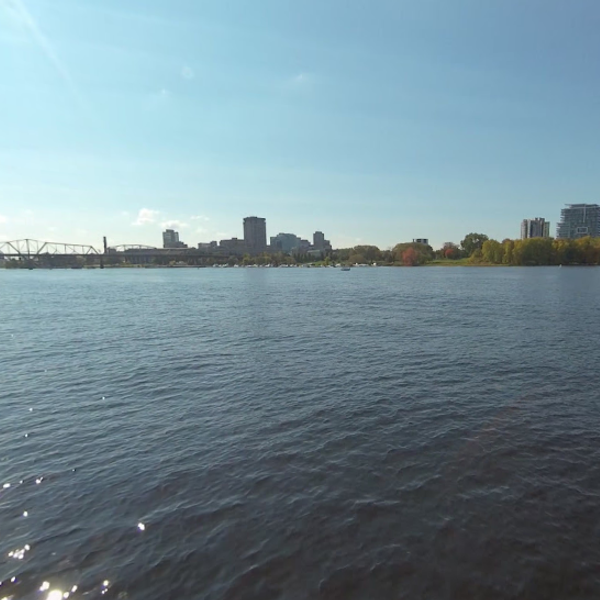
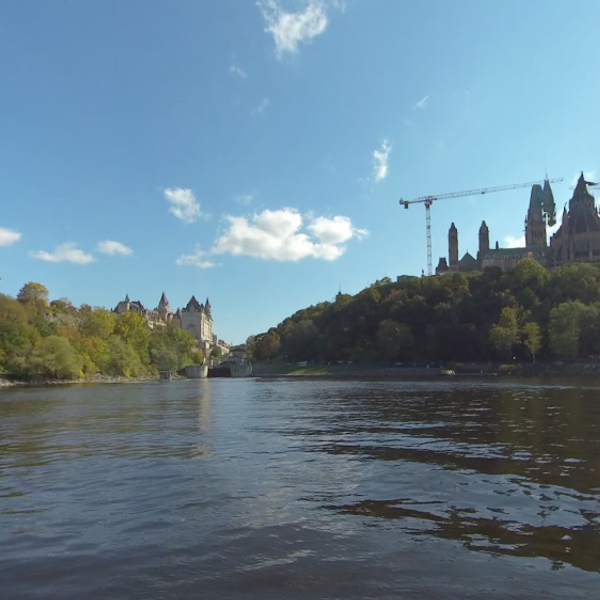
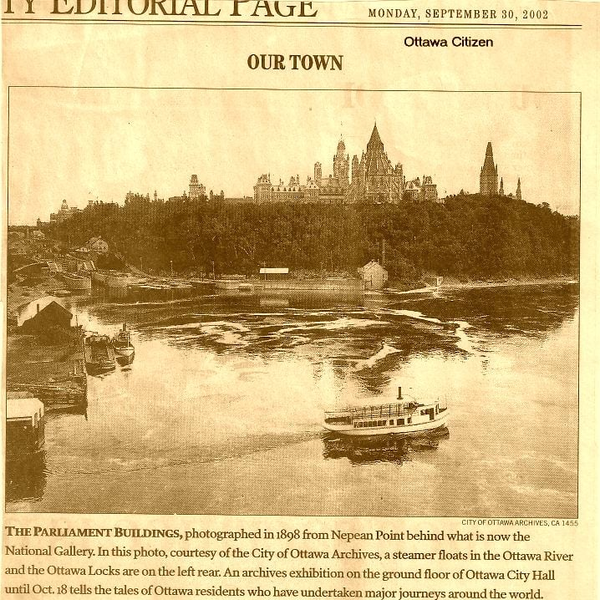
This tour focuses on twenty-two shipwrecks or wreck sites located along the Ottawa River between Kettle Island and Britannia Bay.

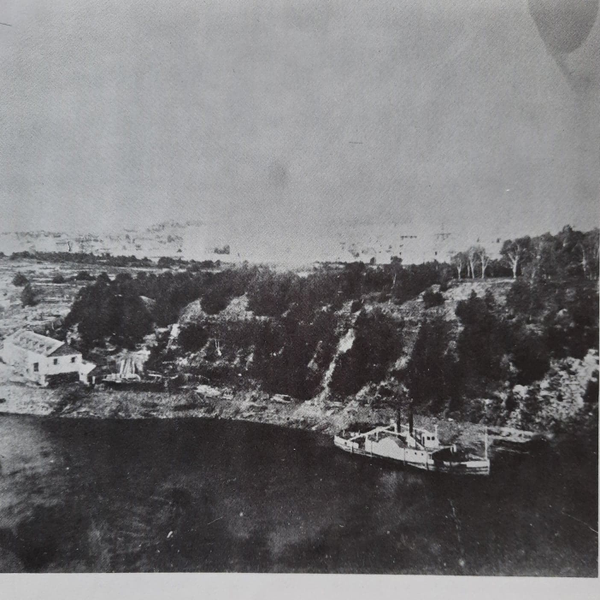
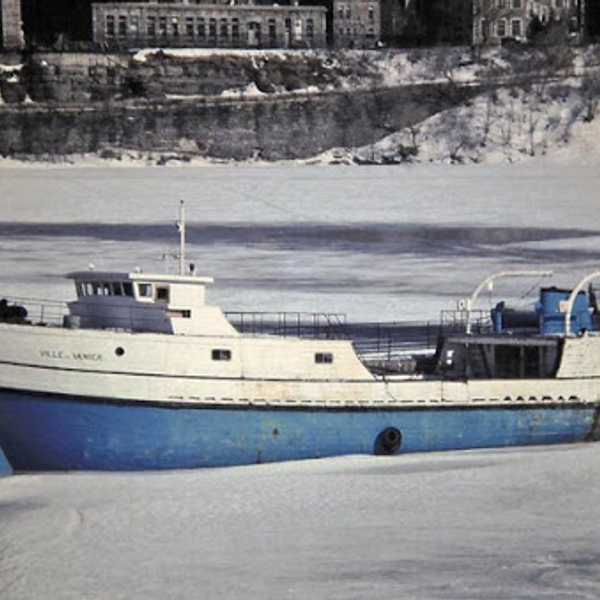
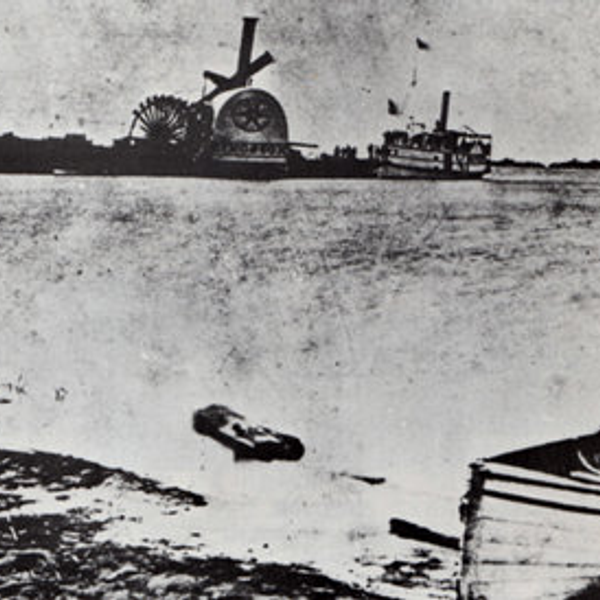
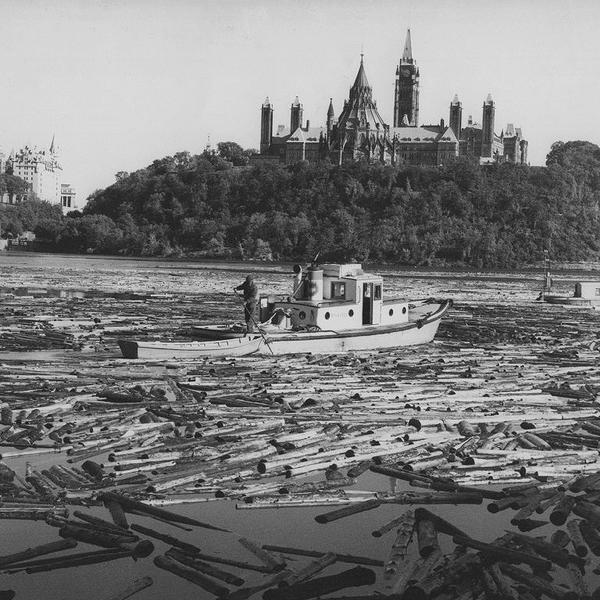
The tour is meant to be used along the Ottawa River Pathway/Trans-Canada Trail, with audio playing automatically based on location. The locations of twelve of these shipwrecks were found by the Underwater Society of Ottawa, while the rest come from research into the New Mills List, Parliament of Canada Sessional Papers, and other sources. Research was conducted as part of a project for DH5000 at Carleton University, with additional research and construction of the walking tour conducted for HIST5706 at Carleton University. ----- In 1823, Thomas Mears and Philemenon Wright launched the first steamboat on the Ottawa River proper. Named the "Union," its launch marked the beginning of more than one hundred years of steam vessel use on the river. Over the course of the century, hundreds of steam vessels plied the Ottawa River. Some were retired or sold for use on other waters, but many sank and remain under the river's surface. Use this walk to find out more about the shipwrecks in your area.

William King, 1841, & Bruce, 1875

William King, 1841 Originally known as the William Annesley, it was built in 1824 by H. Logan of Montreal, Quebec. It was renamed to the William King in 1828.

It was reported in the Montreal Herald that "[w]e are informed that a beautiful little steamboat is now building…. upon the exact model of a canoe…It is perhaps the smallest ever constructed. It is intended to ply foot passengers across the river between the usual passage roads to Laprairie and Longueuil."

The William Annesley (later King) was designed by William Annesley in pursuit of testing a new patent system that "involved no ribs and alternate layers of thin boards with oiled paper between" (Maritime History of the Great Lakes)

It was rebuilt several times, with the paddle wheels and engine removed in 1827 to allow it to serve on the Rideau Canal from 1827-1829 and later the Lachine Canal in 1830. An "additional shade deck" was added in 1829.

Its engine was later reused in the Bytown (built 1834). The William King was soon abandoned in the Ottawa area and sank. Around 1980, it was moved to the Ottawa Rowing Club to serve as a dive area known as 'Morrison's Quarry.'

Bruce, 1875 Originally named the Islander, it was built in 1846 by D. Dibble of Kelly's Island, Ohio, USA. It was 100 feet long, and 17 feet wide. The Islander was renamed to the Bruce in 1862, which is when it started serving in Canadian waters after its purchase by Van Every & Rumball of Goderick, ON. Detlor & Son bought it in 1866, D. S. Booth of Brockville in 1868, Schofield & Rochester of Ottawa in 1873, and Mr. Bourgeau of Alymer in 1874. During one of the sales it was renamed to the Seaman, but was mostly known as the Bruce for the time that it was in Canada.

It sank in 1874 in Ottawa due to being overloaded, but was raised in early July. It caught fire in 1875 near Hull, Quebec, and sank below the waters. The hull was raised in 1982 and relocated under the Ottawa Rowing Club wharf as part of 'Morrison's Quarry' by the Santa Maria Society.

1 sound

Minnie, ?, & Otter, 1870

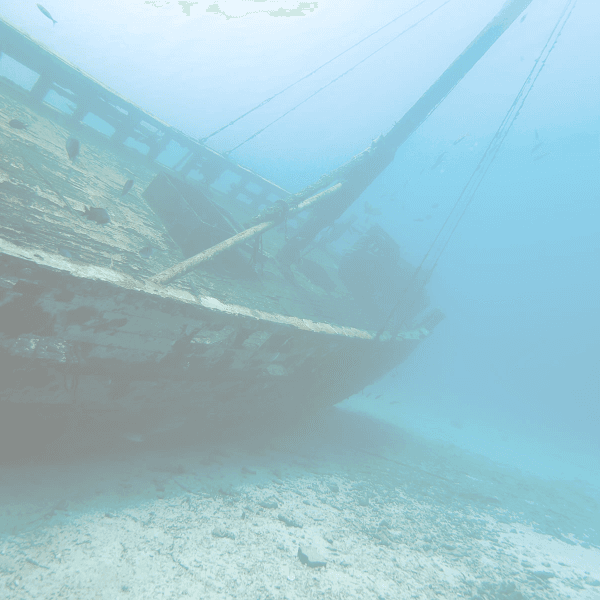
According to the Underwater Diving Society of Ottawa and Scubapedia, there are two ships resting near the base of the Rideau Canal, Locks 1-8. They've identified them as the Otter and the Minie. The Otter makes sense, as it was recorded as having burned and sank near the canal. However, the Minie (also known as the Minnie Bell or the Alva), is officially recorded as having been retired. There is no record of a final accident near the canal, and so this may be another barge.

If it is the Minnie: The Minnie Bell was built in 1887 by Bedard of Ottawa, Ontario. It was 50 feet long and 13 feet wide, and owned by H. E. Shaver of Ottawa. It frequently delivered lumber to New York, bringing back foundry sand and coal.

The Minnie Bell was involved in several accidents over the years, including a train crash and a fire. For a more detailed account, please read this excellent paper by Paul Harrison for the Workers History Museum: https://workershistorymuseum.ca/the-career-of-a-rideau-canal-tug/.

The fire lead to the renaming of the Minnie Bell to the Alva in 1902, named after the deceased son of the Shavers (the owners of the boat). It was sold to new owners by 1910, who sold it again in 1917 to the Dominion Government for use as a dredge tug for the Public Works Department. Records say the Alva was retired, and there is no record of it sinking near the canal.

If the wreck is not the Minnie, then it's hard to say which vessel it is. The New Mills List, a compilation of steamer records from 1809-1930 by John M. Mills, lists many tugboats and barges from the Ottawa area whose ends were not recorded. It is entirely possible that it may be one of them, or that the Minnie Bell's end has been improperly recorded.

Otter, 1870 Built in 1840 near Portsmouth, Ontario, it was used on the Montreal-Ottawa-Kingston triangle. According to the 1846 Bytown Packet, the Otter was known as "a small uncomfortable light boat." It changed ownership several times, going through four owners in its thirty-year span as a tugboat on the Ottawa River. The Otter caught fire and sank at the base of the Rideau Canal near Parliament Hill, on November 5, 1870. It is possible to dive, though there is poor visibility.

1 sound

DOWNLOAD OUR APP TO DISCOVER THIS TOUR AND MANY OTHERS.

play-storeapp-store

Or start creating tours, treasure hunts, POI maps... Just let your imagination guide you.


Other walks nearby


Are you a creator?

START HERE

Privacy & cookie policy / Terms and conditions

© ECHOES. All rights reserved / ECHOES.XYZ Limited is a company registered in England and Wales, Registered office at Merston Common Cottage, Merston, Chichester, West Sussex, PO20 1BE

v2.5.15 © ECHOES. All rights reserved.