Tbilisi: Sound in Space

52 ECHOES

Location: Tbilisi, Georgia

Tbilisi Dialogue: Design for Justice and Democracy
Creative nonfiction audio walks by students enrolled in Northeastern University's Tbilisi Dialogue program and Tbilisi Free University's Architecture program.

Sound in Space is a collection of site-based sonic experiences designed for various public spaces in Tbilisi. ​​How do sonic landscapes conceal or reveal the historical, cultural, environmental and micropolitical forces that produced them?

Students from Northeastern University in Boston and the Free University of Tbilisi worked together for a week to develop immersive soundwalks for different spaces in the city. Operating between abstraction and narrative, ambience and description, the interactive compositions annotate the perceived landscape according to the movement of the listener. By shifting the auditory dimensions of a space while maintaining its given appearance, the projects draw out the sonic registers that shape, and are shaped by, that space. The resulting soundwalks are less explications of place and more a duet, where the everyday rhythms co-exist alongside the recorded soundscapes.

ბგერა სივრცეში, ხმოვანი გამოცდილებების ნაკრებია, რომელიც თბილისის სხვადასხვა საზოგადოებრივი სივრცისთვის შეიქმნა. როგორ ააშკარავებენ ან მალავენ ხმოვანი პეიზაჟები მათსავე წარმომქმნელ ისტორიულ, კულტურულ, მიკროპოლიტიკურ ძალებსა და გარემოს?

ბოსტონის ნორსისტერნის უნივერსიტეტისა და თბილისის თავისუფალი უნივერსიტეტის სტუდენტები ერთი კვირის განმავლობაში მუშაობდნენ თბილისის სხვადასხვა სივრცის იმერსიული ხმოვანი პეიზაჟების შესაქმნელად. აბსტრაქციასა და ნარატივს, ყოვლისმომცველსა და კონკრეტულს შორის მოქმედებისას, ინტერაქტიული კომპოზიციები აღქმული ლანდშაფტის ანოტაციას მსმენელის მოძრაობის მიხედვით ახდენენ.სივრცის ბგერითი განზომილებების ცვლილებითა და ამავდროულად მოცემული ფორმის შენარჩუნებით, პროექტები იმ ხმოვან რეგისტრებს წარმოაჩენენ, რომლებიც აყალიბებენ და თავადაც ყალიბდებიან მოცემულ სივრცეში. მიღებული ბგერითი ბილიკები ნაკლებად წარმოადგენს ადგილების ახსნას, არამედ დუეტს - სადაც ყოველდღიური რითმები ჩაწერილ ხმოვან პეიზაჟებთან თანაარსებობენ.
Four Crossings - Part 1: Metekhi Bridge

Four Crossings: Resurfacing the Mtkvari River

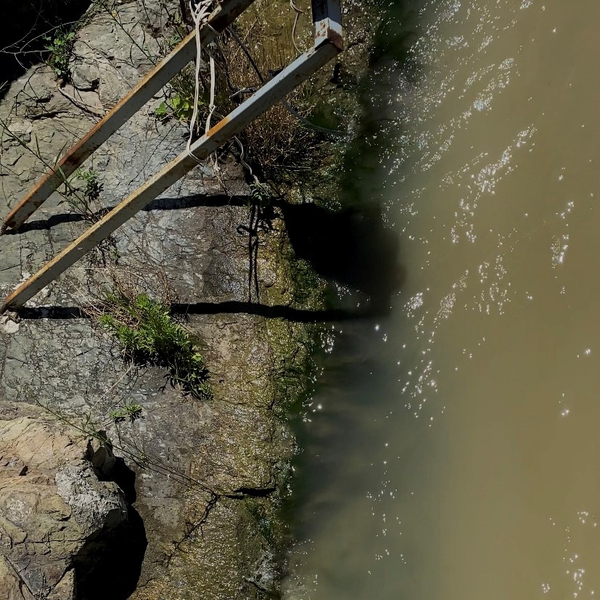
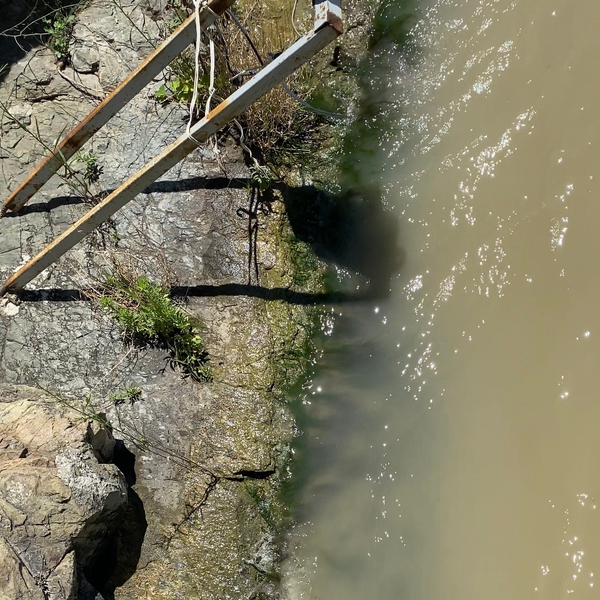
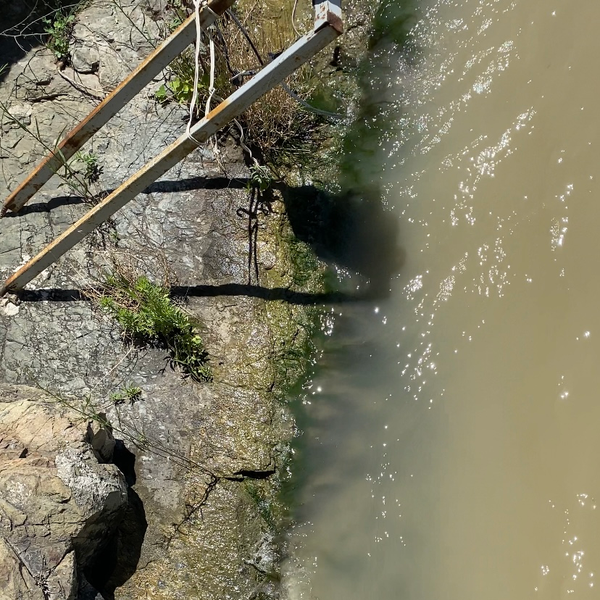
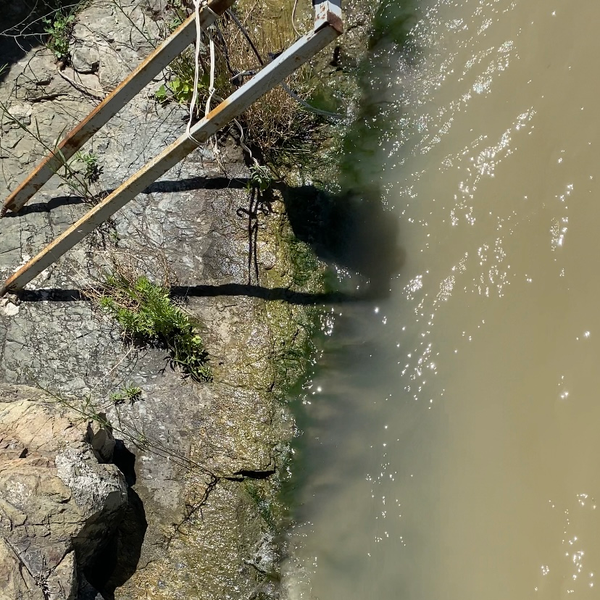
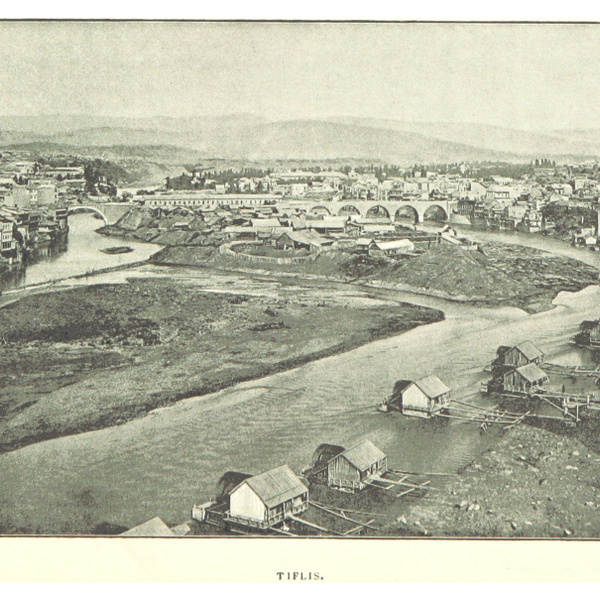
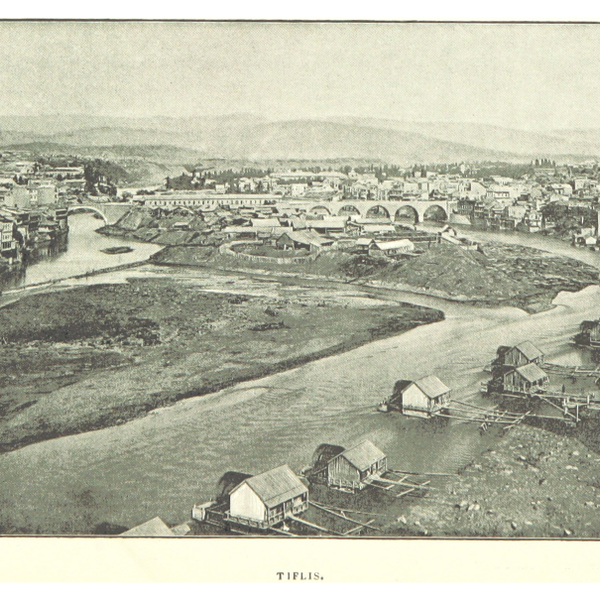
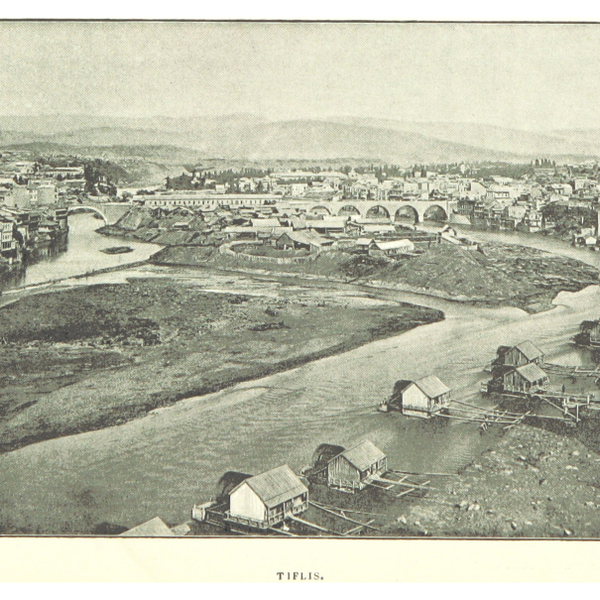
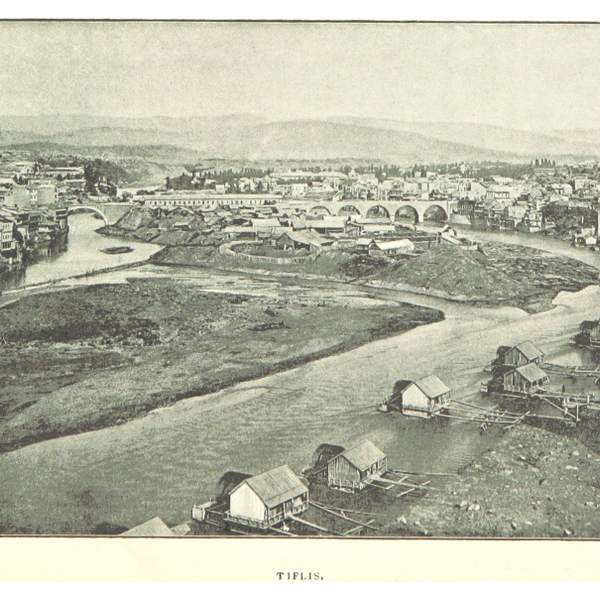
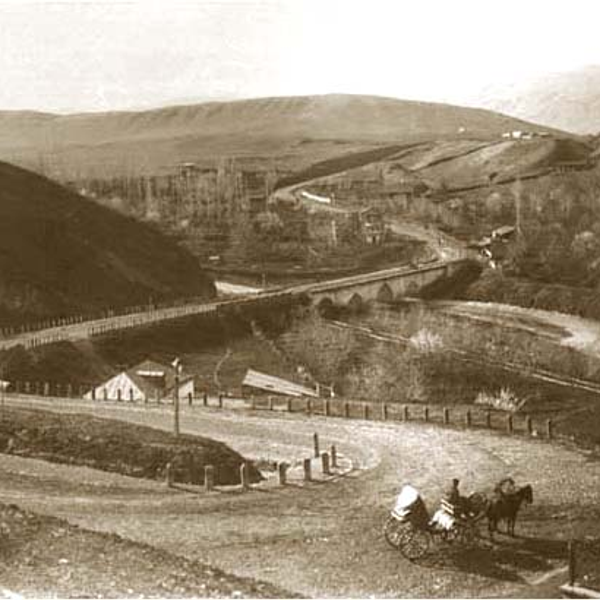
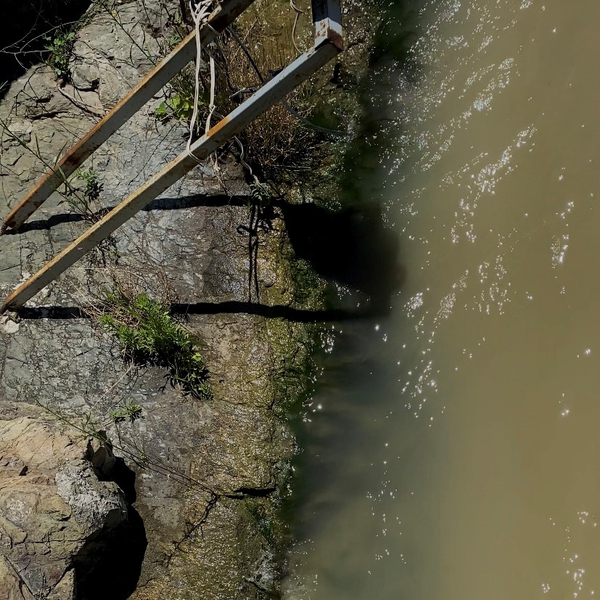
At the beginning of the 19th century, the right and left banks of Tbilisi were connected by only one, Metekhi bridge. As Tbilisi experienced rapid growth and urbanization, many new bridges were required to connect the two separate banks of the city. These bridges can be viewed as parts of the same thread that stitched Tbilisi together, but in doing so, the presence of the river slowly became detached from the city. This project, then, aims to remind people about and reconnect them with the river and the various social arrangements that it facilitates.

მე-19 საუკუნის დასაწყისში თბილისის მარჯვენა და მარცხენა სანაპიროები მხოლოდ ერთი, მეტეხის ხიდით იყო დაკავშირებული. მას შემდეგ, რაც თბილისმა სწრაფი ზრდა და ურბანული განვითარება განიცადა, უფრო მეტი ახალი ხიდი გახდა საჭირო ორი განცალკევებული სანაპიროს დასაკავშირებლად. ეს ხიდები შეგვიძლია აღვიქვათ, როგორც იმ ერთი ჯაჭვის ნაწილები, რომელმაც შეაკავშრა თბილისი, მაგრამ, ამის შედეგად, მდინარის აღქმა ნელ-ნელა მოსწყდა ქალაქს. შესაბამისად , ეს პროექტი მიზნად ისახავს, შეახსენოს ადამიანებს მდინარის არსებობა და ხელახლა დააკავშიროს ისინი მათან და იმ მრავალფეროვან სოციალურ მოწყობასთან, რომელსაც ის წარმოქმნის.

1 sound

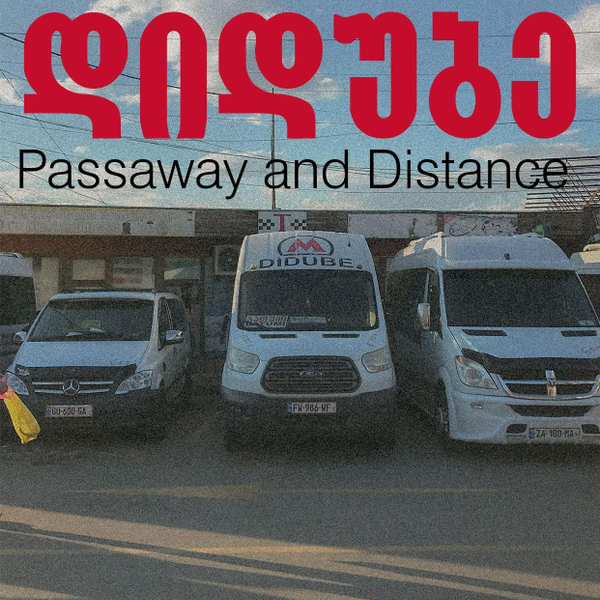
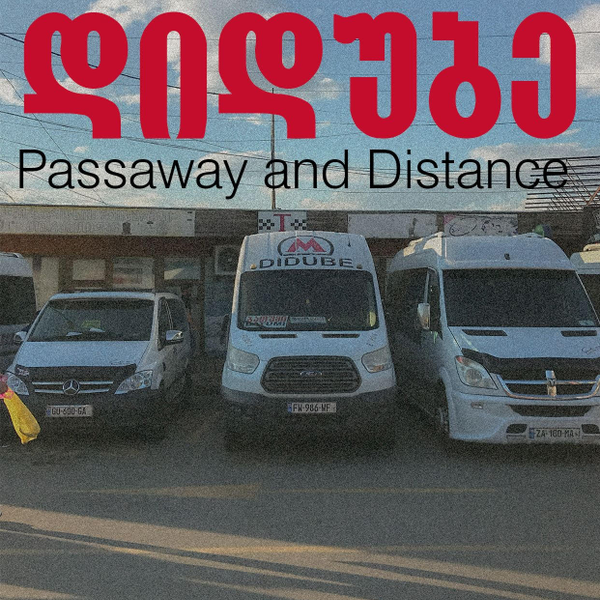
Didube Metro

Didube - an inevitability not a grand finale. An auditory mosaic made from screeching rails, pings of ticket stops, GORI GORI! KAZBEGI KAZBEGI!, chattering vendors and the moving of a myriad of products within the bazaar, all of which are unified by the unceasing movement of travelers on their ways to places unknown. Didube is a cornucopia of sound for you to explore. As you pass through you will encounter three distinct spaces which might have blended together under any circumstances outside of a sound walk. Pay attention to changes in what you see, smell, and feel

დიდუბე - გარდაუვალობა, არა გრანდიოზული დასასრული. სმენითი მოზაიკა, რომელიც მოიცავს ხმაურიან ლიანდაგების, ბილეთების შეძენის ხმებს, გორი გორი ყაზბეგი ყაზბეგი!, მოლაპარაკე გამყიდველებს და უთვალავი გასაყიდი პროდუქტის გადაადგილებას ბაზარში, ეს ყველაფერი გაერთიანებულია მოგზაურების უწყვეტი მოძრაობით უცნობი ადგილებისაკენ. დიდუბე არის ერთგვარი ხმების სიუხვის რქა, რომელიც თქვენ უნდა შეისწავლოთ. თქვენ შეხვდებით სამ მკვეთრად განსხვავებულ სივრცეს, რომლებიც შესაძლოა გაერთიანდა სხვადასხვა გარემოების გათვალისწინებით, რომლებიც არ უავშირდება ხმებს. ყურადღება მიაქციეთ იმ ცვლილებებს, რომლებსაც ხედავთ, ყნოსავთ და გრძნობთ.

1 sound

Four Crossings - Part 2: Bridge of Peace

Four Crossings: Resurfacing the Mtkvari River

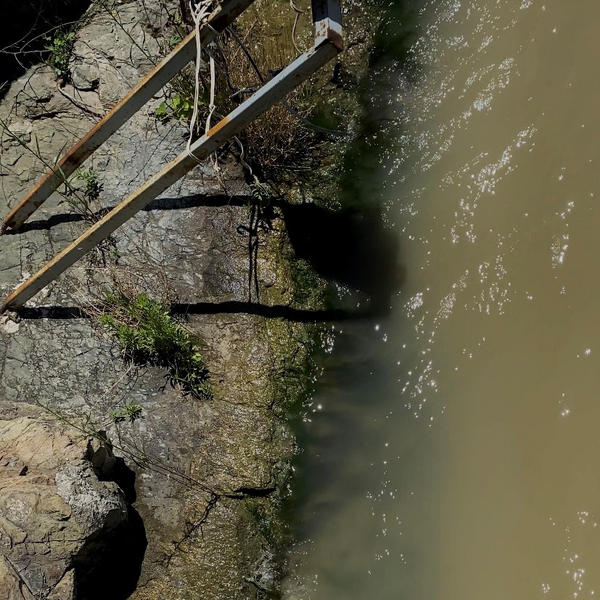
At the beginning of the 19th century, the right and left banks of Tbilisi were connected by only one, Metekhi bridge. As Tbilisi experienced rapid growth and urbanization, many new bridges were required to connect the two separate banks of the city. These bridges can be viewed as parts of the same thread that stitched Tbilisi together, but in doing so, the presence of the river slowly became detached from the city. This project, then, aims to remind people about and reconnect them with the river and the various social arrangements that it facilitates.

მე-19 საუკუნის დასაწყისში თბილისის მარჯვენა და მარცხენა სანაპიროები მხოლოდ ერთი, მეტეხის ხიდით იყო დაკავშირებული. მას შემდეგ, რაც თბილისმა სწრაფი ზრდა და ურბანული განვითარება განიცადა, უფრო მეტი ახალი ხიდი გახდა საჭირო ორი განცალკევებული სანაპიროს დასაკავშირებლად. ეს ხიდები შეგვიძლია აღვიქვათ, როგორც იმ ერთი ჯაჭვის ნაწილები, რომელმაც შეაკავშრა თბილისი, მაგრამ, ამის შედეგად, მდინარის აღქმა ნელ-ნელა მოსწყდა ქალაქს. შესაბამისად , ეს პროექტი მიზნად ისახავს, შეახსენოს ადამიანებს მდინარის არსებობა და ხელახლა დააკავშიროს ისინი მათან და იმ მრავალფეროვან სოციალურ მოწყობასთან, რომელსაც ის წარმოქმნის.

1 sound

Four Crossings - Part 3: Baratashvili Bridge

Four Crossings: Resurfacing the Mtkvari River

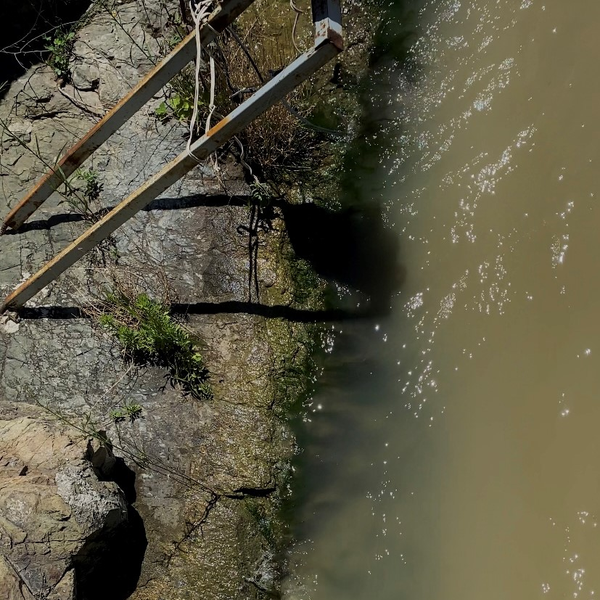
At the beginning of the 19th century, the right and left banks of Tbilisi were connected by only one, Metekhi bridge. As Tbilisi experienced rapid growth and urbanization, many new bridges were required to connect the two separate banks of the city. These bridges can be viewed as parts of the same thread that stitched Tbilisi together, but in doing so, the presence of the river slowly became detached from the city. This project, then, aims to remind people about and reconnect them with the river and the various social arrangements that it facilitates.

მე-19 საუკუნის დასაწყისში თბილისის მარჯვენა და მარცხენა სანაპიროები მხოლოდ ერთი, მეტეხის ხიდით იყო დაკავშირებული. მას შემდეგ, რაც თბილისმა სწრაფი ზრდა და ურბანული განვითარება განიცადა, უფრო მეტი ახალი ხიდი გახდა საჭირო ორი განცალკევებული სანაპიროს დასაკავშირებლად. ეს ხიდები შეგვიძლია აღვიქვათ, როგორც იმ ერთი ჯაჭვის ნაწილები, რომელმაც შეაკავშრა თბილისი, მაგრამ, ამის შედეგად, მდინარის აღქმა ნელ-ნელა მოსწყდა ქალაქს. შესაბამისად , ეს პროექტი მიზნად ისახავს, შეახსენოს ადამიანებს მდინარის არსებობა და ხელახლა დააკავშიროს ისინი მათან და იმ მრავალფეროვან სოციალურ მოწყობასთან, რომელსაც ის წარმოქმნის.

1 sound

Four Crossings - Part 4: Dry Bridge

Four Crossings: Resurfacing the Mtkvari River

At the beginning of the 19th century, the right and left banks of Tbilisi were connected by only one, Metekhi bridge. As Tbilisi experienced rapid growth and urbanization, many new bridges were required to connect the two separate banks of the city. These bridges can be viewed as parts of the same thread that stitched Tbilisi together, but in doing so, the presence of the river slowly became detached from the city. This project, then, aims to remind people about and reconnect them with the river and the various social arrangements that it facilitates.

მე-19 საუკუნის დასაწყისში თბილისის მარჯვენა და მარცხენა სანაპიროები მხოლოდ ერთი, მეტეხის ხიდით იყო დაკავშირებული. მას შემდეგ, რაც თბილისმა სწრაფი ზრდა და ურბანული განვითარება განიცადა, უფრო მეტი ახალი ხიდი გახდა საჭირო ორი განცალკევებული სანაპიროს დასაკავშირებლად. ეს ხიდები შეგვიძლია აღვიქვათ, როგორც იმ ერთი ჯაჭვის ნაწილები, რომელმაც შეაკავშრა თბილისი, მაგრამ, ამის შედეგად, მდინარის აღქმა ნელ-ნელა მოსწყდა ქალაქს. შესაბამისად , ეს პროექტი მიზნად ისახავს, შეახსენოს ადამიანებს მდინარის არსებობა და ხელახლა დააკავშიროს ისინი მათან და იმ მრავალფეროვან სოციალურ მოწყობასთან, რომელსაც ის წარმოქმნის.

1 sound

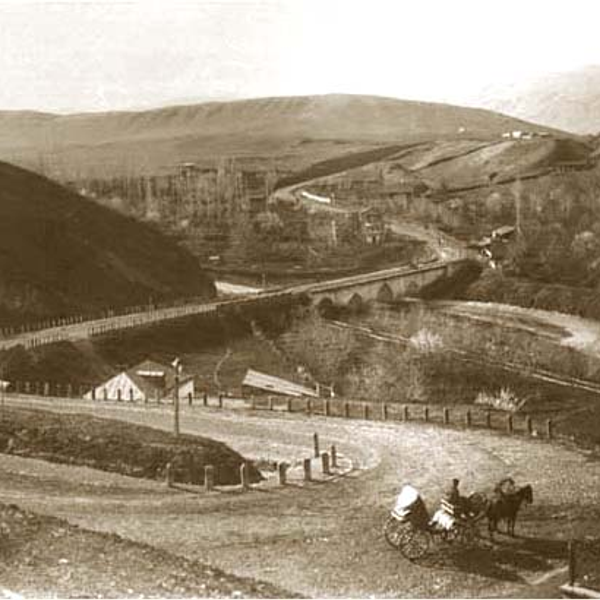
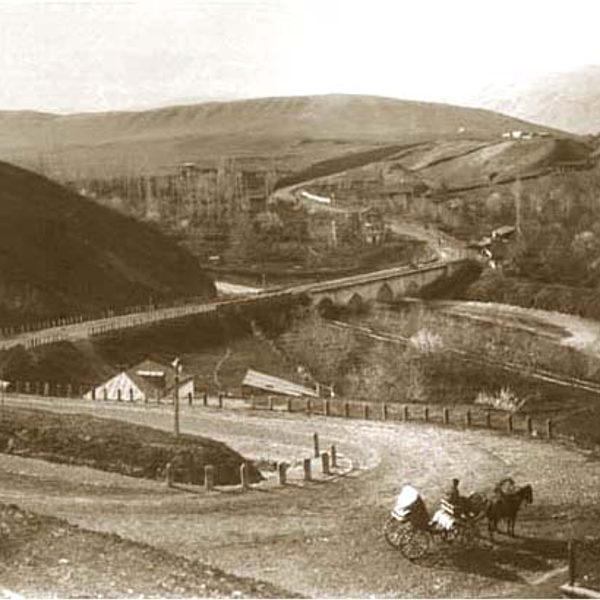
Ai, ma-da-to-vi : Dry Bridge

„აი, მა-და-თო-ვი“ ახლა უკვე გამქარალი კუნძული მადათოვის აუდიო გამოცდილებაა. ის მშრალი ხიდიდან იწყება, კვეთს დედაენის პარკს და იუსტიციის სახლთან სრულდება. ისტორიულ მოვლენებზე ზედდებული ერთმანეთში არეული ენობრივი ელემენტები ცვალებადი ინტონაციით, ტონალობითა და მიმართებებით ამ ადგილის კულტურულ და სოციალურ ფრაგმენტაციაზე გვესაუბრება. ფონური ხმაურის, ადგილისთვის დამახასიათებელი კონკრეტული ხმების, ქართული და უცხო ენების, ისტორიული ჩანაწერების თუ რითმული ციტირების ცალკეულ ხმოვან ფენებად დაყოფა ერთობლიობაში მადათოვ ის დროში არეულ აუდიო გამოცდილებას ქმნის. “Here, Island” is a sonic experience of a now vanished island called Madatovi. It starts from the Dry Bridge, crossing into Dedaena Park, and winds towards the Public Service Hall. Superimposed with historical events, fragmented elements of language and speech with varying intonation, tempo, and social factors tell us about the cultural and social fragmentation of the place. Layered background noises, location-specific sounds, Georgian speech as well as foreign languages, historic recordings and rhythmic citing join together to create a unique sonic experience of the Island of Madatovi.

1 sound

“გაჩერება” “Stop” - Borjomi Station - Clothes

Previously used as a train stop, the “Borjomi Station” now contains three different spaces: A space for selling clothes, a space to buy food, and bridges in between, connecting the two areas. The Bazaar is now designed away, hidden from the eye, enclosed in metal sheets. Although the two main sections are visually identical, the sound in these spaces are diverse.

Customers walk directly towards their desired vendors for food, while in the meantime, meters away you hear clients browsing through the clothes, hangers clicking - and then you stumble across sudden silences in the middle.

Project “Gachereba (Stop)” aims to convey the sonic experience of the “Borjomi Station” to the listeners. It also speaks about the different forms of continuity and embraces both silence - and chaos.

Now Gacherdi (Stop) - and listen…

უწინ მატარებლის გაჩერება - დღეს კი “ბორჯომის ვაგზალი” - სამი სივრცისგან, ტანსაცმლის ბაზრობის, აგრონომიული ბაზრისა და ამ ორი კონსტრუქციის შემაერთებელი, შუაში გადებული ხიდებისგან შედგება. სახე იცვალა, როგორც არქიტექტურულად, ასევე ფუნქციურად. მეტალში გახვეული გაჩერება ახლა შედარებით დაფარულია თვალისგან. მიუხედავად იმისა, რომ ორი მთავარი მონაკვეთი ვიზუალურად ერთმანეთის იდენტურია, ბგერები ამ სივრცეებში განსხვავდება.

მუშტარი გეზს სასურველი გამყიდველისკენ იღებს, ამავე დროს კი, ათიოდე მეტრის დაშორებით ისმის სწორხაზოვანი ნაბიჯების ხმა, მომხმარებლები თვალს ავლებენ ტანსაცმელს, საკიდები ერთმანეთს ეჯახებიან - შუაში გამოსული კი მოულოდნელ სიჩუმეს აწყდები.

პროექტი “გაჩერების” მიზანია მსმენელს გაუზიაროს აუდიო/აკუსტიკური გამოცდილება “ბორჯომის ვაგზალზე”. იგი ასევე საუბრობს განგრძობადობის განსხვავებულ სახეებზე და ხაზს უსვამს - როგორც სიჩუმის, ასევე ქაოსის ნიშნადობას.

ახლა კი გაჩერდი - და უსმინე…

1 sound

“გაჩერება” “Stop” - Borjomi Station - Agronomy

Previously used as a train stop, the “Borjomi Station” now contains three different spaces: A space for selling clothes, a space to buy food, and bridges in between, connecting the two areas. The Bazaar is now designed away, hidden from the eye, enclosed in metal sheets. Although the two main sections are visually identical, the sound in these spaces are diverse.

Customers walk directly towards their desired vendors for food, while in the meantime, meters away you hear clients browsing through the clothes, hangers clicking - and then you stumble across sudden silences in the middle.

Project “Gachereba (Stop)” aims to convey the sonic experience of the “Borjomi Station” to the listeners. It also speaks about the different forms of continuity and embraces both silence - and chaos.

Now Gacherdi (Stop) - and listen…

უწინ მატარებლის გაჩერება - დღეს კი “ბორჯომის ვაგზალი” - სამი სივრცისგან, ტანსაცმლის ბაზრობის, აგრონომიული ბაზრისა და ამ ორი კონსტრუქციის შემაერთებელი, შუაში გადებული ხიდებისგან შედგება. სახე იცვალა, როგორც არქიტექტურულად, ასევე ფუნქციურად. მეტალში გახვეული გაჩერება ახლა შედარებით დაფარულია თვალისგან. მიუხედავად იმისა, რომ ორი მთავარი მონაკვეთი ვიზუალურად ერთმანეთის იდენტურია, ბგერები ამ სივრცეებში განსხვავდება.

მუშტარი გეზს სასურველი გამყიდველისკენ იღებს, ამავე დროს კი, ათიოდე მეტრის დაშორებით ისმის სწორხაზოვანი ნაბიჯების ხმა, მომხმარებლები თვალს ავლებენ ტანსაცმელს, საკიდები ერთმანეთს ეჯახებიან - შუაში გამოსული კი მოულოდნელ სიჩუმეს აწყდები.

პროექტი “გაჩერების” მიზანია მსმენელს გაუზიაროს აუდიო/აკუსტიკური გამოცდილება “ბორჯომის ვაგზალზე”. იგი ასევე საუბრობს განგრძობადობის განსხვავებულ სახეებზე და ხაზს უსვამს - როგორც სიჩუმის, ასევე ქაოსის ნიშნადობას.

ახლა კი გაჩერდი - და უსმინე…

1 sound

“გაჩერება” “Stop” - Borjomi Station - Bridges

Previously used as a train stop, the “Borjomi Station” now contains three different spaces: A space for selling clothes, a space to buy food, and bridges in between, connecting the two areas. The Bazaar is now designed away, hidden from the eye, enclosed in metal sheets. Although the two main sections are visually identical, the sound in these spaces are diverse.

Customers walk directly towards their desired vendors for food, while in the meantime, meters away you hear clients browsing through the clothes, hangers clicking - and then you stumble across sudden silences in the middle.

Project “Gachereba (Stop)” aims to convey the sonic experience of the “Borjomi Station” to the listeners. It also speaks about the different forms of continuity and embraces both silence - and chaos.

Now Gacherdi (Stop) - and listen…

უწინ მატარებლის გაჩერება - დღეს კი “ბორჯომის ვაგზალი” - სამი სივრცისგან, ტანსაცმლის ბაზრობის, აგრონომიული ბაზრისა და ამ ორი კონსტრუქციის შემაერთებელი, შუაში გადებული ხიდებისგან შედგება. სახე იცვალა, როგორც არქიტექტურულად, ასევე ფუნქციურად. მეტალში გახვეული გაჩერება ახლა შედარებით დაფარულია თვალისგან. მიუხედავად იმისა, რომ ორი მთავარი მონაკვეთი ვიზუალურად ერთმანეთის იდენტურია, ბგერები ამ სივრცეებში განსხვავდება.

მუშტარი გეზს სასურველი გამყიდველისკენ იღებს, ამავე დროს კი, ათიოდე მეტრის დაშორებით ისმის სწორხაზოვანი ნაბიჯების ხმა, მომხმარებლები თვალს ავლებენ ტანსაცმელს, საკიდები ერთმანეთს ეჯახებიან - შუაში გამოსული კი მოულოდნელ სიჩუმეს აწყდები.

პროექტი “გაჩერების” მიზანია მსმენელს გაუზიაროს აუდიო/აკუსტიკური გამოცდილება “ბორჯომის ვაგზალზე”. იგი ასევე საუბრობს განგრძობადობის განსხვავებულ სახეებზე და ხაზს უსვამს - როგორც სიჩუმის, ასევე ქაოსის ნიშნადობას.

ახლა კი გაჩერდი - და უსმინე…

1 sound

Didube Bazaar

Didube - an inevitability not a grand finale. An auditory mosaic made from screeching rails, pings of ticket stops, GORI GORI! KAZBEGI KAZBEGI!, chattering vendors and the moving of a myriad of products within the bazaar, all of which are unified by the unceasing movement of travelers on their ways to places unknown. Didube is a cornucopia of sound for you to explore. As you pass through you will encounter three distinct spaces which might have blended together under any circumstances outside of a sound walk. Pay attention to changes in what you see, smell, and feel

დიდუბე - გარდაუვალობა, არა გრანდიოზული დასასრული. სმენითი მოზაიკა, რომელიც მოიცავს ხმაურიან ლიანდაგების, ბილეთების შეძენის ხმებს, გორი გორი ყაზბეგი ყაზბეგი!, მოლაპარაკე გამყიდველებს და უთვალავი გასაყიდი პროდუქტის გადაადგილებას ბაზარში, ეს ყველაფერი გაერთიანებულია მოგზაურების უწყვეტი მოძრაობით უცნობი ადგილებისაკენ. დიდუბე არის ერთგვარი ხმების სიუხვის რქა, რომელიც თქვენ უნდა შეისწავლოთ. თქვენ შეხვდებით სამ მკვეთრად განსხვავებულ სივრცეს, რომლებიც შესაძლოა გაერთიანდა სხვადასხვა გარემოების გათვალისწინებით, რომლებიც არ უავშირდება ხმებს. ყურადღება მიაქციეთ იმ ცვლილებებს, რომლებსაც ხედავთ, ყნოსავთ და გრძნობთ.

1 sound

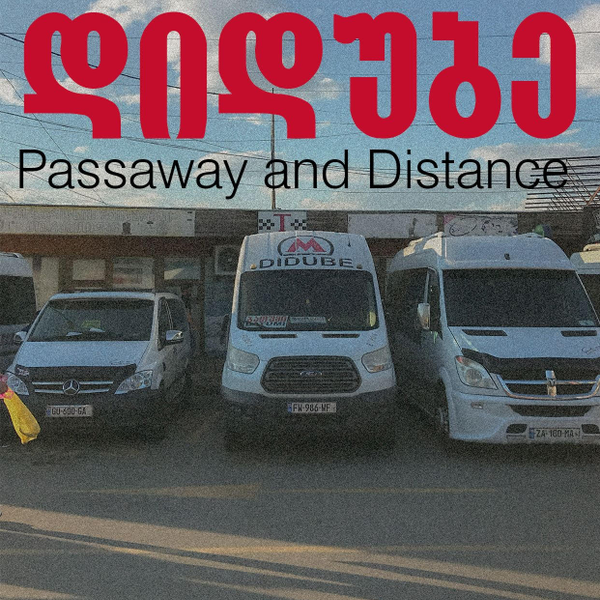
Didube Marshutkas

Didube - an inevitability not a grand finale. An auditory mosaic made from screeching rails, pings of ticket stops, GORI GORI! KAZBEGI KAZBEGI!, chattering vendors and the moving of a myriad of products within the bazaar, all of which are unified by the unceasing movement of travelers on their ways to places unknown. Didube is a cornucopia of sound for you to explore. As you pass through you will encounter three distinct spaces which might have blended together under any circumstances outside of a sound walk. Pay attention to changes in what you see, smell, and feel. დიდუბე - გარდაუვალობა, არა გრანდიოზული დასასრული. სმენითი მოზაიკა, რომელიც მოიცავს ხმაურიან ლიანდაგების, ბილეთების შეძენის ხმებს, გორი გორი ყაზბეგი ყაზბეგი!, მოლაპარაკე გამყიდველებს და უთვალავი გასაყიდი პროდუქტის გადაადგილებას ბაზარში, ეს ყველაფერი გაერთიანებულია მოგზაურების უწყვეტი მოძრაობით უცნობი ადგილებისაკენ. დიდუბე არის ერთგვარი ხმების სიუხვის რქა, რომელიც თქვენ უნდა შეისწავლოთ. თქვენ შეხვდებით სამ მკვეთრად განსხვავებულ სივრცეს, რომლებიც შესაძლოა გაერთიანდა სხვადასხვა გარემოების გათვალისწინებით, რომლებიც არ უავშირდება ხმებს. ყურადღება მიაქციეთ იმ ცვლილებებს, რომლებსაც ხედავთ, ყნოსავთ და გრძნობთ.

1 sound

DOWNLOAD OUR APP TO DISCOVER THIS TOUR AND MANY OTHERS.

play-storeapp-store

Or start creating tours, treasure hunts, POI maps... Just let your imagination guide you.


Other walks nearby

We Are Not Ghosts

We Are Not Ghosts

Αμμόχωστος
While the Varosha area is increasingly open to visitors, this work focuses on the human impact of Famagusta / Varosha history and aims at creating empathetic understandings for both locals and visitors. The poet explores place memory and refers to the interrupted life trajectory in Varosha, a place marked by forced displacement. By tapping into the collective memories of several public spaces, such as the Glossa Beach, the Municipal Garden, the Municipal Agora, the Greek Gymnasium and others, Akdeniz aims to identify the familiar and foster a deeper understanding of the refugee experience and the complex realities of the Cyprus conflict. These geo-triggered poems are accessed through the application ‘Sound Walking’ on location and on-line with printed QR codes at specific locations in Famagusta. The title, We Are Not Ghosts, echoes a common phrase used by Varosha refugees. It serves as a counter-response to labelling the city a “ghost town”. Instead, it reclaims the collective memory of its former inhabitants, and the possible future of the city. With these poems, Akdeniz, skilfully navigates the memory of this historical place and merges it with the present experience of the city as a post-war site. This work is produced from Akdeniz’s belief in poetry, aiming to enhance the human experience by involving all the senses and making both tangible and intangible aspects of human existence visible. The sound walk is a collaborative work of the poet Nafia Akdeniz, curator Alessandro Vincentelli, cultural director Argyro Toumazou, sound designer Inal Bilsel, visual designer Andriana Lagoudes, and application developer Jason Murray Winn. The project is produced by D6:EU, a visual arts organisation based in Cyprus, developing new opportunities for artists and cultural collaborations in Cyprus, Europe and the Middle East. Supporters: the Famagusta City Museum, Famagusta Avenue Garage, Famagusta local community, Paralimni – Deryneia Municipality, and Jason Murray Winn – Narrative Infrastructure. The project is a collaboration between the poet Nafia Akdeniz and D6:EU and funded as part of the Art for Social Action small grants programme.
free
Biz Hayalet Değiliz

Biz Hayalet Değiliz

Αμμόχωστος
On ECHOES Kapalı Maraş giderek daha fazla ziyaretçiye açılırken, bu çalışma, Mağusa / Maraş tarihinin insan üzerindeki etkisini odak noktası yaparak hem yerel halk hem de ziyaretçiler için empatik anlayışlar yaratmayı amaçlamaktadır. Şair, mekân hafızasını irdeler ve zorunlu göçün izlerini taşıyan Maraş’ta kesintiye uğramış yaşam yolculuğuna atıfta bulunur. Glossa Plajı, Belediye Bahçesi, Belediye Agora’sı, Yunan Okulu ve diğerleri gibi çeşitli kamusal alanların kolektif hafızalarına dokunarak, Akdeniz tanıdık olanı ortaya çıkarmayı, zorunlu göç deneyimini ve Kıbrıs çatışmasının karmaşık gerçekliklerini daha derin bir şekilde anlamayı amaçlar. Mekânla tetiklenip çalmaya başlayacak bu şiirler, Mağusa’da belirli yerlerde basılı QR kodları ile yerinde ve çevrimiçi olarak ‘Sound Walking’ / ‘Ses Yürüyüşü’ uygulaması aracılığıyla erişilebilir. “Biz Hayalet Değiliz” ifadesi, Maraş göçmenleri tarafından sıkça kullanılan bir itirazı yansıtır. Şehri “hayalet şehir” olarak etiketlemeye bir karşı yanıt olan bu başlık, eski sakinlerinin kolektif hafızasını ve şehrin olası geleceğindeki söz hakkını sahiplenir. Bu şiirlerle, Akdeniz, bu tarihi yerin hafızasında titizlikle gezinir ve onu şehrin savaş sonrası bir alan olarak mevcut deneyimiyle birleştirir. Bu eser, Akdeniz’in şiirin iletişim gücüne inancından üretilmiştir ve insan varoluşunun hem somut hem de soyut yönlerini görünür kılarak tüm duyuları dahil etmeyi amaçlar. Ses yürüyüşü, şair Nafia Akdeniz, küratör Alessandro Vincentelli, kültürel yönetmen Argyro Toumazou, ses tasarımcısı Inal Bilsel, görsel tasarımcı Andriana Lagoudes ve uygulama geliştiricisi Jason Murray Winn’in işbirliğiyle hazırlanmıştır. Proje, Kıbrıs’ta bulunan, Kıbrıs, Avrupa ve Orta Doğu’daki sanatçılar ve kültürel işbirlikleri için yeni fırsatlar geliştiren görsel sanatlar organizasyonu D6:EU tarafından üretilmiştir. Destekçileri: Mağusa Kent Müzesi, Mağusa Caddesi Garajı, Mağusa Belediyesi, Paralimni - Deryneia Belediyesi ve Jason Murray Winn - Narrative Infrastructure. Proje, şair Nafia Akdeniz ve D6:EU arasındaki bir işbirliği olup, Sanat için Sosyal Eylem küçük hibe programı kapsamında finanse edilmiştir.
free

Are you a creator?

START HERE

Privacy & cookie policy / Terms and conditions

© ECHOES. All rights reserved / ECHOES.XYZ Limited is a company registered in England and Wales, Registered office at Merston Common Cottage, Merston, Chichester, West Sussex, PO20 1BE

v2.5.15 © ECHOES. All rights reserved.