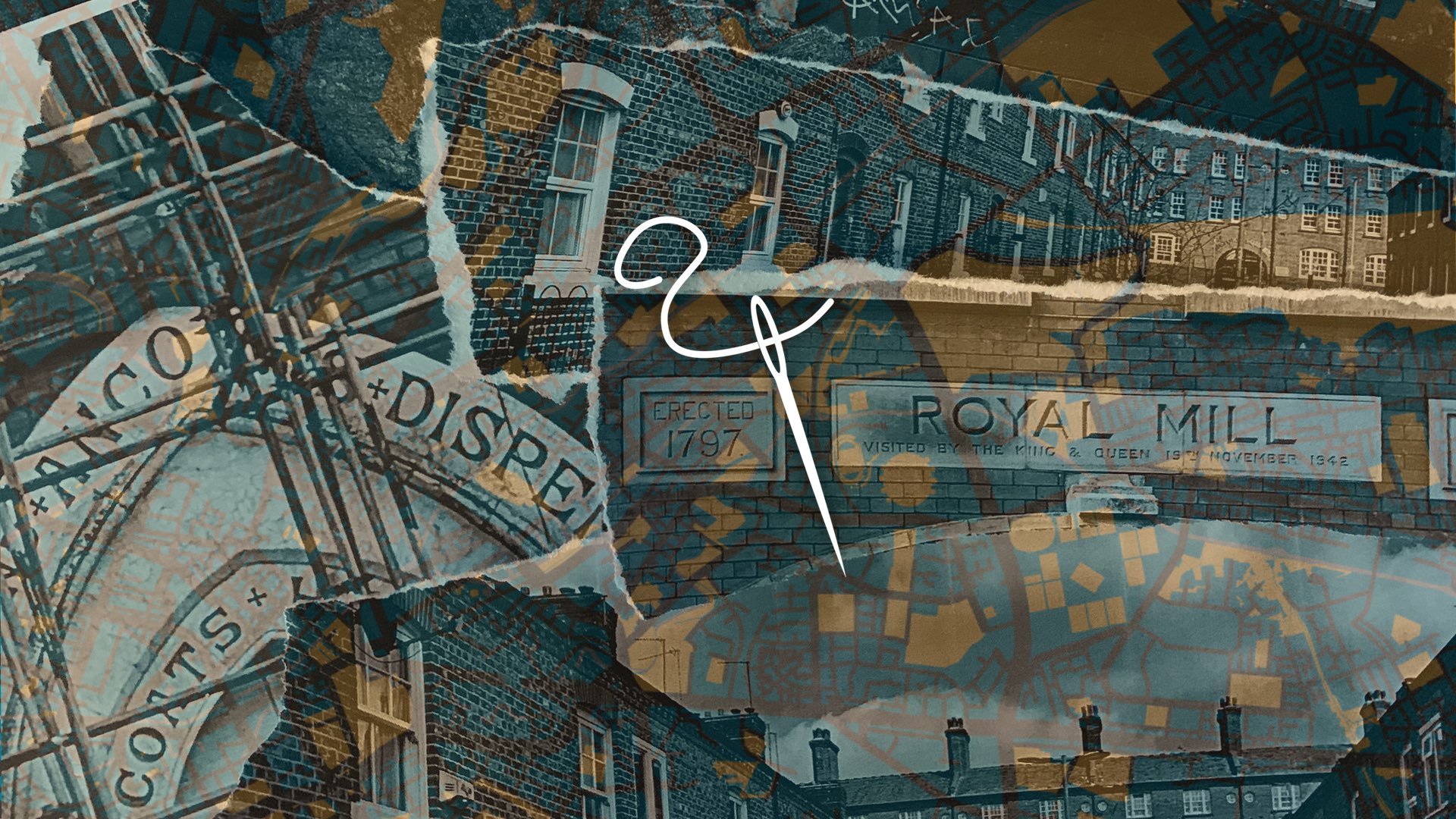
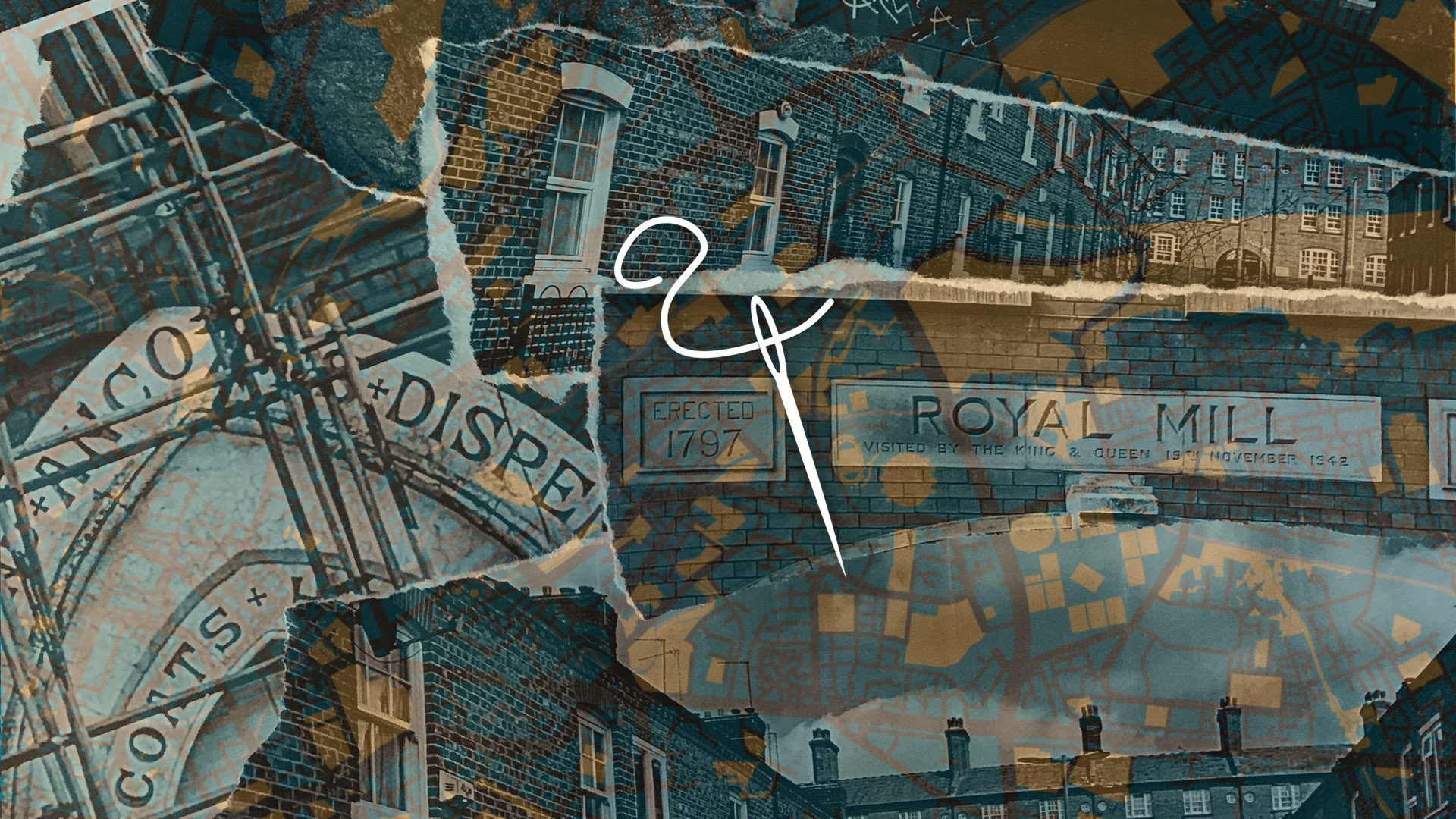
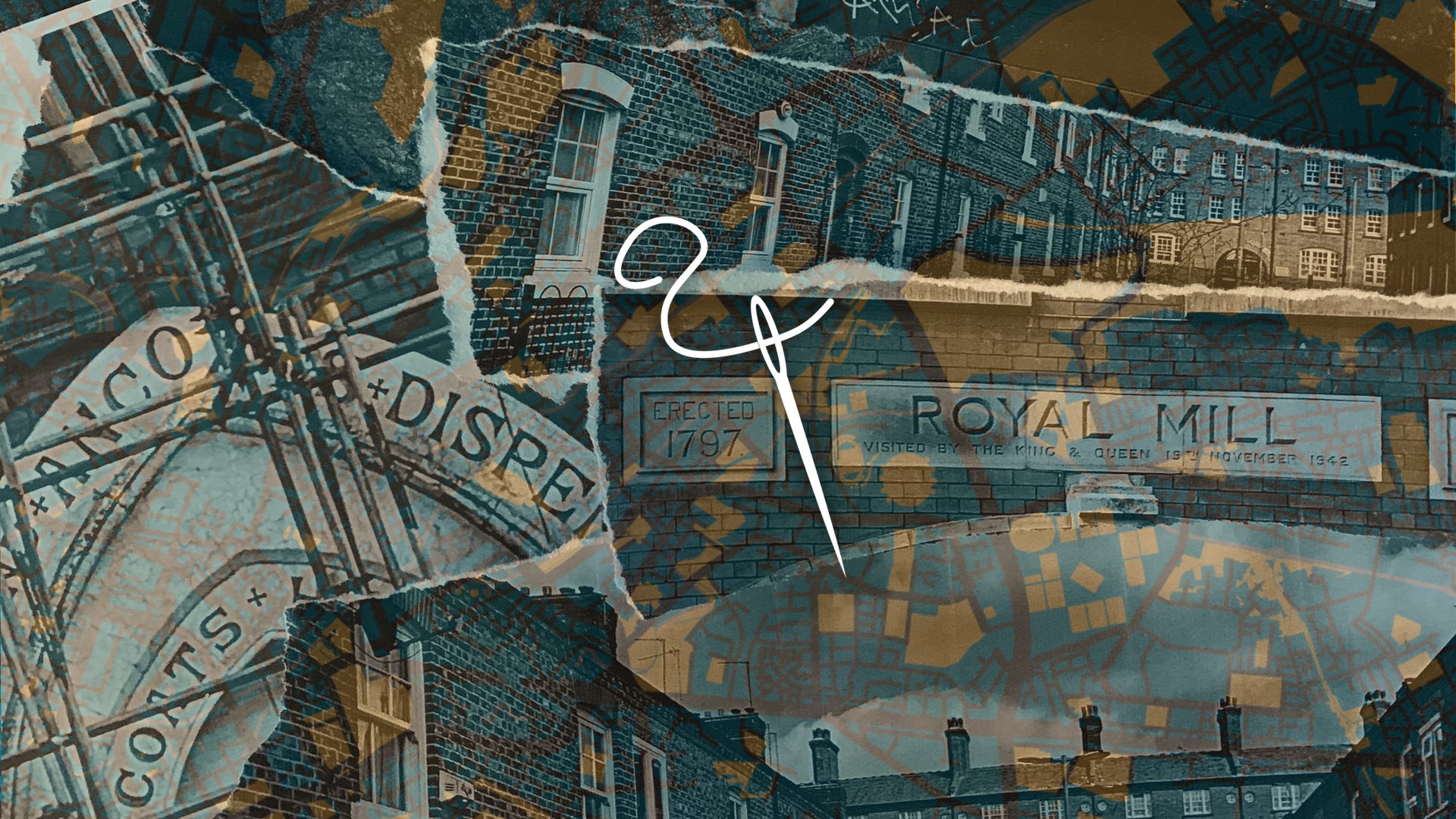
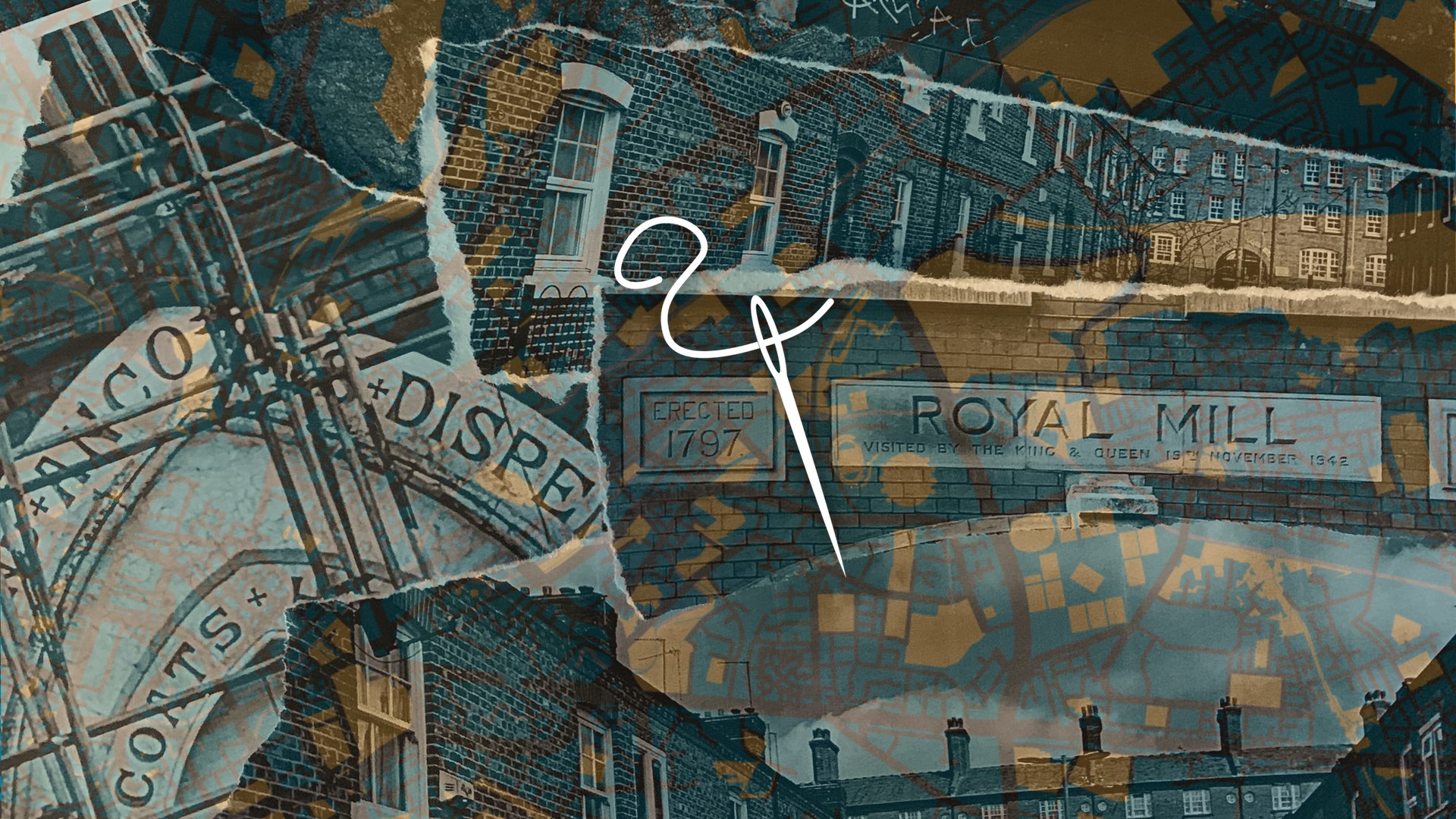
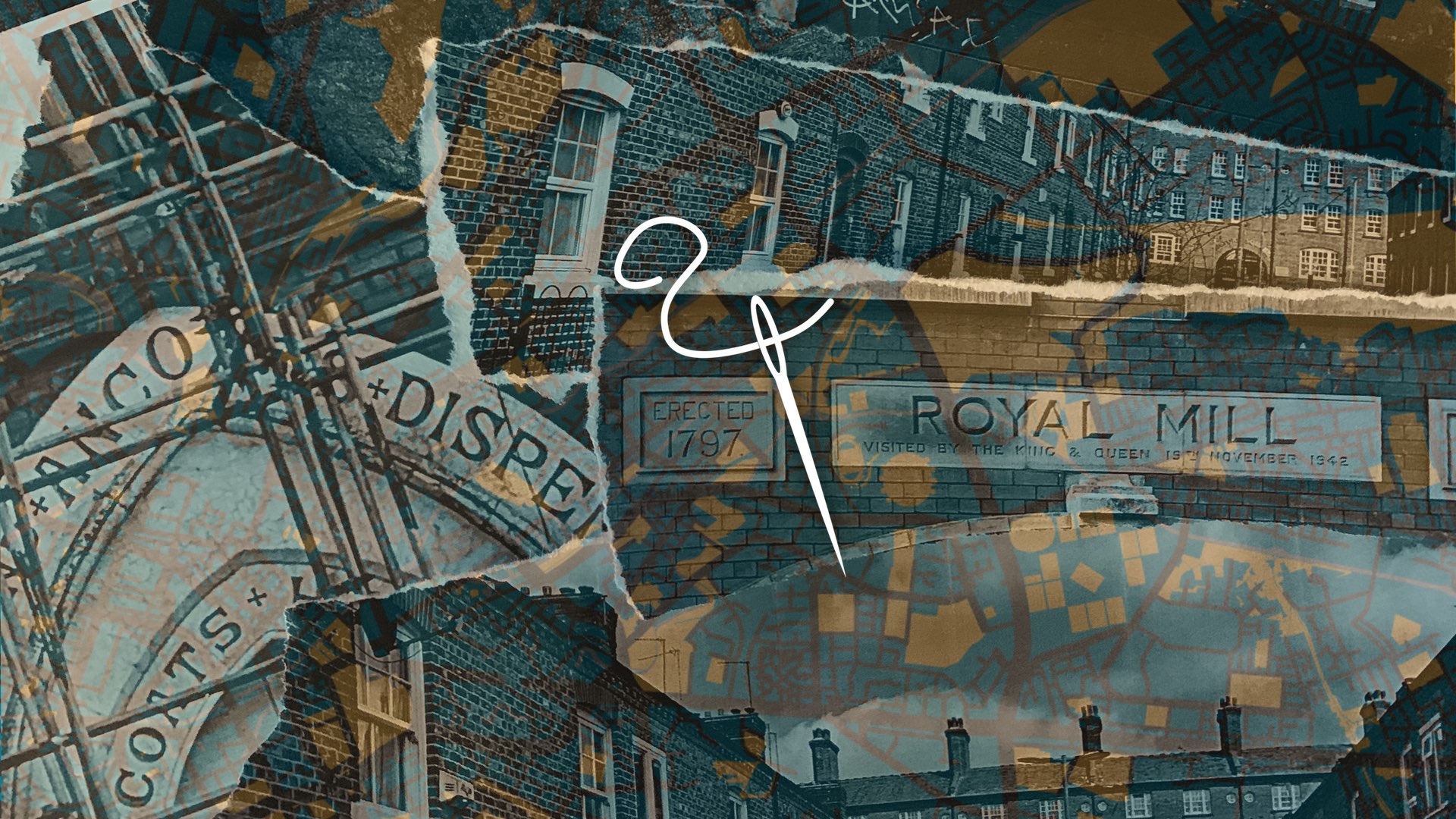
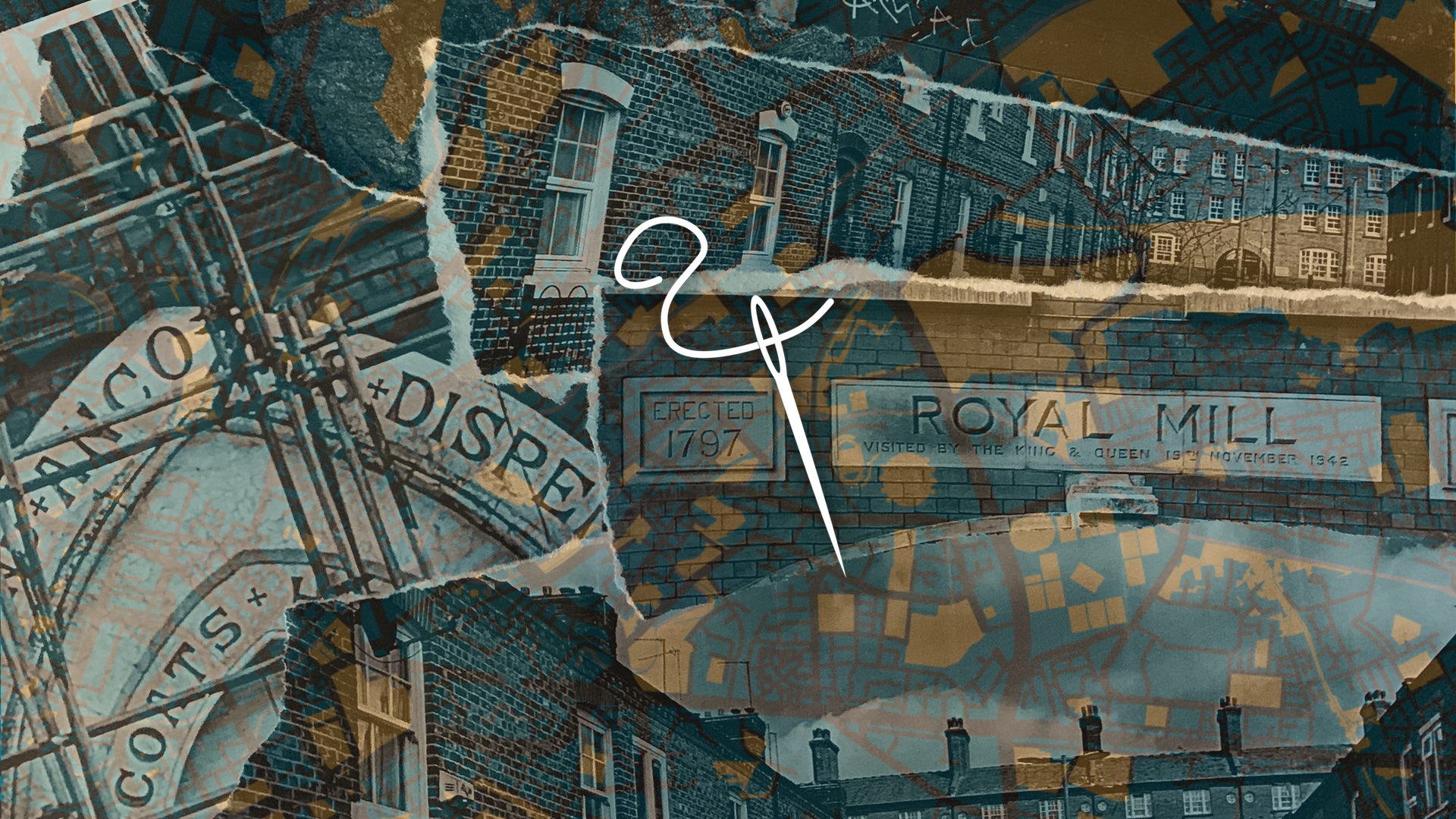
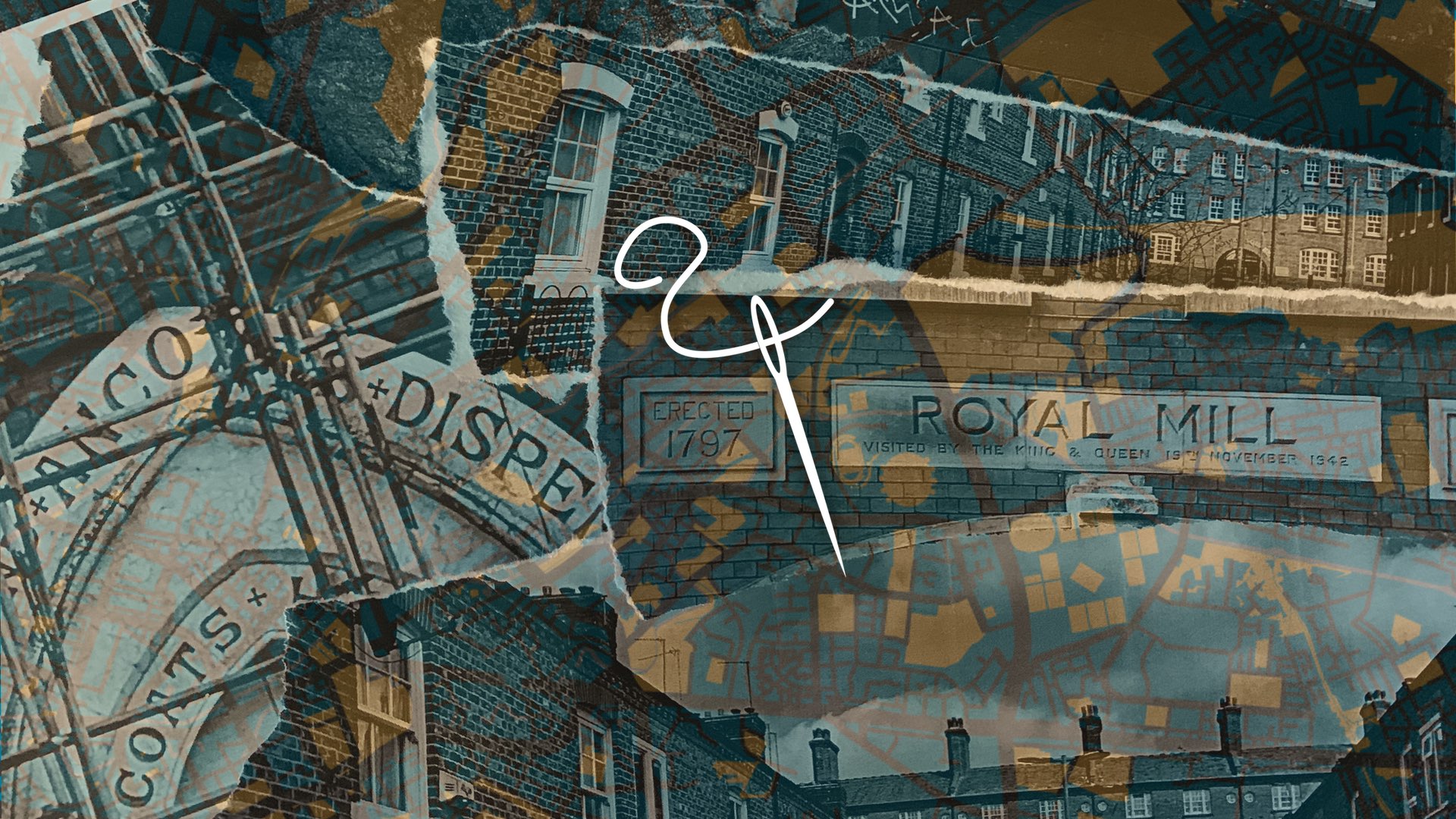
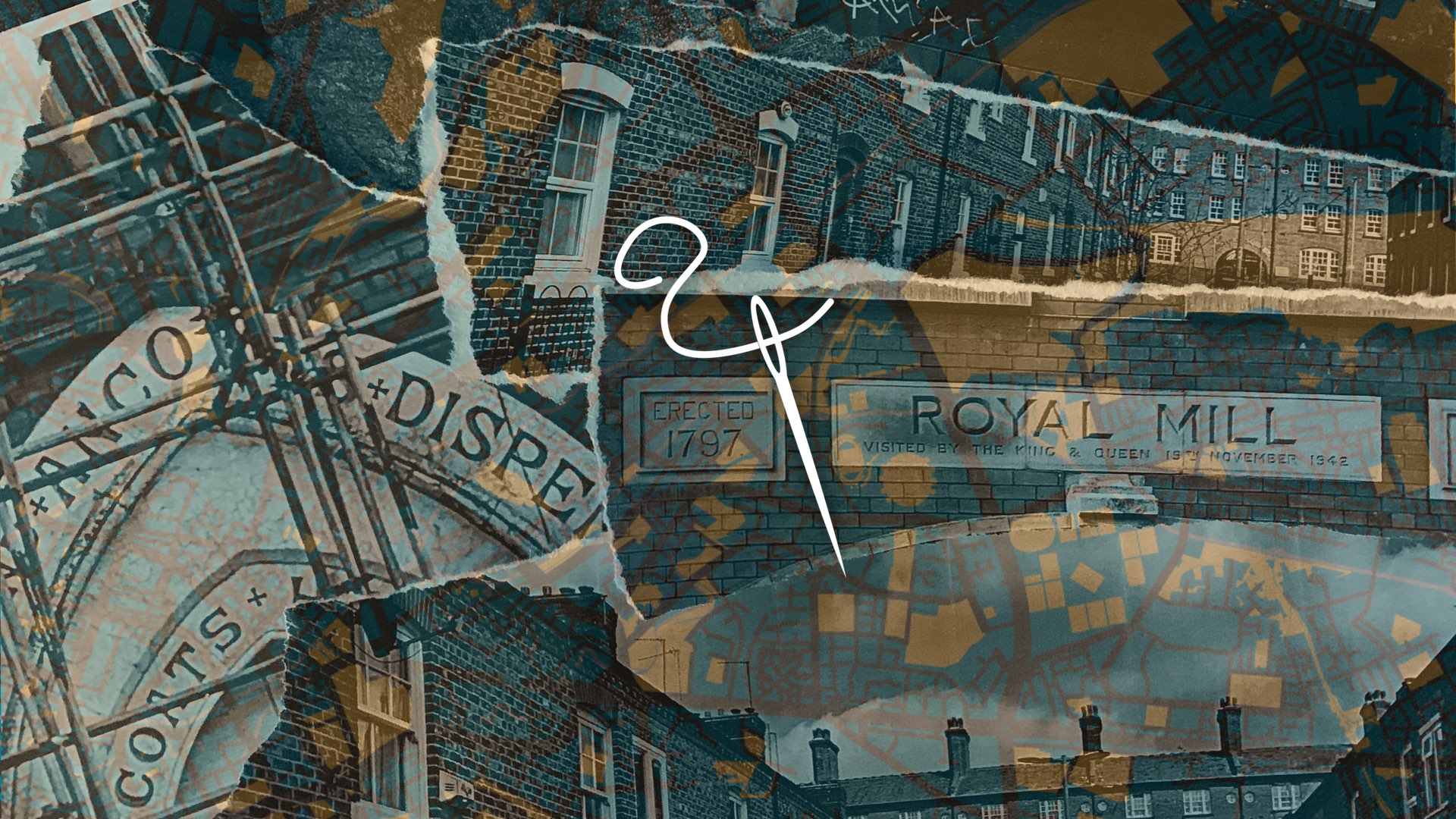
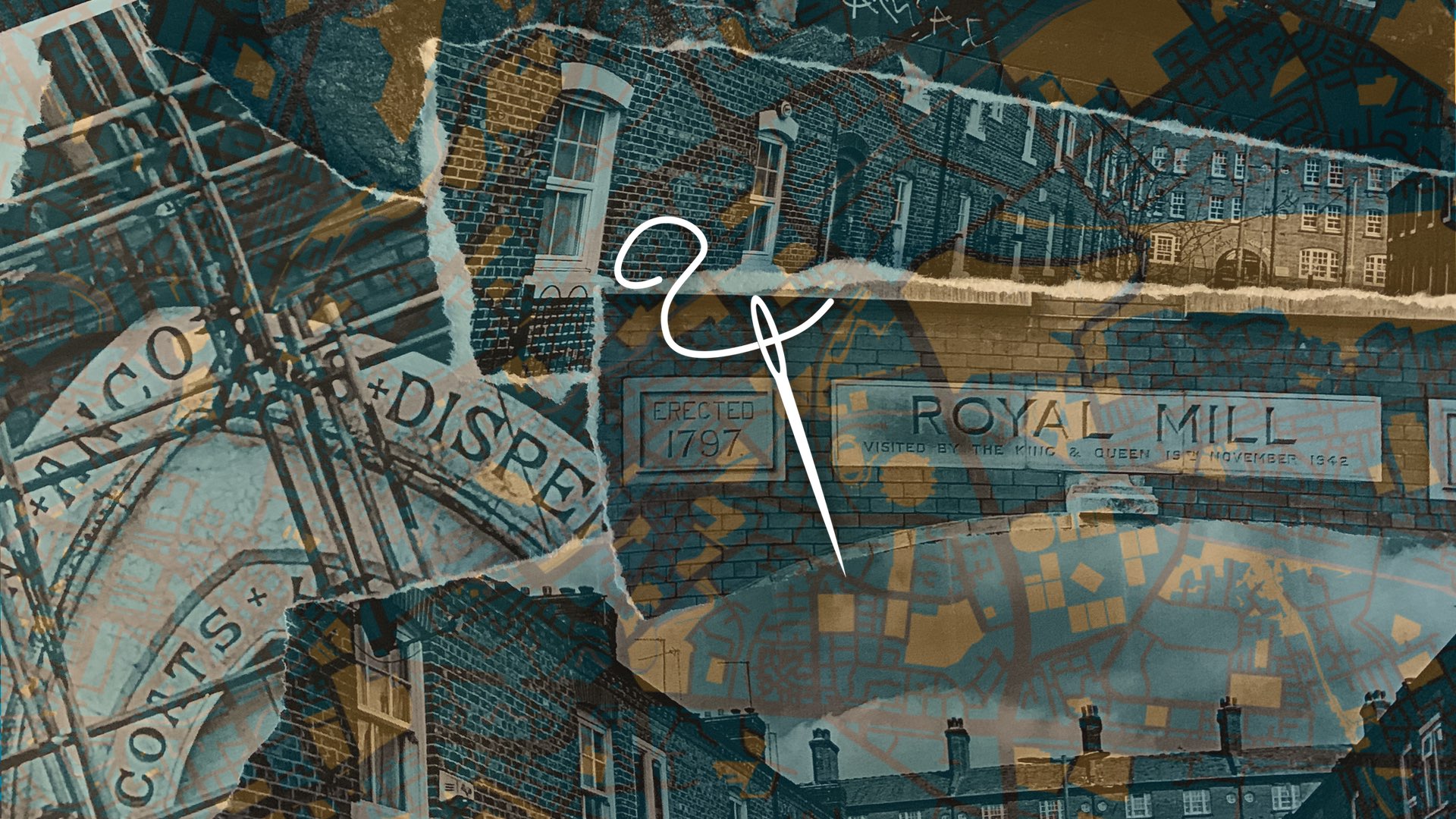
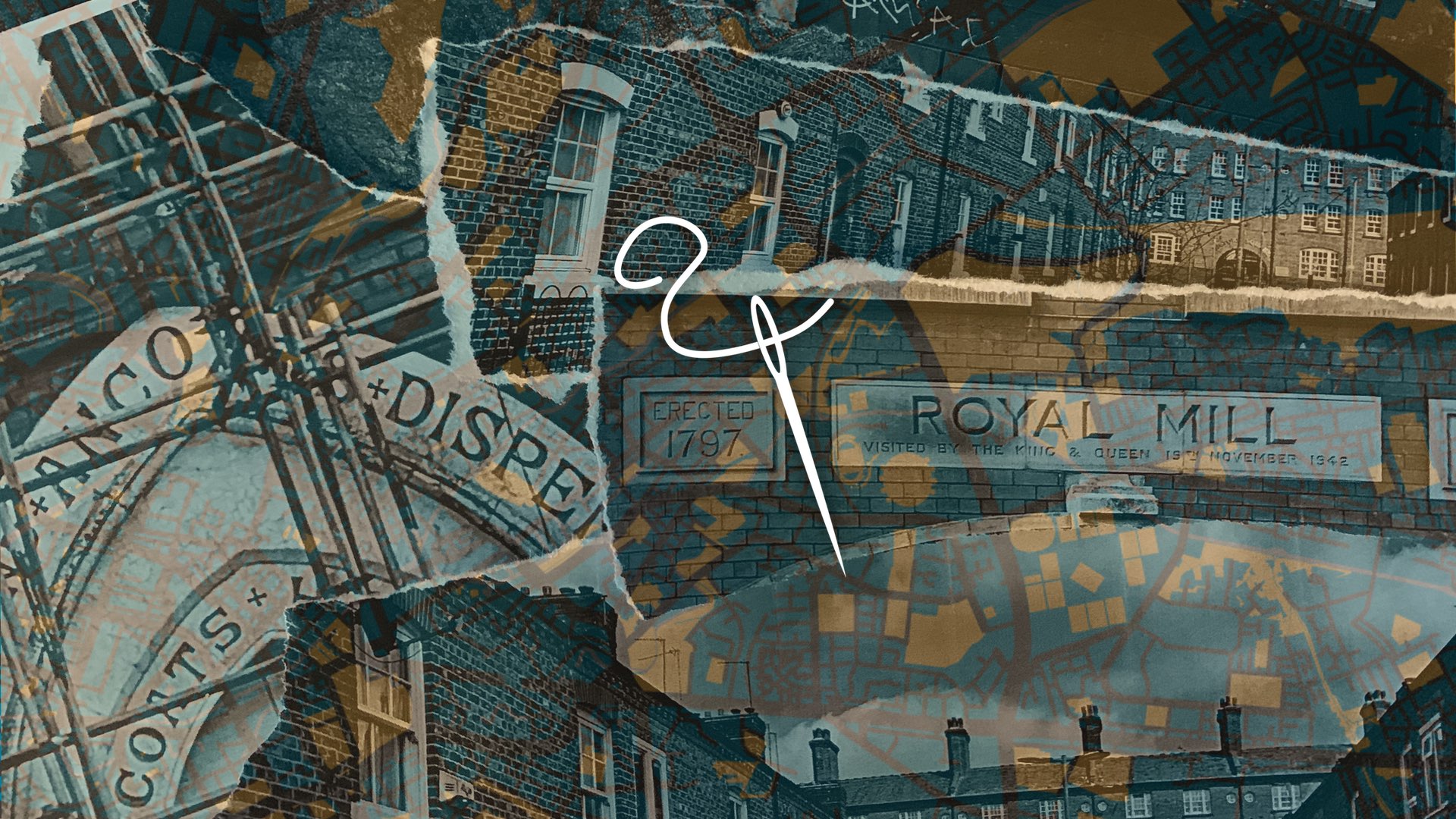
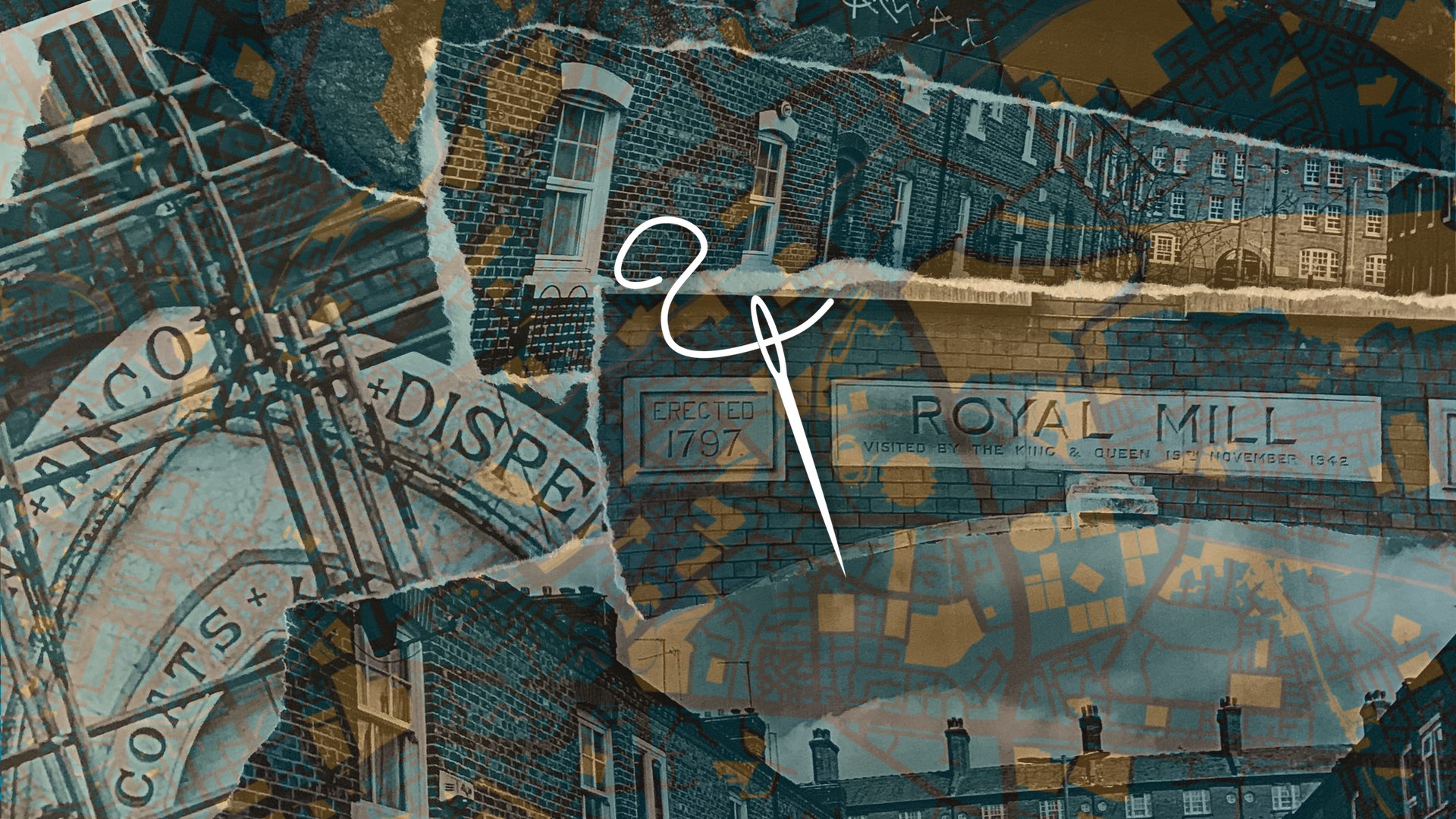
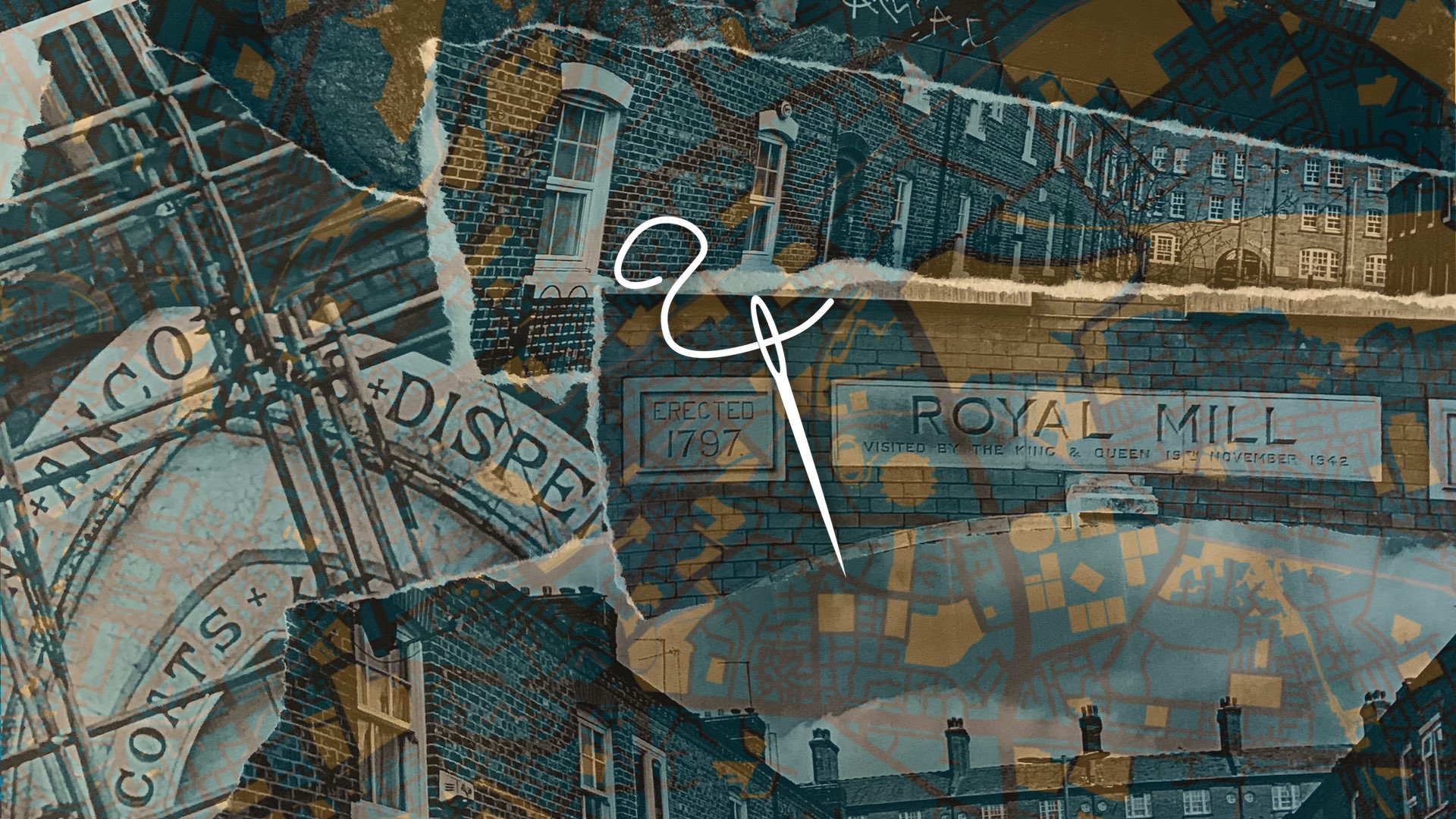
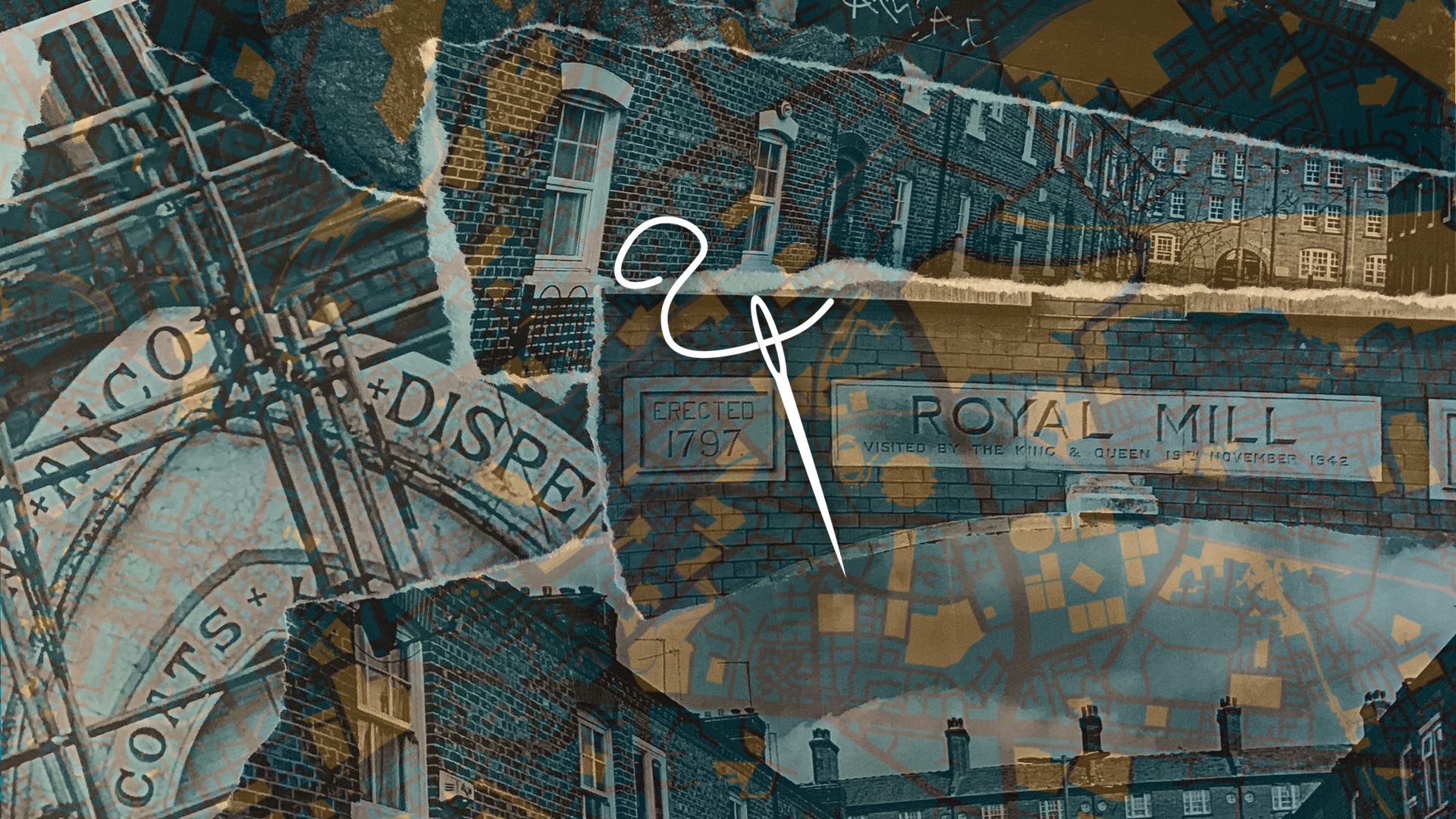
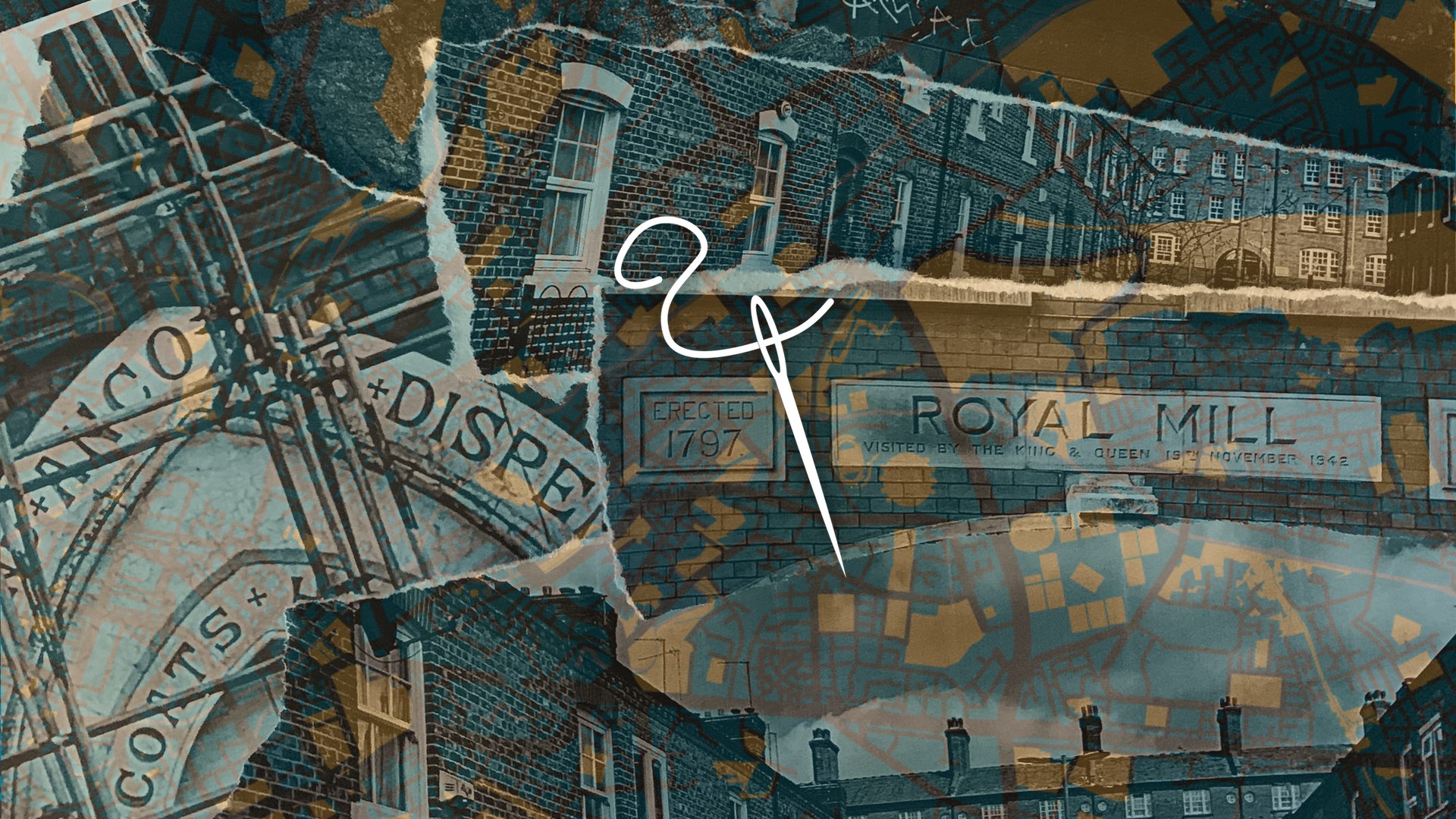
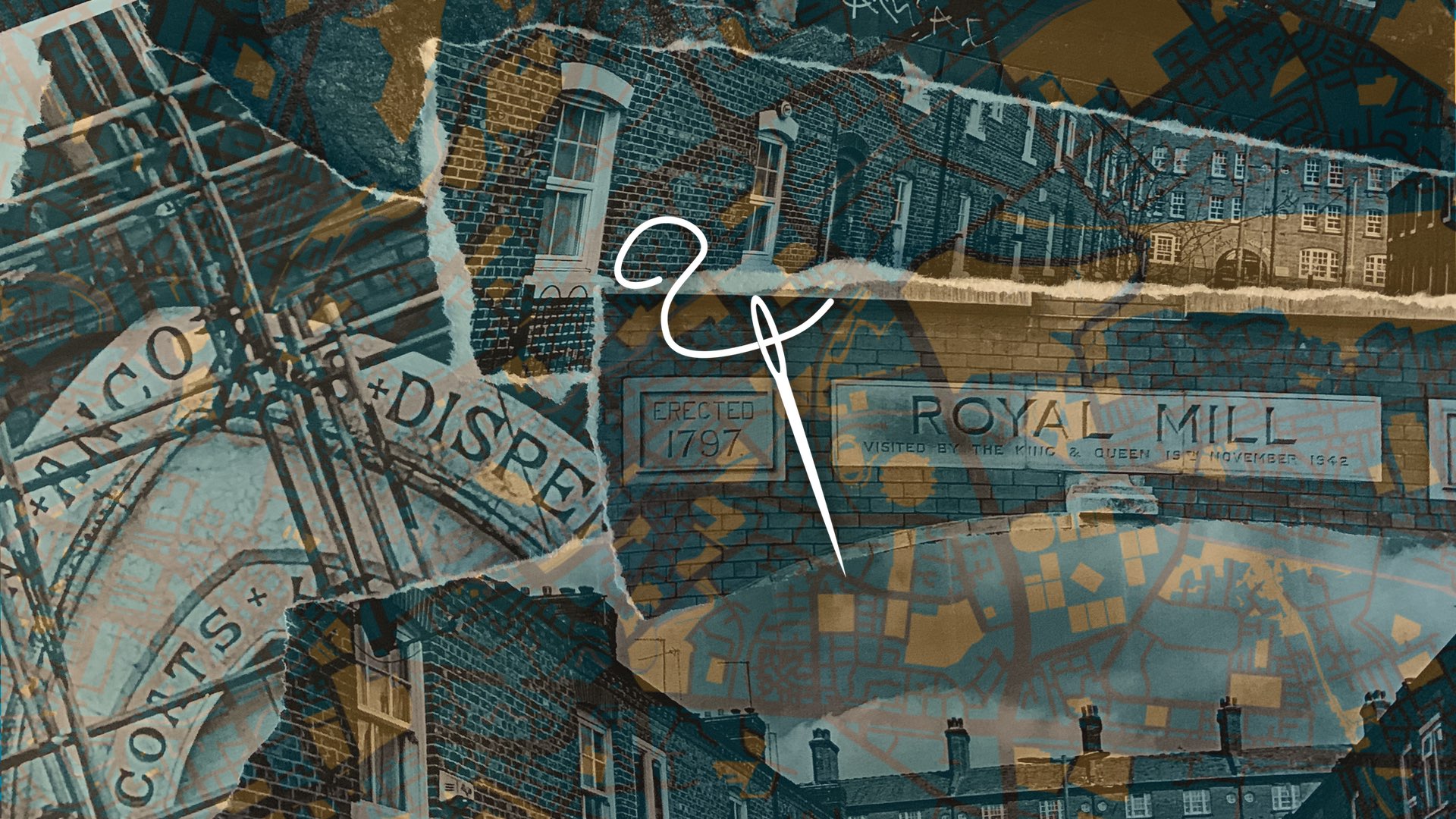
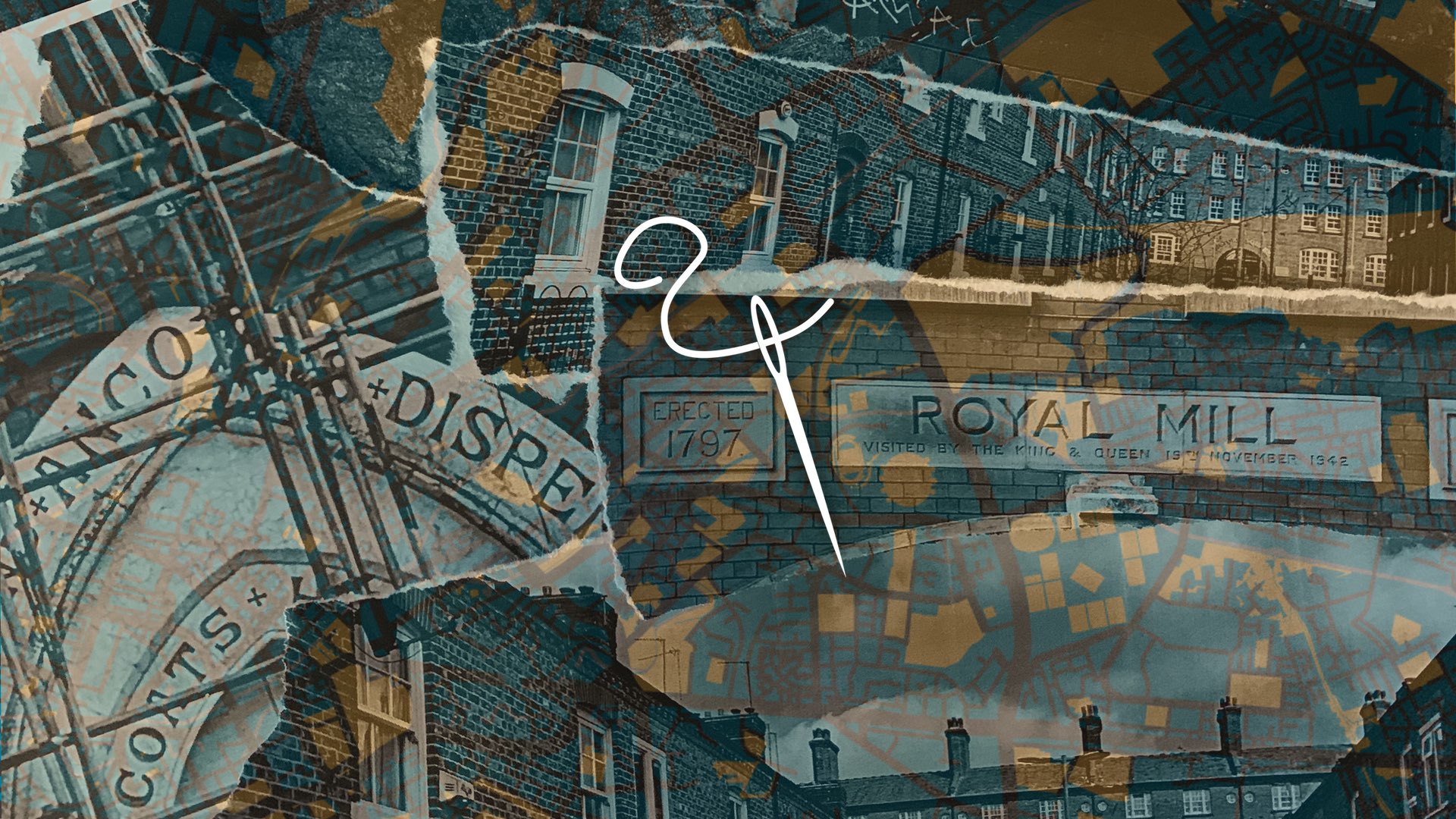
MONUMENTS

19 ECHOES

MANCHESTER - ANCOATS START AT CUTTING ROOM SQUARE OUTSIDE RUDY’s PIZZA

Welcome to Monuments by Jonnie Riordan.

Part of the Walk This Play series by ThickSkin, commissioned by Step Up MCR, supported with Lottery Funding by Arts Council England. Featuring stories and voices from the communities of Ancoats, Clayton, Beswick & Openshaw.

Celebrating the monuments big and small, the people that built the buildings from the ground up and that keep the beating heart of the area alive.

I am cobbles. I am red brick and stone. I am cotton mills. I am the water racing through the canals, connecting Manchester to the rest of the world. I am communities that care. Looking for a connection.

Monuments guides you around the Ancoats cobbles, old and new, asking you not to overlook the buildings and the communities that make the area unique.

Cast Narrator - Julie Hesmondhalgh

Creative team Writer & Director – Jonnie Riordan Composer & Sound Designer - Pete Malkin Assistant Sound Designer - Raffaela Pancucci
Community Engagement Co-ordinator - Ailbhe Treacy Executive Producer - Laura Mallows Producer - Max Emmerson

For more help or to share your feedback, please email admin@thickskintheatre.co.uk to get in touch with the Walk This Play Team.

The pandemic has been a challenging time for the sector. Against the odds, ThickSkin has continued to make work and employ freelance artists through innovative projects. If you can make a donation, no matter how big or small, your donation will help us to keep going.

Additional information:

Keep your GPS and wifi enabled. Follow the instructions given by the narrator. The route is circular and will start and end in Cutting Room Square. When you start the walk, you will see your current position as a blue dot on the map.

If the app asks you about location settings, select ‘allowed all the time’ to improve GPS. If the sound disappears, just check on your map to find your route again.

The walk will last around 45 minutes (depending on your speed) with some inclines, but no steps. The walk will wait for you and can be enjoyed at your own pace.

As this is an audio experience, D/deaf audiences can choose to use the in-app captions. Visually impaired audiences may need a walking companion for safety with crossing roads.

Walk This Play experiences are suitable for ages 12+

Welcome to MONUMENTS.

4: Serafino's Stone

Stop.

There on the corner of the road.

A monumental stone. With a rusted hook.

There’s space around the front to sit on it like a throne.

Go to it if you can.

It’s a popular spot to take in the sights.

New and old clashing together.

But this stone. This is for the Italian community.

Who brought life and character and colour to this grim part of Manchester.

Food, Music and tradition spilling out onto these streets.

Home sick Italians singing ‘O Sole Mio’.

Street entertainers wheeling barrel organs through the streets

That were manufactured here, two streets away.

Ice cream, families setting up businesses that still to this day provide

Ice Cream to Manchester and beyond.

But this stone is Serafino’s ,

A man who inherited the family tradition of helping others.

Serafino de Felice.

A man who said he inherited Ancoats, and the people.

That fought for his community, tirelessly.

When St Michael’s was shut down he lead the people.

He said…

“We are worried that this area will all become apartments and there will

be nothing left of the Italians.

We have a memory and we are going to fight for it”

To save the history of a community.

To keep the building serving communities.

He’s a monument.

And the weight of this stone is our reminder.

The tower of St Peter’s, the centre of our journey calls out.

Turn to it. Fitting perfectly between the buildings either side.

The perfect picture. Keep it in your mind.

But not yet, we’re not going back yet.

Turn left and walk on.

Look there ahead, in the distance. A great chimney climbing up the sky.

A monument of industry. A giant brick tower, the legacy of a Cotton mill.

Keep going, walk forward.

My growing up was kids playing in every street, swinging on lampposts,

skipping, football or bike riding , what’s happened to the children ?

Forward, that’s it, there’s something up ahead.

1 sound

5: George Leigh Street School - New Ancoats

Turn right...

Wait can you hear that.

On the corner. A red brick castle.

An office block with 151 in shining silver digits.

This was once a school.

Look up at the bars on the roof. It’s coming from there, that sound.

Children on the roof?

A playground on the roof?

And open space above when everything down below was so cramped.

Bean bags to throw and wooden hoops to jump through.

Skipping ropes and Hopscotch.

Happening high up in the air.

Down below the ground, bath-showers for the children to

wash once a week when conditions at home didn’t allow.

Children in small classrooms, with stern looking teachers.

Jan I live right near Ashbury Meadow Primary School, which once was two schools and they amalgamated to a different site. So it was Bank Meadow where all my children went and then there was Ashbury's School. And we've got two other primary schools, The School of the Resurection, the Church of England, School, it's a really good school and there's a church as well which is just round the corner. And then there's Saint Bridget's which has a church attached to it, which is a catholic school. Twinkle Stars Pre School attached to the Grange Community Centre. There's loads of different clubs that go on.

Memories of school are enough to make us walk on.

Straight down Bengal Street.

Paving stones, tarmac, cobbles, yellow paint.

Deliveroo cyclists speeding past on a mission… on the road, the curb

wherever they like.

Sausage dogs on leads with trendy owners.

A man on a bike with a tinny stereo strapped to the back playing his

favourite tunes.

And on the right, the call of St Peters.

That tower, the centre of it all, our own little citadel.

Don’t turn, keep going, we’re not going back yet.

*I moved into Jersey Street with my partner in 2015, when 'new' Ancoats was half finished and it was tipped to be the next coolest place. Surreally, it felt at least as though the gays were the first colonisers of this new world. You couldn't leave the house without seeing another gay couple, which was great for me as a newly uncloseted guy; we shopped at what I heard someone dub 'gay Aldi'; and the residents group for our block had a high LGBTQ+ representation. The stats may not back it up, I don't know - maybe it never was - or maybe I just got a bit older and saw things differently - but as Ancoats was gradually 'finished' I had the sense that our little unwitting clan was overtaken by another tribe - younger, straighter, and uniform in their individuality, with baggy everything’s and home cut fringes. I get the impression that the gays have started colonising somewhere else, someone said Prestwich, but maybe New Brunswick.”*

1 sound

6: Jersey House & Sankeys Soap

Across the road on the corner, a doorway to old Ancoats.

With Jersey house painted above the door.

Go to it.

Reach out and place your hand on the chipped blue paint.

Feel the vibrations of the old mill within.

The energy, the heat, the noise.

There’s something down the road.

Something newer, but just as loud.

If you’re facing the door, turn left and head down Jersey Street.

Towards the distant trees.

Find that sound.

...

What’s that sound?

A heavy bass underfoot.

A feeling of anticipation, excitement, possibility.

Along the left side of the road a queue of people snaking their way down the road.

Hedonistic 90’s and noughties revellers waiting for the best

clubbing experience in Manchester. Sankeys Soap.

Jim Spalding It was you know, a bit of beacon. For the nightlife as well as the cultural scene back then.

Dodgy backstreets you had to walk down to get here.

The Cross Keys Pub, which was so run down, but the place to go for

Pre-drinks before the night ahead.

I am kisses on the dance floor.

I am mean faced bouncers, the gateway keepers to the friendliest club.

I am neon tubes in the ceiling and the day glow faces below.

I am perspiration, the sweat dripping off the ceilings.

A sea of arms in the air, bodies close together.

I am the room where people lost themselves in the music.

I am fresh faced clubbers moving to house and techno.

Is that Bjork? Is that one of the Spice Girls?

Daft Punk, The Chemical Brothers, New order.

I am the disused Soap Factory that became one of Britain’s greatest clubs.

Ears ringing let's stumble down to the cross roads.

1 sound

10: The Marina

Slabs of old stone piled on top of each other,

Bursting with green life.

Moss.

Dandelions.

Turn left walk through the Marina.

I remember this area way back – it’s changed significantly.

None of this was here.

Sometimes, it’s a cultural thing, it’s got a bit snooty.

That wasn’t an original.

That wasn’t there.

That’s new.

All of this was just brown earth for years.

It was very working class, a poor environment.

Manchester’s ghettos.

There’s a lot of unity in having nothing. You’re all in the same boat.

You’ve got nout. I’ve got nout.

Up ahead ever-changing house boats in all colours.

Spot the green one, orange yellow, red.

The resident swans.

A small floating house with pink and white stripes.

Cats and dogs, geese and mallards.

One boat has got a resident skeleton steering it from behind, find it.

Head all the way to the end of the marina.

Cross all the bridges on the left-hand side.

Jim Spalding: The Marina itself has just changed so dramatically. When I moved there it was just, you know, a brown field site. It's arguable that it was more enjoyable back then (laugh). Those three great big towers of Mordor didn't exist, the grey houses along the arm didn't exist. The School wasn't there. I mean it was a bit crap living on a building site for three and half years on both sides of my boat. But it's interesting how the whole of Ancoats has become a bit of a social experiment. You know on one side you've got people who have lived there their whole lives, you know people who have grown up there, some real poverty in places. Contrasted against you know all of these mill conversions and trendy young people with their little dogs. It's an interesting contrast that's for sure.

1 sound

12: Ancoats Dispensary - Linda Carver

Stop. Across the road a Red-brick gothic temple.

A crumbling landmark, supported from ruin by scaffolding.

And the might of a community.

“Sit up straight the matron is coming round”.

When this was a deprived area, full of poverty. This was our hospital.

Iron beds. Victorian brick walls.

Our beacon of hope in those dark days.

Births and deaths

It was there, there for us

Is this the way to treat a listed building?

Thousands of names on paper to save it from being demolished.

Saved. By the community. For the community.

The first industrial injury clinic in the world.

Stitching the boisterous youth in record time.

The place where they found the link between pollen and hay fever.

The beating heart of Ancoats.

Linda Carver: So the history of Ancoats and in particular Ancoats Dispensary, not only belongs to Manchester, but it belongs as a global heritage treasure. It belongs to the world. So the saving of it and the restoration of it not only gives the area a historical context, but adds a depth and richness to the newer communities arriving in the neighbourhood.

If you want to know the reason why a group of people spent the last nine years of their life trying to save this building from demolition then... one of the reasons I became involved is not only had I gone to Ancoats Hospital as a small child, I think I gashed my leg on some barbed wire and I was taken there to have stitches in my leg. No anaesthetic by the way the nurses just gripped you by your arms and legs so you couldn't move and the surgeon did his job. And then of course when I was about 18 my life was saved by the staff of Ancoats Dispensary. It wasn't somewhere that you wanted to be, to be honest, but you knew that when you went there and you had to be treated, you were treated well.

Purely by chance I went to a what was then and Ancoats residents forum meeting and this was an organisation that had been formed by the people who had become, if you like, committee members of the people that had come to live in the apartment blocks, they felt so cut off from each other that they appointed people to attend a regular monthly forum.

And then at one meeting and this is the meeting you could say was profoundly important to me personally at the time because I went to a meeting and Urban Splash, a developer were giving a demonstration on what the future of the area was going to be like. I looked at it and there was nowhere I could see Ancoats Hospital and so I asked a question: what about Ancoats Hospital? And there was a hush in the room and then somebody whispered: I think it's going to be demolished. And on hearing that word Jonnie, I thought to myself, I didn't say it out loud, but I thought to myself...I don't think so, I don't think so, because something happened to me then and I realised that the building was of such importance, you've got to remember that this is a grade two listed building.

And a campaign was started then in 2012 that was to last until late 2017

Head down the road to the side of the building.

Cross the road if you need to.

As you walk by take in the back of the building.

The criss-cross of scaffolding holding the shell of the building from

crumbling.

Stop.

Linda Carver: People turned up who were concerned about the dispensary for many different reasons. Other people turned up because they were absolutely appalled at the fact that this was going to happen in the first place, to a part of there heritage, part of their working class history was about to be wiped away.

So there were a mixture of people from all walks of life really, from all different age groups. We didn't have any money, we didn't have a place to work from, so basically an office was set up in my kitchen and that went on for years. I got a phone call from the MP at the time who had been at the public meeting saying that "I'm sorry Linda, but it's gone further than I thought, it's due to be demolished within three weeks." Well as soon as we heard that we set up an emergency meeting and we called the group then FIGHT TO SAVE THE DISPENSARY.

But that Dispensary, the vigil became the space on the edge of contested territory, visitors from all over the world came to the vigil. It became a powerful symbol really of community action. It started in the summer of 2012 and it lasted until late 2017 and every single day, including the weekends, that vigil was set up, there was rota established and people stood there. We got about 5000 signatures within about a month. We were all volunteers and some people working full time. Everybody, everybody devoted all those years, I can't believe it really, to the saving of this building, that's how much it meant to people. I don't think people realise just how much hard work it was, because we were if you like, we weren't encouraged to save this building, obstacles were put in our way, so it was hard solid graft, not to be undertaken by the faint hearted believe you me.

I think it took us about two years to recover from the enormous emotional and physical input that everyone had worked so hard on over the years. At least that building, as sad as it looks, hasn't been demolished. So I think in some ways although we were devastated by what happened we're kind of not as devastated as we would have been waking up one morning nine years ago to a rubble, just rubble on the land where the dispensary now stands.

Keep Walking.

1 sound

17: Industry

The canal flows underneath.

Cottonopolis.

You’ve just entered the worlds first industrial suburb.

Famous throughout the world when cotton goods were called Manchester

goods. Hundreds of factories, towering stories upon stories high.

Chimneys erupting black coal vapours, the hot breath of the

steam-powered engines, that could be seen for miles.

Staining the cramped network of buildings surrounding them black.

Not a scrap of space left to waste.

Turn right.

The dark Satanic Mills,

Powered by the rushing waters of Manchester rivers.

Cotton fibres strengthened by the damp northern air.

That’s why Manchester was the best at it.

Along with The people, powering an industry.

With poor pay, poor working conditions and long hours.

Salt of the earth. Hard working.

Men and women.

The cotton boom making women wage earners.

From 5am to 6pm.

Linda Carver From the countryside and surrounding areas, they were attracted by the prospect of work. So people flocked to the city. And the population of Ancoats increased by, well it was only 11,000 in 1831 but by 1861 it had been increased to 56,000 people so they say, it's true this, Ancoats was built in a hurry, it was built in a hurry and it was a zig zag of mean streets. I mean houses were thrown up to house these thousands of workers and their families.

I am Loom sweepers,

I am Bobbin carriers,

I am weavers,

I am slave grown cotton, that built the city, that paid for the bricks,

I am the campaigners made up of clergy and cotton merchants fighting to put a

stop to that injustice, to sever ties to the slave trade.

I am flint glass

I am barrel pianos and biplanes

I am thick air. The blackened bricks.

I am coal

I am steam

I am power

I am industry.

...

Turn left

1 sound

DOWNLOAD OUR APP TO DISCOVER THIS TOUR AND MANY OTHERS.

play-storeapp-store

Or start creating tours, treasure hunts, POI maps... Just let your imagination guide you.


Other walks nearby


Are you a creator?

START HERE

Privacy & cookie policy / Terms and conditions

© ECHOES. All rights reserved / ECHOES.XYZ Limited is a company registered in England and Wales, Registered office at Merston Common Cottage, Merston, Chichester, West Sussex, PO20 1BE

v2.5.15 © ECHOES. All rights reserved.