The Winchevsky Kensington Market Tour

20 ECHOES

Note: You have to be on-location at Kensington Market to hear this soundwalk.

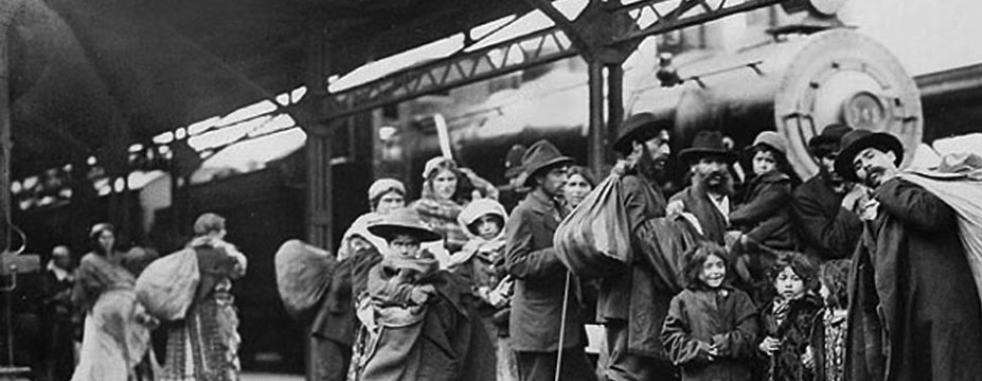
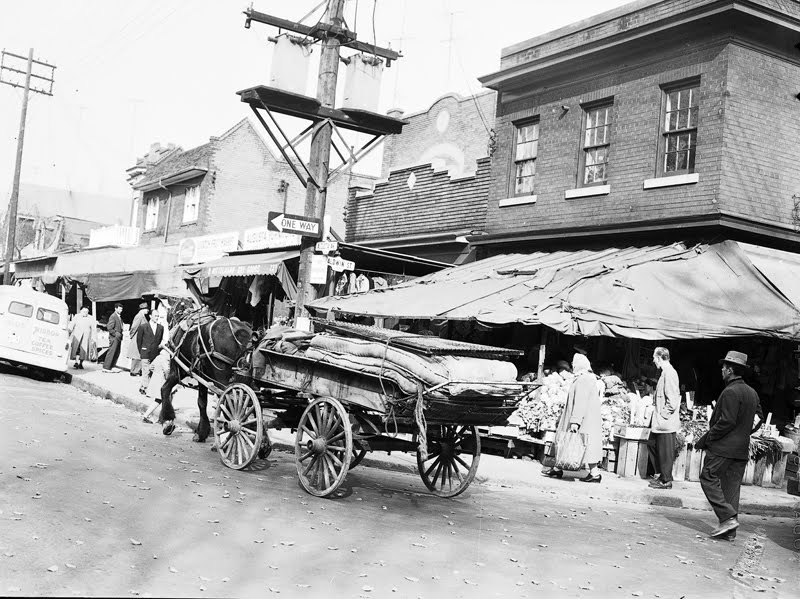
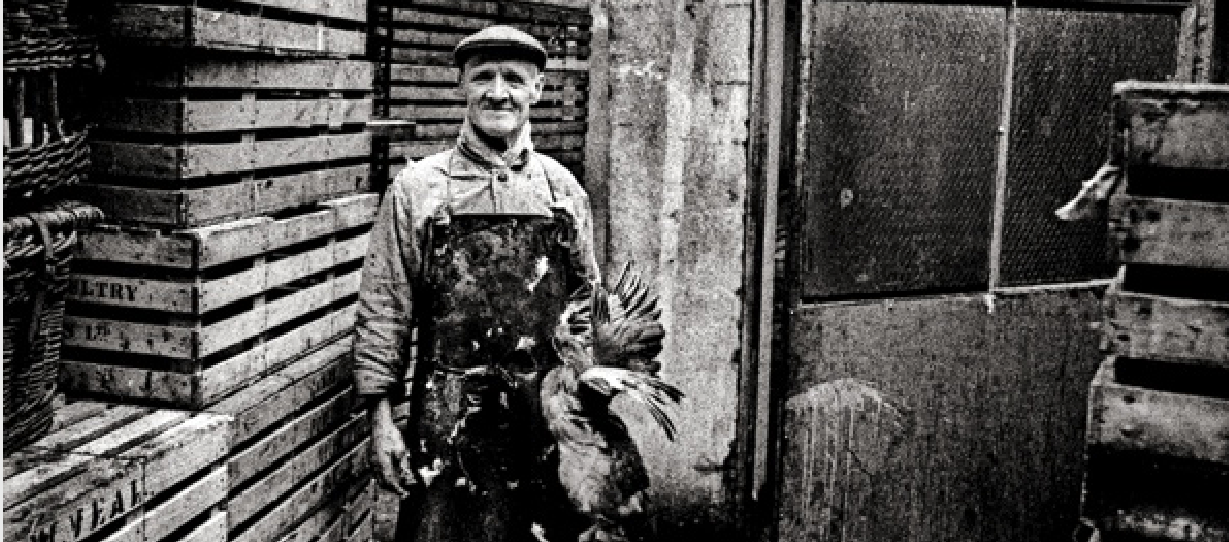
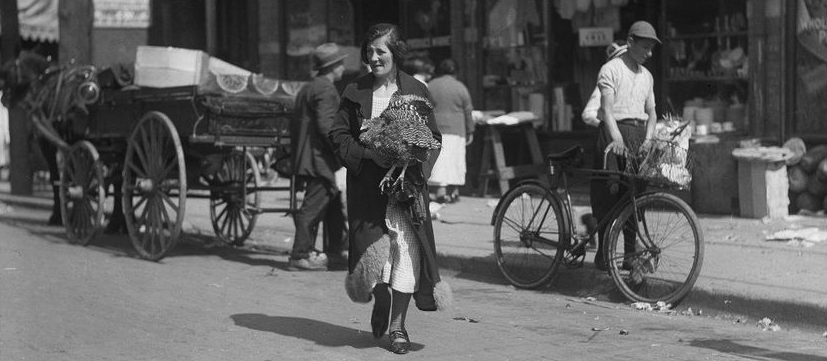
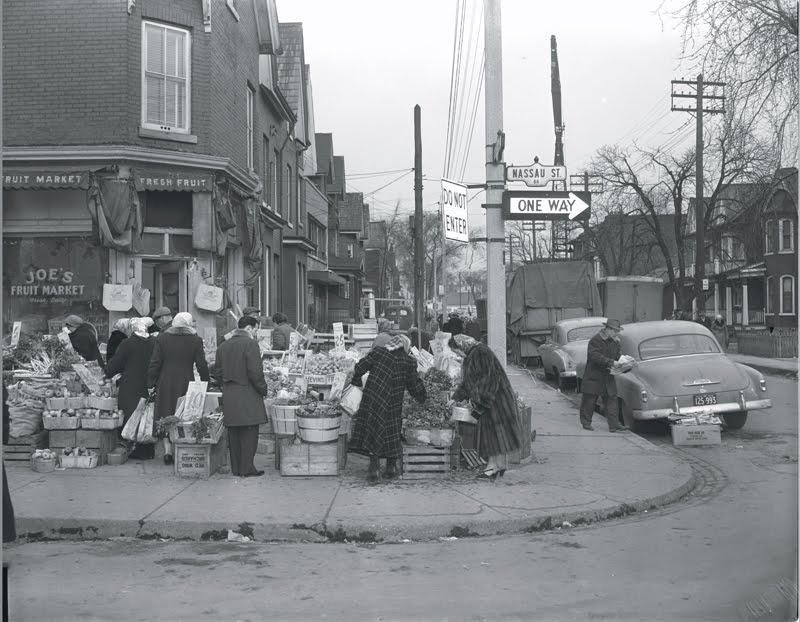
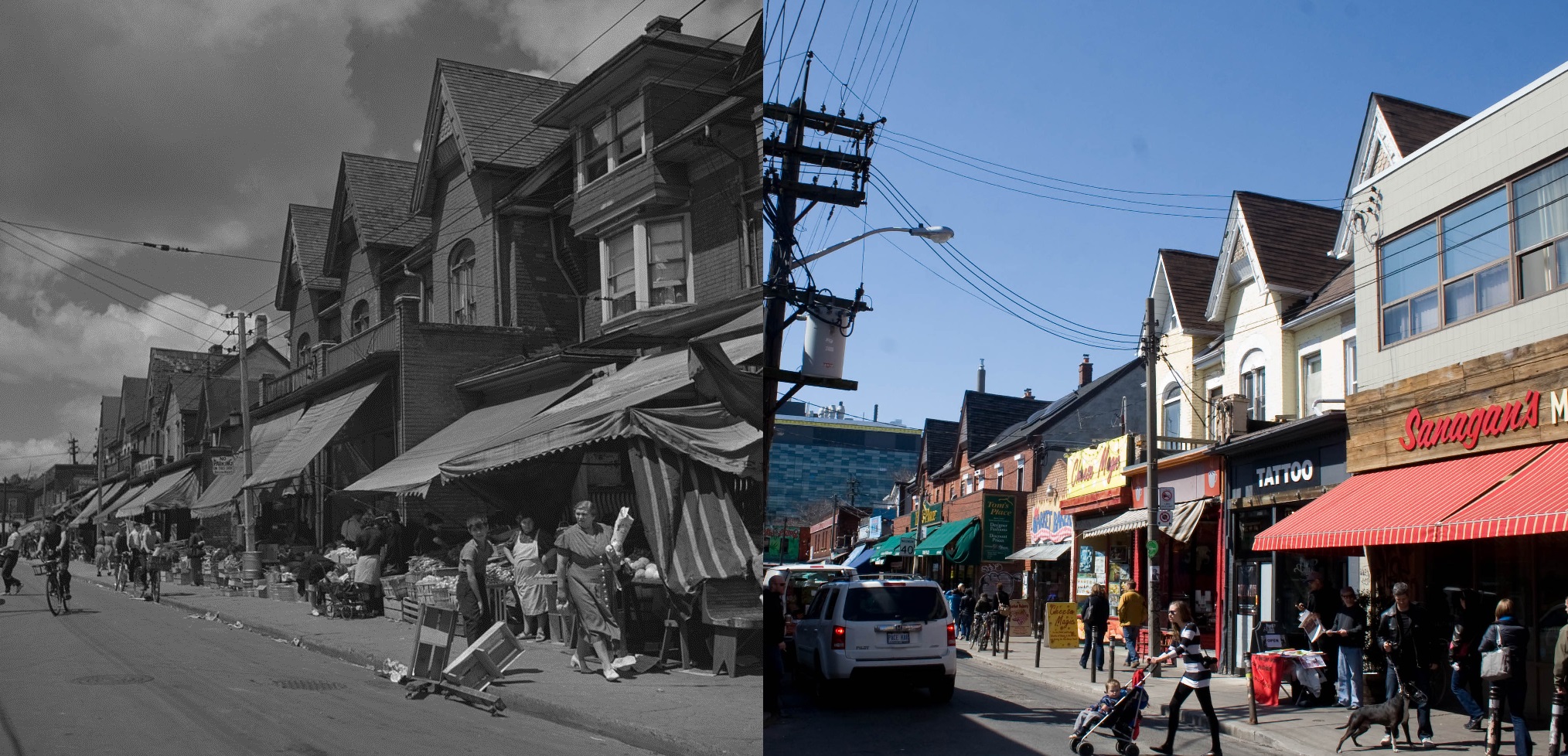
Kensington Market was historically one of the most multicultural neighborhoods in Toronto. In the 1920s and 1930s, however, so many Jewish immigrants moved to the Market that it became known as "the Jewish Market".

This was the third centre of Jewish life in Toronto, after the East End and The Ward, where today Nathan Phillips Square stands. When they moved into the Market, Jewish immigrants created many communities, congregations, and social centres. They opened dozens of shops from groceries to butcheries, tailors and textiles, and often sold goods imported from Eastern Europe, from which many of them came. At the height of Jewish life in Kensington Market, it became home to about 60,000 Jews and served as the centre of Jewish political, religious, and economic life in the city.

It was then that secular Jews came together to form the United Jewish People's Order, an organization that represents secular Jews in Canada to this day. The UJPO's Morris Winchevsky school is also home to the city's Jewish students who learn about the four thousand year Jewish civilization from a secular perspective, focused on Social Justice. In 2021 Winchevsky's teachers created this soundwalk about some of Kensington Market's Jewish history.

Special thanks to the MWS educators Sharoni Sibony, Lainie Basman, Miriam Brookman, Iris Benedikt, and Tal R. for writing and narrative this soundwalk. Sound editing by MWS Education Director Lia Tarachansky.

7 - Sammy Luftspring & the Christie Pits Riot

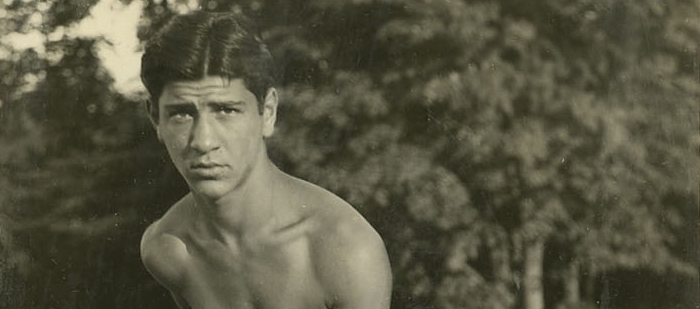
On June 8, 1933, when Sammy Luftspring was 17 years old, 60,000 people crowded into Yankee stadium to watch the world heavyweight boxing match between two major competitors: Max Baer, from California, was a Jewish boxing champ and a hero to Sammy and the other boxers who trained at the Jewish gym on Brunswick Avenue. Fighting him that night was German-born Max Shmeling, who was known as “Hitler’s Darling”. Shmeling was the pride of Germany, which had just elected Hitler to power. For Sammy and his friends, who crowded around their radios to listen to the match, this was more than a fight over the heavyweight title. It was a chance for them to fight back against Hitler’s hateful and discriminatory treatment of Jews. They cheered when Max Baer came into the ring wearing a big Star of David on his boxing shorts. And they were ecstatic when, in the 10th round, Baer picked up steam and landed 21 blows against his opponent and the referee separated the two men, thrust the Jewish boxer’s hand into the air announcing his victory. (Sound clips from the fight)

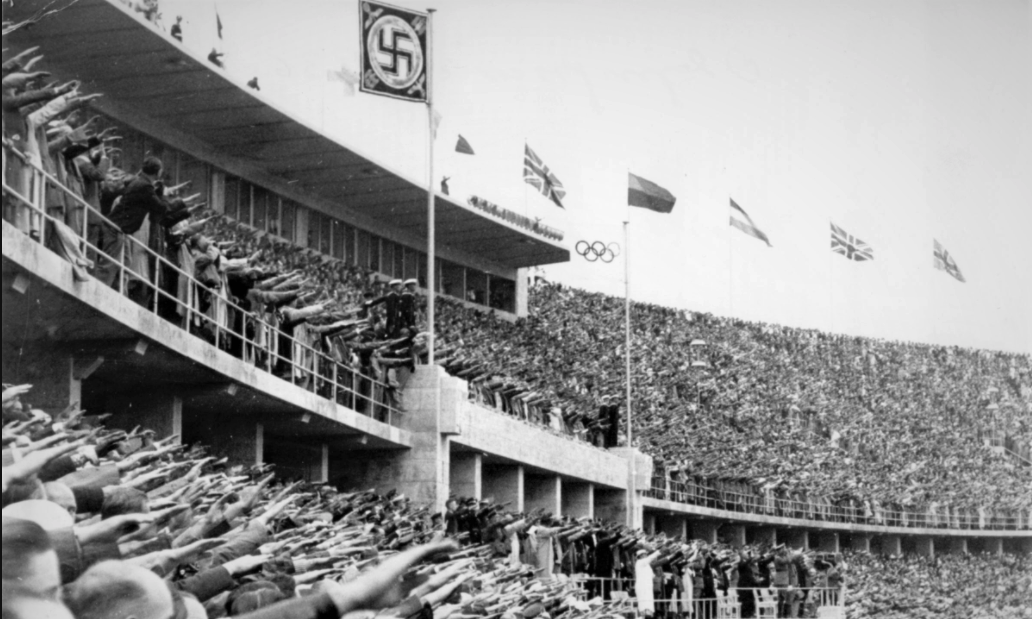
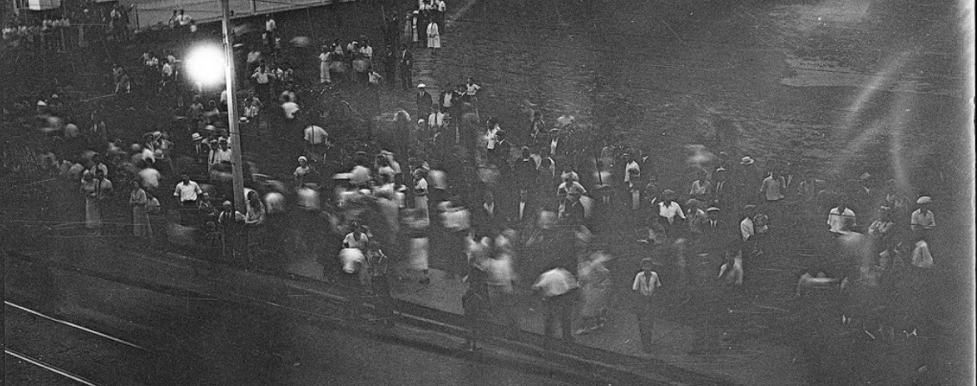
A few months after the Baer, Shmelling fight, Toronto had its own, local brawl over anti-semitism. That summer, in 1933, anti-semitic “Swastika Clubs” began forming, mainly around Toronto’s east end Beaches area. Members of these clubs publicly flaunted the swastika to provoke Toronto’s Jewish residents. On August 16, a group of racists unfurled their homemade swastika flag at Christie Pits park, in the middle of a baseball game involving the Harbord Playground Baseball team, whose players were mainly Jewish and Italian immigrants. (picture of the team). A spark was lit, and a riot broke out. (Picture of the riot).While you can’t make out Sammy in this picture, the only one ever taken of the riot, he did join the 10,000 people who fought into the night, using fists, boots and lead pipes to settle the issue about who “belongs'' in Toronto.

Fortunately, no one was killed in the riot. But it was a clear signal that Canada had a serious problem with racism in general, and anti-semitism in particular. Following the riot, Toronto mayor William James Stewart promised to prosecute future displays of the swastikas. This was one of Canada’s first policies prohibiting hate speech.

Want to see what the Christie Pits riot was like? Find the QR Code and click "View in AR" when the link loads in your browser.

1 sound

14 - Lifer at the Minksker - Part 1

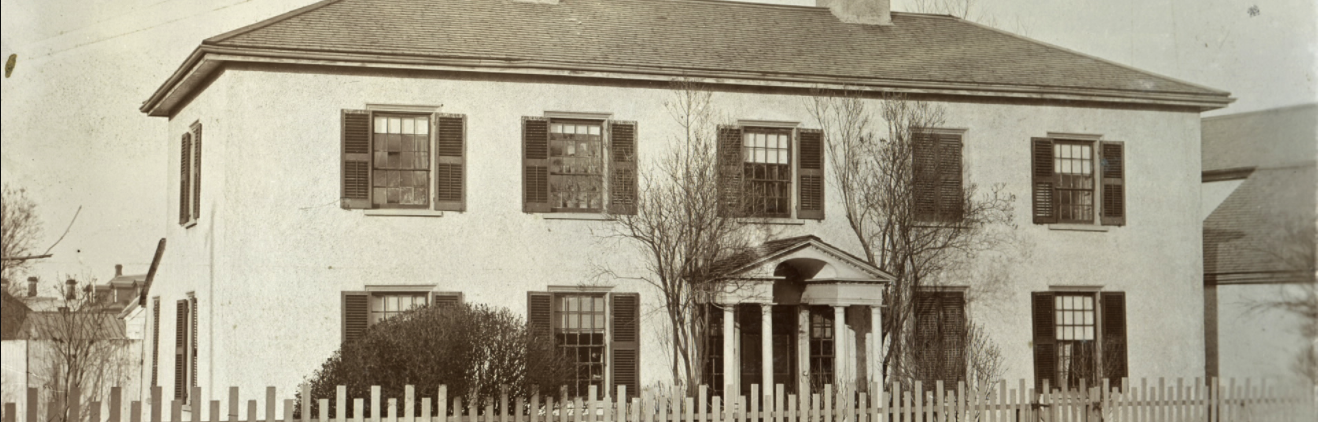
Imagine waking up, in the morning, splashing some water on your face and in the middle of your yawn- prayer service sounds. What is going on downstairs in my house?? Or rather who is singing? The year is 1915, and you are a tenant at 10 St. Andrew street right here in Kensington market in Toronto. You are feeling a bit tired from working the night shift in a nearby linen factory, but you decided to wake up early anyways to beat the morning crowd at the nearby fish and vegetable market. Just a few years back in 1912, a tiny Jewish congregation was established by new immigrants from Belarus, and as much as you have little knowledge on Jewish culture, living above the congregation has exposed you to the music, language and festivities of your Jewish neighbours. Your next door neighbours at 12 St. Andrew are also sharing their home with this tiny new Jewish community, the first of its kind right here in Kensington market! Now, imagine that you ARE one of the founding members of the new shul in Kensington. You don’t have too much money, but you and many people from your shtetle back in Belarussia are new immigrants to Canada where they do not speak your language, practice your traditions or know who you are. Moving with others from Minsk is helpful to build a support network of friends, family and just generally people you relate to. Your orthadox Jewish religion is important to you, but whats more than that, the Jewish community back home has always given you support and emotional comfort in times of need. At the turn of the century in 1912, there are no established Jewish organizations that feel like home in Kensington market. Although the Ward is a walking distance away, it feels just a bit out of reach. Money is tight, but with the support of the new Jewish community, an informal organization called the Beth Israel Anshei Minsk congregation, was formed. Everyone who knows anything about this new congregation though, just calls it the “Minsker”.

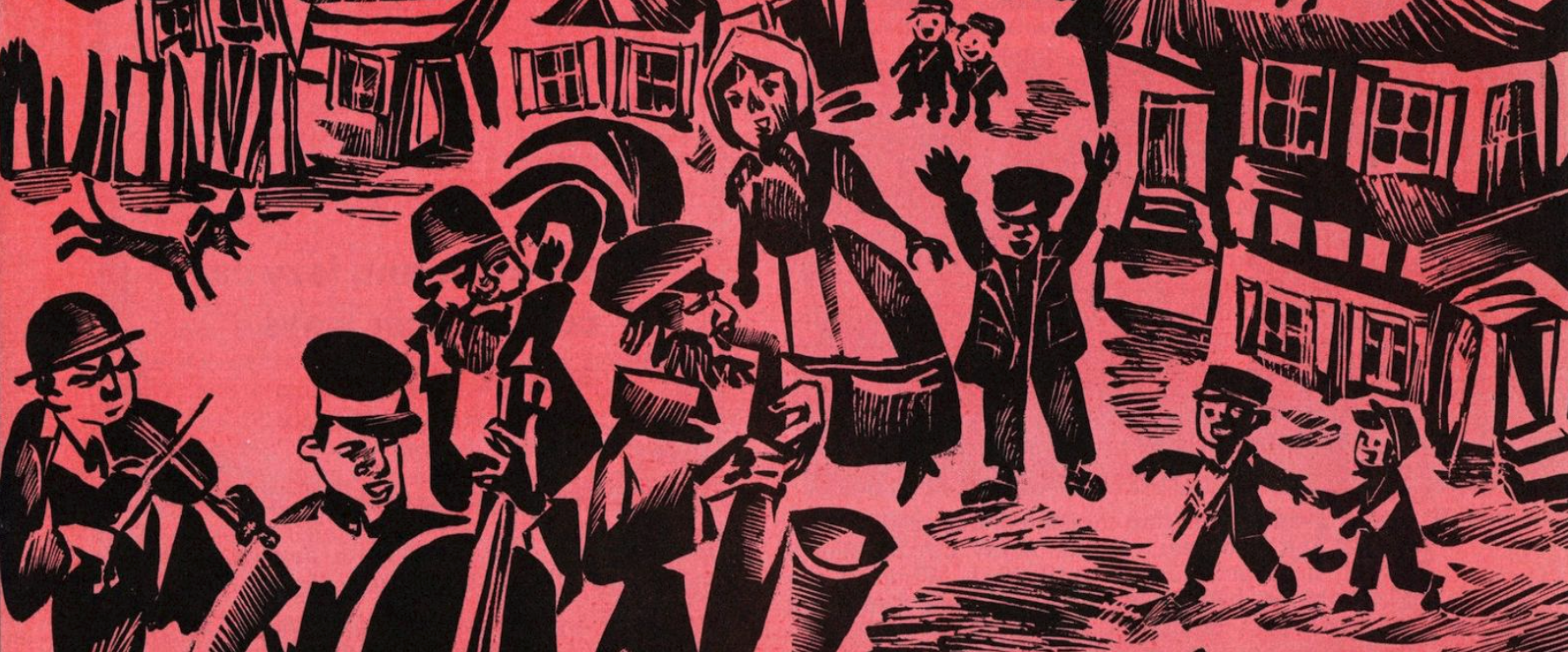
Music by the Yiddish Children's Choir - Un Mir Zaynen Ale Brider

1 sound

16 - Lifer at the Minsker - Part 2

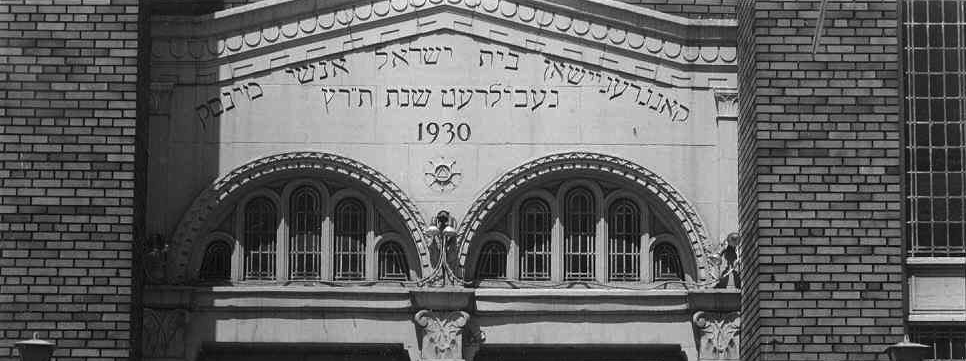
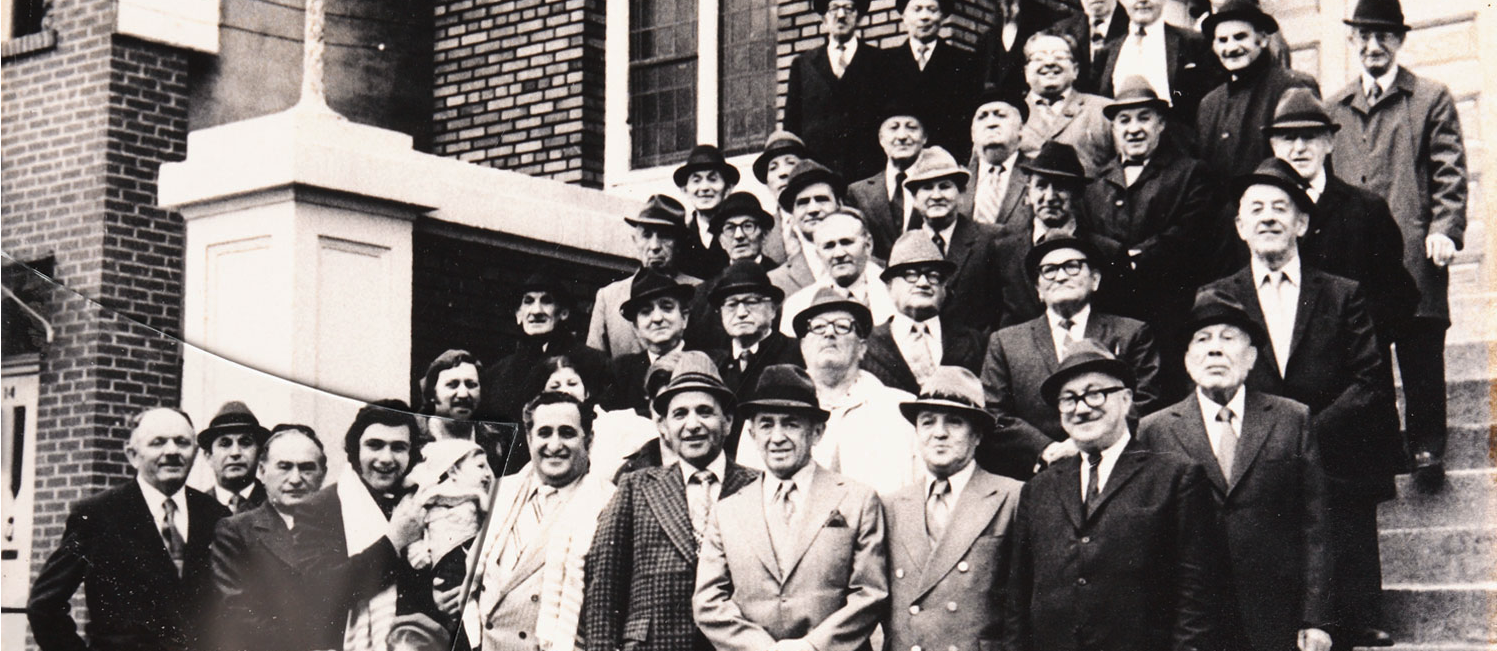
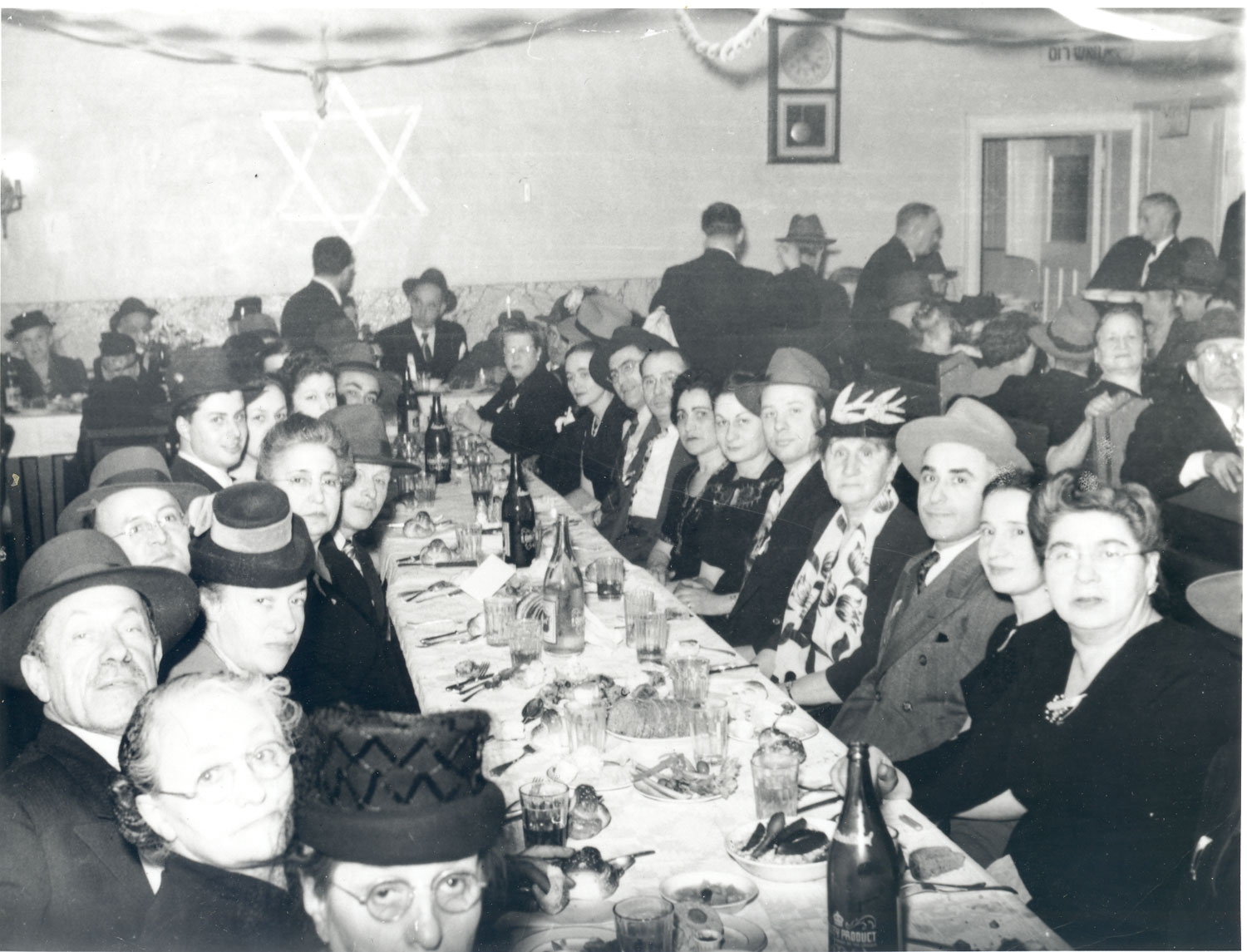
Since no one could put a downpayment on a mortgage for a proper building, friends, family, and other Jewish immigrants from Belarus gathered together in living rooms. Even though by 1913 your tiny community only had 50 members, you still had to pack in like sardines with some of the kids sitting on the floor, which is not great news for a growing congregation! You’ve heard of other Jewish congregations that need to do something similar, and these informal synagogues in houses or storefronts were known as “shteibels.” Now, you might say... why in the world would it be sooo important to pack in LIKE SARDINES to people’s basements or living rooms just to go to shul? Why not go to the Ward and find a synagogue that is more established since it’s a walking distance away for gods sake??? Why not just have synagogue outside?? Why not abandon going to shul altogether?? WELL, while the question about just having synagogue outside is unforgivably silly given how cold Toronto winters can be (and you KNOW very well how cold they can be), the other questions are really really great. First of all, coming from Minsk (hence the name MINSKER) your community had very specific rabbinic traditions and customs that were different from other regions. Now, it's not that everyone was not open to any kind of change, but let's face it, you just CROSSED AN OCEAN to get to Canada and in those days, traveling was no easy task, let alone saying goodbye to everything and everyone you knew. I think its SORT OF reasonable to want SOME things to stay the same. Have you ever gone to someone else’s house who practices similar traditions to your family or sings similar songs, but they sing them in a different tune or slightly different lyrics and your just like “SO WEIRD” not that it's bad, but it's just weird right? You want to explain how you do things differently?? Well imagine that feeling but ALL the time. That is sort of kind of like the feeling of being a new immigrant in a new place where even the other Jewish people are doing things differently, so it's nice to be around people who share a little of what you did back home. But don’t get me wrong, this synagogue was definitely not only for squishing into tight spaces and practicing prayers as they were done in Belarus. The congregation becomes your second family, your home away from home, the place you go to gossip with your friends, and a place to have excuses to celebrate weddings, b'nai mitzvahs, you name it. You might be wondering why though am I insisting that the Minsker was this tiny shul in someone’s living room across the street when you are standing right in front of it? Well, a group of the congregation's women, called the Women’s Auxiliary worked to raise money for the synagogue and spearheaded the move to its current location and its current existence the way it looks now. In 1916, the synagogue moved to where it is now, but it was still in a squished location, in a storefront on St. Andrew. The Women’s Auxiliary worked to raise money for the building you see now to be constructed (construction noises??) It was a loooong time coming but in 1930 the building was finally complete and by 1937 the mortgage was paid off! An extravagant dinner was held for all congregation members, and the mortgage documents were burned in celebration at this glorious event. In the years that followed, the Minsker continued to have a legacy of social connection, celebration and orthadox Jewish practice. Many met, fell in love and married at the Minsker, and the children of older members continue to be active in the synagogue to this day. Some people nick name the Minsker “the businessperson’s synagogue” since travellers doing business from out of town will often come to the Minsker since it is the only downtown Jewish Orthadox congregation that still has daily services, but Jews of many denominations are welcome. In March of 2002, a person was walking by the Minsker when they saw smoke. They called 911 and the fire department arrived immediately. Luckily, nobody was hurt, but the fire damaged many religious texts and the women’s balcony of the shul. The investigation into what happened had revealed that there was a case of arson, meaning someone purposefully set the shul on fire but the police said it was not a hate crime. Even still, this even was devastating to the

community who has such an important connection to this early Toronto synagogue. Community members came together, sharing songs and food, and held services on the sidewalks. Money was raised for the restoration of the building, and even other religious organizations like local churches raised money and awareness for the Minsker’s restoration. Rabbi Spero noted that even though this event caused destruction, it was also an opportunity of renewal, since the restorations made the facilities even better than they had once been, it it brought love and compassion from both Jewish community members and non Jewish community members alike.

Music by the Chicago Klezmer Ensemble - Sweet Home Bukovina

1 sound

4 - Land Acknowledgement

As we set off on our soundwalk we’d like to acknowledge the colonial conditions of our collective presence on the land that Kensington Market occupies and acknowledge that this is the homeland of the Anishinaabe, Haudenasaunee and Huron Wendat peoples. We can never forget what this means, to occupy. It means to take by force for the benefit of one group at the expense of another. This is Treaty 13 territory, also known as the Toronto Purchase, signed in 1787 by representatives of the Crown and a band of Anishinaabeg known as today the Mississaugas of the New Credit.
The treaty was under dispute for more than 200 years - partly because the boundaries and size of the territory were unclear, and because the Mississauga’s understood that they were renting the land through the agreement, not extinguishing rights to the land. The exchange was mainly in trade items – gun flints, brass kettles, mirrors, laced hats, a bale of flowered flannel, and rum. The purchase was revised 1805 and a land claims dispute followed, which was settled in 2010. Today Toronto is home to many First Nations, Inuit, and Metis as well as many other diverse communities. This soundwalk will exist on the Echoes app, virtually annotating the landscape. We are grateful to the Indigenous people here and across Turtle Island for their hospitality and are committed to working toward decolonial justice with them.

To learn more about the Toronto Purchase: https://vimeo.com/221326995

Special thanks to Dr. Mary Bunch & Dr. Dolleen Tisawii'ashii Manning for this Land Acknowledgement.

1 sound

DOWNLOAD OUR APP TO DISCOVER THIS TOUR AND MANY OTHERS.

play-storeapp-store

Or start creating tours, treasure hunts, POI maps... Just let your imagination guide you.


Other walks nearby


Are you a creator?

START HERE

Privacy & cookie policy / Terms and conditions

© ECHOES. All rights reserved / ECHOES.XYZ Limited is a company registered in England and Wales, Registered office at Merston Common Cottage, Merston, Chichester, West Sussex, PO20 1BE

v2.5.15 © ECHOES. All rights reserved.