Sound on Mystic

33 ECHOES

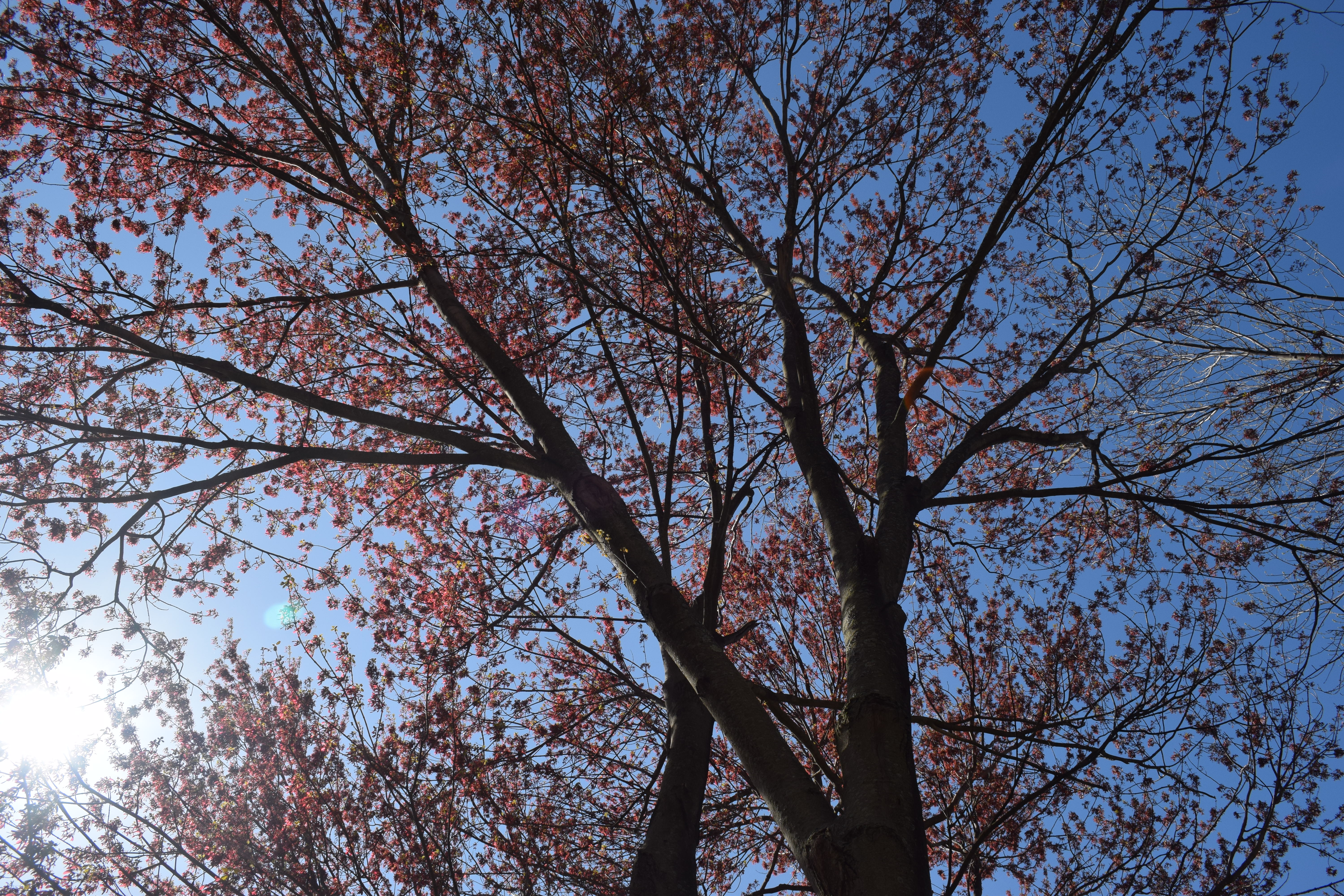
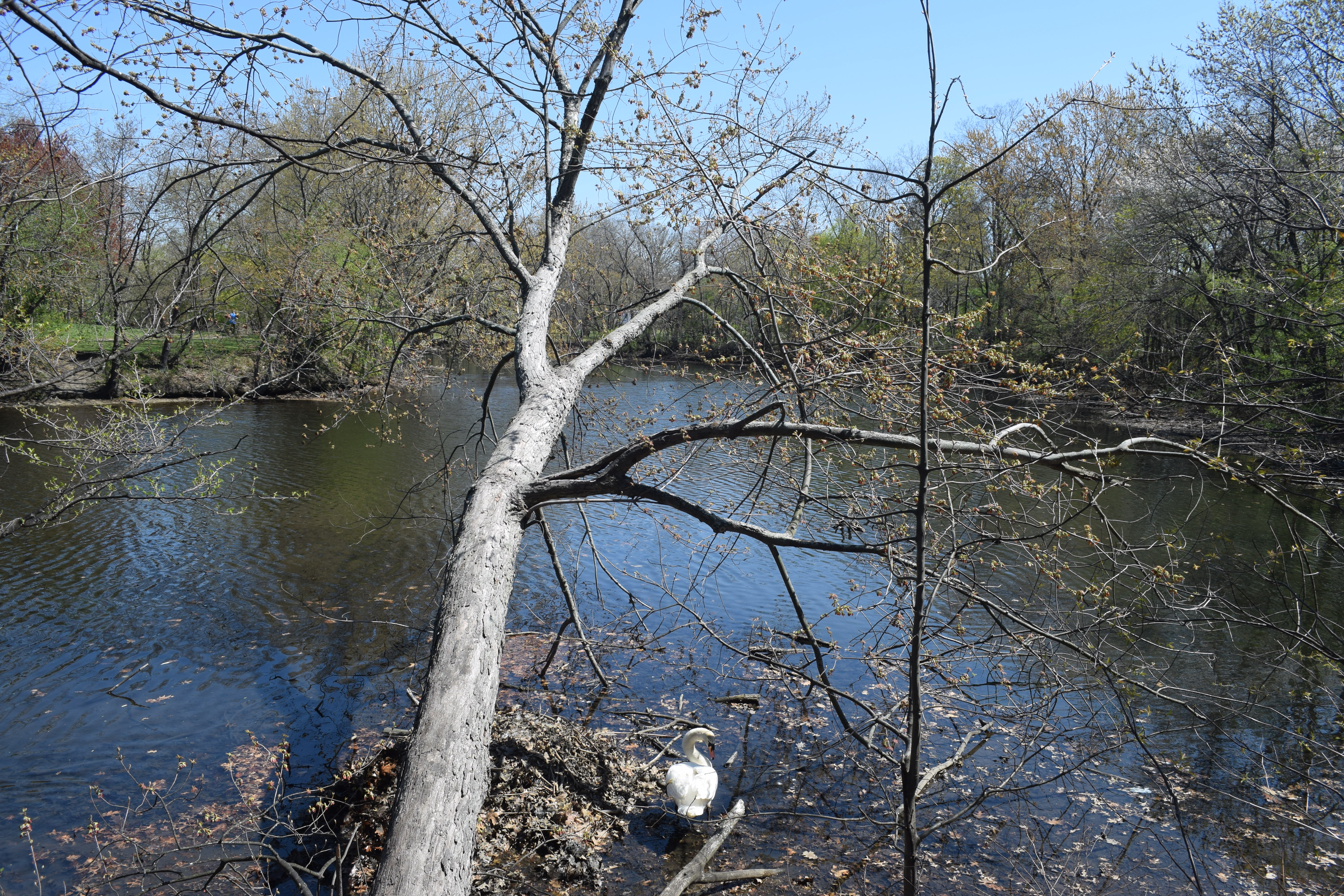
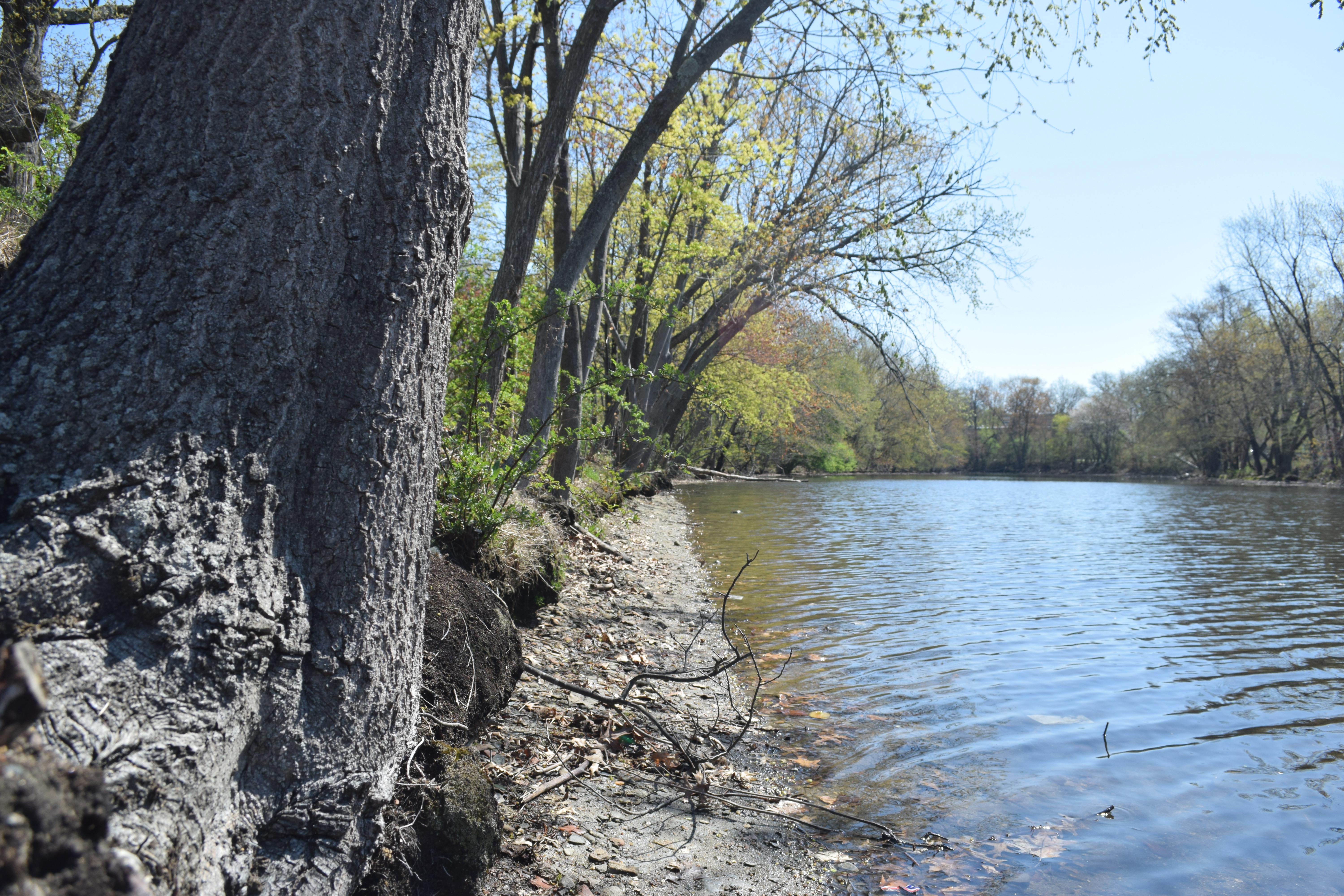
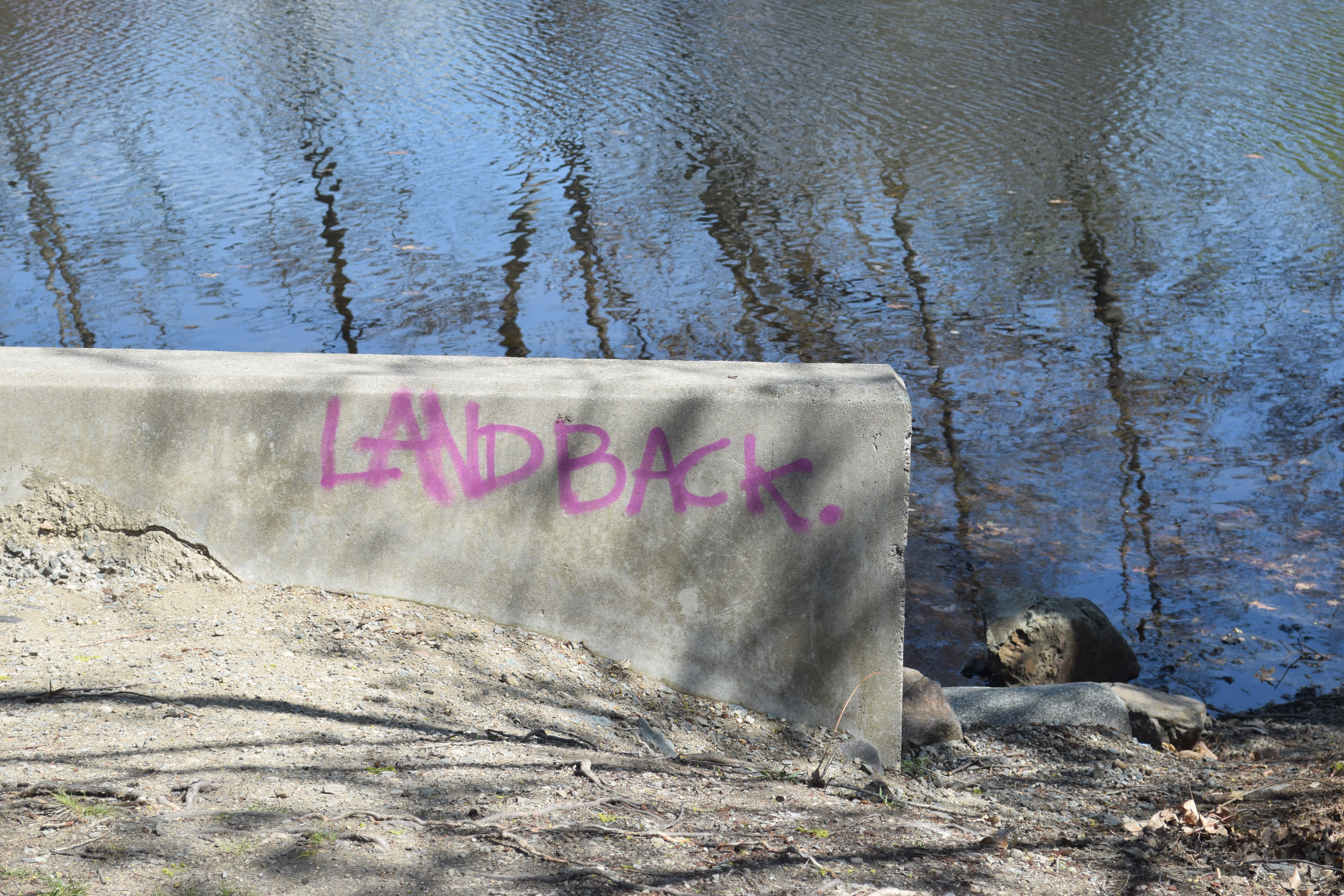
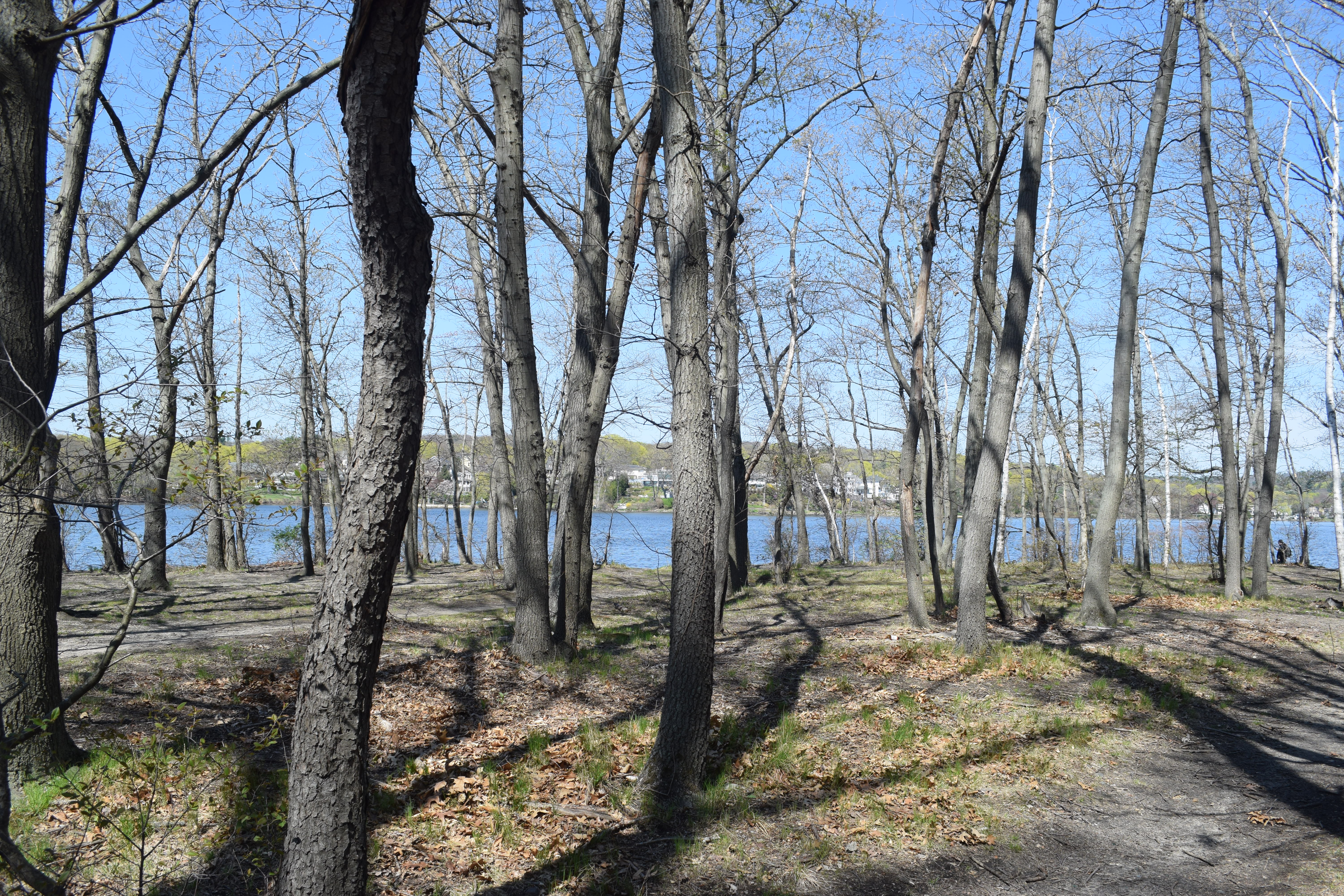
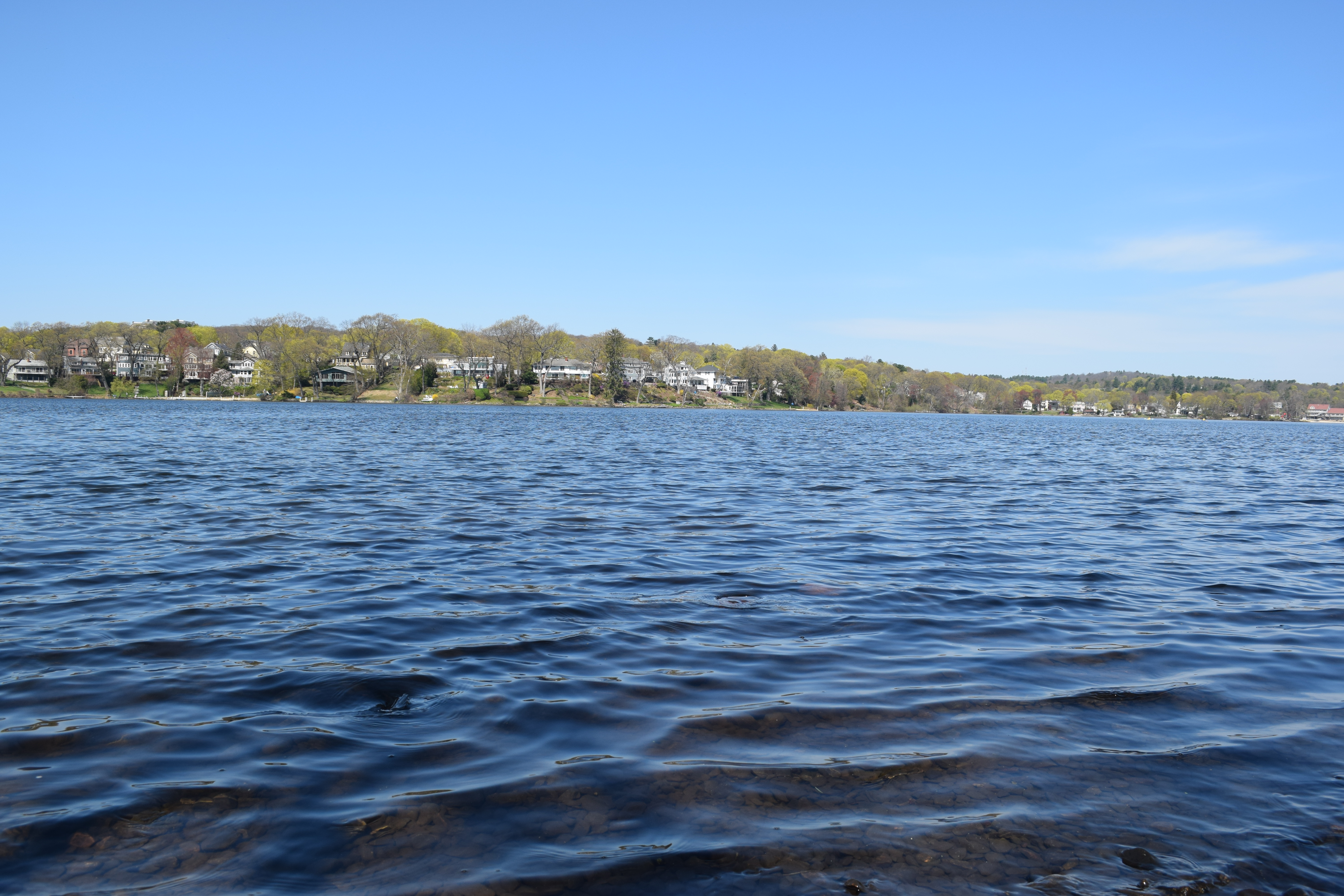
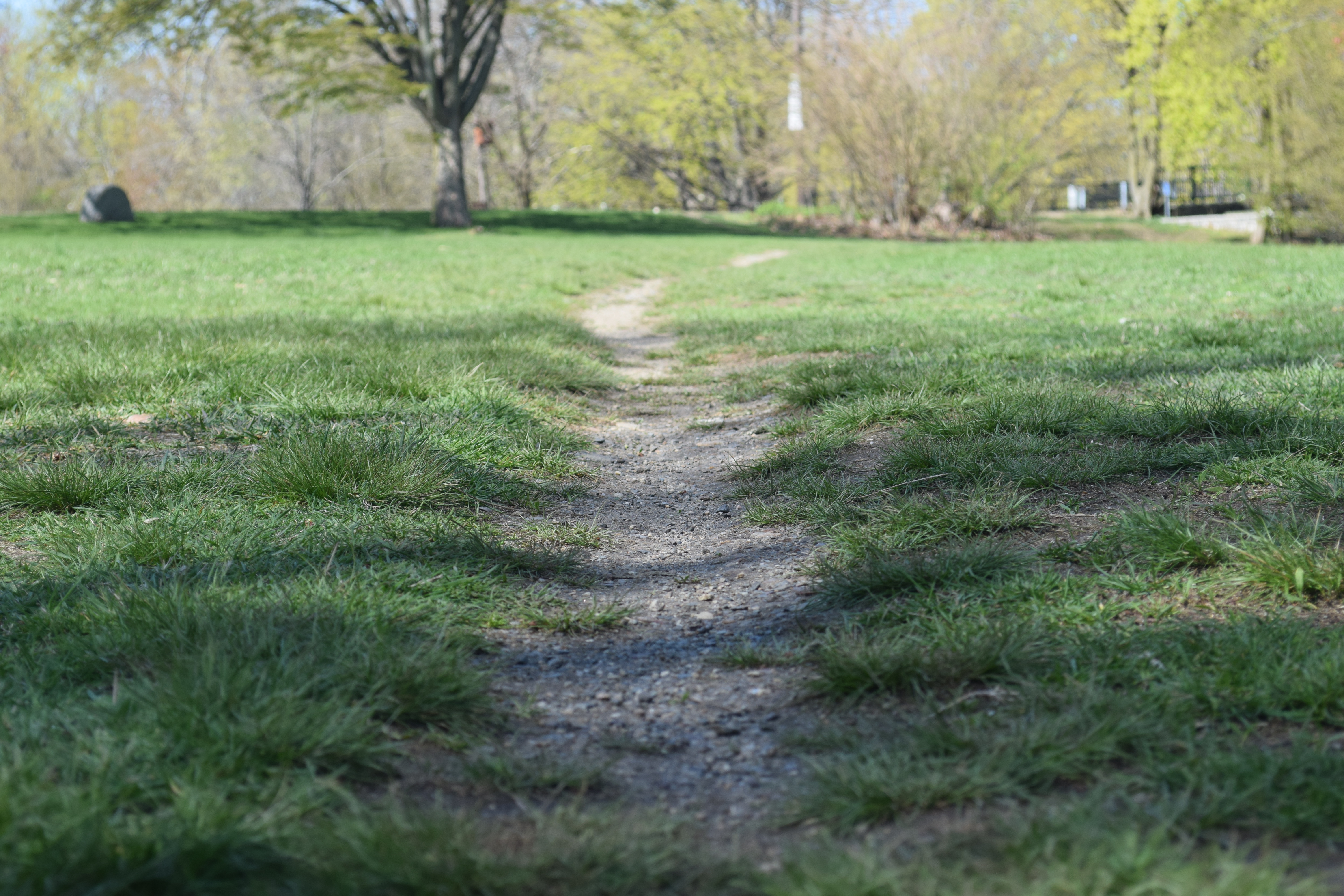
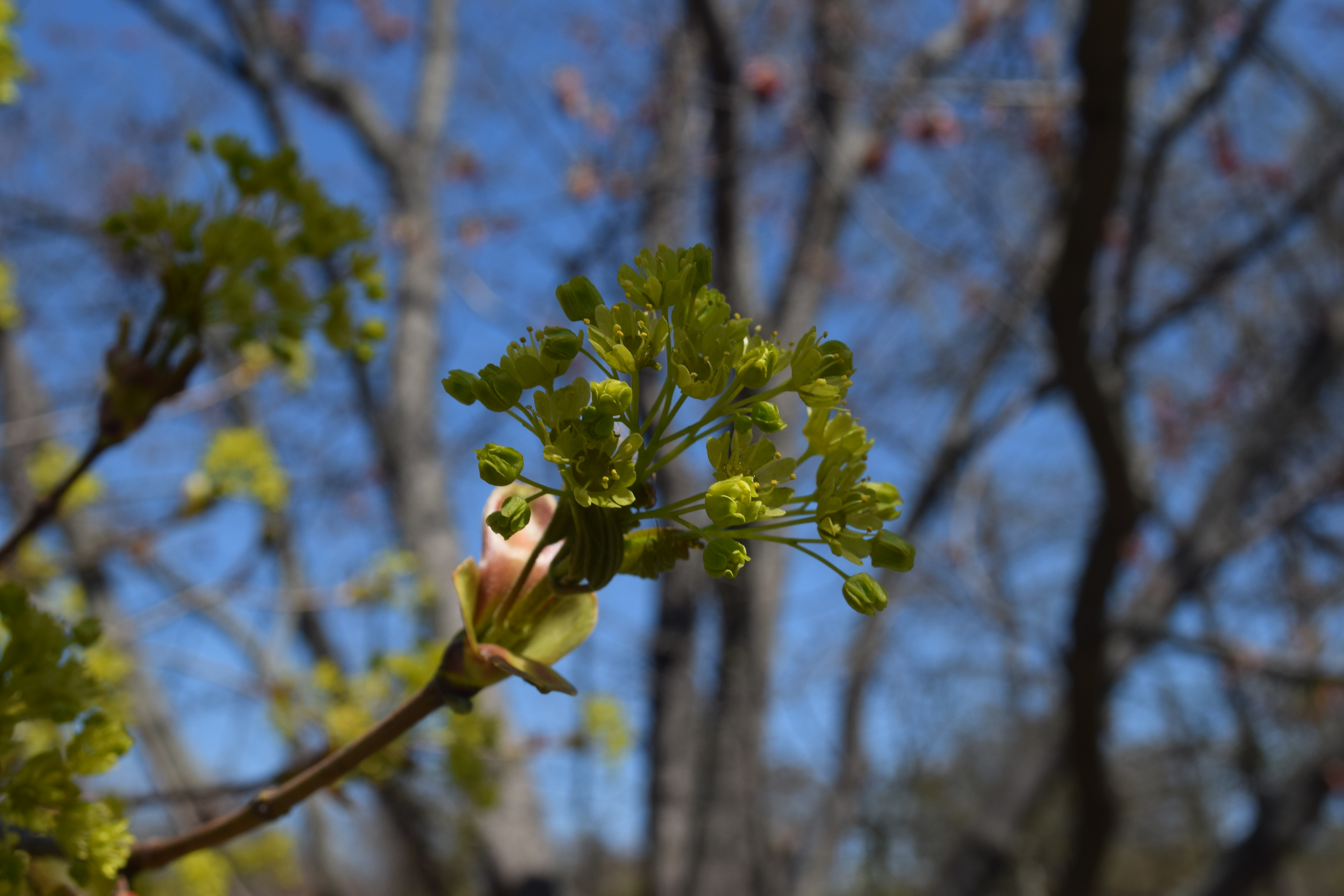
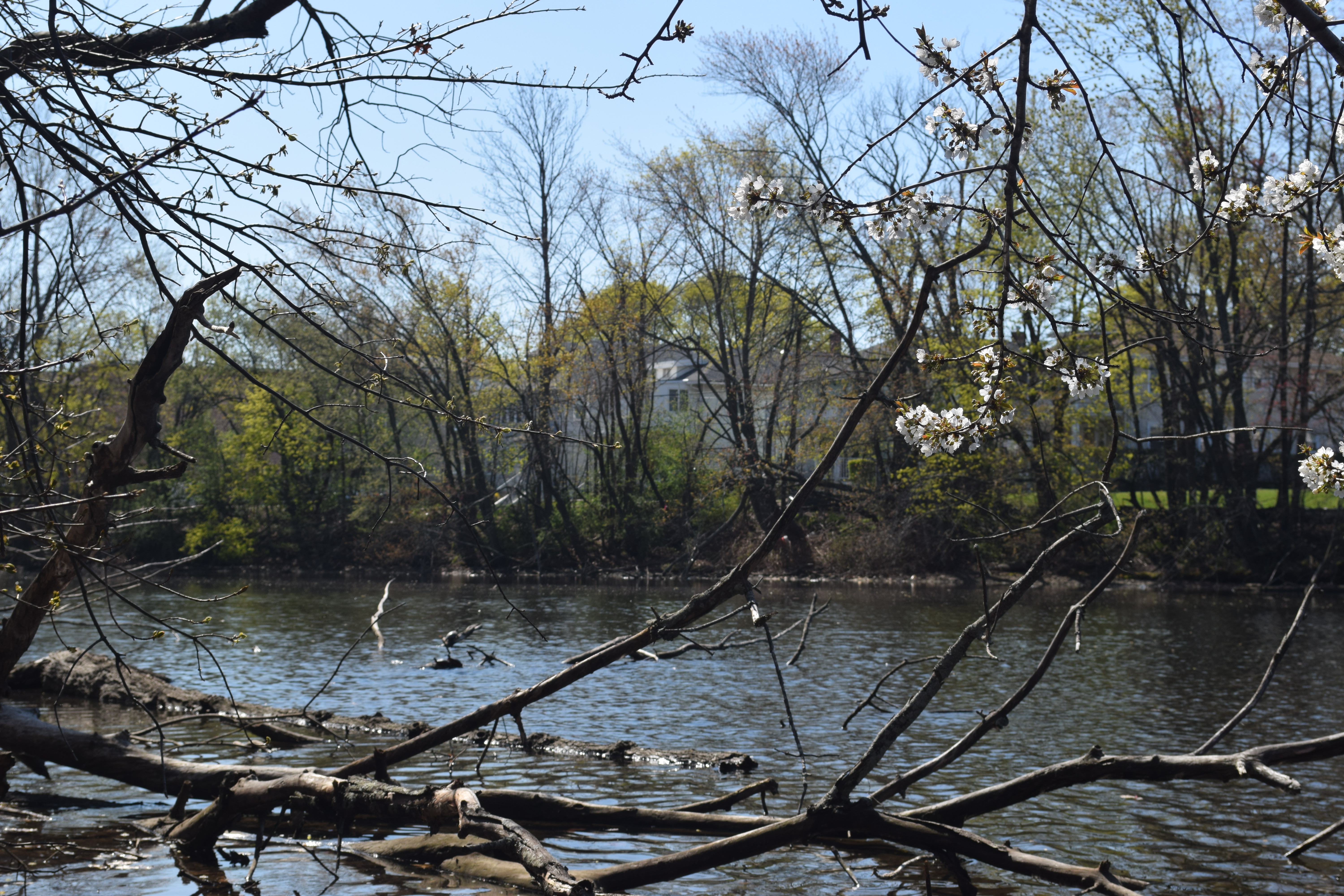
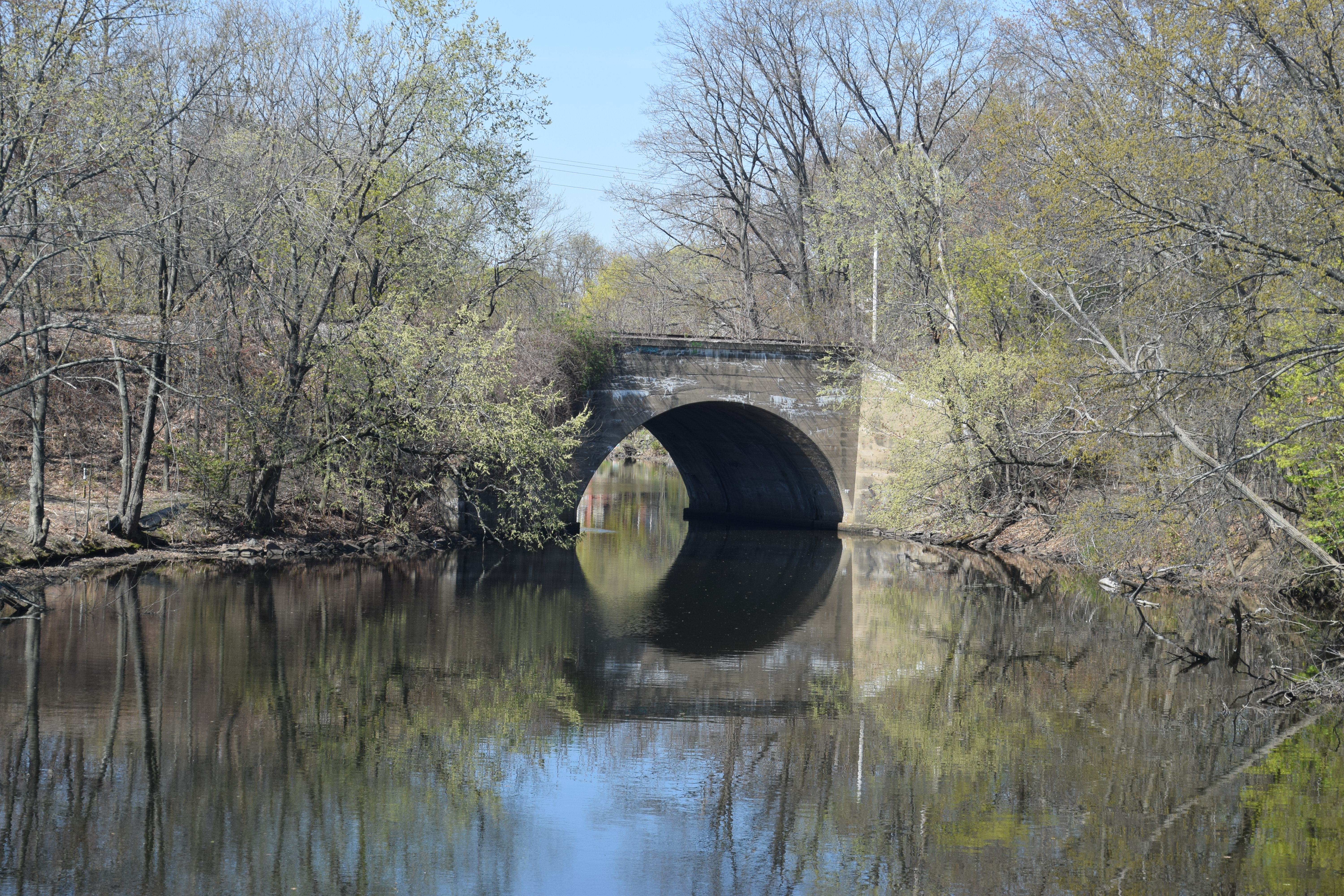
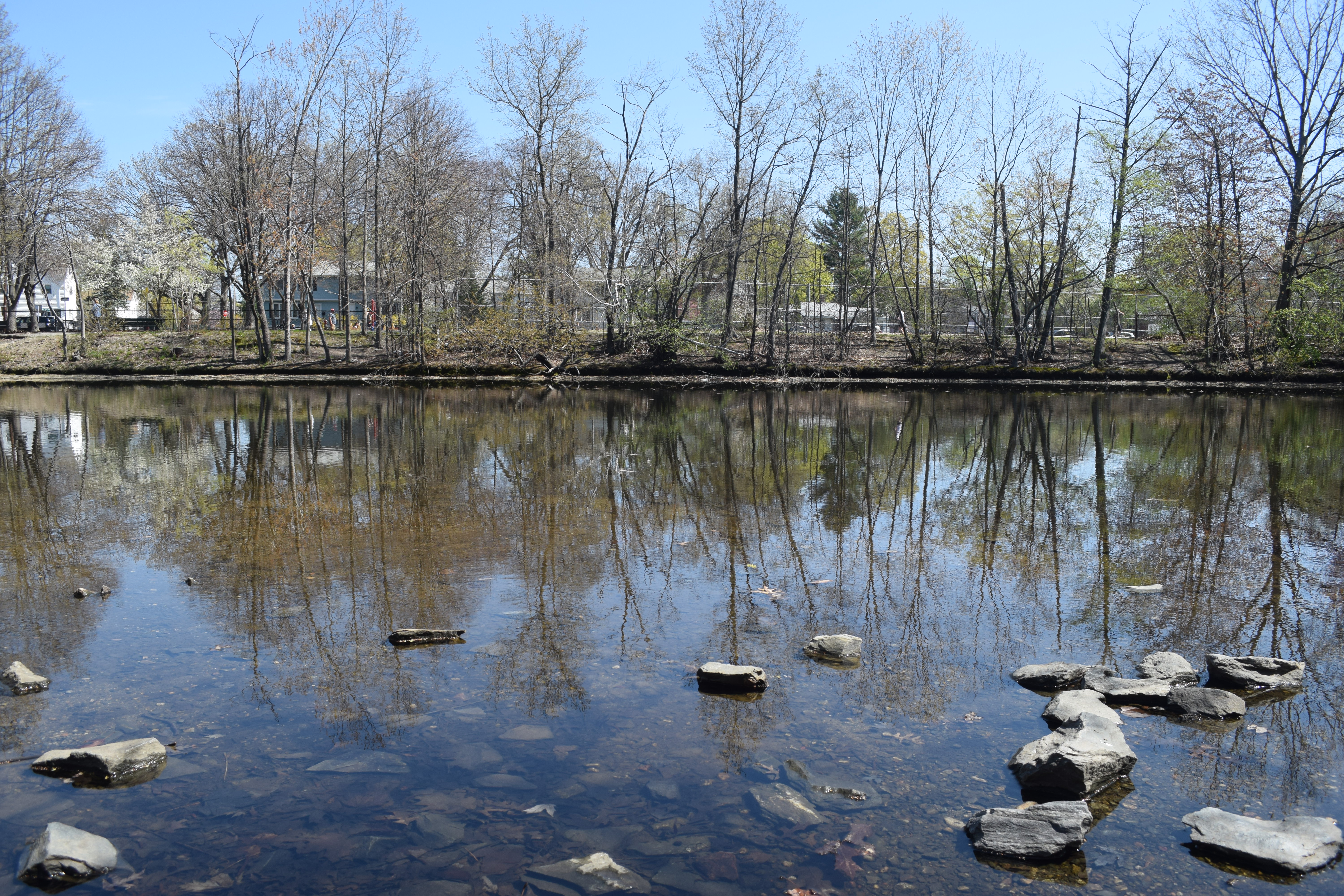
Sound on Mystic is an outdoor audio installation combining music, spoken word, sound art and ambience into an immersive experience. It is located along a two-mile stretch of the Mystic River in Medford and Arlington, Massachusetts, and is accessed through ECHOES, a free mobile app that uses GPS data to cue different sounds at various sites. Once you download the app, just put on a pair of headphones, take a walk within the installation’s extensive boundaries, and you'll hear a diverse set of sound works that are all united by the river itself, and its complex legacy as a place of history and nature, community and conflict, labor and recreation.

Access Instructions:

  1. Install the ECHOES app (the link is below, skip to step 3 if you've already found the walk in ECHOES)

  2. Search for "Sound on Mystic" inside the app

  3. Download the walk (this will function better than streaming the walk)

  4. Close out other apps on your phone that access your location and may interfere with ECHOES

  5. Go to the river and open the walk. You will see a map with areas highlighted in blue. As soon as you enter a highlighted area, sound will automatically begin to play. Depending on how fast you walk, some pieces will overlap with each other, or some pieces will play completely leaving a period of silence. Don't worry, that's all just part of the experience -- enjoy!

Sound on Mystic is created by Ian Coss, Dwayne A Johnson, and Gary Roberts, with funding from the Medford Arts Council and Arlington Cultural Council, and support from the Mystic River Watershed Association. Contact us at soundonmystic@gmail.com.
Alewife Hearing

Alewife Hearing is a sound art piece inspired by the plight and perseverance of the Alewife Herring in its migration along the Mystic River and the Alewife Brook. The piece speaks of the river herrings' remarkable, annual upstream run from the sea to their freshwater birthplace to spawn. Alewife Hearing is the sound of an impassioned race for survival over centuries of an ever-changing habitat.

Joanna Hay’s free verse poem about the Alewives, read by actor John Shea, is woven with her violin improvisation, fragments of a 17th century hymn, and a contemporary fiddle tune. Watershed scientist, Andrew Hrycyna, calls this migratory river herring a “charismatic fish” and local historian Dee Morris remarks on the value of the herring to Native Americans and pilgrims for food and fertilizer. Each voice speaks to the importance of the herring as an indicator of a healthy Mystic River watershed. Medford’s shipbuilding legacy is heard in the bells between the voices and the fiddle tune finale reflects the ongoing continuum.The cough, snitch, gulp and bubble of the Alewives are the sounds of the underwater universe that co-exist inextricably with life in the skies and on terra firma.

Credits: Alewife Hearing: A poem by Joanna Thornewill Hay John Shea, voice actor Dee Morris, Medford historian Andrew Hrycyna, watershed scientist, Mystic River Watershed Association Joanna Hay, violin/viola performance Sound of the Alewives by Rodney A. Rountree Poulet Poulet Studios, Nantucket, Mass, Caleb Cressman recording engineer Ian Coss, Final Mix and recording of the sound of water from a drainage pipe at the Alewife Brook,

Music: Alewife Hearing violin improvisation (written by Joanna Hay) Psalm 24 from the Ainsworth Psaltery (early 17th century) La Farge, a fiddle tune by Caleb Cressman (2012)

1 sound

Freightways

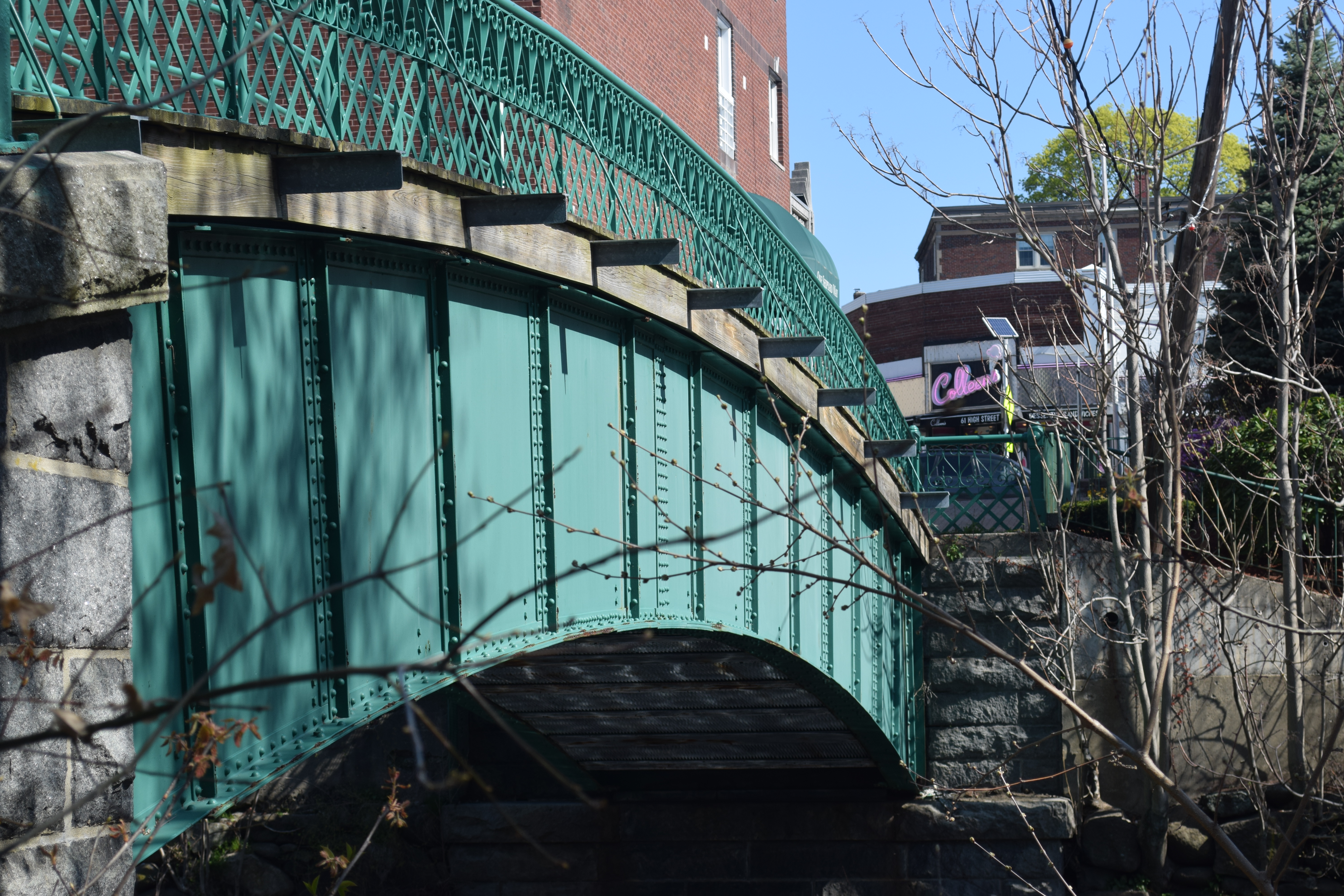
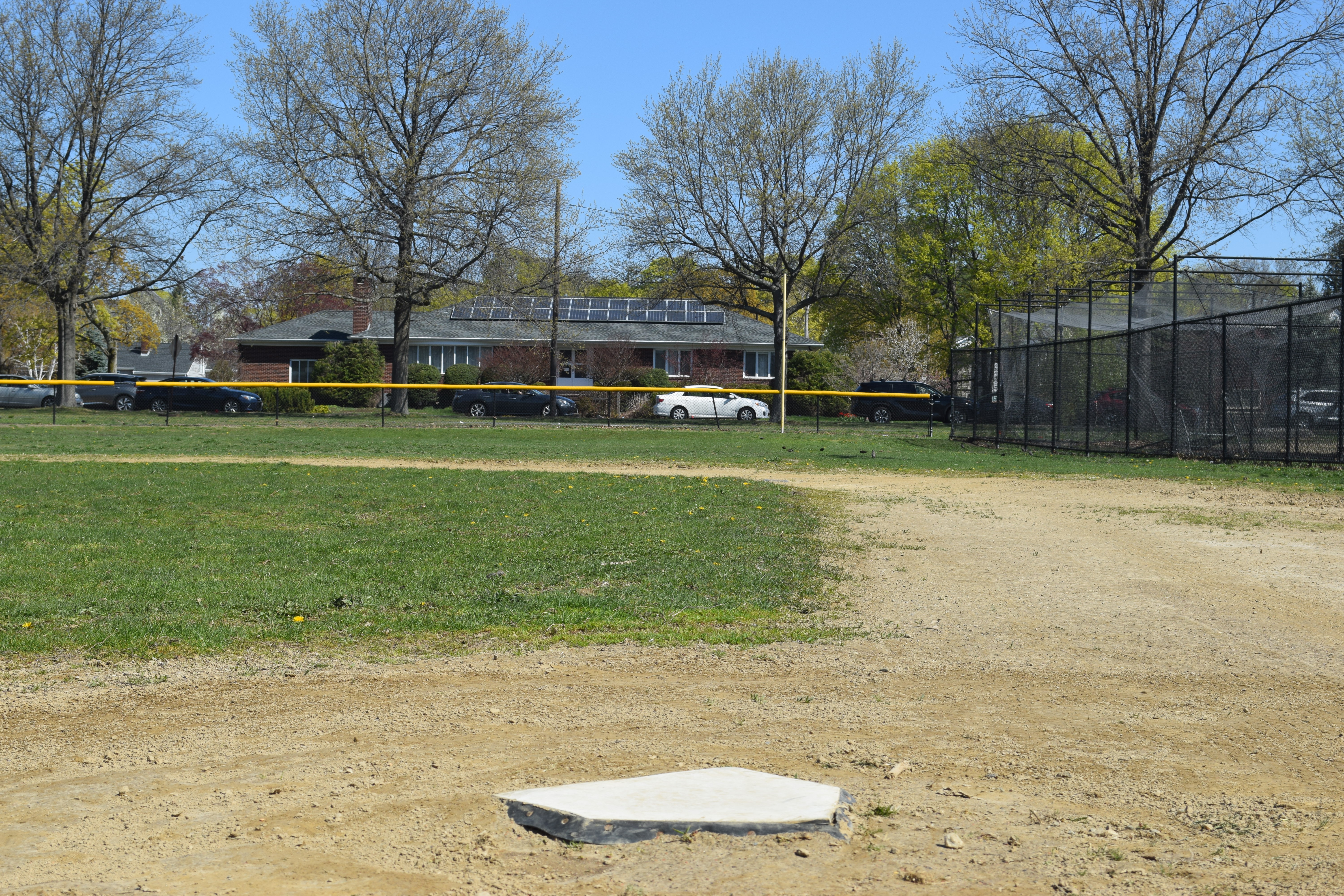
The Mystic River crossing at Medford Square is an ostensibly natural site, but it's been rigorously shaped by the needs of commerce and transportation, from Paul Revere's fabled ride over the Cradock Bridge, through the ten shipbuilding yards of the 19th century, the Boston & Maine Railroad that ran into the square until I-93 tore it down, the water main running from the Chestnut Hill Reservoir through the Pipe Bridge, to the cars, bicycles, and MBTA buses of today. Through field recordings captured on the site and at nearby locations downstream, I've tried to weave the sonic residue of those human systems back into the sounds of the natural environment, all captured onsite or at nearby locations in Medford. The three movements of this ambient soundscape are designed to slide against each other depending on what route you take through the site, so the pace and path of your footsteps also help shape the composition.

Michael Dewberry is a multidisciplinary artist, toolmaker, and Medford resident. His work includes sculpture (with two pieces currently installed in the Boston area) sound and production design for theater (Ghost Box, Theatre@First, Post-Meridian Radio Players) and live audiovisual improvisation with electronics and software (Anagram, Hybrid Decliners, Video Bleep.) By day he makes design tools for architects.

Saxophone - Chuck Lechien Jr Vocals - Rebecca Kopycinski Adze - Ed McCabe Special thanks to the Hull Lifesaving Museum Maritime Program

1 sound

DOWNLOAD OUR APP TO DISCOVER THIS TOUR AND MANY OTHERS.

play-storeapp-store

Or start creating tours, treasure hunts, POI maps... Just let your imagination guide you.


Other walks nearby

Hydrophonic Discoveries: Sonic Ecologies of Global Rivers

Hydrophonic Discoveries: Sonic Ecologies of Global Rivers

Boston
River Listening is an interdisciplinary project that invites participants to explore the hidden acoustic ecologies of waterways through an immersive, technologically mediated listening experience. Drawing from a decade of hydrophone recordings and scientific research, this soundwalk transforms the site into a dynamic sonic environment that reveals the rich life beneath the water’s surface. Hydrophonic Discoveries is an immersive soundwalk that reflects on the project’s last decade of work and unveils the hidden acoustic ecologies of river ecosystems through cutting-edge underwater sound recording technologies. This interdisciplinary project transforms scientific research into an artistic experience, inviting participants to explore the soundscapes of global river systems. Drawing from over 300 hours of hydrophone recordings collected from global river systems, the soundwalk bridges art, science, and environmental awareness. The artistic outcomes from River Listening are central to our public engagement efforts, which include soundwalks and live-streaming hydrophone arrays. These artistic projects have contributed to the advancement of scientific recording techniques and ecoacoustic methods. The River Listening project has presented over 35 soundwalk projects on the Echoes platform since 2014 and was an early adopter of this platform. Created by Dr Leah Barclay and Dr Toby Gifford for ICMC Boston 2025 www.riverlistening.com \#RiverListening
free
Ephemerospherical walk: Bats of the Public Garden

Ephemerospherical walk: Bats of the Public Garden

Boston
This roughly 1/3-mile sound walk should last around 15 minutes, but can be longer as desired, and listeners may pause at any point of the walk, as all sound events are looped (except the last one). Listeners will start at the Ether Monument, following a path from there east towards the pond and then south along its bank. Listeners are invited to take this path as slowly as they like. The action picks up a bit on the bridge over the lagoon, then walk east to finish the walk at the Bagheera Fountain. Bat walking is by necessity an active form of listening: When I’ve participated in bat walks, using my bat detector to make the animals’ calls audible, the other participants - often including young children - looked up in wonder whenever they heard a call, knowing a bat was about to flit by and would only be visible for a few moments. Bats don’t creep into, or come crashing into, your auditory attention. This sound walk is designed to suggest the feeling of a bat survey on foot. Normally a nighttime activity done with ultrasonic detectors, Bats of the Public Garden can be experienced any time of day. Rather than an attempting to be “realistic,” the soundscape is layered, shifted, and processed to communicate the urgency, mystery, and musical rhythm that arises from the joint improvisation of animal and human rhythms. At various points, the sounds of the bats will be combined with sounds from other ephemeral occupants of the garden - frogs, crepuscular birds, amphibians, and fish - along with voices of mythical, imagined, and other-than-nonhuman beings.
free

Are you a creator?

START HERE

Privacy & cookie policy / Terms and conditions

© ECHOES. All rights reserved / ECHOES.XYZ Limited is a company registered in England and Wales, Registered office at Merston Common Cottage, Merston, Chichester, West Sussex, PO20 1BE

v2.5.15 © ECHOES. All rights reserved.