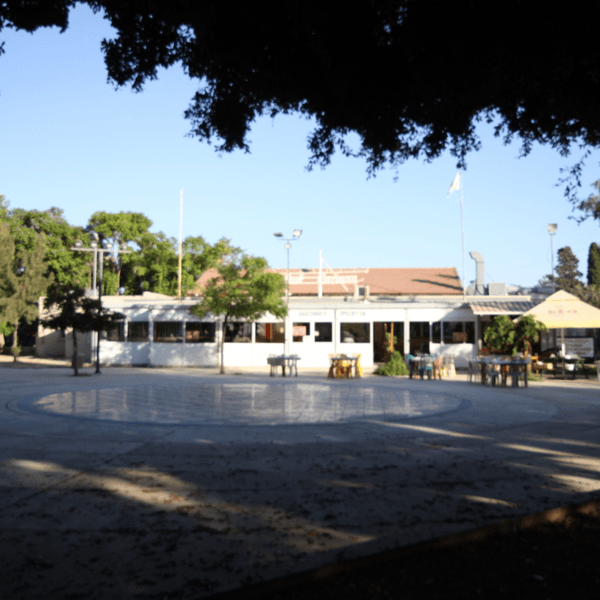
the Park Gazinosu
1 sound
Το Παρκ Γκαζίνοσου
Κιμέτ Αλίμπεϊ: Τζ̆αι μετά, είσ̆εν έναν μεγάλον… Το παλιό κοιμητήριον στο κέντρον της Λεμεσού εμετατράπηκε σε δημόσιο κήπον. Εμετέφεραν ούλλα τα οστά στο καινούργιον. Τζ̆’ έβαλαν φράχτη γύρω του. Τζ̆’ έβαλαν στο ράφι, ξέρεις, ξύλινα αντικείμενα. Τζ̆’ έκτισαν έναν πολλά ωραίον κτίριο τζ̆ειαμαί για τα πράματα των γάμων, εσυνήθιζαν να…
Τζ̆αι θθυμούμαι την κουνιάδα μου, επαντρεύτηκεν μετά που ’μέναν. Ήταν η πιο μεγάλη που ούλλες μας. Αλλά ήταν πολλά διάσημη ράφταινα στην Λεμεσόν, που έραφκε νυφφικά. Ξέρεις, οι γάμοι ήταν πολλά… Δεν ήταν μόνον έτσι. Ξέρεις, πρώτα, οι γάμοι στην Λεμεσόν, πρέπει να ράψεις έναν νυφφικόν, έναν φουστάνιν για την Νύχτα της Χέννας τζ̆’ έναν φουστάνιν για την πρώτη νύχτα, έναν άσπρον. Τζ̆αι μετά που τούτον, είτε θκυο μέρες είτε τρεις μέρες, Δευτέρα, Τρίτη, κάποτε μέχρι την Τετάρτη, ράφκεις διαφορετικά φουστάνια, μακριά φουστάνια πλουμιστά… Τουλάχιστον μέχρι την Δευτέρα - ξέρεις, μερικές φορές δεν είχαν λεφτά για τέσσερα φουστάνια. Έκαμναν μια τελετή σε έναν μέρος με καλεσμένους, εσυνήθιζαν να… Αν δεν είσιες προσκλητήρια, μερικές φορές… Ήταν φτωχοί, δεν είχαν προσκλητήρια. Είσ̆εν μια γυναίκα. Επροσλάμβανες την τζ̆’ επήαιννε σε ούλλα τα σπίθκια: «Ελάτε στον γάμο του τάδε τζ̆αι της τάδε την Κυριακή» στο σινεμά Ταξίμ ή κάπου αλλού ή στο Παρκ Γκαζίνοσου, ήταν το Παρκ Γκαζίνοσου.
Γάμοι, γενέθλια, αρραβώνες, ή οτιδήποτε ήθελαν να γιορτάσουν. Μπορεί γιορτές αποφοίτησης… Είσ̆εν πολλή κίνηση τζ̆αι μετά είχαν επίσης τζ̆είνον το κοινοτικόν κέντρον… Αλλά το κοινοτικόν κέντρον ήταν το νοσοκομείον ύστερα, μετά το ’63 εκάμαν το νοσοκομείον. Δεν ξέρω αν το ανέφεραν, εσύ ξέρεις το; Τζ̆είνον ήταν επίσης κοινοτικόν κέντρον.
*Προγαμιαίο τελετουργικό κατά το οποίο η μέλλουσα νύφη βάφεται με χέννα, για να εγκαταλείψει το οικογενειακό της σπίτι τζ̆αι την ταυτότητά της ως κόρη τζ̆αι να μεταβεί στο νέο σπίτι ως σύζυγος.
_
Χουσεΐν Αρσάλ: Έχει έναν πάρκον. Πάρκον… Νναι, νναι, είσ̆εν έναν πάρκον τζ̆ειαμαί. Ήταν κοιμητήριον αλλά το εμετέτρεψαν σε πάρκον. Γκαζίνον, χαχα… Ήταν τζ̆ειαμαί. Τζ̆’ εμείς… Στα νιάτα μας…
Νναι, νναι, νναι, νναι, νναι… Αλλά τωρά, εννοώ… Ο κόσμος της Λεμεσού, κάθε εβδομάδα, χωρίς εξαίρεση επήαιννε κάπου για σουβλάκια: στου Νιαζί, στο Μπριτάνια, στου Μποζόκ… Εννοώ, σίουρα, επηαίνναμεν τζ̆’ εμείς. Αλλά, ποια ήταν η νοοτροπία, το σκεπτικόν που πίσω του; Τωρά, αν πάεις σε έναν εστιατόριο, έχεις το γεύμα σου, έχεις έναν ποτόν, επαράγγειλες τζ̆’ έναν κρασίν τζ̆αι το κρασίν ετέλειωσεν. Οι επιχειρηματίες της Λεμεσού ελέαν σου: «Να σε κεράσουμεν έναν μπουκάλιν, » τζ̆’ εβάλλαν το στην μέση του τραπεζιού. Έτσι ένι!
Τζ̆αι τούτον είδαν τούντα μμάθκια. Αν κάποιος έρκετουν στο μαγαζίν μου, εψούμνιζε, εν υπάρχει τέθκοιον έθιμον πουθενά αλλού, ξέρεις πώς ο πελάτης ’γοράζει λλία πράματα; Εννά πούμεν, «τούτον εν’ που το μαγαζίν.»
_
Ερτάν Ντεμιράγ: Το σινεμά Ταξίμ, ωωω! Το σινεμά Ταξίμ… Εκάψατε το! Λοιπόν, τα σαββατοκυρίακα επηαίνναμεν στο σινεμά Ταξίμ. Πρώτα, ήταν να πάμεν στο πάρκον, το Παρκ Γκαζίνοσου, όπου ήμασταν… Σήμμερα διαχειρίζεται το το ΑΚΕΛ. Το Παρκ Γκαζίνοσου… Τζ̆ειαμαί, στην είσοδον, ήταν ο θείος Οσμάν, έκαμνεν γύρον, εγοράζαμεν τους γύρους μας τζ̆’ ετρώαμεν τους. Που τζ̆ειαμαί, ήταν να πάμεν στο σινεμά. Η πρώτη ταινία ήταν συνήθως τούρκικη ή εγγλέζικη. Επειδή έδειχναν θκυο ταινίες κάθε νύχτα. Πηγαίννοντας στο σινεμά, ένι ξέρω, στο αναψυκτήριον του πάρκου, στην γειτονιά μας, την γειτονιά του Αγιαντόν, μέχρι το κτίριο του Ταξίμ… Το καλοκαίρι είχαμεν δύο καφενεία, τα καφενεία του θείου Μοχάμεντ τζ̆αι του θείου Ραζίμ. Τζ̆αι είσ̆εν ταβέρνες στην περιοχή. Τζ̆αι το ιδιαίτερον με την Λεμεσόν ήταν ότι είσ̆εν πολλά εστιατόρια. Ήταν το μπαρ Νew Rοmantic, το μπαρ Οld Rοmantic, ήταν ο Νιαζί, ο διάσημος Νιαζί. Εν’ που την Λεμεσόν, ήταν τζ̆είνον. Ήταν το μπαρ του Χαλίλ Χάμζα. Ήταν το Μοοnlight, ήταν το έναν, το άλλον. Τα σαββατοκυρίακα, τούτα ήταν γεμάτα. Όι μόνον Τούρκοι, αλλά τζ̆αι οι Βρετανοί τζ̆αι οι Έλληνες επηαίνναν τζ̆ειαμαί. Η ζωή στην Λεμεσόν ήταν… Τζ̆είνον ούλλον το «οι Έλληνες εν μπορούν να μπουν, οι Τούρκοι εν μπορούν να μπουν», δεν υπήρχε τίποτε τέθκοιον! Για παράδειγμαν, η τουρκική νεολαία ήταν στες δισκοθήκες τα σαββατοκυρίακα, επειδή εν είσ̆εν καθόλου δισκοθήκες στον βορρά. Πρώτα ήταν να παν’ στο σινεμά. Ήταν να φύουν που το σινεμά, οι νέοι, τζ̆είνοι που ήταν πιο μεγάλοι που εμάς, τζ̆’ ήταν να περάσουν την νύχταν στες δισκοθήκες. Τα φεστιβάλ, για παράδειγμαν. Η διασκέδαση μας. Ήταν το φεστιβάλ του παραλιακού στον Μόλον. Επηαίνναμεν τζ̆ειαμαί. Καρναβάλια… Το Καρναβάλιν, επηαίνναμεν σε τζ̆είνον. Τούτα ήταν τα… Μετά το ’74, μετά που άννοιξαν τα οδοφράγματα, επήα στο Καρναβάλιν μόνον μια φορά. Ξέρεις ποιον εν το έναν πράμαν που δεν επήα; Στη γιορτή του Κρασιού. Όταν επήαμεν την τελευταία φορά, κατά την επιστροφή μας, είχαμεν λάθος ώρα. Επήαμεν… Εμείς επήαμεν στες 5:00 μμ στην είσοδον του ζωολογικού κήπου. Αλλά η γιορτή άρχιζε στες 7:00 μμ, οπότε δεν εμπορούσα να πάω γιατί ήταν να φύουμεν. Εν το μόνον πράμαν που δεν επήα.
Σήμμερα βρίσκεται εκεί η Πλατεία Αναγέννησης, όπου στεγάζεται το Σωματείον Αναγέννησης Προσφύγων.
Park Gazinosu
KIYMET ALİBEY: Ve ardında büyükçe bir… Eski bir mezarlık vardı Limasol’un ortasında, şimdi halk bahçesi oldu. Bütün kemikleri [kalıntıları] yenisine daşıdılar. Ve etrafına tel çektiler. Ve bank koydular, oturmak için, bilin, tahtadan. Ve oraya çok güzel bir bina yaptılar düğünler hem başka şeyler için…
Ve hatırlarım, görümcem, benden sonra evlendiydi. Hepimizden daha büyüktü. Ama Limasol’un meşhur terzilerindendi, gelinlik yapardı. Ya da… bilin, düğünler çok şeydir… sadece gelinlik dikmezdi yani. Bilin, ilk, Limasol’daki düğünlerde, düğün olacağında, bir elbise kına gecesi için ve bir elbise da esas gün için, beyaz bir elbise. Ve ondan sonra, iki yahut üç gün sonra, Pazartesi, Salı veya Çarşamba’ya gadar, başka elbiseler giyerdin, uzun abiyeler, süslü püslü… En azından Pazartesi, bilin, bazen (paraları) olmazdı dört elbise için. Bir kutlama yaparlardı bir yerde ve herkesi davet ederlerdi... Düğün davetiyen yoksaydı, bazan… Fakirsaydılar, davetiyeleri olmazdı. Bir gadın olurdu. Ona para verirdin, o da bütün evleri gezip, “Falan filanın düğününe gelin pazar günü, Taksim sinemasında” ya da başka bir yerde veya Park Gazinosunda, işte Park Gazinosu buydu.
Düğünler, doğum günü partileri, nişanlar, ya da gendileri için kutlama yapmak isteyen herhangi bir durumda... Belki bir mezuniyet partisi… Aktifidi, ve sonradan da o Halkevi da vardı… Ama Halkevi hastaneden sonra, ‘63’den sonra hastaneye dönüştürüldü. Bilmem hiç bahseddilersa, bilin onu? Orası aynı zamanda Sosyal merkez idi.
_
HÜSEYİN ARSAL: Park dedin? Park… Ha, ha. Park vardı orda. Eerm… Mezarlığıdı eskiden da park oldu şimdi. Gazino, hah, hah… oradaydı.
Hah, hah… Ama şimdi, yani… Limasol’un insanı, her hafta, mutlaka, bir kebap yerine— Niazi’ye, Britannia’ya, Bozok’un yerine falan— (giderdi). İlla ki biz da giderdik. Ama zihniyet neydi, düşünce? Şimdi bir restorana gidersiniz, yemeğinizi yersiniz, içersiniz, bir da şarap söylediniz…şarap da bitmiştir. Limasol’daki esnaf alır bir şarap, “Bu da bizden” der, goyardı ortaya. Budur!
Ve biz, bunları gördük, bu gözler... Benim işyerime gelirsa biri, alışveriş yapar, başka yerde böyle bir adet yok, bişeyler alır ya? “Bu da bizden,” derik bir tane.
_
ERTAN DEMİRAĞ: Taksim sineması, oooh! Taksim sineması… E, yakdınız! E vallahi, haftasonları Taksim sinemasına…önce giderdik Park Gazinosu vardı bizim evin orda… Bugün, şey, AKEL’in kontrolünde olan bir yerdir, Park Gazinosu… Orda, girişinde, bir Osman Dayı vardı, dönerci, alırdık dönerimizi, yerdik. Ondan, sinemaya giderdik. İlk film Türkçe…bazen Türkçe bazen İngilizce… çünkü bir gecede iki film oynanırdı. Cumartesileri bir da dombula çekilişi varıdı…onu da…millet alem yapardı, eğlence yapardı o sinemada. Yani, dönemin insanlarının eğlencesi, işte, sinemaya gitmek, ne bileyim, Park Gazinosuna gitmek…bizim mahallede, Ayandon mahallesinde, Taksim…Bilhassa, o yazın, orda iki dane kahvemiz vardı, Uncle Muhammed Dayı’ynan Rasım Dayı’nın gahvesi. Ve çevrede bulunan meyhaneler vardı. Bir da Limasol’un özelliği, çok restoran vardı. New Romantic Bar vardı, Old Romantic Bar vardı, bu Niyazi var, meşhur Niyazi var… Limasolludur. O vardı. Halil Hamza’nın barı vardı. Şeyin vardı, Moonlight vardı, bilmem ney vardı. Bunlar, haftasonları, dolardı. Yani, sadece Türk değil, İngiliz’i da gelirdi, Rum’u da gelirdi. Limasol’da hayat, şeyidi… Yani… O “Rum giremez, Türk giremez,” şeyi yoğudu! Türk gençleri, mesela, hafta sonu, diskoteklerdeydi, Rum tarafındakı. Çünkü bizim Türk tarafında diskotek olmadığı için. Önce sinemaya gidellerdi. Sinemadan çıkardı gençler, bizim büyüklerimiz, diskoteklere…geceyi geçirirlerdi diskotekde... Festival, mesela, eğlencemiz. Deniz panayırı vardı Limasol’un… Molos’da. Oraya giderdik… Garnavallar… Garnaval, ona giderdik. Bunlar bizim şeylerimizdi… ‘74’den sonra, işte, kapılar açıla- bir defa giddim garnavallara. Tek gitmediğim şey bilin nedir? Şarap festivaline gitmedim… Son gittik Gilan’a da dönüşte, sahatı yanlış bilirler. Gittik … E, şey, saat 7’de açılır. E, biz saat 5’te gittik şeye, hayvanat bahçesinin kapısınamış, girelim, şeye, şarap festivaline. 7’de açıldı ve giremedim. Tek giremediğim şey odur.
günümüzde burası, Anagennisi Limasol Mülteciler Derneği'nin de bulunduğu Anagennisi Meydanı'nın bir parçasıdır.
KIYMET ALIBEY: And later, there was a big… The old cemetery in the middle of Limassol is turned to a public garden. They moved all the bones to the new one. And they put fence around it. And they put the shelf, things to sit, you know, wooden things. And they build a very nice building there for the wedding things, they used to….
And I remember my sister-in-law, he she got married after me. She was older than all of us. But she was a very famous dressmaker in Limassol making wedding dresses. Or, you know, the weddings were very… It wasn't only like that. You know, first, the weddings in Limassol, you know, you have to make one wedding, one dress for the henna night and one dress for the first day, the white one. And after that, either two days, or three days, Monday, Tuesday, sometimes until Wednesday, you make different kind of dresses, long dress with the things on… At least Monday, you know sometimes they don't have (money for) four (dresses). Τhey make one ceremony in a place where they invite people, they used to... Ιf you don't have invitation card, sometimes… They were poor, they don't have invitation cards. Τhere is a woman. Υou hire her, she goes all the houses, “Come to the wedding of these and these” on Sunday in Taksim cinema or in somewhere or the Park Gazinosu, that was Park Gazinosu.
Weddings, birthday parties, engagement parties, or anything is something to celebrate for their own. Maybe graduation parties… It was active and later they have that Halkevi also… But the Halkevi was the hospital later, after ‘63 it turned into a hospital. I don't know if they mentioned, you know that? That one was also as a social centre.
_
HUSEYIN ARSAL: There’s a park. Park… Υes, yes, there was a park there. Uuughh… It used to be a cemetery but then they converted it into a park. Gazino, haha… It was there.
Yes, yes, yes yes yes… But now, I mean… Limassol’s people, every week, without exception, would go to a kebab place: Niazi’s, Britannia, Bozok’s place… I mean, for sure, we went as well. But, what was the mindset, the thought behind it? Now, you go to a restaurant, you have your meal, have a drink, and you’ve ordered a wine, and the wine is gone. Limassol’s traders would say, “Here’s a bottle on us” and place it in the middle of the table. This is it!
And this is what these eyes witnessed. If someone comes to my shop, does shopping, there’s no other custom like this anywhere else, you know how the customer buys a few things? We’ll say, “Here’s one on the house.”
_
ERTAN DEMIRAG: Taksim cinema, oooh! Taksim cinema… You burned it! Well, during the weekends we would go to Taksim Cinema. First, we would go to the Park, Park Gazinosu where we were… Today it is under the control of AKEL. The Park Gazinosu … There, at the entrance, there was Uncle Osman, the gyro place, we would buy our gyros and eat them. From there, we would go to the cinema. The first movie would usually be Turkish or English. Because they would show 2 films in one night. And on Saturdays they had a lovely tombola night, and with that everyone would have fun at that cinema. I mean, that was the entertainment for people during that time. Going to the cinema, I don’t know, going to the refreshment bar at the park, in our neighbourhood, in Ayandon neighbourhood, by Taksim building… In the summer we had two coffeehouses, Uncle Muhammed and Uncle Rasim’s coffeehouses. And there were taverns around the area. And what was special about Limassol was that there were many restaurants. There was New Romantic Bar, there was Old Romantic Bar, there was Niazi, the famous Niazi… He is from Limassol, there was that. There was Halil Hamza’s Bar. There was Moonlight, there was this and that. These were, during the weekends, they’d be full. Not just Turks but with the British and Greeks would also go to these places. Life in Limassol was, thing… That whole “Greeks can’t enter, Turks can’t enter,” there was none of that! For example, Turkish youth were at the discotheques during the weekends, because there weren’t any discotheques in the north. First, they’d go to the cinema. They’d leave the cinema, the youths, those older than us, they’d spend the night at the discotheques... Festivals, for example. Our entertainment. There was the Limassol Beach Fair… in Molos. We would go there… Carnivals… Carnival, we would go to that. These were our… After ‘74, (after) when the gates (checkpoints) opened, I only went to Carnival once. You know what’s the one thing I haven’t been to? The wine festival… When we last went to Koilani, on the way back, we had the wrong time. We went… It started at 19:00. We went at 17:00 to the entrance of the zoo, why, because there’s a wine festival. But it started at 19:00, so I couldn’t go. That’s the one thing I didn’t go to.
presently the venue is part of Anagennisi Square, where Anagennisi Limassol Refugees Association is based

