Underfoot: The Facility

39 ECHOES

Location: Melbourne, Victoria, Australia
Underfoot Melbourne
Underfoot Melbourne
Local history, from below.

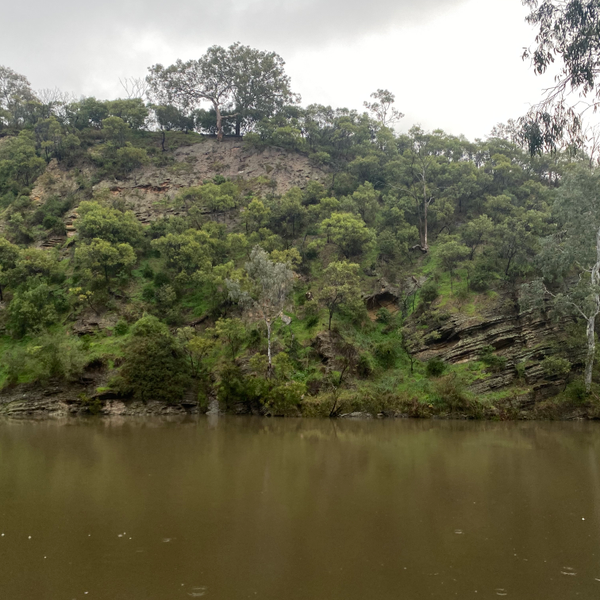
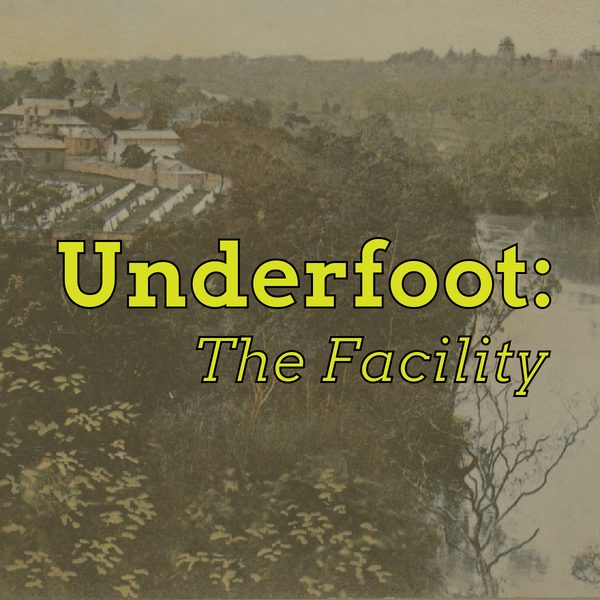
Yarra Bend Park is both beautiful and haunted. The site has been home to an insane asylum, a women’s prison, a Native School, a police barracks, an AIDS hospital, and more. The land tells the story of carceral logics over the last 150 years, and the whispers of resistance that still resonate today.

Underfoot: The Facility is an immersive soundscape by Liz Crash and Jinghua Qian, a multimedia journey through this lovely bit of Wurundjeri country where the Yarra River meets Merri Creek – and where thousands of people met grisly regimes of containment and control.

GUIDE FOR LISTENERS

We suggest you leave autoplay on for a more immersive experience, with the best chance of hearing ghosts, but you can also play audio manually for a less spooky, more self-guided tour.

Yarra Bend Park is huge and parts of it are inaccessible, so we’ve suggested a few different ways you can explore the park and its history.

1. Follow the STORY trail (easiest)

A pleasant 30 minute walk on mostly level, paved surfaces. From the Dights Falls picnic area, go north on the Main Yarra Trail as Liz and Jinghua introduce you to the key institutions that have defined Yarra Bend. This is the same audio as Episode 1 of the Underfoot podcast, in the form it was originally meant to be heard, on site.

2. Visit each KEY SITE (harder)

Takes most people a couple of hours and some huffing and puffing. Each area marked KEY SITE is the physical location of key sites and institutions mentioned in the MAIN STORY tracks, with further information and geolocated audio. Some key sites are on or near the main trail, some aren’t.

3. Do whatever (????)

Have a wander through the park and see what you find. We’re not the boss of you, there’s really no wrong way to do this. Except!

SAFETY AND CONTENT NOTES

Please be careful near water. The river banks are extremely slippery. Don’t do the tour at night, you won’t see anything and there’s a real risk of injury.

Underfoot: The Facility is not suitable for all listeners. It’s about institutional abuse, trauma, suicide, and nasty old racists (who we quote). We also swear a lot and talk about sex.

ACKNOWLEDGEMENTS

Underfoot: The Facility was produced with support from 3CR Community Radio, the City of Yarra, and the Public Records Office Victoria, on Wurundjeri and Boonwurrung land. We pay our respects to their elders past and present.

You can find out more about Underfoot at 3cr.org.au/underfoot.
STORY 1 A Beautiful Natural Prison

Is it surprising that prisons resemble factories, schools, barracks, hospitals, which all resemble prisons?

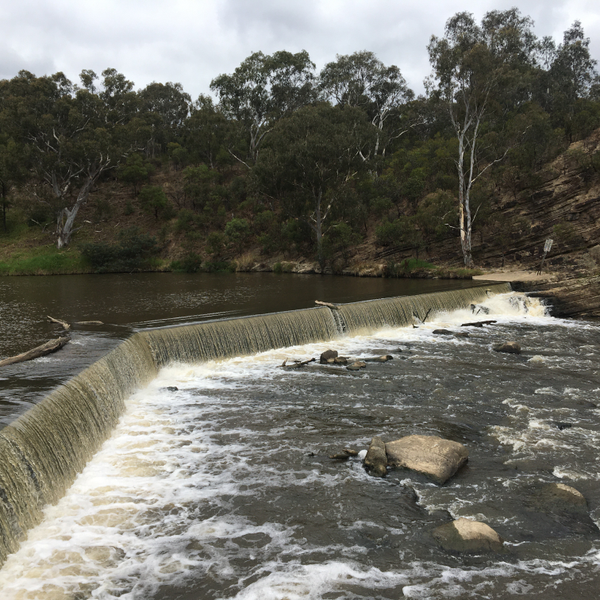
STORY 2 Don't Go Chasing Waterfalls (Dights Falls, Aboriginal sites)

Who built this waterfall? What was here before? Whose land, whose water?

Site 1, Dights Falls Site 2, Site 3 Site 4

STORY 3 Health, then and now

Today, Yarra Bend is a place of sport, relaxation, and connection with nature, and sport. This seems very different from its past as an institution of social control, but is it really?

Places mentioned:

Key Site 5, Yarra Bend Asylum Cemetery

Key Site 6, Yarra Bend Public Golf Course

STORY 4 Yarra Bend Asylum

"But it is all so sweet and wholesome; there is such a growth of vegetation, the buildings are dotted about so much like an Australian township, it is difficult to believe one's self in a lunatic asylum."

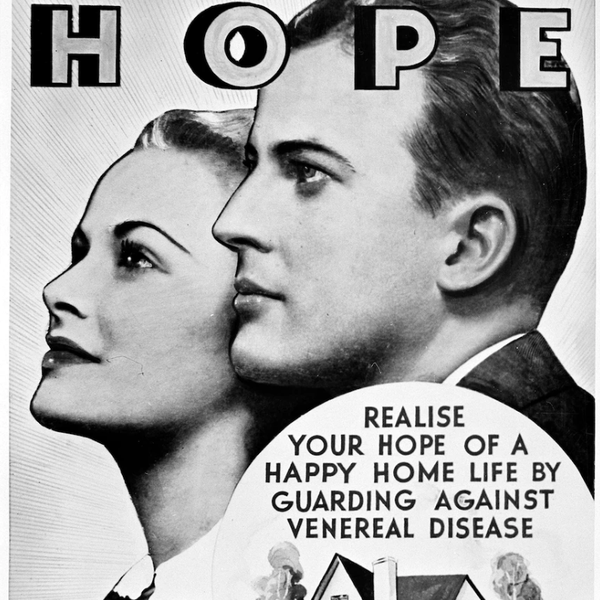
STORY 5 No Nose Club (Fairhaven Clinic)

What is "total paralysis of the insane"? It sounds like a band name.

Related places: Key Site 8: Fairhaven VD Clinic

STORY 6 Mad/Bad/Sad Girls Club (Fairlea Women's Prison)

Shortly after WWII, advances in the availability of next gen antibiotics made treatment quicker and easier, and in 1956 the Fairhaven clinic buildings were repurposed again for the newly established Fairlea Women’s prison.

STORY 7 Contagion (Fairfield Infectious Diseases Hospital)

From fever to cholera to polio to...

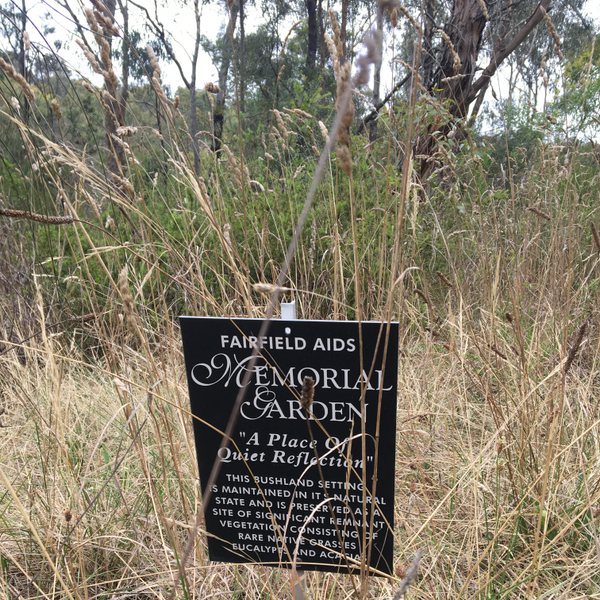
STORY 8 Memory and Forgetting (AIDS Memorial Garden)

It’s a pretty garden, but it’s sad, isn’t it?

STORY 9 Thomas Embling Rides Again, Unfortunately (Thomas Embling Hospital)

Your intrepid hosts discover a secret* building!

*it’s not really a secret, but it sure looks that way from the back!

KEY SITE 1 Dights Falls

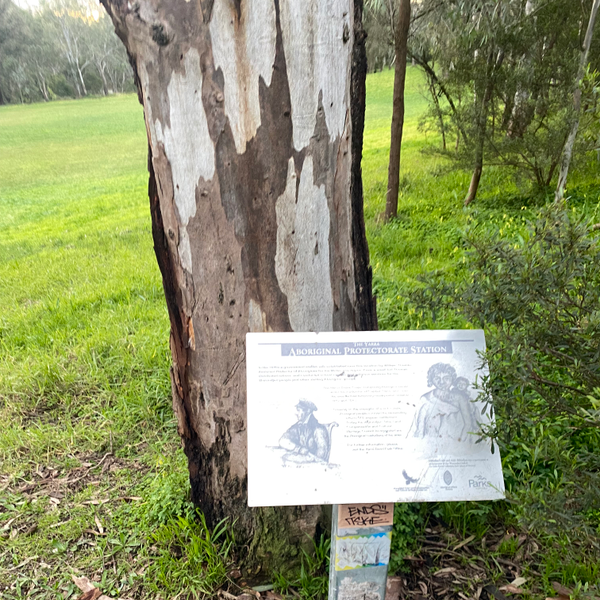
KEY SITE 2 Office of the Aboriginal Protectorate

Both the Protectorate and the Aboriginal School were initially linked to a mission site on the Merri Creek. The Protectorate sought to establish itself at Narre Warren, but was forced to move back to the Yarra Bend/Merri Creek area due to the resistance of Woi Wurrung/Wurundjeri people to relocation. In addition to the historical and cultural importance of this location, families wanted to remain close to students at the Merri Creek Aboriginal School. By the mid-19th century, violence and infectious disease had devastated Aboriginal people and reduced their capacity to resist removal from Melbourne (an urgent priority for Governer Charles La Trobe). The Protectorate duly moved to a rural location, marking the beginning of the mission system in Victoria.

KEY SITE 3 Merri Creek Aboriginal School

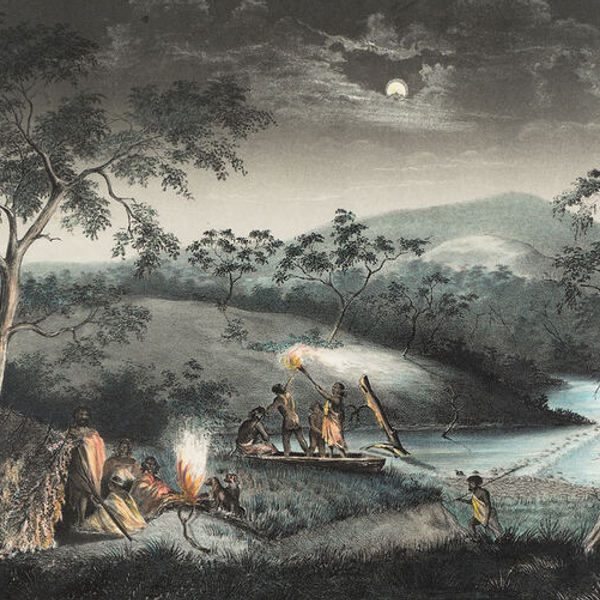
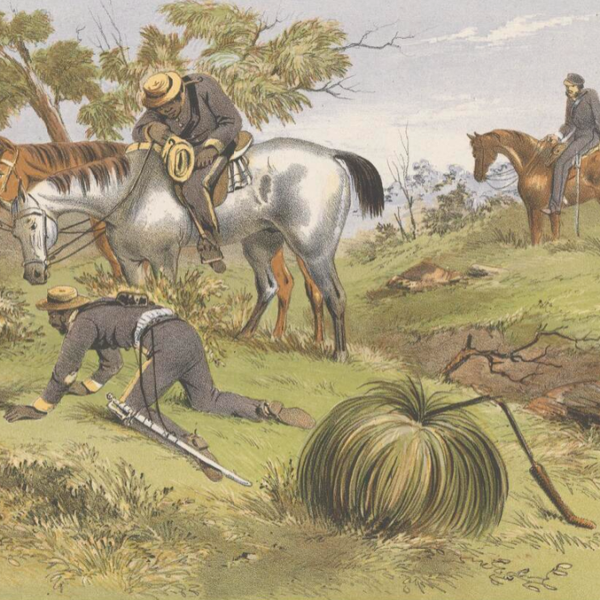
From 1845-1851, the Merri Creek Aboriginal School grew vegetables for Yarra Bend Asylum patients. The school closed in 1851 due to low student numbers. This was partly caused by recruitment to the controversial Native Police, which briefly had their barracks in this area.

The Eastern Freeway construction likely destroyed most archeological evidence of this site.

KEY SITE 4 Native Police Corp Barracks

Port Phillip Gazette. Wed 2 Mar 1842.

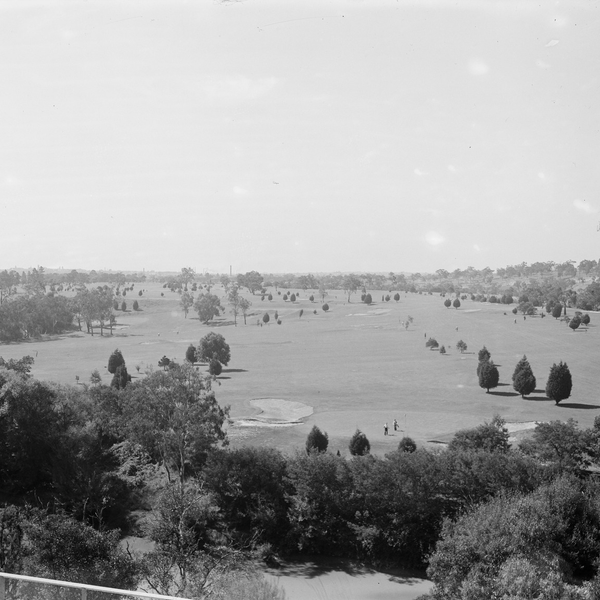
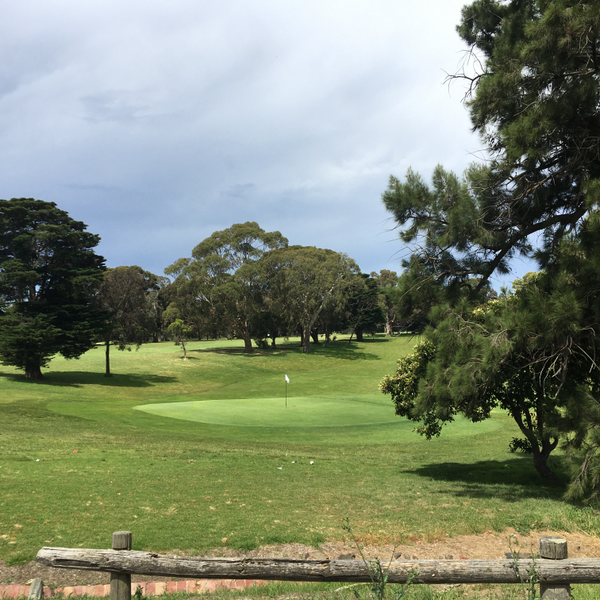
KEY SITE 5 Yarra Bend Public Golf Course and Clubhouse

Why IS half of Yarra Bend a golf course? The same reason half of everywhere along the Yarra is a golf course: historical factors!

KEY SITE 6 Cemetery, Yarra Bend Asylum

The asylum graveyard now lies, unmarked, under "Melbourne's premier golf course".

KEY SITE 8 Fairhaven VD Clinic

There's not much to see, but this is where the clinic was originally located. Later, it expanded into the old asylum buildings and covered a broader area.

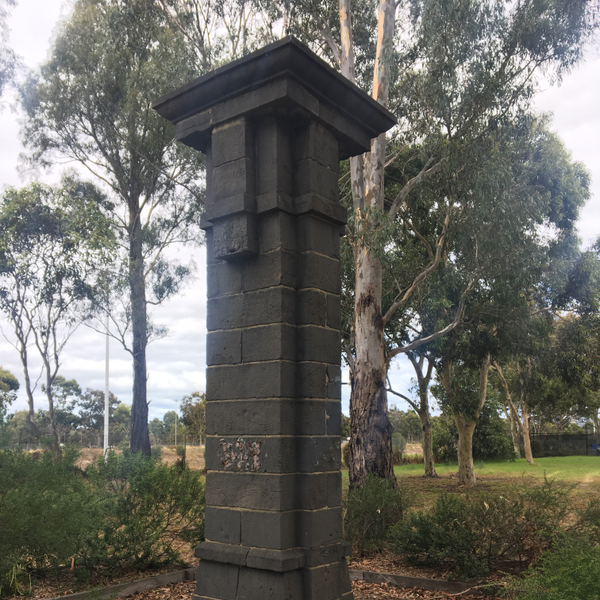
KEY SITE 7 Yarra Bend Asylum gate pillar

Actually, this isn't in its original place; it's been moved from the other side of the road.

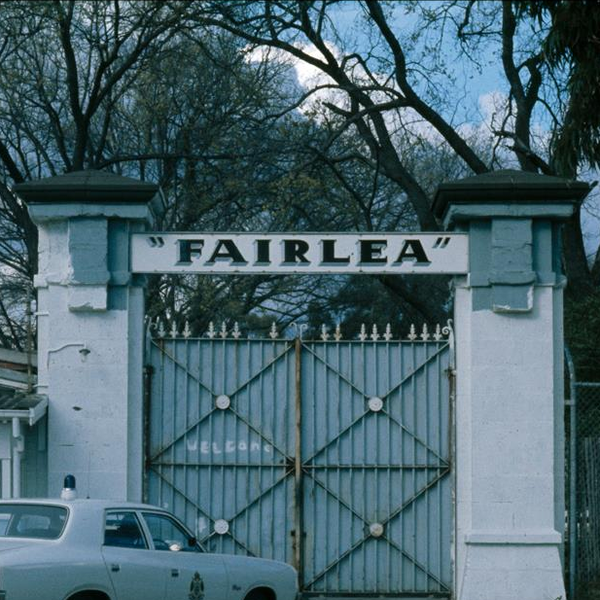
KEY SITE 9 Fairlea Women’s Prison

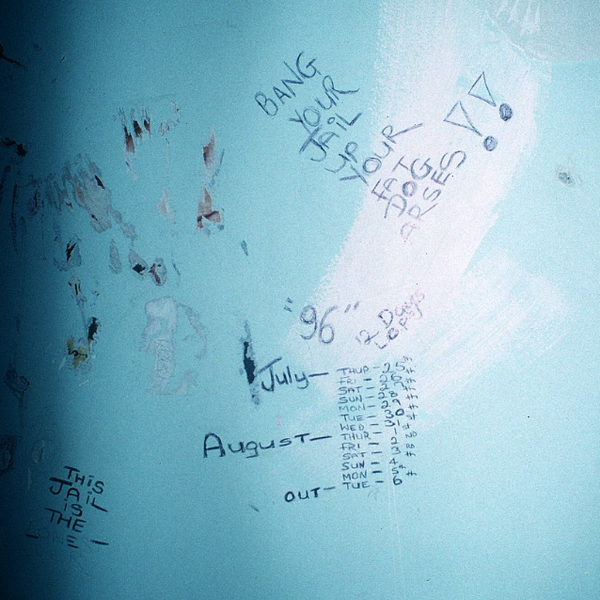
Fairlea Women’s Prison was the first dedicated women’s prison in Victoria, established in 1956 in the buildings formerly used for the Fairhaven VD clinic and Yarra Bend Asylum. Every year from 1988, anti-carceral feminists held “Wring Out Fairlea” protests outside the prison, and broadcast from inside.

In 1996 Fairlea was closed and its functions transferred to the Dame Philip Frost women’s prison in Deer Park (still operational). The buildings were razed to the ground.

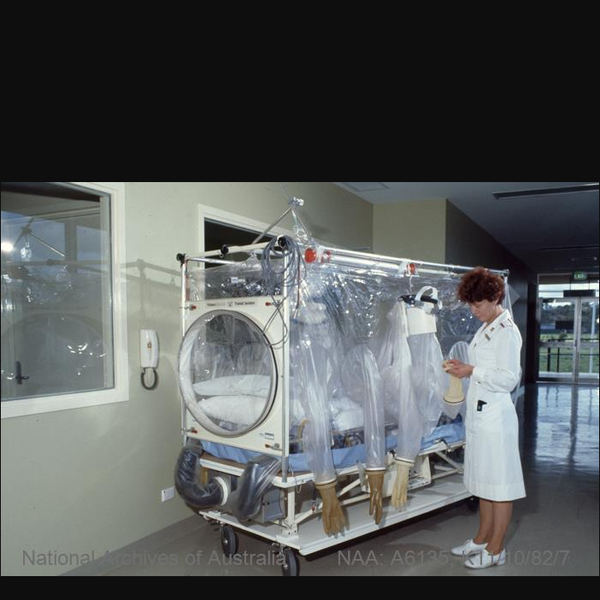
KEY SITE 10 Fairfield Infectious Diseases Hospital

Fairfield Infectious Diseases Hospital was built in 1904 to treat patients with seasonal epidemic infections such as influenza and typhoid. Later, it became the centre of HIV/AIDS treatment in Victoria.

KEY SITE 11 AIDS Memorial Garden

What you're hearing is an excerpt from Suzi's Story, a 1987 Australian television documentary about Vince and Suzi Lovegrove and their son Troy. Suzi didn't know she had already contracted HIV before meeting Vince. This documentary was made at Suzi's request to humanise people with HIV/AIDS. Tragically, both Suzi and Troy would die of complications of AIDS.

For more information, see Australian Screen Online.

Suzi's Story (1987)

A Kid Called Troy (1993)

KEY SITE 12 Thomas Embling Hospital

Psychiatric hospital for incarcerated people, still in operation. Named after the first resident medical officer from Yarra Bend asylum, showing historical continuity of the institutions.

At the time of writing in 2024, the Thomas Embling Hospital is undergoing renovation and expansion. The expansion is expected to create room for another 82 incarcerated patients, at a cost of $515.7 million – over $6 million per patient.

Thomas Embling Hospital expansion

Forensicare: Thomas Embling Hospital

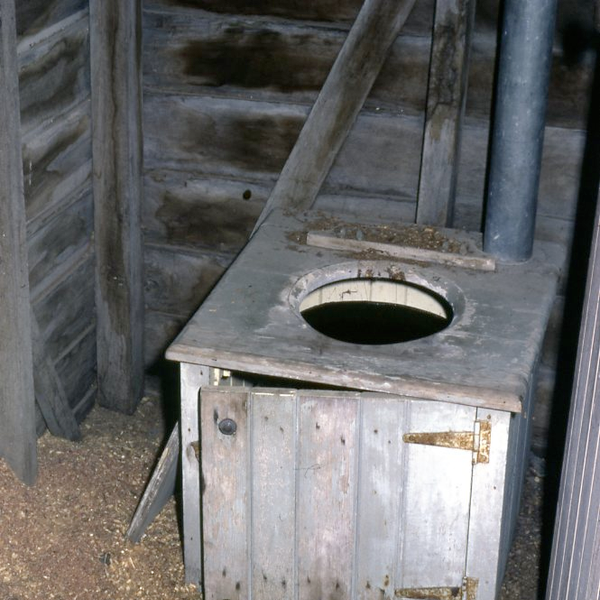
do you need to go?

Better safe than sorry!

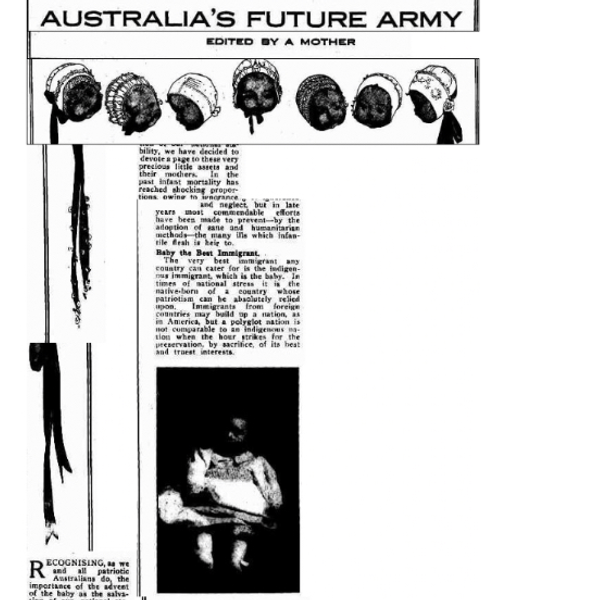
1917: AUSTRALIA'S FUTURE ARMY. EDITED BY A MOTHER.

“The very best immigrant any country can cater for is the indigenous immigrant, which is the baby. In times of national stress it is the native-born of a country whose patriotism can be absolutely relied upon. Immigrants from foreign countries may build up a nation, as in America, but a polyglot nation is not comparable to an indigenous nation when the hour strikes for the preservation, by sacrifice, of its best and truest interests.”

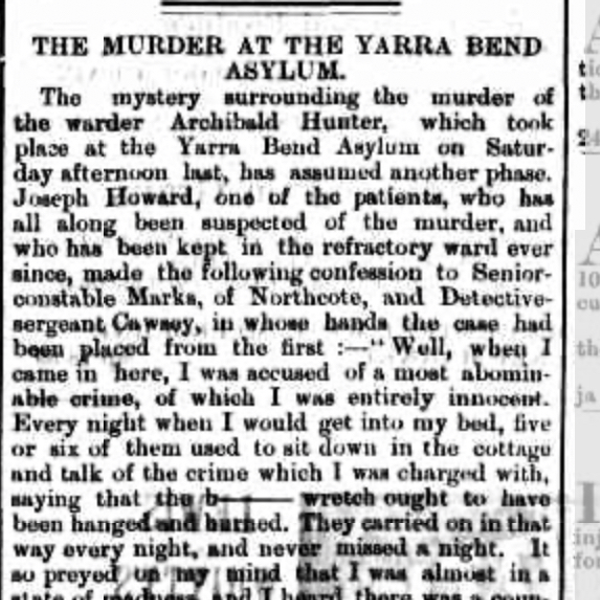
1889: MURDER AT THE YARRA BEND ASYLUM.

THE MURDER AT THE YARRA BEND ASYLUM.

The mystery, surrounding the murder of the warder Archibald Hunter, which took place at the Yarra Bend Asylum on Satur-day afternoon last, has assumed another phase.

Joseph Howard, one of the patients, who has all along been suspected of the murder, and who has been kept in the refractory ward ever since, made the following confession to Senior-constable Marks, of Northcote, and Detective-sergeant Cawsey, in whose hands the case had been placed from the first:—

Read at the National Library of Australia: Mount Alexander Mail, Sat 5 Jan, 1889, p 3.

1996: Wring Out Fairlea

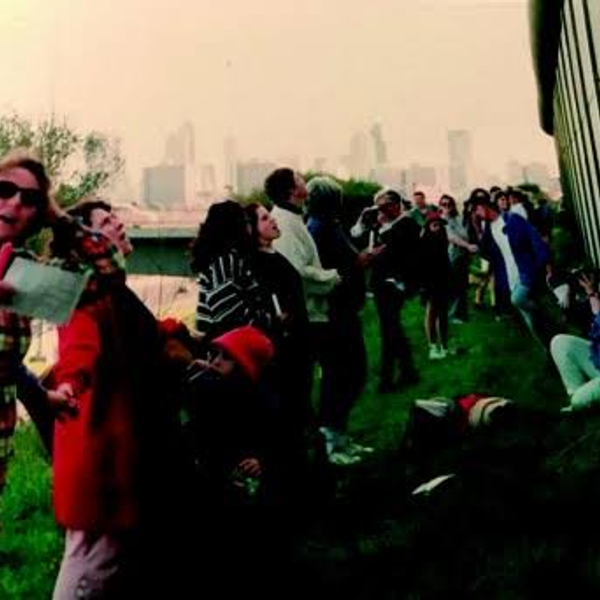
As the chants of the protesters permeate inside the prison walls, the prison loudspeaker permeates outside. This woman is trying to speak about her separation from her children, but she keeps getting interrupted.

Fairlea Oval West

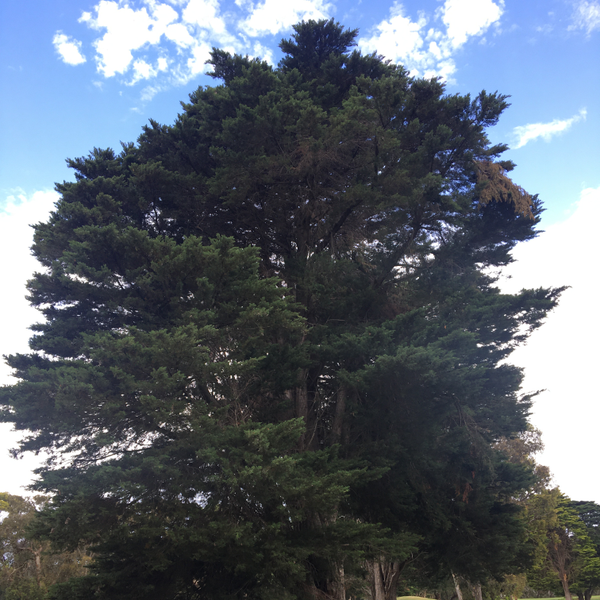
Cypress trees (cemetery planting)

The rows of mature cypress trees in Yarra Bend Golf Course are relics of its earlier use as a cemetery for Yarra Bend Asylum. The cypress tree is a traditional cemetery planting and an ancient symbol of death.

The Australian, Fri 25 Jul 1828, MISCELLANEA. EMBLEMATIC RESEMBLANCES. THE CYPRESS, EMBLEM OF DEATH.

Deep Rock Historical Swimming Hole

Former site of the Deep Rock Swimming and Life Saving Club facilities, the first of many sport and fitness uses of Yarra Bend - no less deeply connected to the Asylum than prisons and hospitals.

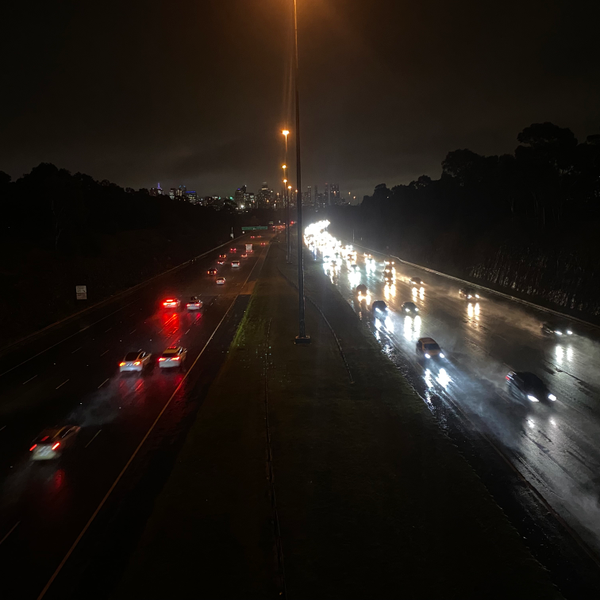
I HATE THE EASTERN FREEWAY!!!! - Liz

But isn’t it strange how much the freeway resembles a river? Carving through the rock like a deep gorge. roaring like rushing water. From a distance, deep in the mix, it sounds just like Dights Falls.

In other words, don't try and navigate Yarra Bend by sound.

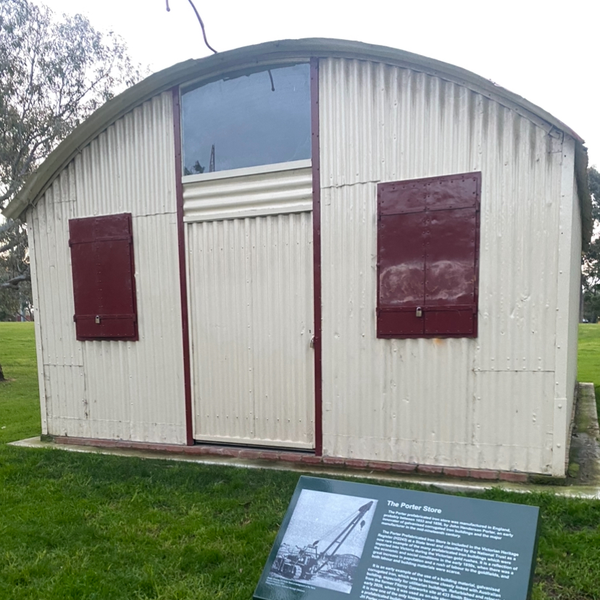
The Porter Store

An early example (c. 1850s) of corrugated iron in vernacular Australian architecture — in this case, it’s also a prefabricated portable building. What could be more nostalgic than a portable building still in use well in excess of its lifespan? It’s just like our school days!

Corrugated iron, like cast iron lace, served as ballast in ships making the UK-Australia trip. When they returned, they carried Melbourne bluestone — the paving for such iconic locations as London’s Trafalgar Square. Thus, the technical requirements of shipping shaped the characteristic architectural forms of both the Imperial centre and the colonial periphery.

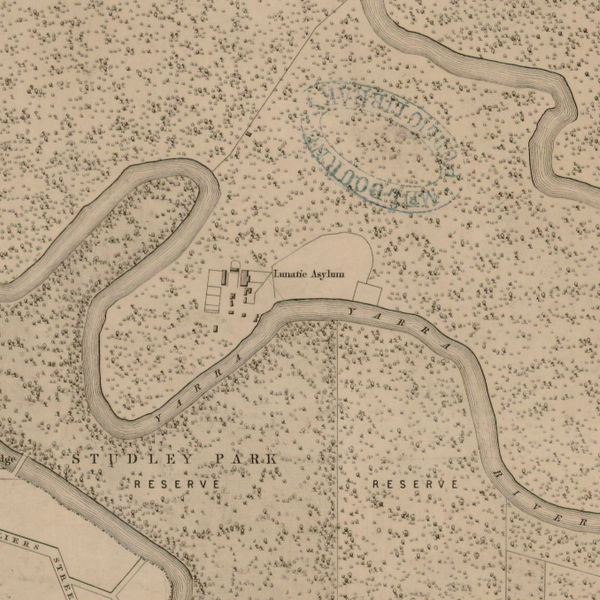
First asylum site

The very earliest asylum buildings were located here. Later, the asylum’s scattering of widely spaced smaller buildings would expand to cover most of the present-day Yarra Bend Park.

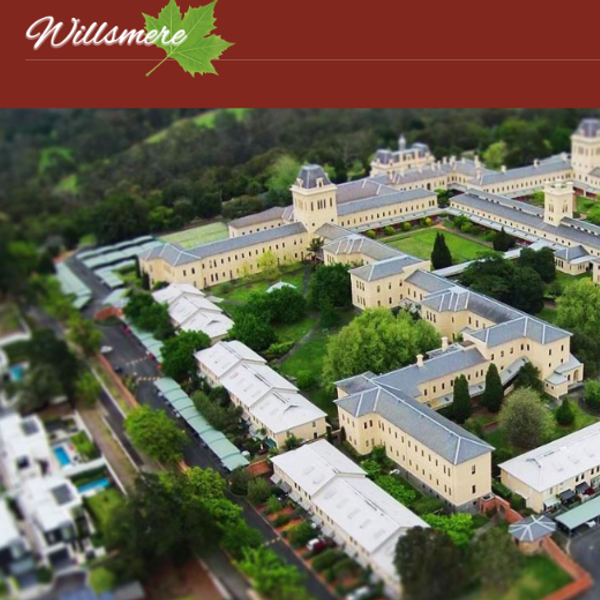
Kew Asylum (Willsmere Gated Community)

Unlike Yarra Bend Asylum, the Kew Asylum buildings remained in use long enough to receive heritage listing. The secure buildings that once prevented inmates from escape proved ideally suited for redevelopment as an exclusive gated community, where “residents can enjoy a 25m swimming pool, tennis courts, bowling green, gym, BBQ areas/rotundas, a library, half basket ball court and a function room. As a fully gated residential complex it’s tranquil, serene and friendly living at its best.” From Willsmere - it’s a great place to live!

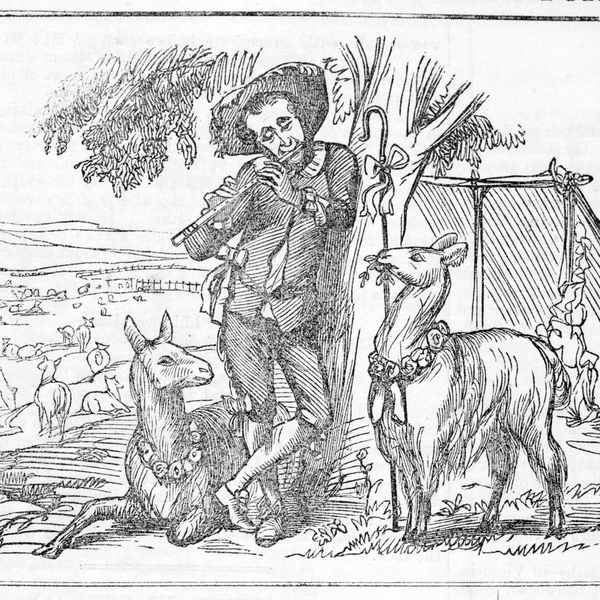
Mr Embling in Arcadia (1856)

"Thomas Embling (1814-1893) was a medical practitioner and parliamentarian who advocated the introduction of camels and llamas to Australia as livestock. This caricature shows him as an idealized herdsman, surrounded by his exotic flocks."

State Library of Victoria

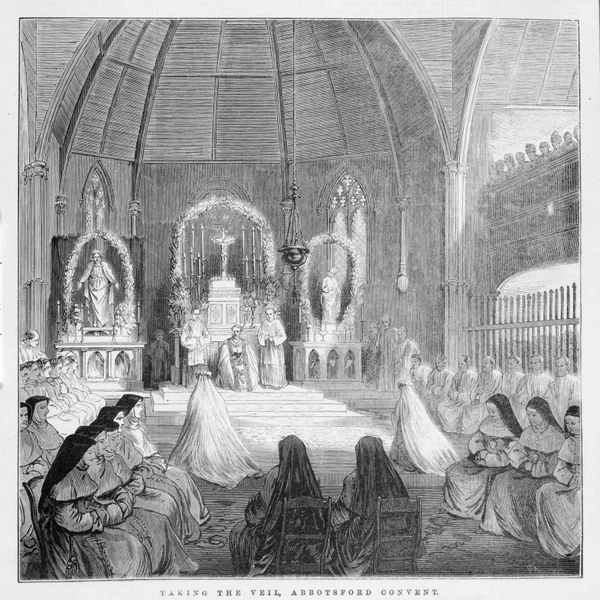
Abbotsford Convent

Image: TAKING THE VEIL, ABBOTSFORD CONVENT. Calvert, Samuel, 1828-1913, engraver. November 4, 1874. State Library of Victoria.

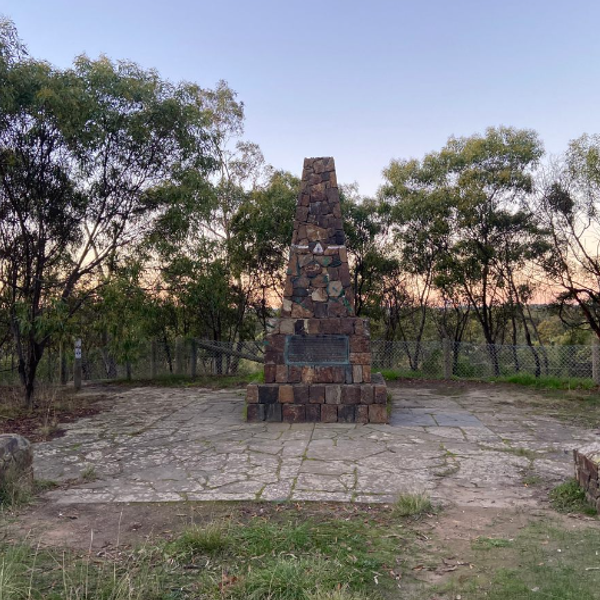
Cairn above Deep Rock (WARNING: CURSED OBJECT)

This monument memorialises early European settlers, and their keen interest in exploiting water and grass. Let’s call them the water guys and the grass guys.

The main water guy memorialised here is Charles Grimes, head of the first European mission to assess the suitability of the Narrm region for white settlers in 1803. The mission was unable to navigate further upstream, but the discovery of the Yarra, a reliable fresh water source, led Grimes to recommend the locality for a settlement, duly established in 1835 by John Batman as “Batmania” (later “Melbourne”).

The grass guys are John Gardiner, Joseph Hawdon, and John Hepburn, who crossed the river here in December 1836 with cattle, moving to appropriate the fertile grasslands in the basalt plains to the north and west of Victoria as cattle grazing land. (Batman was also a grass guy, just not as keen on hiking.) The colonial government of the day, based in New South Wales, was not pleased by what they saw as land theft – from the Crown. Nevertheless, they opted to recognise the new unauthorised settlement rather than risk a potential breakaway state.

These graziers, dubbed the “squattocracy”, amassed huge economic and political power – and came into violent conflict with many First Nations people, who relied on the same grazing lands as a source of foods such as grains, tubers, and kangaroo. As graziers came to dominate the politics of Victoria, colonial policy towards Aboriginal people became harsher and more overtly violent. The consequences were devastating and far reaching.

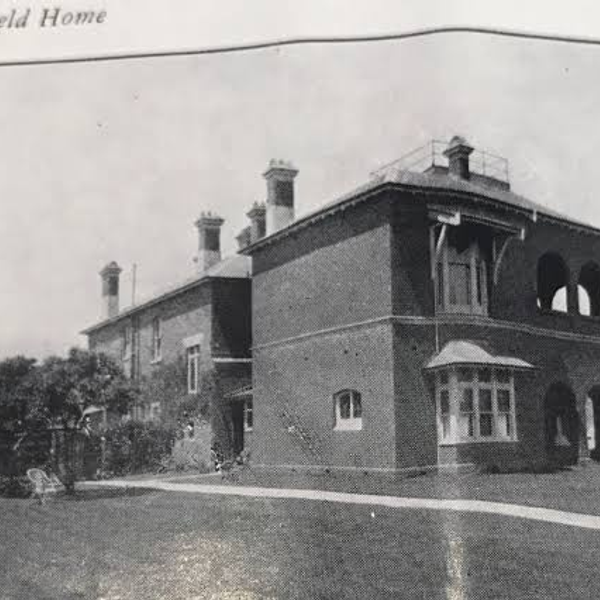
Girls Memorial Home, Fairfield

The Girls’ Memorial Home, a maternity home run by Wesley Central Mission, opened in 1922 in Fairfield.

Funds for the purchase of the property came from money inherited by Dr Georgina Sweet from her father. The home was situated in ‘Carmelea’, a building in Station Street, Fairfield that had formerly been the home of chocolate manufacturer, MacPherson Robertson.

…A doctor visiting the Home in 1936 expressed his concern about the women and babies there:

“I regret I have to state that the atmosphere of the whole place at present is a reflection on a religious institution, the girls are miserable, look underfed and over-worked, and the babies show obvious signs of neglect. The girls are obliged to get up at 5am to do the laundry and are kept going all day … I find that my instructions with regard to rest and diet are rarely if ever carried out.”

Another comment by a former resident contradicts the image of the Home put out by the Mission – she felt that the women were treated “like we had committed a dreadful crime”.

A report in 1970 to the Executive Committee of the Mission made reference to changing social attitudes towards single mothers, meaning that the Home could ‘no longer pay its way’.

In 1973, the Home ceased operations. It became Georgina House, a refuge for victims of domestic violence. This service closed in 1989.

Girls’ Memorial Home was mentioned in the Commonwealth Contribution to Former Forced Adoption Policies and Practices Inquiry (2012) as an institution that was involved in forced adoption.

(Text from Find And Connect: Girls Memorial Home, Fairfield

what do you look for in a man?

Australian Screen Online: The Australian Way: A Salute to Aussie Sex Appeal, 1982

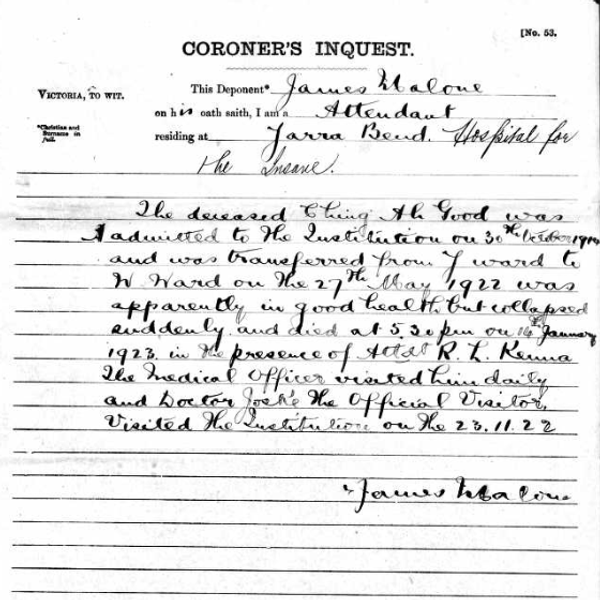
General paralysis of the insane

Image: Ching Ah Good in the Victoria, Australia, Coroner Inquest Deposition Files, 1840-1925, Public Records Office of Victoria. Inquest date: 16 Jan. 1923.

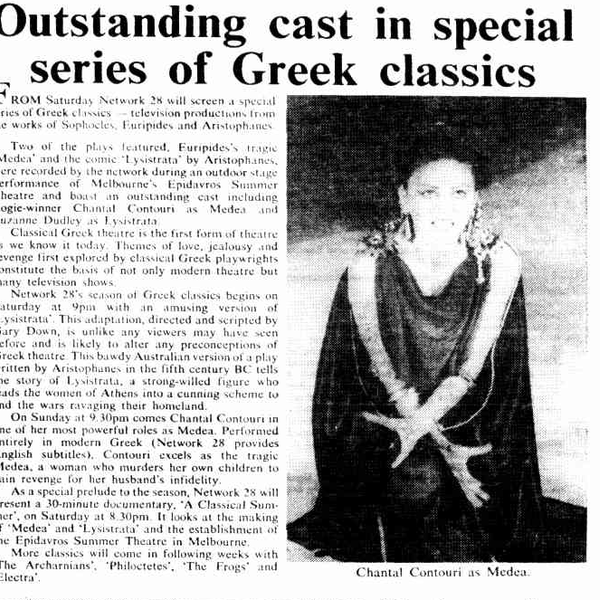
Fairfield Ampitheatre

This amphitheatre was built in 1984-5 for the Epidavros Summer Festival, a series of bilingual (Greek-English) productions of Classical Greek plays such as Medea, Lysistrata, and Antigone driven by the passion of Greek-Australians for Greek history and culture. It’s modelled on one of the places those plays were originally performed – the ancient amphitheatre at Epidavros (late 4th century BC).

Fittingly, the Epidavros (or Epidauros) ampitheatre was dedicated to Asclepius – the god of healing and medicine. Art and healing were closely linked in the Greek pantheon – the other Greek god of medicine is Apollo, who was also the god of theatre.

Melbourne remains a major centre of the global Greek diaspora.

Image: ”Outstanding cast in special series of Greek classics”, The Canberra Times, Mon 27 Feb 1984.

Music: 'Mother Send the Doctors Away’, a 11940s Greek song in the Rebetika style, written by Steliou Hrisinis, performed by Melbourne group Apodimi Compania in 1986. The song tells of a man with tuberculosis, a common disease in Greece at the time, who is resigned to his death – he believes doctors can be of no further use to him. Learn more at Australian Screen Online


DOWNLOAD OUR APP TO DISCOVER THIS TOUR AND MANY OTHERS.

play-storeapp-store

Or start creating tours, treasure hunts, POI maps... Just let your imagination guide you.


Other walks nearby


Are you a creator?

START HERE

Privacy & cookie policy / Terms and conditions

© ECHOES. All rights reserved / ECHOES.XYZ Limited is a company registered in England and Wales, Registered office at Merston Common Cottage, Merston, Chichester, West Sussex, PO20 1BE

v2.5.11 © ECHOES. All rights reserved.