Improvised Lives: Women and the Spirit of Café Society
1 sound
Between the 1910s and 1930s, Wind Street and the surrounding area became the heart of Swansea’s café society — a lively and inclusive cultural scene where jazz, ragtime, revue, and dance flourished. Based on the pioneering research of Professor Jen Wilson in Freedom Music: Wales, Emancipation and Jazz 1850–1950, this often-overlooked period marks one of the earliest jazz movements in Wales.
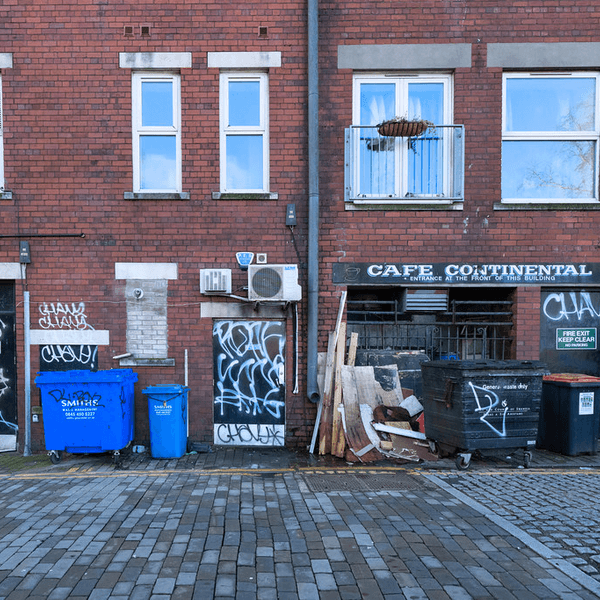
Cafés such as the Café Chantant, Carlton, and Continental hosted a growing musical culture that fused local Welsh talent with international influences. African American performers touring the UK theatre circuits often passed through Swansea, bringing with them spirituals, blues, and ragtime — music that found an eager audience in the city’s curious and musically literate working-class communities.
At the heart of this vibrant scene were women performers, many of whom remain little known today. Artists such as Gretta John, Doris Page, and Maye Price led all-female revues, composed original material, and took on roles in directing and producing stage shows. These women not only entertained but challenged gender expectations, expanded what jazz performance could look like, and created spaces for creative expression in early 20th-century Wales.
According to Jen Wilson’s research, we can reasonably state that:
• Gretta John, Doris Page, and Maye Price were key figures in Swansea’s café culture from the First World War through the interwar years.
• They were likely involved in revue performance, jazz ensembles, and musical direction at venues like the Café Continental and Carlton.
• Their work formed part of a broader movement of female-led performance and production that helped lay the foundations for more inclusive musical spaces in Wales.
In Wilson’s framing, café society was more than light entertainment — it was a space of freedom, self-expression, and social defiance, especially for women during and after wartime.
Audio in This Section
The vocal performances heard in this zone are by Scarabella, an a cappella vocal ensemble based in Swansea. The group recorded their version of the jazz standard Java Jive especially for this soundwalk during a live session at the Alexandra Road BBC Studios. Their performance pays tribute to the legacy of female-led vocal groups who once animated Swansea’s café culture.
About Deb Checkland
Deb Checkland is a singer, researcher, and community arts practitioner based in Swansea. With a background in both performance and social history, her work focuses on the role of women in community music and cultural memory. She has contributed to numerous Jazz Heritage Wales projects, particularly those highlighting local archives, oral histories, and gender representation in music. In this section, Deb offers insight into the artistic energy of Swansea’s café scene and the women who helped shape it.
BBC Sound Effect 07066007 – Crowd, Theatre, Interior, Applause and Laughter. Used courtesy of the BBC Sound Effects Archive, licensed under the RemArc Licence for non-commercial, educational, and research use. Source: BBC Sound Effects Archive – Rewind.

