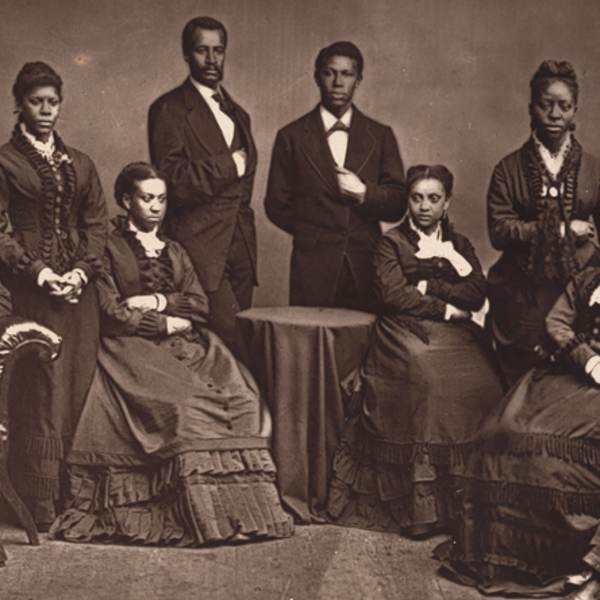
Improvised Histories: The Jazz Heritage Wales Soundwalk

12 ECHOES

Location: Swansea, Swansea, Wales, United Kingdom

Step into the streets of Swansea and immerse yourself in the untold stories of jazz in Wales. This GPS-triggered soundwalk, created in collaboration with Jazz Heritage Wales, brings to life the rich and often overlooked history of jazz across the city — from dockside cafés and wartime dancehalls to groundbreaking educational projects and global musical exchange.

Founded by the late Professor Jen Wilson in 1986, Jazz Heritage Wales has long uncovered the vital contributions of women, Black musicians, and working-class communities to Wales’s vibrant musical culture. Along this walk, you’ll hear their stories through archival audio, personal testimony, and new music by The Iridium Collective, Brynmill Community Choir, and Scarabella.

From hidden histories to vibrant sounds, this walk reveals how Swansea’s streets still echo with the spirit of creativity, resistance, and community that jazz has always embodied. Let the city, and its music, guide your steps.

How to Use the Echoes Explorer App: The Echoes Explorer app uses your phone’s GPS to trigger stories and music as you walk — no buttons, no scripts.

Here’s how to begin:

  1. Get the App: Download “Echoes Explorer” from the App Store or Google Play. Open the app and search for: “Improvised Histories: The Jazz Heritage Wales Soundwalk”

  2. Download the Tour: Tap “Download Tour” to access everything offline. Turn on location services and wear headphones for best results.

  3. Start Your Walk: Begin at the Dylan Thomas Centre (recommended), or join at any point on the map. Press “Start” in the app which automatically tracks your location. Audio will play automatically as you enter each zone (i.e. blue zones on the map).

  4. At Each Location: First, you’ll hear a mixture of spoken word and original music. You're free to stay and enjoy the music after the spoken word is finished or move on. The next stop (or blue zone) will trigger as you arrive. If you stay to listen, each echo (or blue zone) contains text with further information related to the story.

Tips: Keep your screen unlocked to avoid GPS issues. Walk at a steady pace — slow enough not to skip zones.

If something’s not working:

  1. Make sure location services are on.

  2. Check that the full tour is downloaded.

  3. Try closing and reopening the app.
The Heart of the Archive: Jazz Heritage Wales

Jazz Heritage Wales

Jazz Heritage Wales is an archive, research hub, and cultural project dedicated to uncovering and preserving the untold stories of jazz in Wales. Founded by Professor Jen Wilson, the archive places a special focus on the contributions of women, Black musicians, and working-class communities.

Based at the Dylan Thomas Centre in Swansea, and part of the University of Wales Trinity Saint David, the organisation leads a range of creative projects — from music commissions and exhibitions to education programmes — all aimed at amplifying underrepresented voices in jazz history.

This soundwalk draws directly from those stories, brought to life through archival material and specially recorded performances.

About Paula Gardiner

Paula Gardiner is a Welsh jazz double bassist, composer, and educator. Beginning her musical career in classical guitar and theatre composition, she later transitioned into jazz — a move that would shape her life’s work and inspire generations of musicians. She served for over 20 years as Head of Jazz at the Royal Welsh College of Music & Drama, where she helped build one of the UK’s most respected jazz programmes. A passionate advocate for equity in music, Paula has championed the role of women in jazz both on stage and in education.

In addition to her role as Patron of Jazz Heritage Wales, Paula is an active member of the Ivors Academy Jazz Council, influencing national policy and professional development in jazz across the UK.

In this section of the walk, Paula reflects on the founding of Jazz Heritage Wales and the powerful legacy of its founder, Professor Jen Wilson.

Featured Music: “Honey Bee” by Deborah Glenister

The music featured in this section is titled “Honey Bee”, composed by saxophonist Deborah Glenister and performed by The Iridium Collective. This piece was recorded live at the Elysium Gallery in Swansea, as part of an evening of improvised responses to the Jazz Heritage Wales archive.

The performance captures the ensemble’s dynamic, layered sound and Glenister’s lyrical compositional voice, blending improvisation with a deep sense of place and history. We would like to thank the Elysium Collective and Elysium Gallery/Bar for their generous support of this project.

The Iridium Collective

The Iridium Collective is a boundary-pushing Welsh jazz ensemble known for its bold improvisational style, rich textures, and interdisciplinary collaborations. Blending contemporary jazz with folk, experimental, and ambient influences, the group creates music rooted in place, memory, and social history.

Following a visit to the Jazz Heritage Wales archive, the Collective encountered the original Fisk Jubilee Singers songbook, including the spiritual “We Are Climbing the Hills of Zion.” Inspired by its emotional and historical weight, they created a new arrangement — heard throughout one of the earlier zones — as a creative conversation across centuries. Their continued engagement with archive materials and community performance makes them a vital voice in the evolving story of freedom music in Wales.

For Improvised Histories: The Jazz Heritage Wales Soundwalk, the Iridium Collective created new compositions inspired by archival materials and oral histories from the Jazz Heritage Wales collection. Their performances were recorded specifically for this project, offering a fresh and emotionally resonant response to the stories shared along the route.

1 sound

Sounding the Archive: Professor Jen Wilson’s Lifework

This location marks the heart of Jazz Heritage Wales and pays tribute to its founder, Professor Jen Wilson, who dedicated her life to uncovering the untold stories of jazz in Wales. Following her passing in 2023, her legacy continues to resonate — not only through the archive she established, but through the many musicians, researchers, and educators she inspired.

To honour her contribution, a street piano was installed in the foyer of the Dylan Thomas Centre — a tribute created by the University of Wales Trinity Saint David to mark Swansea’s hosting of the international Documenting Jazz Conference in 2022. Jazz Heritage Wales played a key role in bringing the conference to the city.

At this location, you are listening to "The Force that through the Green Fuse" from the album Twelve Poems – The Dylan Thomas Jazz Suite by the Jen Wilson Ensemble. This work reflects Jen’s lifelong commitment to connecting poetry, politics, and jazz through collaborative performance.

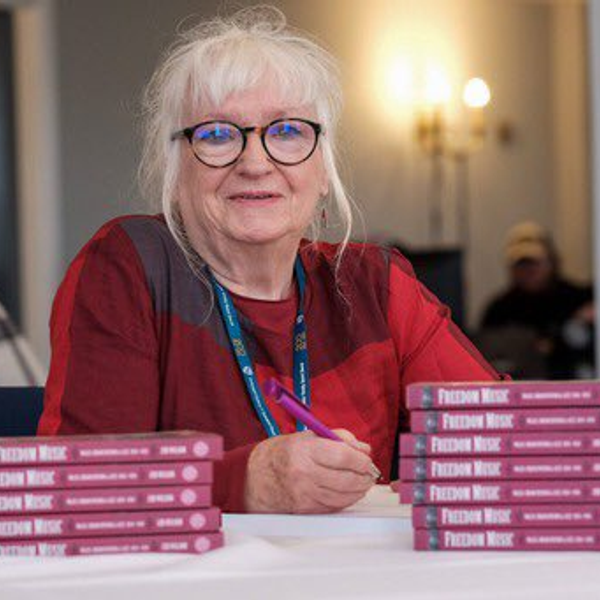
You can explore Jen Wilson’s book Freedom Music or listen to the full Dylan Thomas Jazz Suite via the Jazz Heritage Wales archive and select streaming platforms.

Contributors

In this section, you’ll hear from two musicians who worked closely with Jen:

Margot Morgan is a Swansea-based singer and educator known for her work in community music and jazz performance. A regular collaborator with Jen Wilson, Margot has been involved in a wide range of Jazz Heritage Wales projects — including workshops, recordings, and The Dylan Thomas Jazz Suite, where she was the featured vocalist. She is also the conductor of the Brynmill Community Choir, helping to keep spirituals and freedom songs alive in local performance.

Deborah Glenister is a saxophonist, improviser, and music educator based in Wales. She first met Jen Wilson in 2005, and from 2006 to 2013 they ran a series of all-female jazz workshops together. Deborah has since continued to perform, teach, and contribute to projects supporting women in jazz across South Wales, maintaining a strong connection to Jen’s mission of representation and mentorship.

Their reflections offer a personal insight into Jen’s mentorship and the lasting impact of her work in performance, education, and cultural memory.

If you're inside the Dylan Thomas Centre, take a moment to find the street piano — it’s not just an instrument, but a symbol of the living legacy Jen helped create.

Street Pianos Across Swansea

The Dylan Thomas Centre piano was one of a series of hand-painted street pianos placed across Swansea during the Documenting Jazz Conference, organised by the University of Wales Trinity Saint David. The project was designed to celebrate the city’s relationship with jazz and to bring colour, creativity, and music into public spaces.

Each piano was uniquely decorated by local artists and placed in key cultural venues — including Swansea Arena, Swansea Museum, National Waterfront Museum, and Swansea Railway Station. The installations invited passersby to stop, play, and reflect on Swansea’s rich and often hidden jazz history.

These pianos not only honoured the legacy of jazz in Wales but also encouraged new conversations about music, place, and memory — core values shared by Jazz Heritage Wales and its wider community.

1 sound

Queen’s Buildings: A Cornerstone for Women in Jazz

The Queen’s Buildings (next to the Queen’s Hotel) once housed Women in Jazz Swansea, the early incarnation of what is now Jazz Heritage Wales. Founded in 1986 by Professor Jen Wilson as the Women’s Jazz Archive, its original mission was to record and celebrate the creative and social contributions of women in jazz — particularly within Wales.

By 2002, the archive had formally become Women in Jazz, offering educational programmes, curated events (including a 2005 concert at the Queen’s Hotel), and a growing collection of personal stories and rare recordings. Over time, its focus expanded to include Black musicians, working-class artists, and grassroots musical communities — evolving into the broader and more inclusive project known today as Jazz Heritage Wales.

In this audio, Margot Morgan — singer, educator, and long-time collaborator with Jen Wilson — reflects on that journey of transformation. She discusses how the archive grew from a women-centred initiative into a diverse cultural heritage project that continues to uplift underrepresented voices in jazz.

She also highlights the contribution of Phil Cope, a photographer, writer, and exhibition designer, whose visual storytelling has helped document and promote Welsh cultural history, particularly around music, place, and tradition.

You'll also hear from Kim Collis, County Archivist for West Glamorgan, who recalls the archive’s move from Cambrian Place to the Townhill campus of Swansea Metropolitan University — a key phase in its institutional development.

At this location, you are also listening to “A Process in the Weather of the Heart” from the album Twelve Poems – The Dylan Thomas Jazz Suite, composed and arranged by Jen Wilson and performed by the Jen Wilson Ensemble. This piece reflects the project’s deep connection to Welsh poetry, improvisation, and the emotional landscape of jazz.

1 sound

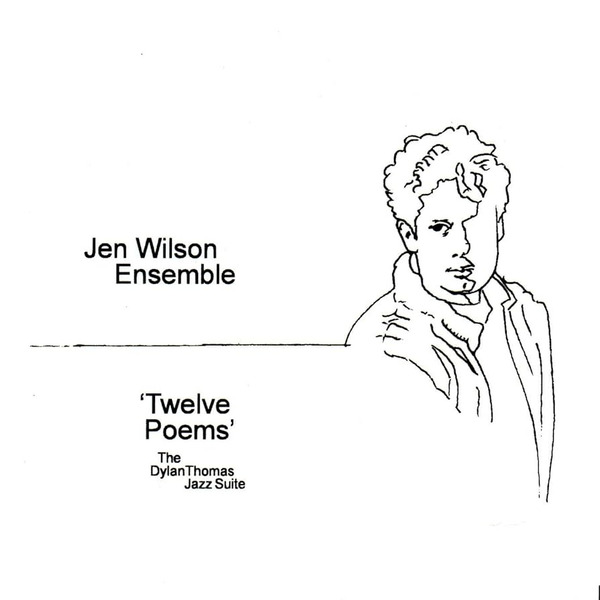
Jen Wilson Ensemble - 'Twelve Poems' The Dylan Thomas Jazz Suite

Twelve Poems: The Dylan Thomas Jazz Suite is a bold and imaginative album composed by Professor Jen Wilson and performed by the Jen Wilson Ensemble. Inspired by the poetry and lyrical power of Dylan Thomas, the suite sets twelve of his most evocative works to original jazz arrangements — blending literary heritage with improvisational brilliance.

The piece was born out of the creative relationships developed through Jazz Heritage Wales and is a powerful example of how Welsh culture, history, and jazz can intersect. It also reflects Jen Wilson’s lifelong mission to reclaim and reframe Welsh identity through the lens of jazz.

You’re currently listening to “Do Not Go Gentle Into That Good Night” — one of the suite’s most affecting pieces, offering a new musical interpretation of Thomas’s timeless words.

The Jen Wilson Ensemble:

Jen Wilson (Piano) – Founder of Jazz Heritage Wales, composer of the suite, and lifelong advocate for cultural inclusion through jazz.

Margot Morgan (Vocals) – Acclaimed jazz singer and long-time collaborator of Jen Wilson, bringing deep emotion and clarity to the suite’s vocal performances.

Cris Haines (Trumpet, Flugelhorn, Ocarina) – A versatile musician with a lyrical tone and sensitivity, whose trumpet and flugelhorn work add both depth and brightness to the arrangements.

Paula Gardiner (Double Bass) – One of Wales’s leading jazz musicians, educator, and patron of Jazz Heritage Wales. She brings elegance and grounded rhythm to the suite’s harmonic structure.

Chris Ryan (Alto, Tenor, Soprano Saxes, Clarinet) – Known for his multi-instrumental fluency and dynamic improvisation, Chris’s woodwind textures enrich the suite’s emotional range.

Mark O’Connor (Drums) – A skilled and expressive drummer whose subtle yet powerful playing supports and propels each piece with precision and nuance.

Recent Performances

The suite was most recently performed at the renowned Brecon Jazz Festival, reaffirming its place in contemporary Welsh jazz performance and continuing Jen Wilson’s vision of making jazz both accessible and culturally resonant.

1 sound

From Spirituals to Syncopation: Early Jazz Connections in Wales

Jazz and Welsh Music: A Shared Language

Jazz in Wales did not simply arrive from overseas — it evolved through a complex web of musical exchange, political solidarity, and cultural reinterpretation. Long before the genre was formally named, Wales had deep ties to African American musical traditions through the abolitionist movement, transatlantic religious networks, and the working-class musical life of port cities like Swansea and Cardiff.

From the 1870s, choirs of freed slaves such as the Fisk Jubilee Singers toured Wales, performing spirituals that resonated with Welsh choral traditions and left a lasting cultural legacy. Their music found eager audiences in churches, concert halls, and community gatherings across the country.

By the early 20th century, ragtime and minstrel shows were performing to packed theatres and workhouses throughout south Wales. When In Dahomey — the first all-Black musical written and performed by African Americans — appeared in Swansea in 1905, it brought syncopated rhythms, satire, and Black American voices directly to Welsh audiences. These encounters helped lay the groundwork for jazz’s integration into Welsh society during the 1920s Jazz Age.

The Robert ap Huw Manuscript

Composer and trumpeter Cris Haines has explored these connections in depth. His research into the Robert ap Huw manuscript — a 17th-century collection of harp tablature — informed the compositional structure of a suite of compositions which included POuM and Defaid Harris.

The ap Huw manuscript is one of the oldest surviving sources of Welsh music, containing complex chordal patterns, rhythmic modes, and scale structures that predate Western classical harmony. Many of its musical devices — such as flattened thirds, fifths, and sevenths — mirror the blues tonalities found in African American music. Haines’s work demonstrates how this ancient repertoire can be reimagined through a jazz idiom, highlighting a surprising affinity between Welsh folk traditions and Black Atlantic musical forms.

The Welsh Tradition of Cerdd Dant

Though often overlooked in jazz history, Welsh musical culture holds deep improvisational roots of its own — particularly through the tradition of Cerdd Dant. This practice, sometimes translated as “string music,” involves the art of singing poetry over a pre-existing harp melody. The harpist plays a set tune (known as the “air”), while the singer weaves a countermelody that interacts with — but does not directly follow — the accompaniment.

Cerdd dant requires a sophisticated understanding of both harmony and poetic phrasing. It is a collaborative, improvised dialogue between voice and instrument, rooted in oral tradition, and often performed competitively at Welsh eisteddfodau (cultural festivals). This complex interaction of melody and meaning finds resonance in jazz’s own use of improvisation, harmonic variation, and call-and-response.

Tylwyth Twrch, the composition featured in this section was directly informed by Cris Haines’ research into Cerdd Dant.

About the Music: Tylwyth Twrch

The music heard in this zone is Tylwyth Twrch, composed by Cris Haines. Drawing inspiration from Cerdd Dant, the Robert ap Huw manuscript, and oral traditions surrounding myth and folklore, the composition reinterprets Welsh musical heritage through the lens of improvisation, modal harmony, and collective performance. In Tylwyth Twrch, the listener is invited into a musical space where ancient and contemporary, Welsh and global, written and improvised traditions intersect.

Meet the Musicians

Cris Haines – Trumpet, Composer: A composer and trumpeter deeply engaged with Welsh musical heritage and modern improvisation. His work with Jazz Heritage Wales and his commissioned suite for Swansea’s UK Year of Literature (1995) reimagined Welsh medieval harmony through a jazz lens.

Delyth Jenkins – Harpist: A leading figure in Welsh folk music, Delyth Jenkins is known for her evocative harp performances that draw on Celtic mythology, storytelling, and improvisation. Her contribution to Tylwyth Twrch connects centuries-old folk traditions to a modern jazz context.

Paula Gardiner – Double Bass, Composer: A celebrated jazz bassist, composer, and educator. Former Head of Jazz at the Royal Welsh College of Music & Drama, Paula is an active advocate for women in jazz and currently serves as Deputy Chair of the Ivors Academy Jazz Council.

For further context on these themes, as well as the foundation of Jazz Heritage Wales, see Jen Wilson’s Freedom Music: Wales, Emancipation and Jazz 1850–1950 — and explore related materials at the Jazz Heritage Wales Archive.

1 sound

Lynne Gornall & Roger Cannon: Brecon's Jazz Architects

The spirit of jazz in Wales has always been more than music — it’s about community, creativity, and representation. Few events reflect that ethos more clearly than the Brecon Jazz Festival, an internationally respected celebration of jazz that has been running since 1984.

Originally launched to showcase jazz from across the world in the Brecon Beacons and Welsh countryside, Brecon Jazz has grown into a platform for local, national, and global artists, with a strong emphasis on diversity and inclusion. The festival has featured headline acts from around the world, while also championing Welsh jazz talent — including women musicians often underrepresented on major festival stages.

In this part of the soundwalk, you’ll hear from Lynne Gornall and Roger Cannon, key figures in the festival’s modern era. Lynne leads the discussion in this section, while Roger can be heard agreeing in the background.

Lynne Gornall is a former academic, researcher, now jazz promoter and festival producer. She was an early supporter of Women in Jazz initiatives, which promotes women performers and composers through concerts, mentoring, and research. She has been instrumental in reshaping the Brecon Jazz programme to focus on equality, education, and collaboration.

Roger Cannon is a long-standing jazz aficionado, educator/researcher and co-organiser of Brecon Jazz. Together, they have worked with partners, developing networks, that extend the reach of the festival and support its vision and processes.

Their work shares deep parallels with Jazz Heritage Wales — particularly in its commitment to amplifying the contributions of women, working-class artists, and underrepresented voices in jazz history.

At this location, you are also listening to "The Nameless", composed by Deborah Glenister and performed the Iridium Collective, recorded live at the Elysium Bar in Swansea. The track captures the group’s commitment to improvisation, emotional depth, and collaborative storytelling through sound — resonating with the same spirit of inclusivity and innovation that drives Brecon Jazz.

1 sound

Improvising Freedom: Women in Jazz

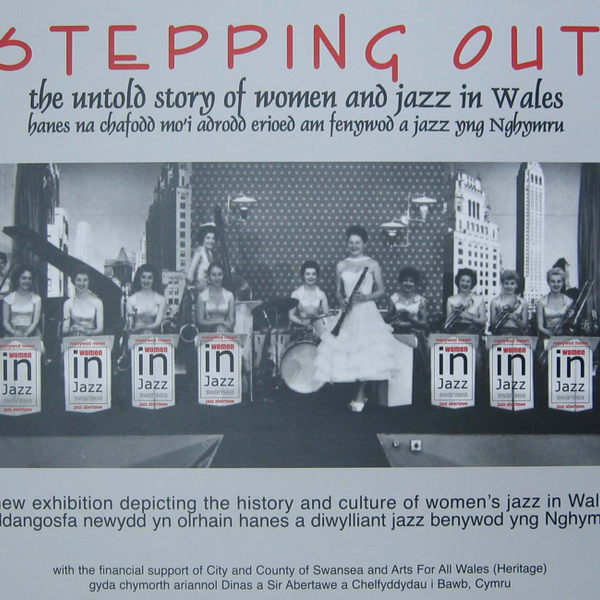
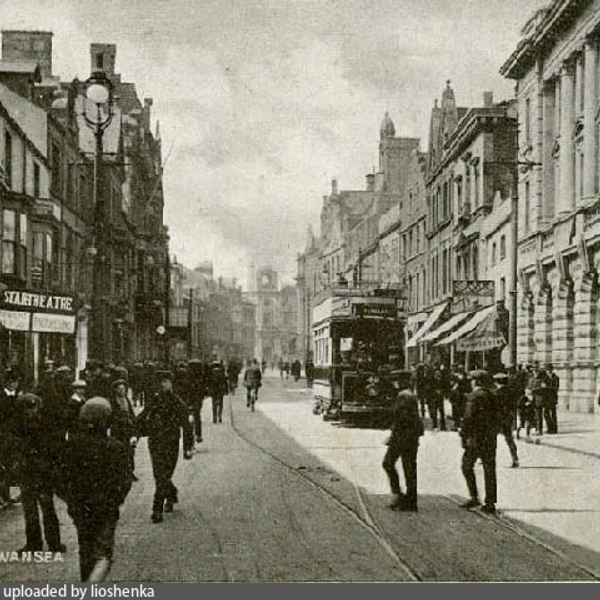
Once a hub of Swansea’s theatrical and musical life, the Star Theatre stood as a vital venue for variety shows, musical acts, and community entertainment from the late 1800s through the early 20th century. Located near the heart of Wine Street, the theatre welcomed both travelling performers and local talent — including women who led dance bands, hosted cabaret-style revues, and brought jazz into Swansea’s public spaces during its early emergence.

These venues provided more than entertainment — they offered women rare professional opportunities in music. Jazz and variety circuits of the time often relied on female talent, yet few of these women were ever acknowledged in official histories. Thanks to the work of Professor Jen Wilson, founder of the Women’s Jazz Archive (now Jazz Heritage Wales), those stories are no longer silent. Through interviews, photographs, programmes, and musical manuscripts, Jen pieced together a cultural lineage that reveals women’s central role in shaping Wales’s jazz and performance heritage.

Although the Star Theatre was eventually demolished and the site redeveloped, its legacy survives — not only in the materials housed at the Jazz Heritage Wales archive, but in the broader questions it continues to raise about visibility, creativity, and gender in the arts.

Today’s Wine Street nightlife can be seen as part of that evolving cultural tradition. The spaces where women once led jazz orchestras and variety shows now thrum with DJs, performers, and late-night crowds. The dynamic has shifted — but the influence of those early performers, particularly women, still resonates in how we understand who gets to shape and share musical culture.

At this point in the soundwalk, you are listening to “Fern Hill,” from the album Twelve Poems – The Dylan Thomas Jazz Suite, composed by Jen Wilson and performed by the Jen Wilson Ensemble. This piece, like much of her work, explores the emotional textures of Welsh poetry through the language of jazz, evoking both memory and place.

Contributors

Paula Gardiner A composer, jazz double bassist, and educator, Paula Gardiner reflects here on how Jen Wilson consistently placed women at the centre of jazz history, not only through her archival work but through the artistic commissions she initiated. Paula shares information on a commission based on writing by female authors, helping her explore the connections between literature, identity, and improvisation. Paula’s ongoing work as an educator and advocate builds on that legacy, encouraging a new generation to see jazz as a space of creative and cultural empowerment.

Paula was herself commissioned by The Women's Jazz Archive in 1995, as a part of the Swansea Year of Literature. The resulting work was a song cycle, a series of settings of women's love poetry, entitled 'In Pursuit of Venus'. It featured settings of poets as historically diverse as Sappho, Queen Elizabeth 1st, Christina Rosetti, Emily Dickinson and Liz Lochhead, Premiered at Swansea University's Theatre Taliesyn by jazz septet and actor Eiry Thomas, In Pursuit of Venus was an exploration of the connections between literature, identity, and improvisation.

Lynne Gornall & Roger Cannon Co-organisers of Brecon Jazz, Lynne and Roger have been central to reshaping the festival's approach to representation, access, and inclusion. In this section, they reflect on how their programming has intentionally evolved to highlight women performers, composers, and bandleaders, building on the path opened by researchers like Jen Wilson. They discuss how, from their own educational and research backgrounds, many women’s stories in jazz remain buried or absent in formal histories, and how live performance, festival curation, and mentoring are tools to bring those voices forward. Their work continues the festival’s transformation into a more inclusive, community-rooted, as well as international, event that celebrates jazz’s diversity — past and present.

1 sound

Improvised Lives: Women and the Spirit of Café Society

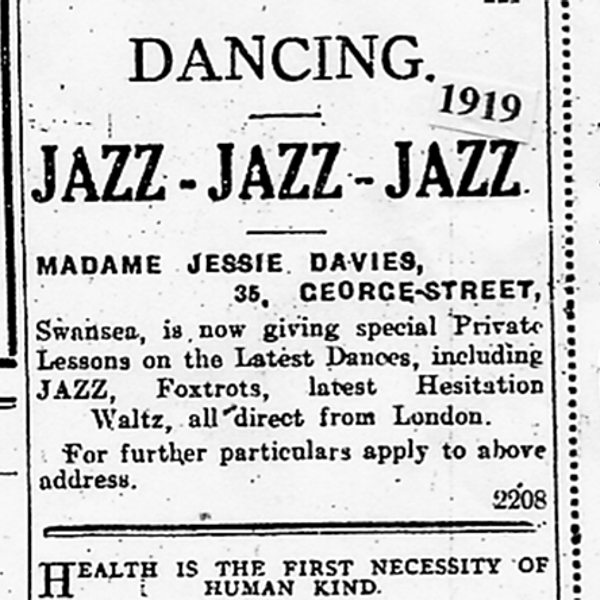
Between the 1910s and 1930s, Wind Street and the surrounding area became the heart of Swansea’s café society — a lively and inclusive cultural scene where jazz, ragtime, revue, and dance flourished. Based on the pioneering research of Professor Jen Wilson in Freedom Music: Wales, Emancipation and Jazz 1850–1950, this often-overlooked period marks one of the earliest jazz movements in Wales.

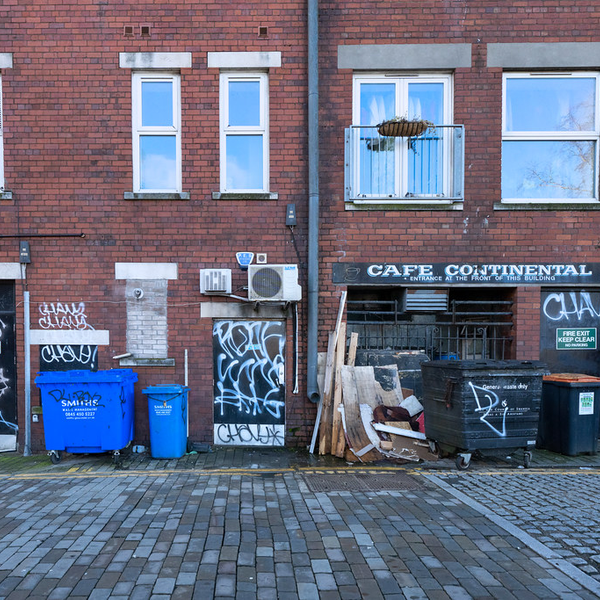
Cafés such as the Café Chantant, Carlton, and Continental hosted a growing musical culture that fused local Welsh talent with international influences. African American performers touring the UK theatre circuits often passed through Swansea, bringing with them spirituals, blues, and ragtime — music that found an eager audience in the city’s curious and musically literate working-class communities.

At the heart of this vibrant scene were women performers, many of whom remain little known today. Artists such as Gretta John, Doris Page, and Maye Price led all-female revues, composed original material, and took on roles in directing and producing stage shows. These women not only entertained but challenged gender expectations, expanded what jazz performance could look like, and created spaces for creative expression in early 20th-century Wales.

According to Jen Wilson’s research, we can reasonably state that:

• Gretta John, Doris Page, and Maye Price were key figures in Swansea’s café culture from the First World War through the interwar years.

• They were likely involved in revue performance, jazz ensembles, and musical direction at venues like the Café Continental and Carlton.

• Their work formed part of a broader movement of female-led performance and production that helped lay the foundations for more inclusive musical spaces in Wales.

In Wilson’s framing, café society was more than light entertainment — it was a space of freedom, self-expression, and social defiance, especially for women during and after wartime.

Audio in This Section

The vocal performances heard in this zone are by Scarabella, an a cappella vocal ensemble based in Swansea. The group recorded their version of the jazz standard Java Jive especially for this soundwalk during a live session at the Alexandra Road BBC Studios. Their performance pays tribute to the legacy of female-led vocal groups who once animated Swansea’s café culture.

About Deb Checkland

Deb Checkland is a singer, researcher, and community arts practitioner based in Swansea. With a background in both performance and social history, her work focuses on the role of women in community music and cultural memory. She has contributed to numerous Jazz Heritage Wales projects, particularly those highlighting local archives, oral histories, and gender representation in music. In this section, Deb offers insight into the artistic energy of Swansea’s café scene and the women who helped shape it.

BBC Sound Effect 07066007 – Crowd, Theatre, Interior, Applause and Laughter. Used courtesy of the BBC Sound Effects Archive, licensed under the RemArc Licence for non-commercial, educational, and research use. Source: BBC Sound Effects Archive – Rewind.

1 sound

Blues and Gospel Records 1902–1942: John Godrich’s Groundbreaking Work

John Godrich was a pioneering British discographer whose work transformed the study of early African American music. As co-author of Blues and Gospel Records: 1890–1943, his meticulous scholarship laid the foundation for generations of blues researchers, collectors, and musicians. Working entirely in the analogue era — long before the advent of digital archives — Godrich catalogued recordings using handwritten notes, postal correspondence, and reel-to-reel tape machines. His efforts represent one of the earliest and most dedicated attempts to document the voices of musicians who had long been marginalised in mainstream music history.

Jeff Towns, often known as "The Dylan Thomas Guy," is one of Wales’s most respected rare book dealers and literary scholars. While best known for his work on Dylan Thomas, Jeff has also played a key role in preserving Welsh cultural heritage more broadly. His friendship with John Godrich grew from shared interests in jazz, literature, and archival research. After Godrich’s passing, Jeff became the custodian of his extensive blues archive — a collection he later donated to Jazz Heritage Wales to ensure its preservation and accessibility for future generations.

Today, the Jazz Heritage Wales Archive, housed at the University of Wales Trinity Saint David, holds Godrich’s rare recordings, notes, and audio equipment. The collection offers a unique perspective on how global Black music traditions were studied, interpreted, and preserved from within Wales. It stands not only as a record of the music itself but as a valuable resource for understanding the role of private collectors and scholars in safeguarding cultural memory.

The music you are hearing in this section is a live performance of “Caravan”, recorded by the Iridium Collective. Originally composed in 1936 by Juan Tizol and Duke Ellington, with lyrics later added by Irving Mills, Caravan is one of the most enduring standards in jazz. The Iridium Collective brings their own improvisational energy to the piece, recorded during a live session that celebrates the lineage of jazz while honouring the spirit of collectors and historians like Godrich.

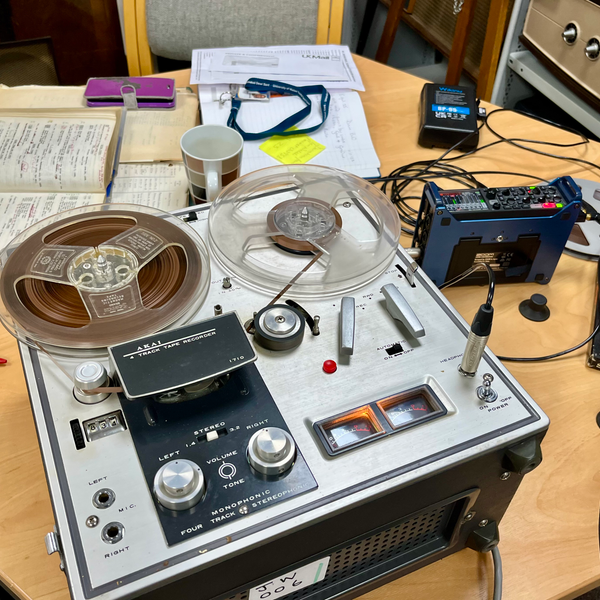
The image at this trigger point shows John Godrich’s Akai 4-track tape recorder — the very machine he used to document and listen to early blues and gospel records. Produced in the 1960s and 70s, this reel-to-reel recorder was known for its solid build, warm analogue sound, and multi-track playback features. For audio archivists like Godrich, it was an essential tool for preserving rare material in an era before digital technology.

This machine now forms part of the physical legacy of Godrich’s work, preserved in the Jazz Heritage Wales collection. It stands as a symbol of both his dedication and the tactile, hands-on nature of early jazz and blues scholarship.

1 sound

Women in Jazz All-Stars Swing Band: A Sisterhood in Swing

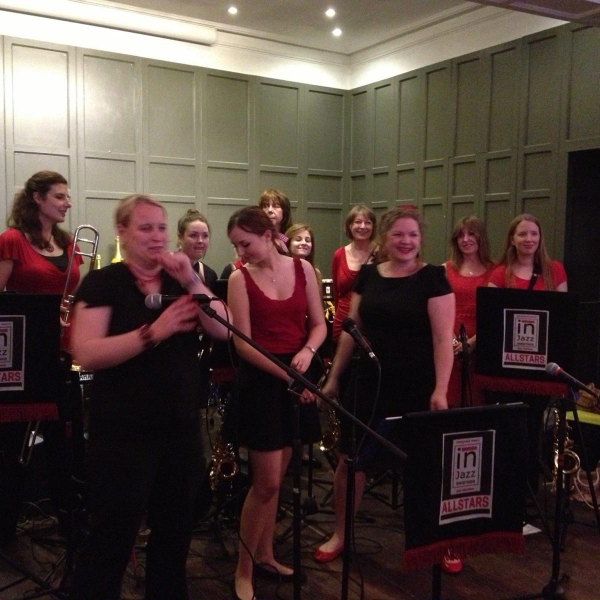
The Women in Jazz All-Stars Swing Band was more than just a performance group — it was a creative workshop, a training ground, and a celebration of women’s place in jazz history.

Formed out of a small set of jazz workshops in 2006, the band quickly became a platform for women musicians of all ages and abilities to step into the spotlight. It brought together saxophonists, trumpeters, trombonists, pianists, drummers, and vocalists, all sharing a common passion for swing music.

Under the guidance of founder Jen Wilson, the ensemble not only showcased the technical skill and artistry of its members but also challenged the male-dominated landscape of big band jazz. Performances at venues like the Brangwyn Hall, the Dylan Thomas Centre, and jazz festivals across Wales became milestones for both the band and the individuals within it.

For many players, the All-Stars was a launchpad to other established big bands and professional opportunities. While the training band eventually came to an end, the friendships, confidence, and musical legacy it fostered remain strong to this day.

The music heard in this section is taken from Twelve Poems: The Dylan Thomas Jazz Suite, a work that reflects Jen Wilson’s dedication to blending Welsh literary heritage with the language of jazz.

Contributor

Deborah Glenister is a jazz saxophonist, multi-instrumentalist, and music educator based in Llanelli. A graduate of Leeds College of Music in Jazz Studies, she has performed across genres from swing and Latin to soul and pop. From 2006 to 2013, she was a key tutor and arranger for the Women in Jazz All-Stars Swing Band, helping shape its sound and mentoring its members. Alongside her teaching work, she continues to perform widely, including with The Iridium Collective jazz ensemble.

1 sound

Echoes of Freedom: Jessie Donaldson’s Song

Jessie Donaldson: A Forgotten Force for Freedom

Jessie Donaldson (née Heineken) is one of Wales’s most overlooked yet influential historical figures. Her life bridged education, abolitionist activism, and transatlantic humanitarian work — uncovered through the groundbreaking research of Professor Jen Wilson, founder of Jazz Heritage Wales.

Jessie was not merely an ally to the anti-slavery movement — she was at its heart. In 1833, she played a central role in securing freedom for an enslaved man named Willis in Swansea. Later, she relocated to Cincinnati, Ohio, a flashpoint in the struggle between slave and free states. There, she worked alongside key abolitionists — including Harriet Beecher Stowe and Frederick Douglass — and helped establish a safe house along the Ohio River, a vital route for those escaping slavery via the Underground Railroad.

Returning to Swansea years later, Jessie found herself once again at a crossroads of cultural change. Her return coincided with the arrival of African American performance groups like the Fisk Jubilee Singers, whose spirituals resonated deeply with Welsh audiences. Their music, rooted in sorrow and survival, struck a chord in Wales’s industrial heartlands and helped lay the groundwork for what Professor Wilson later called “freedom music” — a foundation for Wales’s jazz culture.

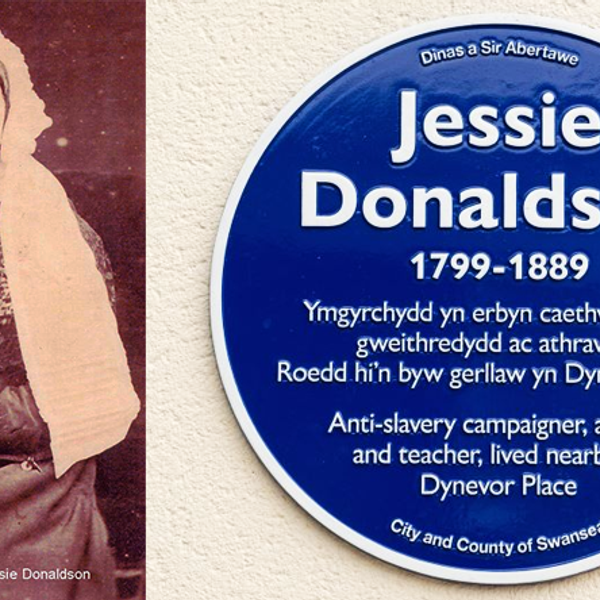
Jessie’s legacy is now honoured with a blue plaque in Swansea — a permanent tribute to her international impact and local roots.

At this point in the soundwalk, you are listening to “It Rained in My Heart”, composed by Wynn Philips and performed by the Iridium Collective. This piece was recorded live at the Elysium Gallery in Swansea and reflects the ensemble’s distinctive approach to improvisation, atmosphere, and emotional storytelling. The track offers a contemporary response to themes of loss, longing, and cultural memory — resonating with Jessie Donaldson’s legacy and the deeper emotional undercurrents of freedom music.

Contributors

Professor Jen Wilson (1944–2023) was a jazz pianist, writer, researcher, and activist. She founded the Women’s Jazz Archive in 1986 (now Jazz Heritage Wales) and dedicated her life to recovering the voices of women in Welsh musical history.

Kim Collis, County Archivist for West Glamorgan Archives, worked with Professor Wilson to bring Jessie Donaldson’s story into public recognition. His research and support were key to securing the blue plaque and preserving Donaldson’s place in Swansea’s civic history.

Visit the Jazz Heritage Wales Archive

Many of the original materials relating to Jessie Donaldson — including newspaper clippings, family research, and rare music ephemera — are preserved at Jazz Heritage Wales, located in the Dylan Thomas Centre, Swansea.

The archive also houses:

• A first-edition Fisk Jubilee Singers songbook from their 1874 tour

• Documents from Wales’s Anti-Slavery movement

• Professor Jen Wilson’s Freedom Music research collection

1 sound

Singing Emancipation: The Legacy of the Fisk Jubilee Singers

The Fisk Jubilee Singers in Swansea

When the Fisk Jubilee Singers performed in Swansea in 1874, the city witnessed a defining moment in musical and cultural history. Singing to a crowd of more than 1,500 at the Cradock Street Music Hall (now the Albert Hall), the ensemble introduced Welsh audiences to African American spirituals for the first time. Their dignified, emotionally charged performance left a lasting impression — bridging cultures and opening ears to a musical tradition rooted in resilience, sorrow, and spiritual endurance.

A copy of the Fisk Jubilee Singers’ original songbook, sold during that very tour, is now preserved in the Jazz Heritage Wales Archive. It remains a powerful symbol of transatlantic cultural exchange and continues to inspire musicians and researchers exploring the intersection of Black American and Welsh musical traditions.

The Fisk Jubilee Singers Today

More than 150 years after their founding in 1871, the Fisk Jubilee Singers continue to carry their legacy across the globe. Based at Fisk University in Nashville, Tennessee, the ensemble performs internationally and engages in education and outreach — keeping the spiritual tradition alive for a new generation.

In 2021, their 150th anniversary album Celebrating Fisk! won the Grammy Award for Best Roots Gospel Album. They have been honoured with numerous accolades, including induction into the Gospel Music Hall of Fame and the National Medal of Arts. A major exhibition, Jubilation! Ambassadors On A Sacred Journey, recently opened at the National Museum of African American Music, and is set to tour the United States.

The Iridium Collective: A Contemporary Response

Featured throughout this sound zone is a newly arranged version of “We Are Climbing the Hills of Zion”, recorded by The Iridium Collective, a Wales-based jazz ensemble known for immersive, site-inspired work. After visiting the Jazz Heritage Wales Archive and exploring the original Fisk Jubilee Singers songbook, the group created a sensitive, contemporary response that fuses historical spiritual traditions with modern jazz improvisation.

The result is a dynamic and emotional interpretation that connects the past and present — a living tribute to the enduring resonance of the spiritual tradition and its influence on freedom music in Wales.

About The Iridium Collective

The Iridium Collective is a forward-thinking jazz ensemble formed by alumni of the Royal Welsh College of Music & Drama. Their work draws from archives, oral histories, and place-based performance practices, combining elements of jazz, improvisation, folk, and ambient music. Through reinterpretations of spirituals and collaborations with cultural institutions, the group explores themes of memory, identity, and belonging — using jazz not only as a musical form but as a method of reflection and cultural connection.

Spirituals in Swansea Today: Brynmill Community Choir

The tradition introduced by the Fisk Jubilee Singers lives on in Swansea today, sustained in part by the work of the Brynmill Community Choir, under the direction of Margot Morgan. Spirituals continue to play a vital role in the choir’s repertoire and community work, with performances that honour and reimagine the legacy of these powerful songs. In this section of the soundwalk, you’ll hear a short excerpt from Margot Morgan’s arrangement of “The Lily of the Valley”, drawn directly from the Fisk Jubilee Singers songbook. The arrangement is performed by members of the Brynmill Community Choir — a contemporary echo of the 1874 Swansea performance, and a reminder of how spirituals continue to resonate through shared musical practice.

About Margot Morgan

Margot Morgan is a Swansea-based singer, educator, and community music leader. A long-time collaborator with Jazz Heritage Wales and Professor Jen Wilson, she has led workshops, performances, and heritage projects that centre the role of women, community choirs, and spirituals in Welsh musical life. As conductor of the Brynmill Community Choir, Margot fosters inclusive, intergenerational music-making rooted in historical awareness and collective creativity.

Explore Further

• Visit the Jazz Heritage Wales Archive at the Dylan Thomas Centre to access original songbooks, rare recordings, and oral histories.

• Read Freedom Music: Wales, Emancipation and Jazz 1850–1950 by Professor Jen Wilson.

• Discover more about the Fisk Jubilee Singers and their ongoing musical legacy.

• Explore the Jubilation! exhibition at the National Museum of African American Music.

1 sound

DOWNLOAD OUR APP TO DISCOVER THIS TOUR AND MANY OTHERS.

play-storeapp-store

Or start creating tours, treasure hunts, POI maps... Just let your imagination guide you.


Other walks nearby


Are you a creator?

START HERE

Privacy & cookie policy / Terms and conditions

© ECHOES. All rights reserved / ECHOES.XYZ Limited is a company registered in England and Wales, Registered office at Merston Common Cottage, Merston, Chichester, West Sussex, PO20 1BE

v2.5.15 © ECHOES. All rights reserved.