16 - Lifer at the Minsker - Part 2
1 sound
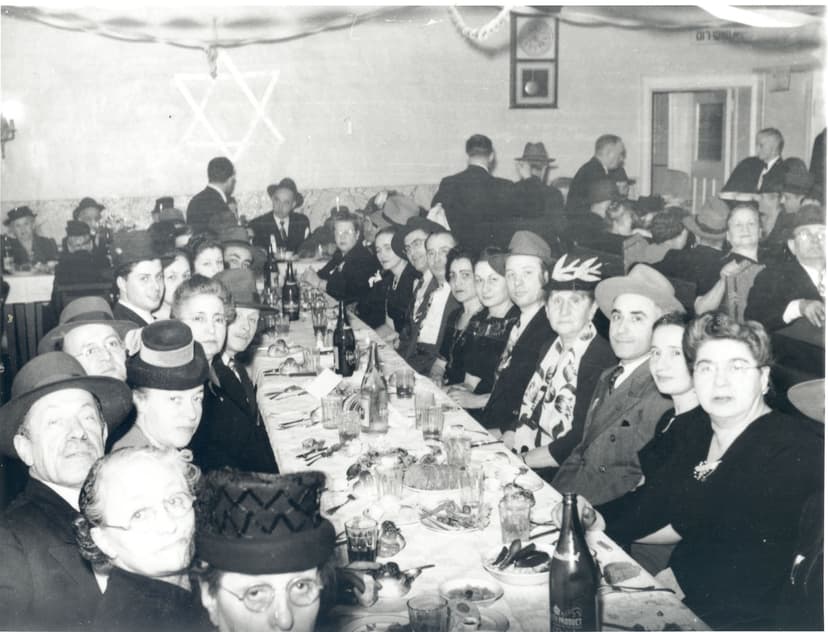
Since no one could put a downpayment on a mortgage for a proper building, friends, family, and other Jewish immigrants from Belarus gathered together in living rooms. Even though by 1913 your tiny community only had 50 members, you still had to pack in like sardines with some of the kids sitting on the floor, which is not great news for a growing congregation! You’ve heard of other Jewish congregations that need to do something similar, and these informal synagogues in houses or storefronts were known as “shteibels.” Now, you might say... why in the world would it be sooo important to pack in LIKE SARDINES to people’s basements or living rooms just to go to shul? Why not go to the Ward and find a synagogue that is more established since it’s a walking distance away for gods sake??? Why not just have synagogue outside?? Why not abandon going to shul altogether?? WELL, while the question about just having synagogue outside is unforgivably silly given how cold Toronto winters can be (and you KNOW very well how cold they can be), the other questions are really really great. First of all, coming from Minsk (hence the name MINSKER) your community had very specific rabbinic traditions and customs that were different from other regions. Now, it's not that everyone was not open to any kind of change, but let's face it, you just CROSSED AN OCEAN to get to Canada and in those days, traveling was no easy task, let alone saying goodbye to everything and everyone you knew. I think its SORT OF reasonable to want SOME things to stay the same. Have you ever gone to someone else’s house who practices similar traditions to your family or sings similar songs, but they sing them in a different tune or slightly different lyrics and your just like “SO WEIRD” not that it's bad, but it's just weird right? You want to explain how you do things differently?? Well imagine that feeling but ALL the time. That is sort of kind of like the feeling of being a new immigrant in a new place where even the other Jewish people are doing things differently, so it's nice to be around people who share a little of what you did back home. But don’t get me wrong, this synagogue was definitely not only for squishing into tight spaces and practicing prayers as they were done in Belarus. The congregation becomes your second family, your home away from home, the place you go to gossip with your friends, and a place to have excuses to celebrate weddings, b'nai mitzvahs, you name it. You might be wondering why though am I insisting that the Minsker was this tiny shul in someone’s living room across the street when you are standing right in front of it? Well, a group of the congregation's women, called the Women’s Auxiliary worked to raise money for the synagogue and spearheaded the move to its current location and its current existence the way it looks now. In 1916, the synagogue moved to where it is now, but it was still in a squished location, in a storefront on St. Andrew. The Women’s Auxiliary worked to raise money for the building you see now to be constructed (construction noises??) It was a loooong time coming but in 1930 the building was finally complete and by 1937 the mortgage was paid off! An extravagant dinner was held for all congregation members, and the mortgage documents were burned in celebration at this glorious event. In the years that followed, the Minsker continued to have a legacy of social connection, celebration and orthadox Jewish practice. Many met, fell in love and married at the Minsker, and the children of older members continue to be active in the synagogue to this day. Some people nick name the Minsker “the businessperson’s synagogue” since travellers doing business from out of town will often come to the Minsker since it is the only downtown Jewish Orthadox congregation that still has daily services, but Jews of many denominations are welcome. In March of 2002, a person was walking by the Minsker when they saw smoke. They called 911 and the fire department arrived immediately. Luckily, nobody was hurt, but the fire damaged many religious texts and the women’s balcony of the shul. The investigation into what happened had revealed that there was a case of arson, meaning someone purposefully set the shul on fire but the police said it was not a hate crime. Even still, this even was devastating to the
community who has such an important connection to this early Toronto synagogue. Community members came together, sharing songs and food, and held services on the sidewalks. Money was raised for the restoration of the building, and even other religious organizations like local churches raised money and awareness for the Minsker’s restoration. Rabbi Spero noted that even though this event caused destruction, it was also an opportunity of renewal, since the restorations made the facilities even better than they had once been, it it brought love and compassion from both Jewish community members and non Jewish community members alike.
Music by the Chicago Klezmer Ensemble - Sweet Home Bukovina

