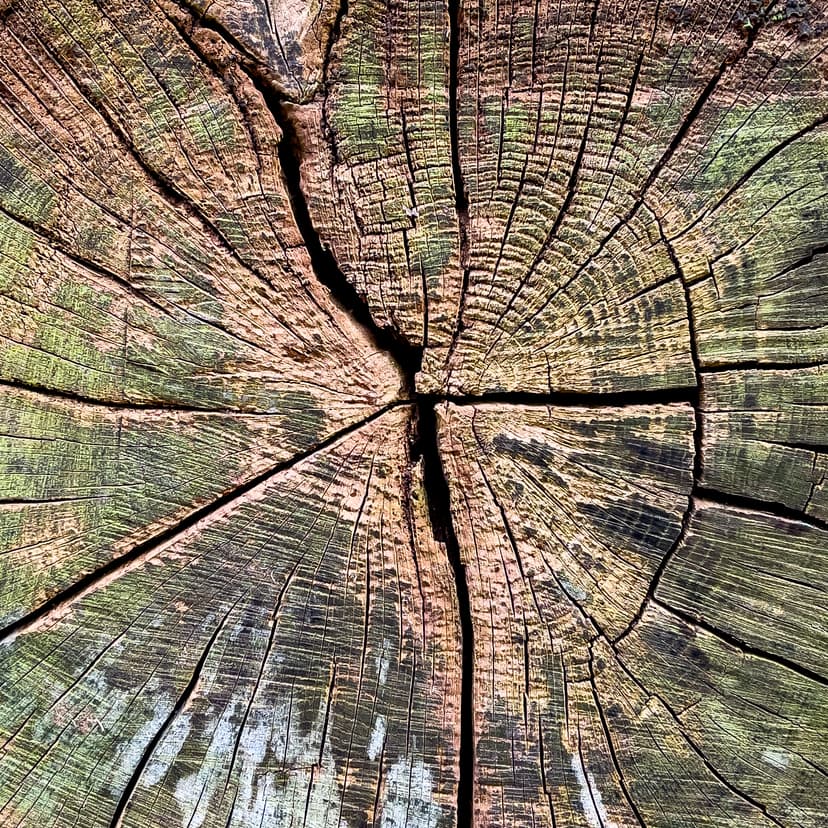
Within a Pine Tree
1 sound
Although pines are not native to this area, they are a widespread feature of the Dorset heaths, having been introduced several centuries ago. Often, they are removed from heaths as they can be highly invasive, but they also provide valuable habitat for many native species. Many raptors, for example, use them as nesting sites. In this part of the dunes, the pines are very low growing and spreading, which is a response to the windy conditions. Pines produce a distinctive sound as the wind moves through their canopies, but here we explore the internal sounds of the tree. Using special microphones, we recorded the sounds inside some Scots pine trees (Pinus sylvestris) growing on the dunes. The presence of hollow vessels and cavities within the wood enable it to conduct and resonate sound very effectively, which accounts for the widespread use of wood to manufacture musical instruments. As a result, it is possible to hear sounds from throughout the tree by placing microphones on the surface of the trunk. Here we present a collage of sounds recorded on a succession of windy days. You can hear wind moving the needles, cones and twigs, together with the woody creaks associated with the movement of larger branches and limbs. Pine trees also make delicate clicks as the cones expand and seeds are shed, which you might hear if you listen carefully.
Photo by Neil Davidson. Sound by Adrian Newton 2021.

