Angela Schiavone (Italy)

1 sound

When you come to my land

When you come to my land

I will know you because on this seat you listen to me.

A faceless listening, made from words.

Now we all live the same

bereft of the joy in encounter, in embrace.

But words have a strong taste

are all we can give one another.

My voice comes from an ancient sea-bound country,

great Rome’s emporium.

Honourary ships arriving from more parts of the world

to bring provisions, fabrics, marbles, animals.

The emperors’ Baiae was near.

Here were the most beautiful women,

here were born the most thrilling love affairs.

Yes, love, the force that makes you feel alive.

We should return to loving the other

to understand ourselves, to protect us and this land

this wonderful gift we destroy.

But land forgives and we change,

if we become worthy of being human.

I know not who you are listening to me,

man or woman, remember my words :

we’ll construct a new, better world.

When you come to ancient Puteoli

as soon as you say you’ve arrived I’ll understand

that this sad time is gone away.

I’ll be able to meet you half way, embrace you because you,

one day, seated on this seat listened to me.


Part of this walk

Talking chairs: Voices for the future of the planet

Talking chairs: Voices for the future of the planet

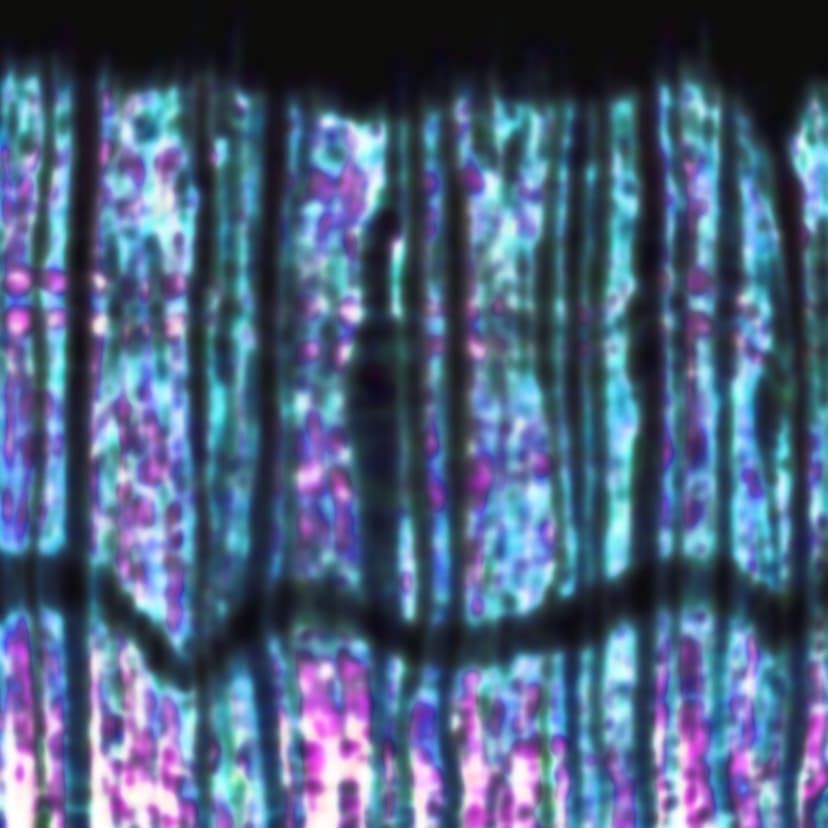
Poets and authors of the sound installation: Sara Capoccioni (poet) Galen Cranz (author of The Chair) Lidia Popolano (poet) Mariapia Quintavalla Elena Ribet (poet) Chelsea Rushton (poet) Angela Schiavone (poet) Marco Sonzogni (poet) Matilde Tortora (poet) Music by Lucio Lazzaruolo and Notturno Concertante Using Louis ghost chairs, the installation Talking chairs by Giovanna Iorio combines the transparency of this iconic chair created by designer Philippe Starck to the colours and sound of her unique voice portraits, spectrograms of the human voice. Chairs and human voices will be the only protagonists of this new sound installation that aims to reflect on the possibility of dialogue in a time of isolation. Philippe Starck described his transparent chair in these terms: “You are not sure exactly what it is but everyone recognises it and sees it as something familiar. It’s here when you want to see it and you can blend it in if you want to be discreet. It is half disappearing, dematerialising. Like all the production of our civilisation.” Through the “transparent design furnishings” the aesthetic aspect of transparency became accepted globally. In a society where everything that counts must be visible, the invisible becomes a valid alternative. Words, being a product of civilisation, disappear and dematerialise everyday leaving human beings every day more silent in a world of noises. Starck said that “the universal success of the Louis Ghost chair does not come from its design but from collective memory. The Louis Ghost chair was produced by our collective subconscious and it is only the natural result of our past, our present and our future.” In this installation we await for curious visitors to sit on the invisible chairs, blended in nature and only revealing the invisible colours of the human voice. Ten authors from Italy, USA and New Zealand have sent their message and voices to reflect on past, present and future. Talking chairs invites visitors to a place where chairs will no longer be chairs, but imaginary islands for urban sailors.
free

Privacy & cookie policy / Terms and conditions

© ECHOES. All rights reserved / ECHOES.XYZ Limited is a company registered in England and Wales, Registered office at Merston Common Cottage, Merston, Chichester, West Sussex, PO20 1BE

v2.5.15 © ECHOES. All rights reserved.
