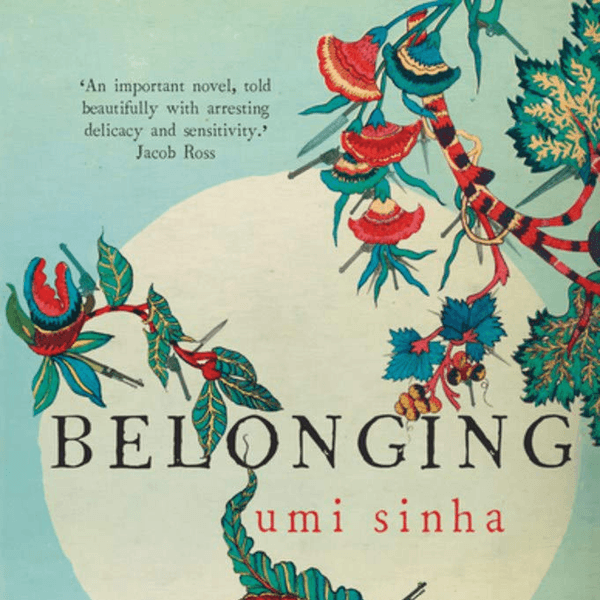
Umi Sinha - Belonging / Raymond Briggs - The Snowman
1 sound
Location: Pavillion Lawns
Transcript: Less than a fortnight after Simon’s departure, plans were announced to transform the disused Royal Pavilion in Brighton into a hospital for Indian soldiers. Barbara was one of the sisters picked to work there, and she decided to take me with her. V.A.D.s were not wanted at the Indian hospital because all the manual work was done by Indian orderlies – the nurses were forbidden to touch the men – but Barbara thought my knowledge of Hindustani would come in useful. The preparations were extraordinary. Every effort was made to respect the different religious observances: there were separate water taps, separate cooking facilities, even separate operating theatres and orderlies for Hindus and Muslims. Hindu and Sikh temples were set up in tents in the grounds and arrangements were made for Muslims to be taken to worship at the mosque in Woking. The floors were covered in linoleum and rows of white-sheeted beds and screens created a hospital environment at ground level, while, above, the painted domes, palm tree pillars and magnificent chandeliers that gave the former royal palace its oriental feel remained. For men recovering consciousness, it was disorientating to find themselves in what seemed like an Eastern paradise, and they sometimes had to be reassured that they were not dead or hallucinating. But, for me, it was like coming home… As soon as the hospital opened, the ladies of the town descended bearing flowers, fruit and other gifts. The soldiers were invited home for tea, or taken for rides along the seafront. For most of them hospital was not a depressing place. They had spent the autumn and the first part of winter digging trenches in the pouring rain, whilst standing knee-deep in water; many had lost toes to frostbite and, to make matters worse, their winter uniforms had never arrived so they were still in their tropical unforms, and would continue to be there until the following spring. So to be in a warm, comfortable environment, with all their needs supplied, playing cards and dice, or standing on the balconies waving at people passing on the trams, who waved back, was an enjoyable experience. But their enjoyment was short-lived. By December, all the English nurses had been removed, all visitors banned and patients were no longer allowed to leave the premises. The fences were heightened and barbed wire put along the top. It was felt that the Indian soldiers were becoming too friendly with the local women, and that this familiarity might negatively influence their behaviour towards Englishwomen when they were back in India. Despite protests that the patients felt imprisoned, and appeals that it was bad for their morale, the military authorities stood firm. By the end of 1915 the India hospitals were closed down and the treatment of Indians shifted to France.

