Little Green Pig

26 ECHOES

Location: Brighton, England, United Kingdom

A walk around Brighton locations that feature in books.

LITTLE GREEN PIG'S BIG BRIGHTON BOOK WALK

A sponsored trot through the streets of Brighton and the pages of books set here.

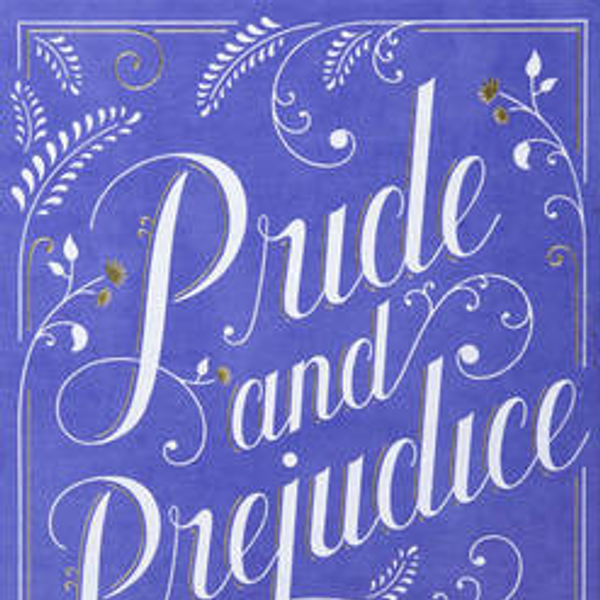
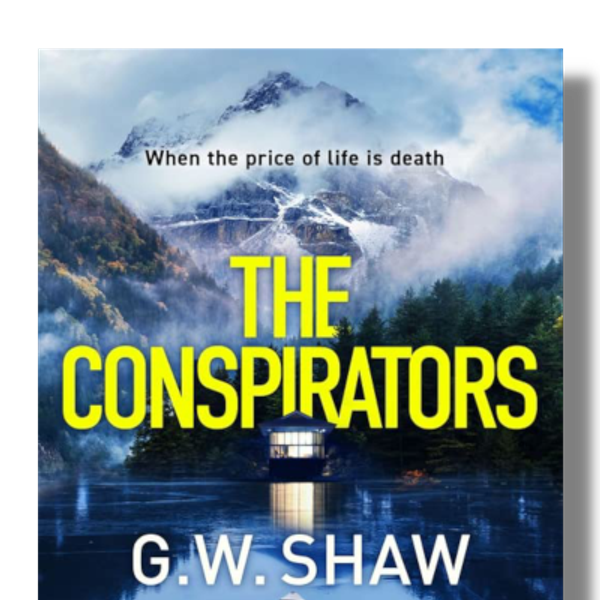
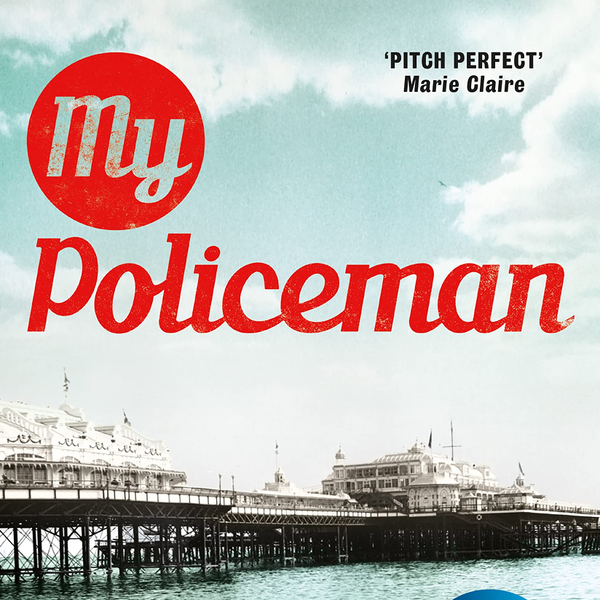
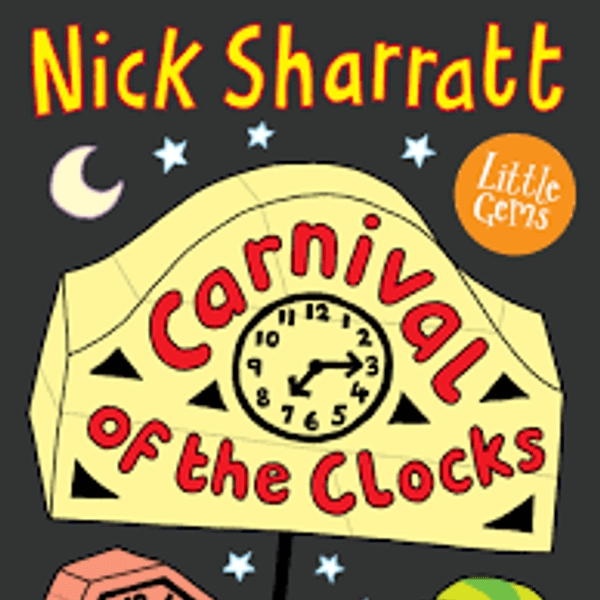
On Sunday 16th April, a group of Trustees, charity volunteers and friends will be walking 5 miles through Brighton, following a trail of locations featured in Brighton-set books. From Dorothy Koomson, Peter James and Juno Dawson to Bethan Roberts, Nick Sharratt, Lizzie Enfield, William Shaw, Elly Griffiths, Graham Bartlett, Eva Carter, Umi Sinha and Sue Teddern, and even Jane Austen, William Thackeray and of course Graham Greene's Brighton Rock, all these weave their stories through the streets of Brighton, and we'll be stopping at featured locations to listen to readings of extracts set there, many recorded especially for us by the authors themselves. From bodies found on beaches to snowmen flying over the pavilion domes, from grand balls in seafront hotels and squadrons of Regency soldiers camped out on Hove Lawns to criminals on the run emerging from the smoke of Brighton station, we will follow in the footsteps of others' imaginations, raising money so that local children can have opportunities to tell their own stories and unleash the power of their own imaginations.

Brighton-based young people's writing charity, Little Green Pig, supports children and young people to develop writing skills, confidence and communication skills. We believe passionately in working to improve young people's wellbeing and life chances, giving them space to grow, inspire their imaginations and find their voice. For over 10 years we've worked across East and West Sussex in areas of need with more than 5,500 children and young people between 6 - 18 years.

We're a small charity and rely heavily on donations. We're very grateful for anything you can donate!

Link to donate: https://www.justgiving.com/campaign/lgpbigbrightonbookwalk

Peter James - You Are Dead

Location: Big Beach Cafe

Transcript: Shortly after 7.15pm Roy Grace and Detective Inspector Glenn Branson hurried, heads bowed against the driving rain, towards the battery of bright lights illuminating the small Crime Scene Investigation tent that had been erected a short distance in front of the Big Beach Café at Hove Lagoon. It was surrounded by two cordons of fluttering blue and white crime scene tape. To the right, inside the inner cordon, was a second similar-sized tent.

So much for a quiet weekend, Grace was thinking. First a possible abduction, and now this. If the abduction was real – and he was increasingly certain that was the case – he would have to delegate one case as he couldn’t run two simultaneously.

They were greeted by the tall, friendly figure of the duty CID inspector, Charlie Hepburn, in a blue, hooded oversuit and protective shoes, and the uniformed duty inspector, Roy Apps, with rain dripping off his peaked cap. ‘Nice weather for ducks,’ Apps said. ‘Yeah, well you should know,’ quipped Branson. Apps had been a gamekeeper in his former life before joining Sussex Police. ‘Haha!’ ‘Nice to see you, Charlie,’ Roy Grace said. ‘How are Rachel, Archie and my namesake, Grace?’ ‘All good, thanks – Archie and Grace are getting very excited for Christmas.’ ‘I would be, too,’ Grace replied, ‘if I’d done any of my bloody shopping! Anyhow, what do we have?’ ‘A pretty good mess, Hepburn said. ‘Why the hell didn’t they stop the moment they uncovered the bones, instead of carrying on?’ ‘Want us to suit up? Grace asked. ‘I suppose you’d better, so Dave doesn’t get even more pissed off.’ He jerked a finger at the tent over the path, right behind him.

Grace and Branson went into the second tent, out of the rain. Chris Gee, a Crime Scene Investigator – formerly known as a Scenes of Crime Officer – handed them each an oversuit and shoes and offered them tea or coffee, which they both declined. They struggled into the suits, pulled on the shoes, went back out and signed the scene log. Then they followed Hepburn into the brightly lit tent covering the exposed parts of the skeleton…

1 sound

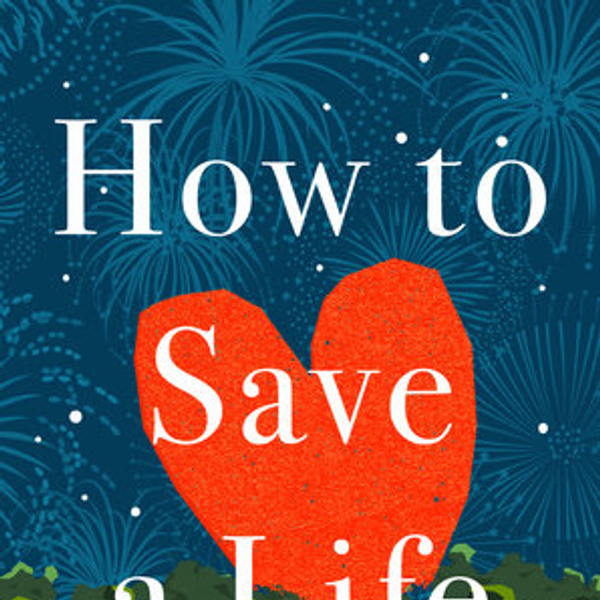
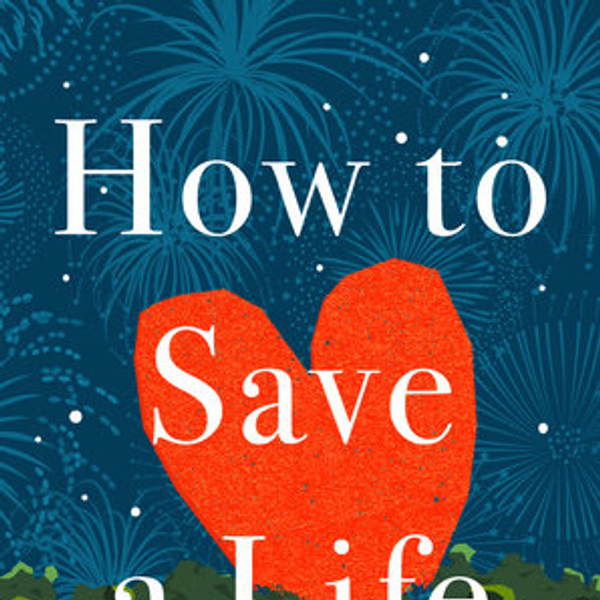
Eva Carter - How To Save a Life (extract 1)

Location: Hove Lawns, by Hove Plinth

Transcript: 31 December 1999. Kerry. Six minutes. I have six minutes left to be kissed. Three hundred and sixty seconds and counting, if I don’t want to end another year – let’s face it, an entire millennium – as the only seventeen-year-old girl in Brighton who has never snogged another human being. Most of the girls in the sixth form have gone all the way. You can tell from the way they move: dancing wildly on the shingle, wearing heels that keep sinking into the gaps between the pebbles, unsteady and sexy and— ‘Which do you think will implode first, the National Grid or air traffic control?’ Tim says, passing me the can of Diamond White. When I raise it to my lips, all that’s left is apple froth. I look up at the sky. ‘You probably shouldn’t be quite so excited about the idea of Armageddon.’ ‘Makes me feel quite reckless, being on the brink of disaster.’ Reckless isn’t Tim’s style, but his eyes are bright: I can see the beach fires the hippies have lit reflected in them. Except it’s not just the flames. There’s something else in his face, an intensity . . . Oh shit. He’s going to try to kiss me. He mustn’t. I move backwards, out of reach, and I break eye-contact, staring resolutely over Tim’s shoulder to where Joel and his mates are having a knockabout on the Lawns, lit by the Victorian lamps that line the Prom. The frost has set the earth like concrete, but the boys don’t seem to notice. They’re too busy trying to outrun Joel, even though they know they never will. He moves twice as fast as the others, the football always at his feet. He was in the same class as Tim and me, until he got signed for a football apprenticeship by the Dolphins FC. He’s one in a million. Everyone either wants to be him or be with him, me included. At the edge of my vision, Joel is running. And then he’s not. He doesn’t trip, or throw out an arm to right himself or break his fall. Instead, he drops, face down, legs outstretched. The boy who fell to earth. The others play on. I wait for Joel to get up. What’s he playing at? He’s not a joker the way Ant is, and I can’t believe he’s risked injury by falling so clumsily. Joel was the only one of the cool kids never to smoke or drink. Even tonight he’s stuck to orange juice . . . Ant pivots back, calling out, ‘Come on, Joel, you knob,’ and when he reaches his best friend, he nudges him with his big black shoe. Once. Twice. The third time is more of a kick. Joel doesn’t move. Certainty strikes me like lightning. He’s in trouble. I drop the can of cider – and though I fully intend to walk towards Joel, my legs have other ideas. Even as I run across the Lawns, I’m cursing myself for being so obvious, but I cannot stop. After keeping my crush secret for nearly seven years, I’m about to blow it, at three bloody minutes to midnight.

1 sound

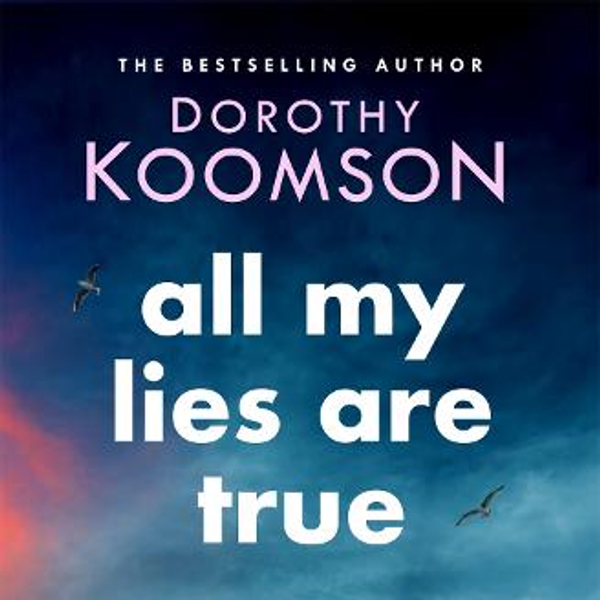
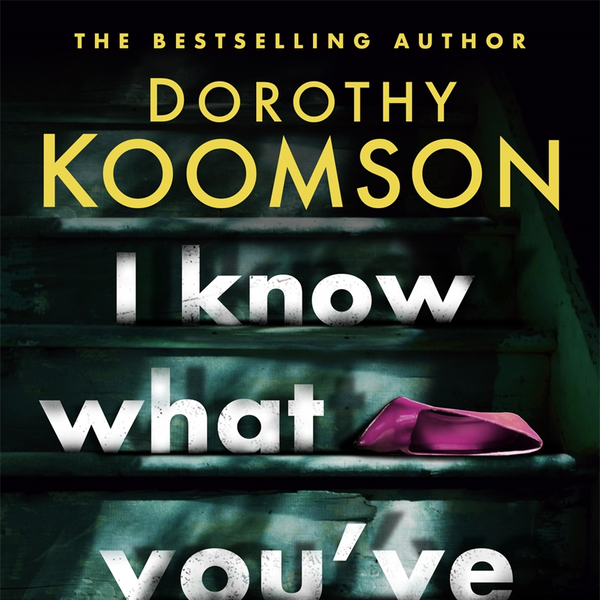
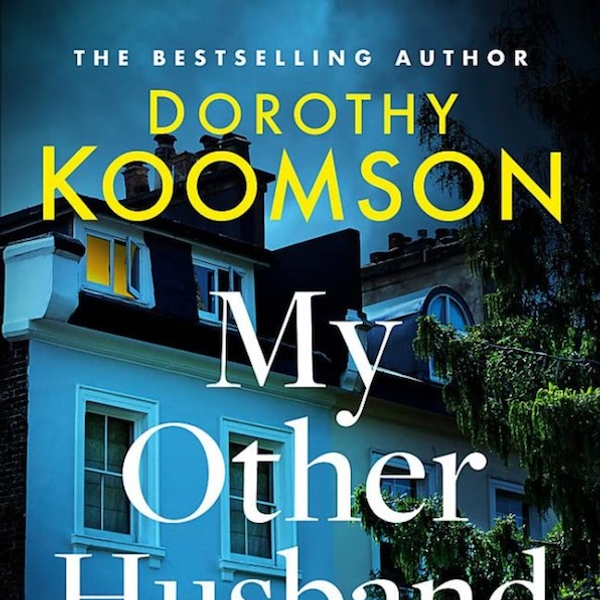
Dorothy Koomson - Tell Me Your Secret

Location: Hove Promenade, opposite Palmeira Square

Transcript: ‘Why are we down here so early on a Sunday, Kobster?’ My son, of course, side-eyes me, eviscerates me with his glare for daring to call him Kobster. Only Sazz is allowed to do that. ‘Sorry, I mean, Light of my Life, My Illustrious Firstborn, why are we down here so early?’ ‘You know why,’ he replies. The sea is calm today, it sits out on the horizon like layers of blown glass. The sun has edged itself into the sky and the clouds are hanging low but aren’t yet threatening rain. We’re treated to interludes of bright yellow sunlight as we walk towards Brighton from the block opposite our road that leads down towards the sea. Only a couple of dog walkers and joggers are out this early. Everyone else is at home or in bed. ‘I do not know why,’ I state. Even though I absolutely do. ‘Mum, the seagulls are up to something. It’s my job to find out what.’ ‘They’re not up to something,’ I say quietly. ‘They are! They are plotting to take over,’ he says. ‘The things they do, it’s not right. They’re up to something.’ It’s a good thing Kobi doesn’t know about the movie The Birds – it would give credence to this theory. ‘What do you think they’re actually going to do?’ ‘Take over the world, of course.’ ‘Of course.’ We pass a dark green bench, one that I regularly used to sit on when it was just me in that house, and it took coming to the sea-front and experiencing that expanse to make me appreciate my flat wasn’t too big for one, after all. ‘Can I borrow your phone, please?’ Kobi asks. ‘I need to take some photos.’ ‘Nope.’ ‘Why not?’ ‘I’m not encouraging this nonsense, Kobi. Your good buddy Sazz might indulge it, but not me.’ ‘Fine,’ he huffs, sounding exactly like me. ‘I’ll have to do it myself.’

1 sound

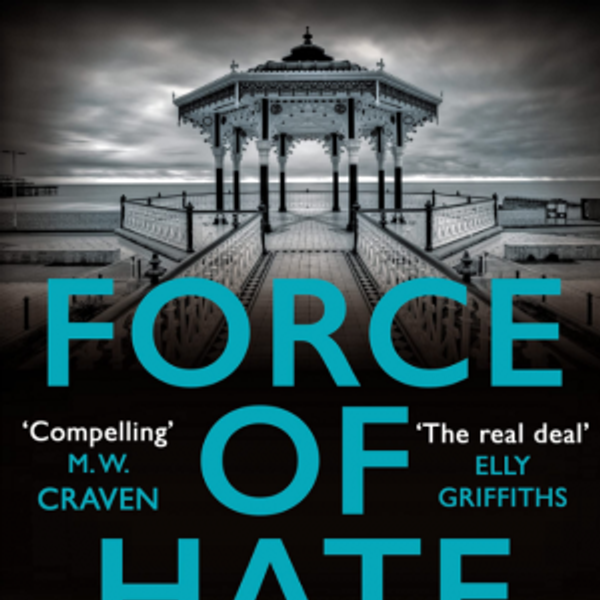
Graham Bartlett - Force of Hate

Location: Corner of Bedford Place and Sillwood Street

Transcript: Her assertive driving and the incessant sirens forced cars onto pavements and into the side roads as Wendy pushed her way up the hill to the mosque. As they approached, the ferocity of the situation hit them. A sea of bodies blocked the road, clashing and charging at each other. Thrown punches, fleeing men, bins and rocks careering through the air snuffed out any thoughts of talking their way out of this one. Wendy stopped the car as close as she could, resigned to the fact it would probably end up trashed. Not for the first time. ‘Ready?’ she said as she drew her baton. ‘You bet. Stay in sight,’ said Dan as he did likewise and, as one, they threw open their car doors and racked open their truncheons. ‘Let’s go,’ shouted Wendy as both sprinted towards the warring masses, yelling ‘police’ for what that was worth. In the mêlée, Wendy broadly made out two groups. One consisted of white, fat, red-faced men, most with armfuls of tattoos and hate in their eyes. The other were darker-skinned, fitter men wearing traditional thobes and kofis. She waded in, flailing her baton at any arm holding a weapon, fending off punches and kicks as she pushed through. She’d spun her head to see where Dan was, as much for his safety as hers, when she was jolted forward against a stationary car. Through the passenger window she could see a young woman, terror in her eyes, trying to placate two hysterical toddlers in the back. Wendy shouted, above the din, ‘It’ll be OK,’ but knew the mum couldn’t hear – and even if she could, she’d know the promise was empty. Suddenly she caught a glimpse of Dan, his hand gripped round a white man’s throat, propelling him back towards a shopfront opposite the mosque. He was about three metres away but might as well have been thirty, such was the impenetrable crowd between them. Like a tidal swell, the crowd bulged in Dan’s direction lending Wendy a metre or two of space. At first she thought it was the start of a dispersal. Then, to her horror she saw it for what it was. Half a dozen white men had spotted Dan’s arrest attempt and were charging to their friend’s aid. ‘Dan! Behind you!’ she said, but her cries were swamped by the taunts and roar of the crowd. She strained to keep sight of her crew-mate and grabbed two men twice her size, flinging them out of her path, tears blurring her vision. In seconds her worst fears were realised and she jabbed the red emergency button on her radio. ‘Charlie Romeo Zero One, officer down, multiple stab wounds. I need ambulance and back-up urgently. He’s bleeding out.’

1 sound

Arnold Bennett - Hilda Lessways

Location: Corner of Preston Street and Regency Square

Transcript: The train was in Brighton, sliding over the outskirts of the town. Miss Gailey opened her apprehensive eyes. Hilda saw steep streets of houses that sprawled on the hilly mounds of the great town like ladders. This then, was Brighton. The quaint irregularities of the architecture, and the vastness of the thronged perspectives, made promises to her romantic sense. The town seemed to be endless as London. There were hotels, churches, chapels, libraries, and music-shops on every hand. The more ordinary features of main streets - the marts of jewellery, drapery, and tobacco - had an air of grandiose respectability; while the narrow alleys that curved enigmatically away between the lofty buildings of these fine thoroughfares beckoned darkly to the fancy. The multiplicity of beggars, louts, and organ-grinders was alone a proof of Brighton's success in the world; the organ-grinders, often a man and a woman yoked together, were extraordinarily English, genteel, and prosperous as they trudged in their neat, middle-class raiment through the gritty mud of the macadam, stolidly ignoring the menace of high-stepping horses and disdainful glittering wheels. Brighton was evidently a city apart. Then the carriage rounded into King's Road, and suddenly she saw the incredible frontage of hotels, and pensions and apartments, and she saw the broad and boundless promenade alive with all its processions of pleasure, and she saw the ocean. And everything that she had seen up to that moment fell to the insignificance of a background. She understood. 'Of course, Sarah,' he said, as the carriage shortly afterwards turned up Preston Street, where the dying wind roughly caught them, 'we aren't beginning with anything as big as all that, so you needn't shiver in your shoes. You know what my notion is' - he included Hilda in his address - 'my notion is to get some experience first in a smaller house. We must pay for our experience, and my notion is to pay as little as possible. I can tell you there's quite a lot of things that have to be picked up before you've got the hang of a town like this - quite a lot.'

1 sound

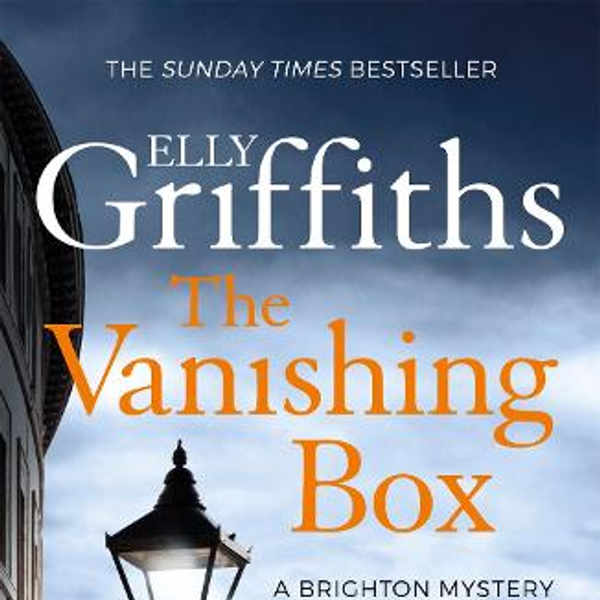
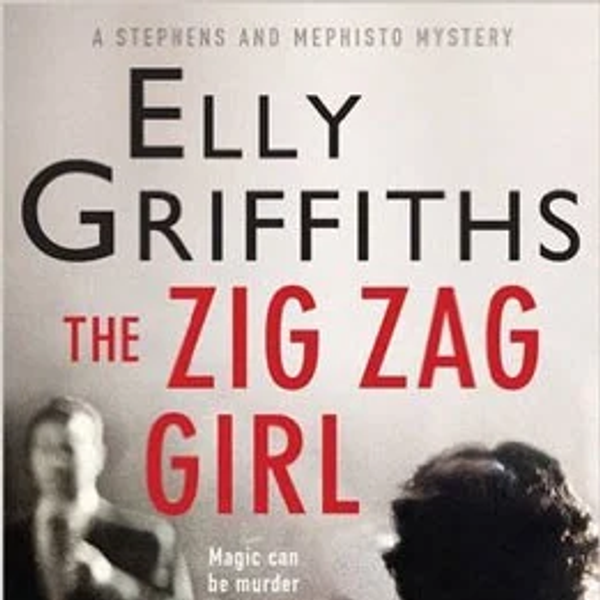
Elly Griffiths - The Vanishing Box

Location: The Hippodrome

Transcript: ‘It’s a good bill,’ s aid Bob, opening his programme. ‘A juggler, a comedian, someone called Madame Mitzi and her performing poodles. And Max Mephisto, of course.’ Behind Bob’s shoulder, Max and Ruby loomed out of a life-size poster. Magician and Daughter. Ruby peeping out from behind a top-hatted Max, her eyes dancing. A bell rang. ‘Come on,’ said Emma, ‘let’s go in.’ The complimentary seats were good ones, Row H of the stalls. The first seven rows were reserved for exclusive chairs called ‘special fauteuils’. Emma was surprised how opulent the Hippodrome looked from the inside: the domed ceiling, the ornate balconies, the swagged velvet stage curtains. You hardly noticed that the seats were a little threadbare and that some of the gilt cherubs had lost their noses. ‘My parents used to come here before the war,’ she told Bob. ‘They saw Max Miller and the Crazy Gang.’ ‘Variety isn’t what it used to be,’ said Bob solemnly. But, sitting in the theatre, listening to the orchestra playing ‘Happy Days Are Here Again’, it didn’t seem that Variety was dead and buried just yet. The audience were surprisingly elegant too, lots of jewellery and bow ties, swirls of velvet and satin. You could imagine that you were back in pre-war days when people dressed for dinner and tailcoats were not exclusively worn by musicians or waiters. ‘It’s starting,’ said Bob.’

1 sound

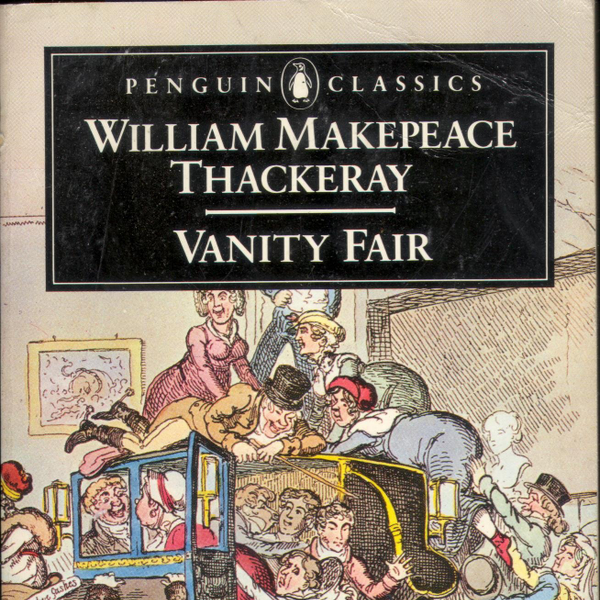
William Thackeray - Vanity Fair

Location: The Old Ship Hotel

Transcript: Some ten days after the above ceremony, three young men of our acquaintance were enjoying that beautiful prospect of bow windows on the one side and blue sea on the other, which Brighton affords to the traveller. Sometimes it is towards the ocean - smiling with countless dimples, speckled with white sails, with a hundred bathing-machines kissing the skirt of his blue garment - that the Londoner looks enraptured: sometimes, on the contrary, a lover of human nature rather than of prospects of any kind, it is towards the bow windows that he turns, and that swarm of human life which they exhibit. From one issue the notes of a piano, which a young lady in ringlets practises six hours daily, to the delight of the fellow-lodgers: at another, lovely Polly, the nursemaid, may be seen dandling Master Omnium in her arms: whilst Jacob, his papa, is beheld eating prawns, and devouring the Times for breakfast, at the window below. Yonder are the Misses Leery, who are looking out for the young officers of the heavies, who are pretty sure to be pacing the cliff; or again it is a City man, with a nautical turn, and a telescope, the size of a six-pounder, who has his instrument pointed seawards, so as to command every pleasure-boat, herring-boat, or bathing-machine that comes to, or quits, the shore. But have we any leisure for a description of Brighton? - for Brighton, a clean Naples with genteel lazzarone - for Brighton, that always looks brisk, gay, and gaudy, like a harlequin's jacket.

Our young bride and bridegroom had chosen Brighton as the place where they would pass the first few days after their marriage. And having engaged apartments at the Ship Inn, enjoyed themselves there in great comfort and quietude, until Jos presently joined them. Nor was he the only companion they found here. As they were coming into the Hotel from a sea-side walk one afternoon, on whom should they light but Rebecca and her husband. The recognition was immediate. Rebecca flew into the arms of her dearest friend. Crawley and Osborne shook hands together cordially enough: and Becky, in the course of a very few hours, found means to make the latter forget that little unpleasant passage of words which had happened between them. "Do you remember the last time we met at Miss Crawley's, when I was so rude to you, dear Captain Osborne? I thought you seemed careless about dear Amelia. It was that made me angry: and so pert: and so unkind: and so ungrateful. Do forgive me!" Rebecca said, and she held out her hand with so frank and winning a grace, that Osborne could not but take it.

1 sound

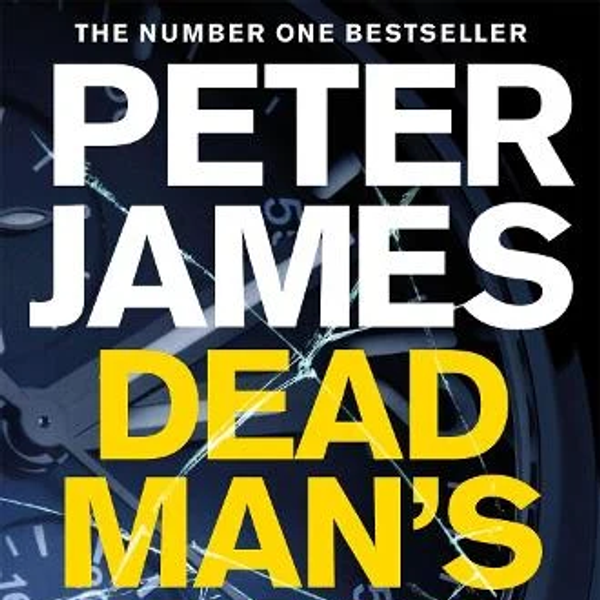
Peter James - Dead Man's Time

Location: English's Restaurant, Market Street

Transcript: They walked the narrow Lanes he loved so much, passing packed restaurants and bars, and came into the square, Brighton Place, dominated by the flint façade of one of Brighton’s landmarks, the Sussex pub. English’s restaurant was directly across, with a long row of outside tables roped off, Mediterranean style. ‘Inside or outside?’ the restaurant manager asked. ‘I booked outside,’ Cleo said decisively, and glanced at Roy Grace for approval. He nodded enthusiastically. They were led down the line to the one table that was free. From long experience, Cleo indicated for Roy to take the chair with its back to the wall. ‘You take the policeman’s chair, darling.’ He squeezed her hand. After a few years in the force, most police officers only felt comfortable in restaurants and bars if they had their backs to the wall and a clear view of the room and the entry points. It had become second nature to him. They took their seats. Behind Cleo, an endless stream of people walked along the alley from Brighton’s trendy East Street into the Lanes. He picked up the leather-bound wine list and opened it. Just as he began casting his eye up and down, looking for the dry white wines he knew Cleo liked, and which he liked best, too, he suddenly saw two people he recognized. ‘Bloody hell!’ He pulled the wine list up, covering his face, wanting to spare them the embarrassment of being spotted. Although the Machiavellian streak in him almost wanted them to see him. ‘What is it?’ Cleo asked. He waited some moments, then lowered the list, and pointed at a couple, arm in arm, strolling away from them. ‘I thought they were coming in here!’ She stared at the couple. The man had a large bald patch, and was wearing a brown jacket and grey trousers. The woman had brown hair cut in a chic style, and wore a pretty pink dress. ‘Who are they?’ ‘You’ve met them both, individually, at the mortuary over the years. DS Norman Potting and DS Bella Moy!’ ‘And he’s been married – what – four times?’ ‘Yup.’ Their waiter appeared. Grace ordered two glasses of champagne and some olives. ‘That’s terrible.’ ‘He is pretty terrible. But hey, good on Norman pulling Bella!’ ‘Good on Norman pulling Bella?’ she quizzed. ‘What is it with you men? Why do men treat pulling women like a sport? What about, Poor Bella, lumbering herself, in desperation, with a serially unfaithful old lech?’ He laughed. ‘You’re right.’ ‘So why do they, Roy?’ ‘Because, I suppose, for most people, life’s a compromise. That writer – philosopher – you like, whose work you introduced me to a few months ago. What was his great line? Something about so many people living lives of quiet desperation?’ ‘Yes. Don’t let us ever get like that, Roy.’ He stared back into her clear, green eyes. ‘We never will,’ he said.

1 sound

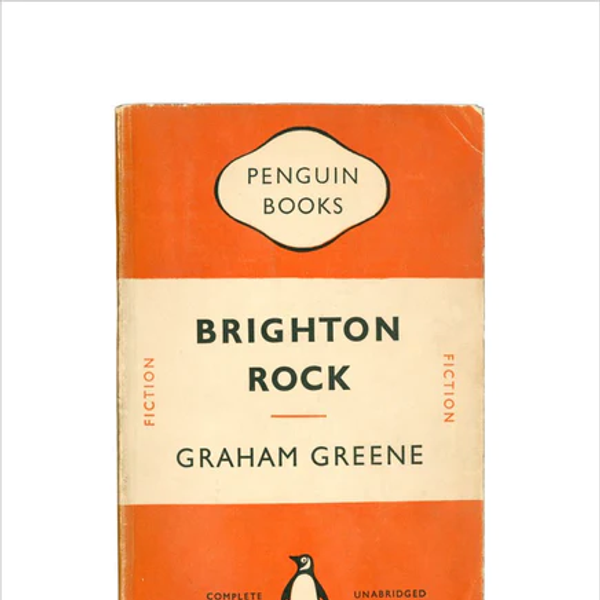
Graham Greene - Brighton Rock

Location: Clock Tower

Transcript: Hale knew, before he had been in Brighton three hours, that they meant to murder him. With his inky fingers and his bitten nails, his manner cynical and nervous, anybody could tell he didn’t belong — belong to the early summer sun, the cool Whitsun wind off the sea, the holiday crowd. They came in by train from Victoria every five minutes, rocked down Queen’s Road standing on the tops of the little local trams, stepped off in bewildered multitudes into fresh and glittering air: the new silver paint sparkled on the piers, the cream houses ran away into the west like a pale Victorian watercolour; a race in miniature motors, a band playing, flower gardens in bloom below the front, an aeroplane advertising something for the health in pale vanishing clouds across the sky.

It had seemed quite easy to Hale to be lost in Brighton. Fifty thousand people besides himself were down for the day, and for quite a while he gave himself up to the good day, drinking gins and tonics wherever his programme allowed. For he had to stick closely to a programme: from ten till eleven Queen’s Road and Castle Square, from eleven till twelve the Aquarium and Palace Pier, twelve till one the front between the Old Ship and West Pier, back for lunch between one and two in any restaurant he chose round the Castle Square, and after that he had to make his way all down the parade to the West Pier and then to the station by the Hove streets. These were the limits of his absurd and widely advertised sentry-go.

Advertised on every Messenger poster: ‘Kolley Kibber in Brighton today.’ In his pocket he had a packet of cards to distribute in hidden places along his route; those who found them would receive ten shillings from the Messenger, but the big prize was reserved for whoever challenged Hale in the proper form of words and with a copy of the Messenger in his hand: ‘You are Mr Kolley Kibber. I claim the Daily Messenger prize.'”

1 sound

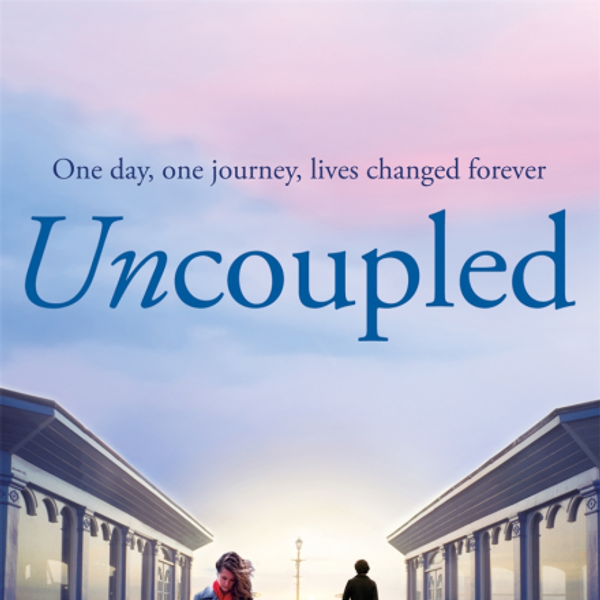
Lizzie Enfield - Uncoupled

Location: Brighton Station

Transcript: Holly smiled at her again and the woman smiled back…She was still annoyed, though, with Mark for insisting on coming with her to the station and trying to keep her buoyant with jokes that she’d heard too often before. He obviously thought his presence would be reassuring, but it had the opposite effect. His forced humour made it difficult for her to focus on staying calm. She knew she was being ungracious, but she couldn’t help it. If he makes the Hastings-and-or-where? joke, Holly had thought to herself, as a disembodied voice began announcing the arrival of a train on platform seven, I might just hit him. Holly usually tolerated Mark making the same jokes over and again. Every time she asked if they should go next door, meaning from the kitchen to the living room, and he answered ‘Hadn’t we better ask the neighbours if they mind?’ she would smile indulgently. Mark had no idea she actually found the joke extremely irritating. Today she was having trouble masking this irritation. ‘The train on platform seven,’ said the announcer, ‘is the 8.58 service to Hastings, calling at…’ ‘You don’t have to wait,’ Holly had said abruptly to Mark. ‘You’ll be late for work.’ ‘Only a few minutes.’ He failed to pick up on the fact she didn’t want him there. ‘I’d rather be here.’ ‘Bexhill-on-Sea, St Leonard’s Warrior Square…’ the announcer had been reeling out station names during their brief exchange ‘…Hasting and Ore.’ Ore, once a small village, was now a large suburb of Hastings. ‘And or where?’ said Mark, on cue and as expected. ‘I knew you were going to say that,’ Holly snapped. ‘Can’t teach an old dog new…’ he began but stopped, realising she was annoyed. ‘Sorry.’ ‘What for?’ Holly scanned the departures board, hoping the London Victoria platform would appear and she could get away from him. ‘I don’t know.’ It was true, Mark obviously didn’t know but he was sorry anyway. That was typical of him, understanding, even when he didn’t quite understand. And he didn’t understand what she was feeling right now. Holly didn’t really understand herself. She just wanted to get on with things, the first one being boarding the train.

1 sound

Umi Sinha - Belonging / Raymond Briggs - The Snowman

Location: Pavillion Lawns

Transcript: Less than a fortnight after Simon’s departure, plans were announced to transform the disused Royal Pavilion in Brighton into a hospital for Indian soldiers. Barbara was one of the sisters picked to work there, and she decided to take me with her. V.A.D.s were not wanted at the Indian hospital because all the manual work was done by Indian orderlies – the nurses were forbidden to touch the men – but Barbara thought my knowledge of Hindustani would come in useful. The preparations were extraordinary. Every effort was made to respect the different religious observances: there were separate water taps, separate cooking facilities, even separate operating theatres and orderlies for Hindus and Muslims. Hindu and Sikh temples were set up in tents in the grounds and arrangements were made for Muslims to be taken to worship at the mosque in Woking. The floors were covered in linoleum and rows of white-sheeted beds and screens created a hospital environment at ground level, while, above, the painted domes, palm tree pillars and magnificent chandeliers that gave the former royal palace its oriental feel remained. For men recovering consciousness, it was disorientating to find themselves in what seemed like an Eastern paradise, and they sometimes had to be reassured that they were not dead or hallucinating. But, for me, it was like coming home… As soon as the hospital opened, the ladies of the town descended bearing flowers, fruit and other gifts. The soldiers were invited home for tea, or taken for rides along the seafront. For most of them hospital was not a depressing place. They had spent the autumn and the first part of winter digging trenches in the pouring rain, whilst standing knee-deep in water; many had lost toes to frostbite and, to make matters worse, their winter uniforms had never arrived so they were still in their tropical unforms, and would continue to be there until the following spring. So to be in a warm, comfortable environment, with all their needs supplied, playing cards and dice, or standing on the balconies waving at people passing on the trams, who waved back, was an enjoyable experience. But their enjoyment was short-lived. By December, all the English nurses had been removed, all visitors banned and patients were no longer allowed to leave the premises. The fences were heightened and barbed wire put along the top. It was felt that the Indian soldiers were becoming too friendly with the local women, and that this familiarity might negatively influence their behaviour towards Englishwomen when they were back in India. Despite protests that the patients felt imprisoned, and appeals that it was bad for their morale, the military authorities stood firm. By the end of 1915 the India hospitals were closed down and the treatment of Indians shifted to France.

1 sound

William Thackeray - The Newcomes

Location: Old Steine Gardens

Transcript: What is a lodging-house at Brighton but an uncertain maintenance? On one day they come in shoals, it is true, but where are they on the next? In Steyne Gardens, the lodging-houses are among the most frequented in that city of lodging-houses. These mansions have bow-windows in front, bulging out with gentle prominences, and ornamented with neat verandahs, from which you can behold the tide of humankind as it flows up and down the Steyne, and that blue ocean stretching brightly away eastward and westward. The chain-pier, as everybody knows, runs intrepidly into the sea, which sometimes, in fine weather, bathes its feet with laughing wavelets, and anon, on stormy days, dashes over its sides with roaring foam. Here, for the sum of twopence, you can go out to sea and pace this vast deck without need of a steward with a basin. You can watch the sun setting in splendour over Worthing, or illuminating with its rising glories the ups and downs of Rottingdean. You see the citizen with his family inveigled into the shallops of the mercenary native mariner, and fancy that the motion cannot be pleasant. You behold a hundred bathing-machines put to sea; and your naughty fancy depicts the beauties splashing under their white awnings. Along the rippled sands (stay, are they rippled sands or shingly beach?) the prawn-boy seeks the delicious material of your breakfast. In yon vessels now nearing the shore the sleepless mariner has ventured forth to seize the delicate whiting, the greedy and foolish mackerel, and the homely sole. Hark to the twanging horn! it is the early coach going out to London. Your eye follows it, and rests on the pinnacles built by the beloved GEORGE. See the worn-out London roué pacing the pier, inhaling the sea air, and casting furtive glances under the bonnets of the pretty girls who trot here before lessons! Mark the bilious lawyer, escaped for a day from Pump Court, and sniffing the fresh breezes before he goes back to breakfast and a bag full of briefs at the Albion! See that pretty string of prattling schoolgirls! See Tomkins with a telescope and marine jacket; young Nathan and young Abrams, already bedizened in jewellery, and rivalling the sun in oriental splendour; yonder poor invalid crawling along in her chair; yonder jolly fat lady examining the Brighton pebbles (I actually once saw a lady buy one), and her children wondering at the sticking-plaster portraits with gold hair and gold stocks, and prodigious high-heeled boots, miracles of art, and cheap at seven-and-sixpence!

1 sound

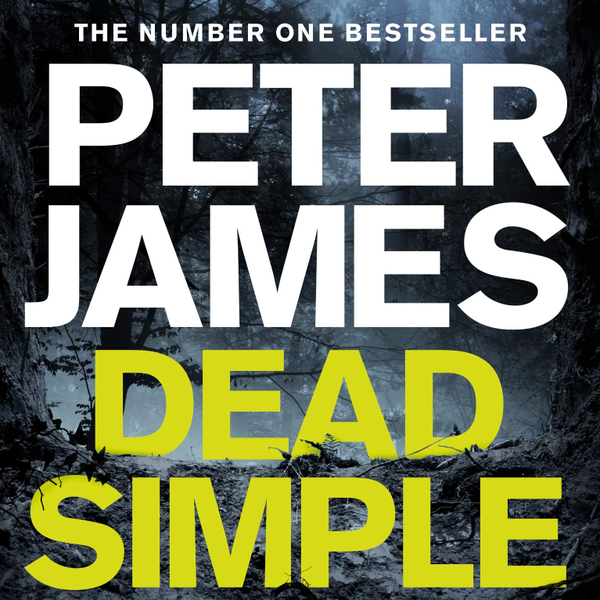
Peter James - Dead Simple

Location: Van Alen Building, Marine Parade

Transcript: An hour later he was reversing his silver BMW X5 into his underground parking slot in the Van Alen building. He took the lift up to the fourth floor, and let himself into his apartment. It had been a financial stretch to buy this place, but it took him a step up in the world. An imposing, modern Deco-style building on Brighton seafront, with a bunch of celebrities among the residents. The place had class. If you lived in the Van Alen you were a somebody. If you were a somebody, that meant you were rich. All his life, Mark had had just that one goal – to be rich. The voicemail light was winking away on the phone as he walked through to the large open-plan living area. He decided to ignore it for a moment as he dumped his briefcase, plugged his mobile into the charger, then went straight to the drinks cabinet and poured himself a couple of fingers of Balvenie whisky. Then he walked over to the window, stared down at the promenade below, still buzzing with people despite the weather and the hour. Beyond that he could see the bright lights of the Palace Pier and the inky darkness of the sea. All of a sudden his mobile beeped sharply at him. A message. He stepped over and looked at the display. Shit. Fourteen new messages! Keeping it connected to the charger, he dialled his voicemail box. The first message was from Pete, at 7 p.m., asking where he was. The second was from Robbo at 7.45, helpfully telling him they were moving on to another pub, the Lamb at Ripe. The third was at 8.30 from a very drunken-sounding Luke and Josh, with Robbo in the background. They were moving on from the Lamb to a pub called the Dragon, on the Uckfield Road. The next two messages were from the estate agent concerning the deal in Leeds, and from their corporate lawyer. The sixth was at 11.05 from a very distressed-sounding Ashley. Her tone startled him. Ashley was normally calm, unflappable. ‘Mark, please, please, please call me as soon as you get this,’ she urged in her soft, distinctive North American accent. He hesitated, then listened to the next message. It was from Ashley again. Panicky now. And the next, and the next one after that, each at ten-minute intervals. The tenth message was from Michael’s mother. She also sounded distraught. ‘Mark, I left a message on your home phone too. Please call me as soon as you get this, doesn’t matter what time.’ Mark paused at the machine. What the hell had happened? The next call had been Ashley again. She sounded close to hysterics. ‘Mark, there’s been a terrible accident. Pete, Robbo and Luke are dead. Josh is on life support in Intensive Care. No-one knows where Michael is. Oh God, Mark, please call me just as soon as you get this.’

1 sound

Eva Carter - How To Save a Life (extract 2)

Location: Palace Pier entrance

Transcript: ‘Why have you stopped?’ she asks. ‘Can you kiss me again, please?’ ‘You’ve got to catch me first.’ I start to run, and Kerry runs with me, grabbing hold of the ridiculous garland I’ve wrapped around my waist. We head for the seafront, as Brighton kids always do. On the beach, a group of swimmers gather at the shoreline, ready for the annual Christmas dip. ‘Fancy it?’ I ask her. Kerry shakes her head. ‘No way. But . . .’ she looks towards Palace Pier and nods. ‘It’s closed on Christmas Day.’ ‘Even better.’ She runs past the shuttered hot dog stands and candy floss kiosks, towards the barricades. As I watch, she darts to the right-hand side. And now she’s gone. I walk towards the gates. ‘Come on, you can sneak in through here . . .’ She puts out her hand and helps me clamber through the narrow gap and over the roof of a candy floss stall. I’ve never seen the pier completely empty before and she starts to dance up and down the empty boards. I chase her, lasso her with Mum’s berry garland, and throw my arms around her. I kiss her with the sea smooth and green-grey between the planks under our feet. In the distance, the capped heads of the mad swimmers bob like balls. I pour champagne into plastic flutes. We drink it looking out towards Shoreham, and beyond that to the edge of the world. We are young, we can do anything, go anywhere. We’ve made mistakes. No, I’ve made mistakes, but I don’t have to be punished for those forever. ‘Kiss me again, please,’ she asks. I turn her face towards me and this time it’s a Hollywood kiss, tender and slow, one that justifies the changes it’s going to set in motion. ‘I should go,’ she says. ‘Tomorrow, we start again.’ She flinches, as though she’s already playing out the scene in her mind. ‘It’ll be messy to pull apart, after all this time. I’ve been with Tim for . . . three quarters of my life, if you count how long we’ve been friends . . .’ ‘It’ll be messier the longer you leave it.’ ‘You’re right.’ She takes my hand and we walk back to the pier turnstiles. She clambers back over the roof of the stall, and holds out her hand to help me through the gap. We’re going back to real life, but only for another twenty-four hours. We kiss one last time, leaning against the turquoise railings, then I watch her walk away. Our happy ever after is in sight.

1 sound

DOWNLOAD OUR APP TO DISCOVER THIS TOUR AND MANY OTHERS.

play-storeapp-store

Or start creating tours, treasure hunts, POI maps... Just let your imagination guide you.


Other walks nearby


Are you a creator?

START HERE

Privacy & cookie policy / Terms and conditions

© ECHOES. All rights reserved / ECHOES.XYZ Limited is a company registered in England and Wales, Registered office at Merston Common Cottage, Merston, Chichester, West Sussex, PO20 1BE

v2.5.15 © ECHOES. All rights reserved.