Listening to the sand dunes
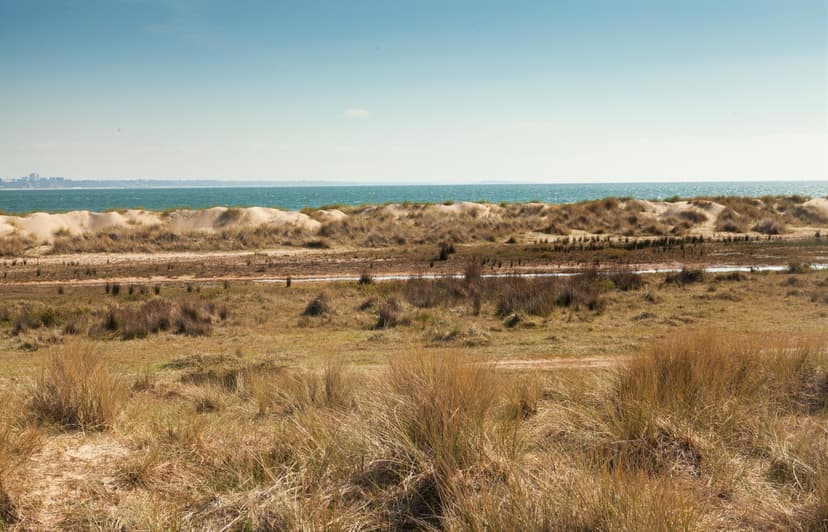
Studland Bay has stories to tell. Within the sand and under the heather are hidden noises and untold tales. And they ask you… Do you know what sound a pine tree makes? Or the calls that happen at night? How about the stories from the war or perhaps the wonders of our dune dynamics? Well now you can put your headphones in, go for a walk and experience an exploratory soundscape at Studland Bay.
Dotted across the dunes are echoes for you to find, some are in popular spots while others are hidden in the wilderness. On your exploration, please be mindful of tough vegetation, cattle grazing and the wildlife that lives at Studland. The dunes are home to some wonderful species, like nightjars that make their nest on the ground or adders that live in the heather. To keep yourself and the wildlife safe please walk carefully, wear appropriate clothing, keep dogs on a lead and take any litter home.
Each echo has a different theme, species or story to tell and has been developed by two sound artists, Laura Reid and Adrian Newton (both members of EAP, Environmental Art Practitioners). Laura blends music with conversation to further deepen our understanding of history, culture and ecology at Studland Bay. Adrian, who worked with Lynn Davy and Arthur Newton, uses specialist equipment to record hidden nature sounds and gives us a window into a noisy world we rarely hear.
The development of this sound walk is all due to Dynamic Dunescapes, a nationwide project to restore sand dunes across England and Wales. So far at Studland Bay, we have re-created patches of bare sand and reintroduced cattle grazing, but everyone can play a part in restoring this special place. The sand dunes have become over-vegetated, and as a result are declining in biodiversity. By exploring the ‘listening to the sand dunes’ soundscape, you will be taken off-path to trample on overgrown vegetation and create space for rare life. If we leave no trace, and are mindful of the local wildlife, we can help the dunes simply by exploring them.
So, take an immersive trip to Studland Bay. The soundscape works best with headphones, and by downloading the walk before you go. There is also an instruction sheet to collect at Knoll Beach if you wish. You can start at either Shell Bay or Northern Boundary, and the experience will take you approximately two-hours. Get lost in sound, discover untold stories and know that by doing so, you are also helping restore our sand dunes