Frazier Baker Historical Site
1 sound
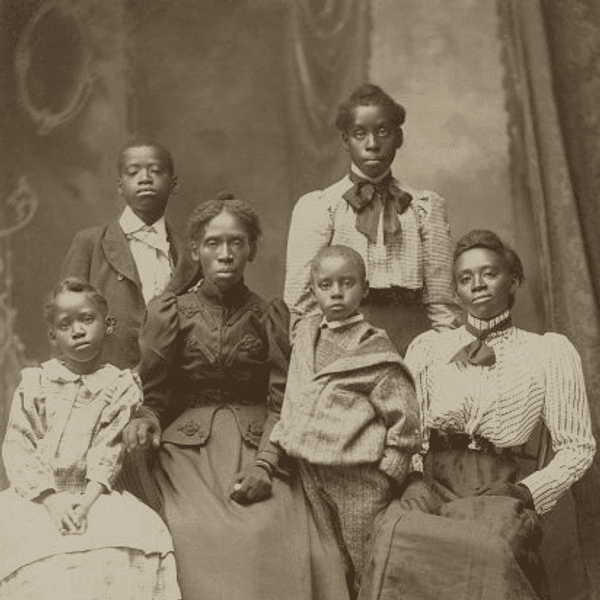
Frazier B. Baker was an African American teacher who had recently been appointed postmaster of Effingham, but under the William McKinley administration, was elected as the first African American US postmaster for Lake City in 1897. He held the position for six months, despite opposition to his appointment from the white community in Lake City. During that time, he was shot at twice and received many death threats for having obtained this position. Whites who resented Baker harassed him, even burning the post office in an attempt to make him resign and leave town. After the burning of the post office, the Bakers lived in a small home outside of the downtown area which was a former schoolhouse that had been converted into both their home and post office. On February 22, 1898, a mob of white townspeople circled their home, set it on fire, and fired at least 100 bullets at their house while the Bakers and their six children were inside. Frazier Baker was shot to death while trying to escape the house. His wife, Lavinia Baker fled the burning house, carrying her infant daughter Julia, but her baby was shot in her arms. Mrs. Baker and her other children managed to escape with their lives, but three of the children were wounded by gunshots and permanently maimed. Mr. Frazier and Julia’s remains were burned beyond recognition and the federal post office building was consumed with fire, leaving the people of Lake City without a post office. An editorial called it “the most horrible crime ever committed” in S.C. Members of the Black community in Lake City held a mass meeting at Pilgrim Baptist Church and drafted a public statement expressing outrage at the lynching. The murder led to a national campaign of letter-writing, activism, and advocacy which anti-lynching activist Ida B. Wells persuaded President McKinley to order a federal investigation. Eleven men were tried in federal court in 1899, but a hung jury resulted in a mistrial. Moreover, local and state officials did nothing. Some politicians such as SC Senator Benjamin Tillman, defended the lynching finding that the people of Lake City should not have to receive their mail from a Black man. In 1918, St. James A.M.E. Church was constructed on the site of Baker’s burned post office and house. On October 5, 1955, the church was burned down by white supremacists angry at the activism of minister Joseph Armstrong DeLaine during the Briggs v. Elliott desegregation case. The connection between both the violence committed to the Baker Family and Reverend J.A. DeLaine and his congregation demonstrate white supremacist attempts during Jim Crow to provoke fear in Black communities and uphold a racial caste system.
There were nearly 6,500 lynchings in the United States between 1865 and 1950, a majority of which took place in the South and whose victims were Black or people of color. South Carolina had over 150 lynchings from 1882 to 1968. Black Americans would begin to flee the South to escape terror of lynchings, a historic event known as the Great Migration, in the 1910s as they moved to urban mid-western and northeastern cities. Grassroots activism would take place such as boycotting white businesses and anti-lynching crusaders like Ida B. Wells would compose newspaper columns to criticize the atrocities of lynching. Several Civil Rights organizations, like the NAACP, would emerge during this time to combat racial violence and for legal protections for African Americans. In 1919, the NAACP published Thirty Years of Lynching in the United States, 1889-1919, which promoted awareness of lynchings and also provided data of those who were victims such as their race, sex, state, year, and alleged offense. NAACP supporter, Congressman Leonidas Dryer of Missouri would also propose an Anti-Lynching Bill – known as the Dyer Bill – into Congress in 1918. Unfortunately, this bill would be defeated by a Senate filibuster. On March 29, 2022, President Joe Biden signed into law the first federal legislation making lynching a hate crime, known as the Emmett Till Law, addressing a history of racist killings in the United States. Named after Emmett Till, a 14-year-old Black boy who was brutally murdered in Mississippi in 1955, the bill makes it possible to prosecute as a lynching any conspiracy to commit a hate crime that results in death or serious bodily injury.

