Whitehills, Scotland, 'Nightingales'

room 6 ECHOES

Location: Banff

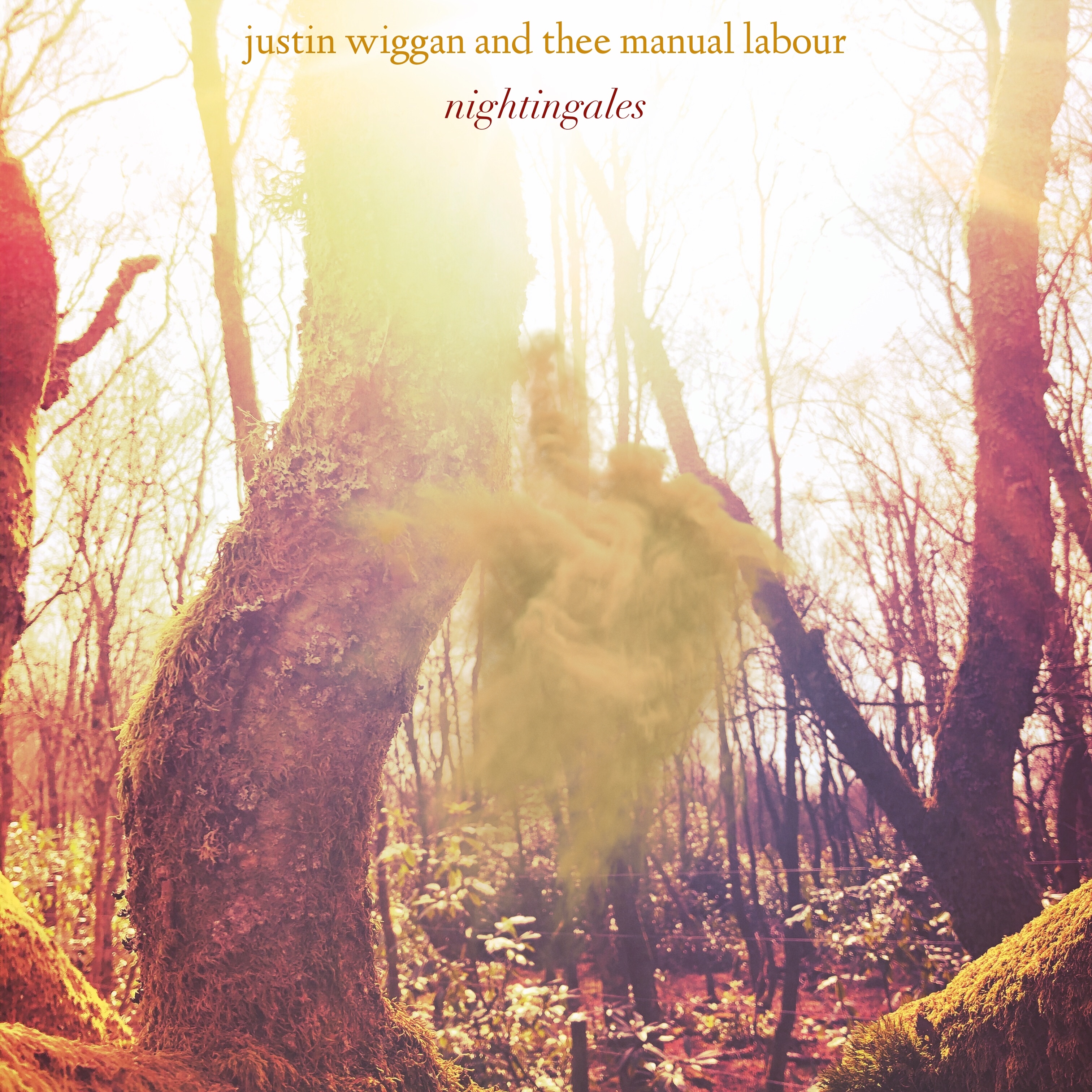
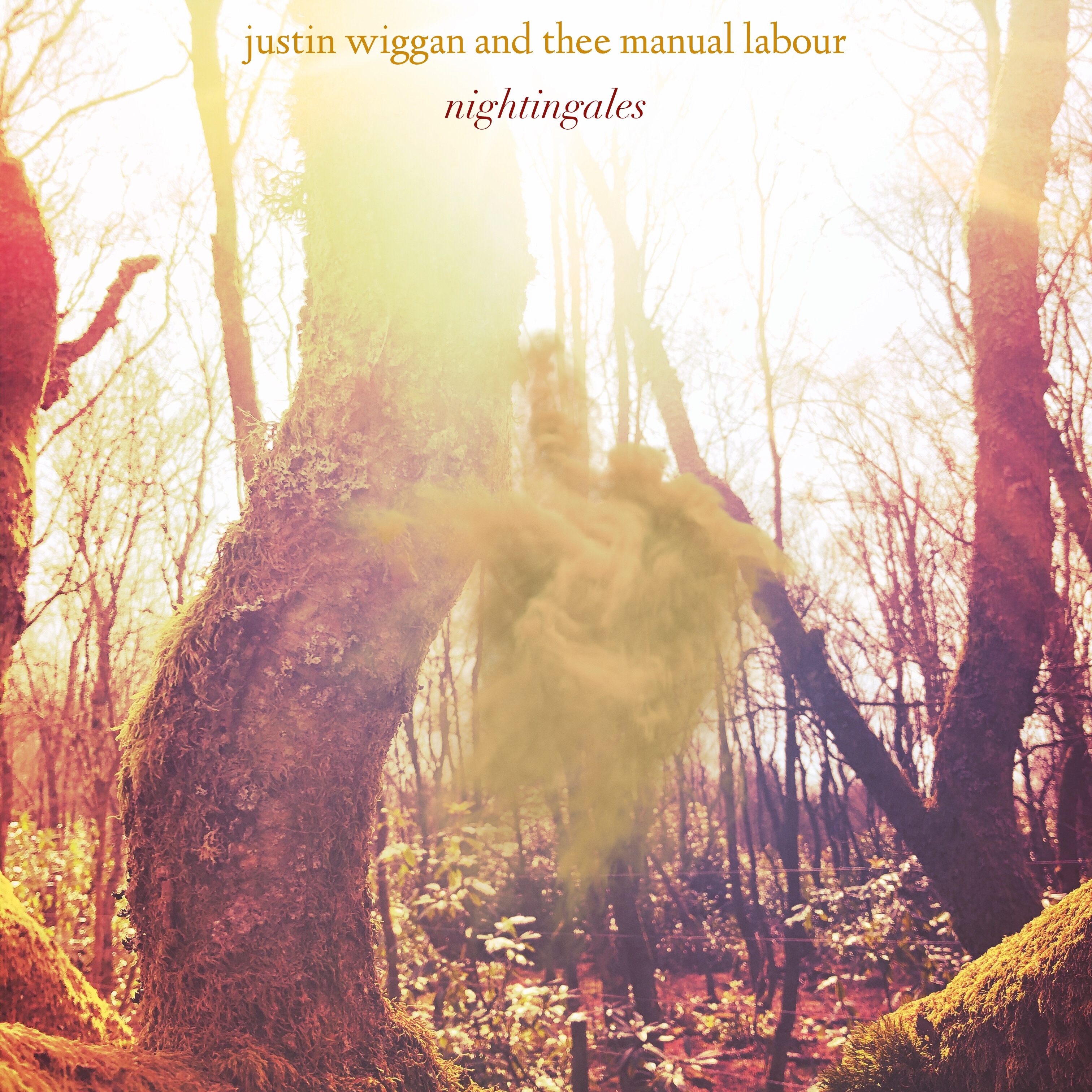
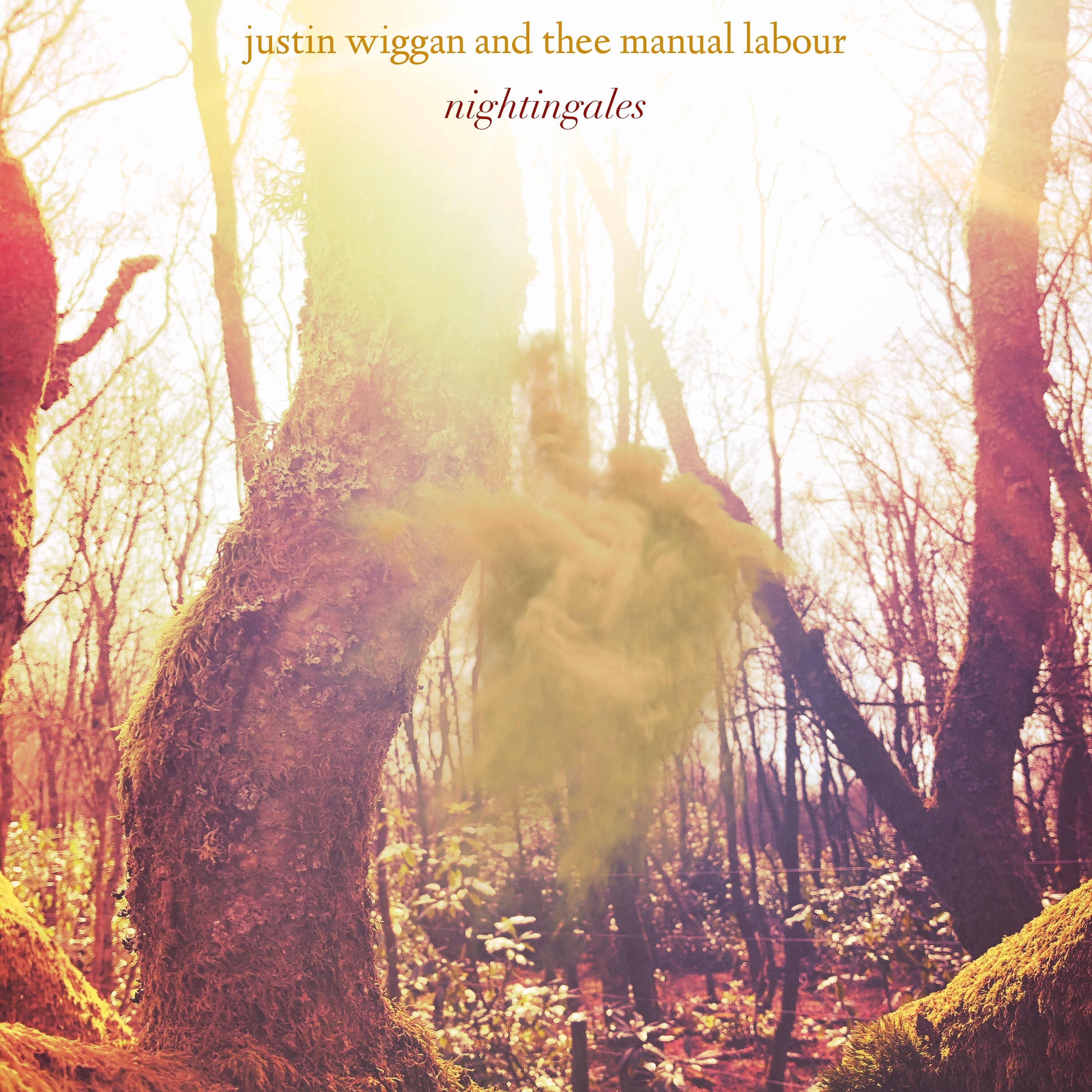
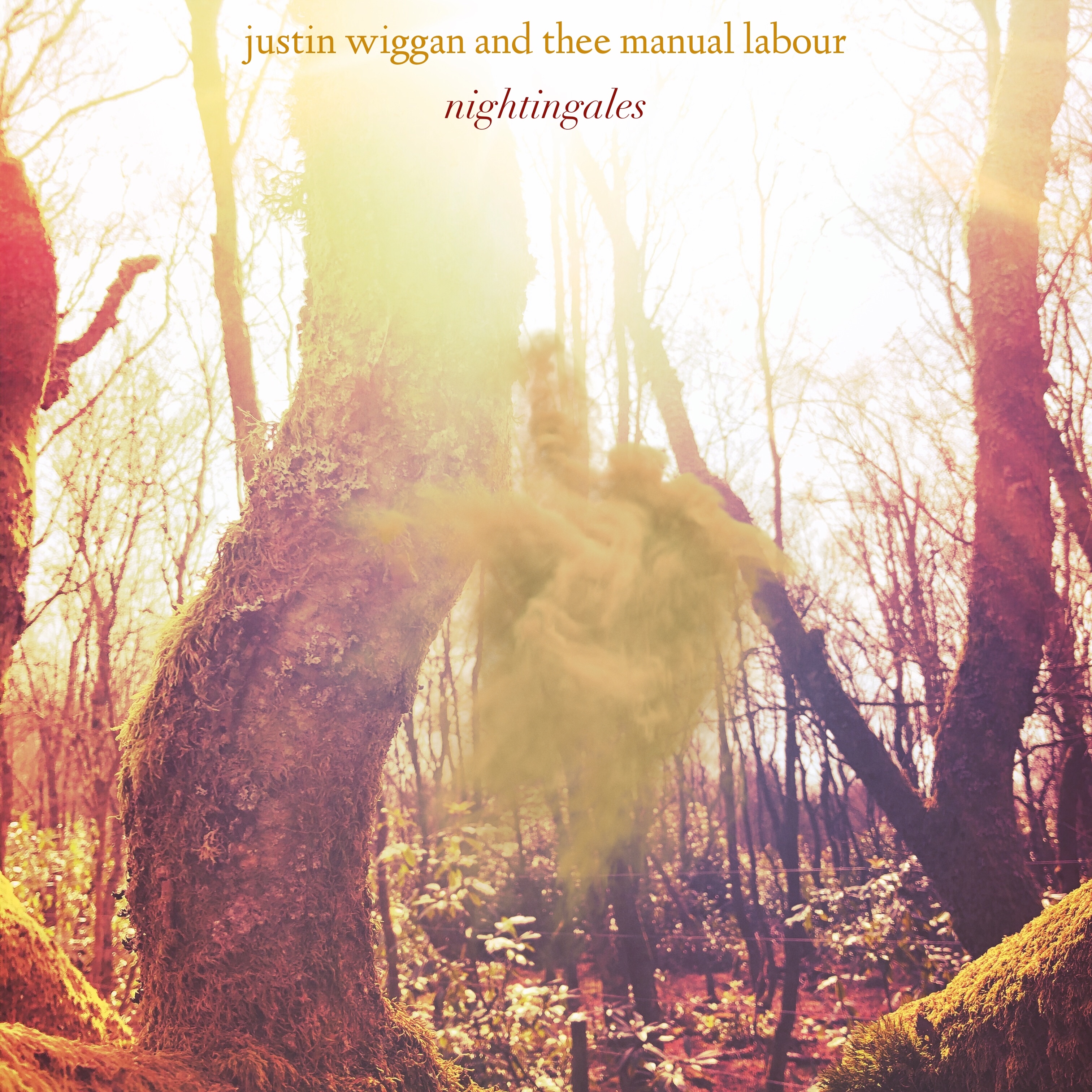
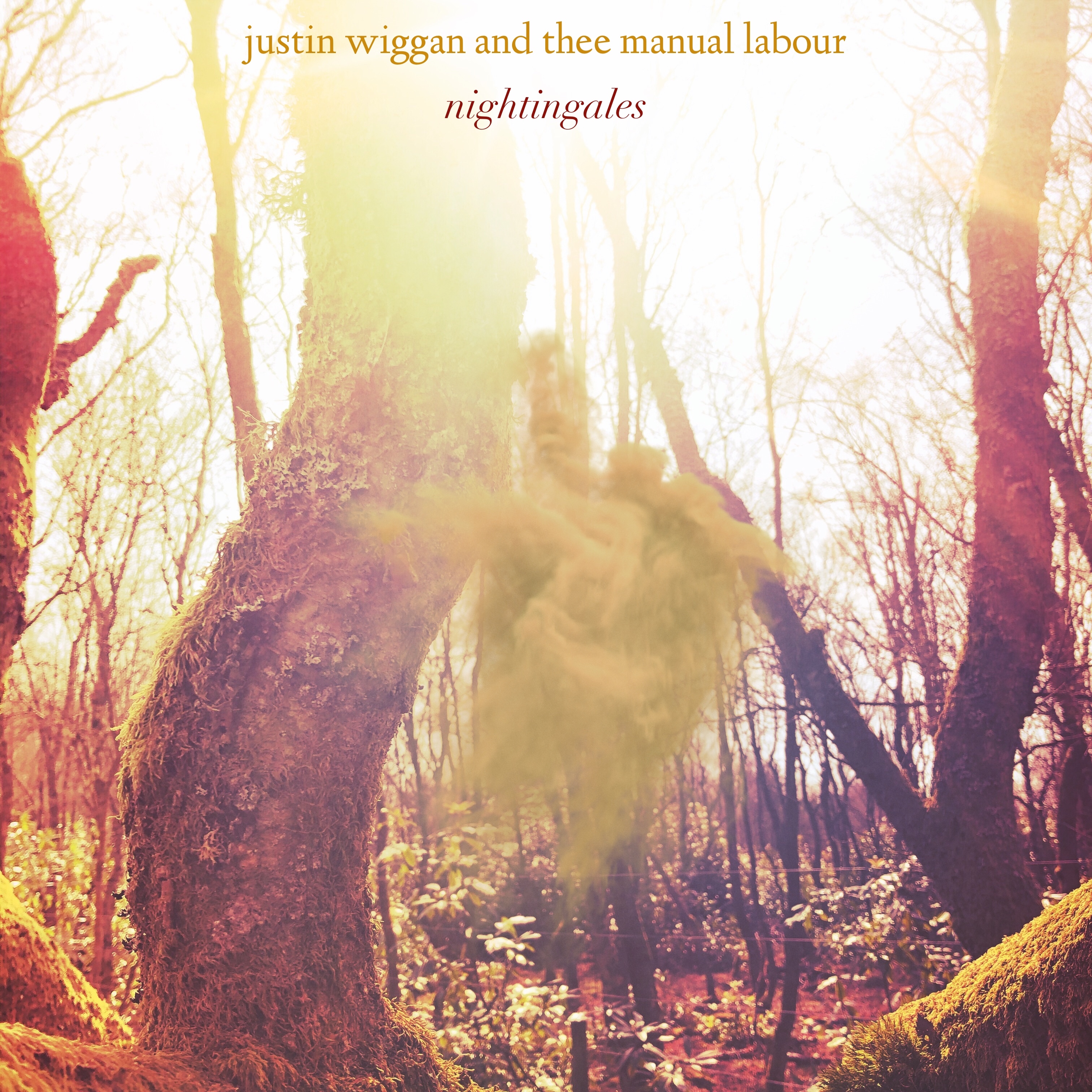
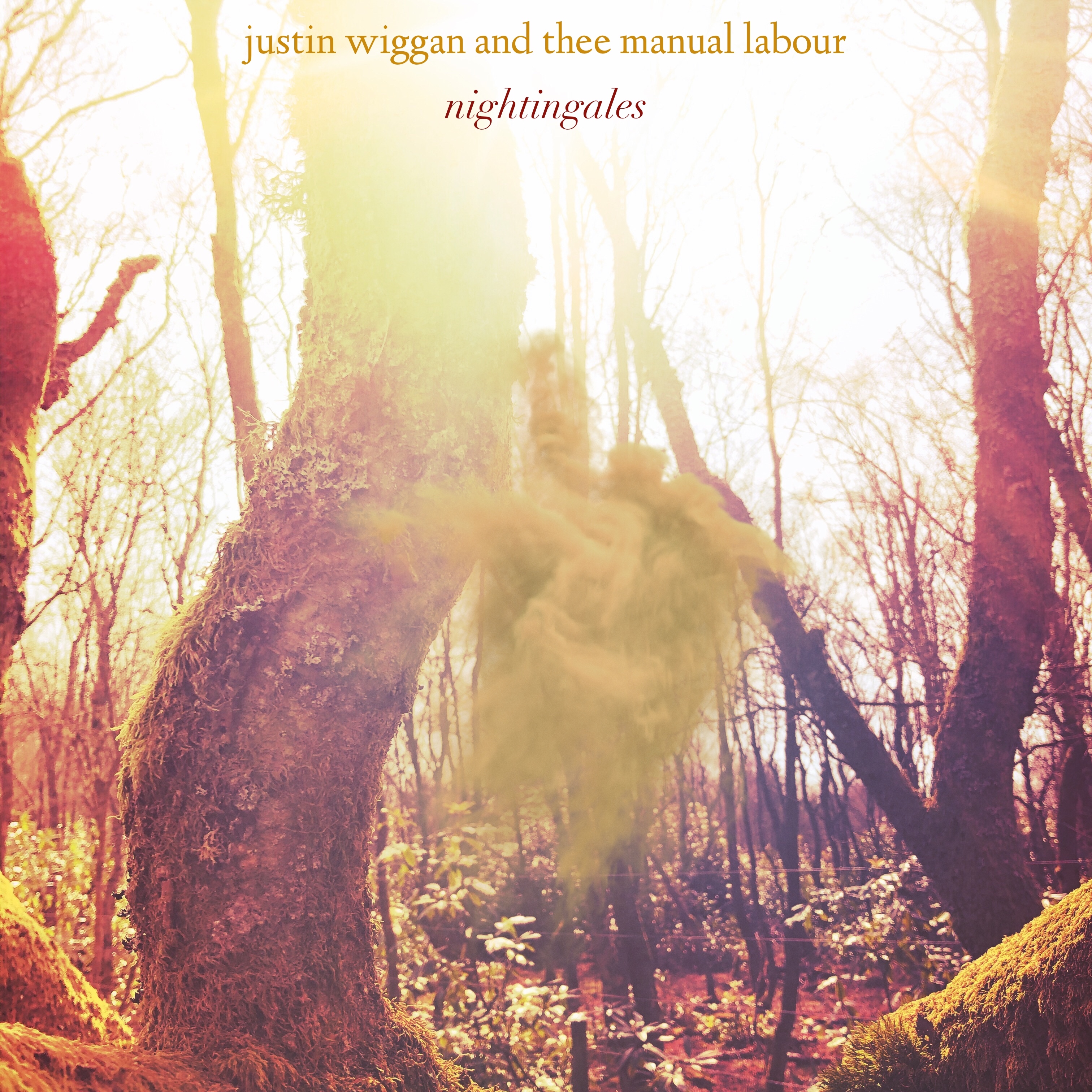
A remote collaboration between two artists in Cornwall and rural Aberdeenshire. Initially based around the notions of parenthood, whilst also considering personal, geographical and political space. Composition naturally began to accommodate responses to the pandemic as the album was written during the COVID19 lockdown of 2020. The first five tracks use only the voice and audio production techniques, field recordings, and radio excerpts, whilst the final track contains additional instrumentation.
Clutch Daisy
Clutch Daisy

DOWNLOAD OUR APP TO DISCOVER THIS TOUR AND MANY OTHERS.

play-storeapp-store

The Echoes


Nightingales (raw)

This is the first track composed by Justin Wiggan, prompted by the lyric submitted as provocation by…

Nightingales (second movement)

Created in the first few weeks of the COVID19 lockdown. It is composed of snippets of speech from ne…

Nightingales

By far the most conventionally straightforward piece on the album. The synthesizer part is based upo…

Nightingales (third movement)

The spoken word element of Wiggan's original performance, woven together with sampled sounds from th…

Nightingales (eclipsing)

A decision was made to use the field recordings of birdsong and diminished traffic noise again, this…

Nightingales (vox profugo)

A happy accident; during the mixing process of the previous track, for some reason the completed fil…

Discover more geolocated content in our apps.
play-storeapple-app-store

Or start creating tours, treasure hunts, POI maps... Just let your imagination guide you.


Other walks nearby

SAND, SILT, FLINT - MAGGIE MACHLIN

SAND, SILT, FLINT - MAGGIE MACHLIN

INVERBOYNDIE BEACH - MAGGIE MACHLIN FROM THE ALBUM "SAND SILT, FLINT" BY FIONA SOE PAING https://FionaSoePaing.bandcamp.com The ballad of Maggie Machlin recounts the sad story of a local domestic servant who worked in service for the Manse at Boyndie. According to the song and regional folklore poor Maggie, once favoured by those she worked for, was cast out when she became pregnant by a local dignitary – ‘a Boyndie man of high degree.’ Sadly for Maggie the man of high degree also rejected her and in despair one evening she walked down the water’s edge at Inverboyndie Beach. Here she sat down on a rock and stared out to sea. The ballad tells us that the rock Maggie sat on was bare and covered with spray from the sea. But here Maggie sat from evening until dawn. Sadly, Maggie didn't survive the cold night in this wild, windy spot on the edge of the North Sea and was found dead of exposure the next morning. Inverboyndie Beach Walk Don’t let the sad tale of Maggie Machlin deter you from a walk along this wild bonnie beach situated west of Banff in Boyndie Bay. The sands and sea at Inverboynie are a popular spot for local walkers, surfers, and swimmers who all gravitate here to take in wide views of the North Sea and surrounding gorse covered cliffs. The car park adjacent to the Banff Links Caravan Park is a favourite place to park and from here it’s a short walk to the beach’s golden sands past a large children’s play park. The voices of playing children meet with the sounds of the sea and wind enroute to the beach and form a poignant echo to Maggie’s sad story. Alternatively, park at the east end of the beach and head down to the coastal pathway that leads through a wide expanse of grassland on the edge of the shoreline. The walk from either end of the beach is filled with the smells of grass and seaweed and lined with picnic tables and jaunty beach shelters with striking blue roofs. The far east side of the beach is the more remote spot to find a bare rock to sit on, stare out to sea and remember poor Maggie. From here the coast path carries onto Banff to the east or, from the other end of the beach, along the coast to Whitehalls – a favourite local dolphin watching spot. Practical Information The facilities at the Banff Links Caravan Park (open seasonally from the end of March to early January) include a small shop and public toilets. For a sit down meal head west to The Gallery at Whitehalls, a café and fish restaurant on the edge of the marina, or east to Banff which has a number of places to eat and stay. Those travelling on public transport to Inverboyndie can hop aboard one of a number of bus services that run from Banff, Macduff and Fraserburgh. Soundwalk text researched and written by Lesley Anne Rose at Open Road Ltd, with profound thanks. Image with thanks to Isla Goldie Photography.
free
SAND, SILT, FLINT - FORGLEN'S PLANTINS

SAND, SILT, FLINT - FORGLEN'S PLANTINS

FORGLEN ESTATE - FORGLEN'S PLANTINS - FROM THE ALBUM "SAND, SILT, FLINT" BY FIONA SOE PAING https://FionaSoePaing.bandcamp.com The old North East ballad linked with Forglen Estate is known as Forglen’s Plantins or Forglen’s Wood – the word ‘plantins’ is Scots for a small wood. Through its lyrical versus an unknown writer weaves a picture of rural idyll as the backdrop for a tale rich with young love, the heartbreak of separation and the uncertainty of if a lover will remain faithful. While taking in the ‘fresh and fair’ air of the plantins one morning the writer is enjoying the beauty of the woods and lark songs when he comes across two young lovers locked in an embrace by the foot of a tree. The writer’s soft footsteps do not disturb the lovers and as he approaches he overhears the young man confessing to his love that, although he dearly wants to stay, he has no choice but to go away. As he breaks his sad new to his ‘dearest’ he showers her with romantic praise claiming she is ‘sweeter to me than the honey to the bee’ and that her cheeks are like roses and her skin as soft as silk. Despite his professed love, the young man isn't convinced she will stay faithful during his absence. He predicates sleepless nights thinking about her while he is away, but proceeds to compare her love for him to the moon which ‘wanders up and down.’ The ballad concludes with the young man’s assurances that his love for her is much more like the constant sun as he promises to remain true to her while he’s away. Unfortunately, we don't know her reply to both her lover’s praise and accusations, or if the writer was discovered eavesdropping on their conversation. However, we do know that the ballad and the young lovers it depicts have also been ascribed to other places in the North East such as Strichen, twenty miles east of Forglen. Forglen Estate Walk Forglen Estate is one the North East’s best kept secrets and it’s not hard to imagine the ballad’s unknown writer drawing inspiration for his tale of young love from its rural setting and aura of romance. Once you pass through the estate gates it takes no time at all to get lost in the peace of the pathways and trails which gently weave through acres of woodland and alongside the banks of the River Deveron. Originally Forglen belonged to the Ogilvy family through their claim on the Scottish peerage title of Lord Banff. However, following the death of the unmarried William Ogily the 8th Lord Banff in 1803, ownership passed to the Abercromby family through the marriage of the late Lord’s sister. They in turn sold up in the mid 1970s. Today Forglen remains privately owned and a working estate, growing barley for the region’s whiskey industry. Deer, Highland cattle and native birds of prey such as sparrow hawks and buzzards also all call the estate home and could well be spotted during a walk. However, one of the highlights of a visit is the magnificent Forglen House which sits about a mile from the entrance to the estate. Although only built in the early nineteenth century, the house stands on the footprint of a much older building and contains some of the features salvaged from its processor including a stone triple coat of arms which sits on one of its towers. Gothic in feel and style, the mansion was designed by Scottish architect John Smith who is also responsible for much of the architecture of Aberdeen. Although not open to the public, it’s well worth the walk to see it and take in the stunning river views that stretch out in front of the mansion’s wide lawns. Also take time to explore Forglen’s magical, glen garden which is landscaped around a small stream and reached through a gate close to the house. The looped walk through the garden’s rambling peace is about a mile long and features an old stone bridge and wooden benches tucked under the trees, which are perfect to enjoy the sounds of the stream and complete silence beneath it. The trail around the garden can be very slippery in wet weather. Other estate highlights include a Gothic mausoleum built in the mid 19th century. Ultimately, one visit to the estate isn’t enough and once you’ve discovered it’s beauty, like the young lover in the ballad of Forglen’s Plantins, you’ll be sad to leave and look forward to returning. Practical Information Forglen Estate, Turriff, Aberdeenshire, AB53 4JP Forglen Estate is located a couple of mile north west of Turriff. Follow the B9025 as it leads north and then west from the centre of Turriff until you come to the gates of the estate on the right hand side of the road. There is a small road and layby in front of the gates where cars can park. From here pass by the gate house and into the estate. It’s then a straight walk along the track through the woodland to Forglen House. You can either return the way you came or take a circular walk of around three miles around the estate which leads back to the layby by a track which emerges just past it. There is a selection of self-catering holiday cottages as part of the estate which can be booked at https://forglen.scot There are no amenities for visitors at the estate. Shops, cafes and public toilets can all be found at Turriff. Text for the Soundwalk researched and written by Lesley-Anne Rose at https://OpenRoadLtd.co.uk , with many thanks. Image with thanks to Isla Goldie Photography
free
SAND, SILT, FLINT - FISHER'S LULLABY

SAND, SILT, FLINT - FISHER'S LULLABY

GARDENSTOWN - FISHER'S LULLABY - FROM THE ALBUM "SAND, SILT, FLINT" BY FIONA SOE PAING http://FionaSoePaing.bandcamp.com Lullabies sung by the wives of fishermen are common in the fishing communities of North East Scotland. The women of these tiny coastal villages constantly worried for their husbands while they were out at sea. Singing lullabies was a simple way for them to calm both their children and their worries. The Fisher’s Lullaby is based on the song of the Fisherman’s Wife. In this sad song a worried waiting wife prays with her children for the safety of their father out at sea as she sings them gently to sleep with her bittersweet lullaby. The original version “The Sang O' The Fisherman's Wife" was written by Zetta Sinclair, mother of Scottish singer and former game show host Isla St Claire, who grew up in Buckie on the north Aberdeenshire coast. Zetta was also one of the original founders in the 1960s of the Aberdeen Folk Song Club. Gardenstown Walk The village and harbour of Gardenstown is one a handful of tiny sea facing hamlets that cling to the steep cliffs of coastal Aberdeenshire. All houses face seawards around both the hamlet’s old harbour and the only road that winds its steep way down to the sea. Gardenstown was founded in the early eighteen century and fishing began in its harbour about a hundred years later. Both salmon and herring fleets were once based here and, at the height of the peak the local fishing industry at turn of the nineteenth to twentieth centuries, 92 boats operated from Gardenstown’s tiny harbour. It’s easy to imagine this old sea-soaked village surrounded by steep cliffs full of boats selling their catch of the day and large salmon nets hanging out to dry and to still feel the worry of those waiting at home when the fleet left safe harbour for open sea. Take time on a walk around the old harbour to read the information boards detailing the history of the town’s fishing industry. If you’re visiting on a weekday during the summer drop into the Heritage Centre (open Monday to Friday 2pm-4pm during the summer) to find out more about Gardenstown’s harbour, fishing fleet and old fish wives. If you’ve time for a longer walk, head east along the coastal path to the tiny community of Crovie a few miles along the coast whose main street can only be travelled along by foot. The path is a perfect place for dolphin or bird spotting, but some parts get covered by the high tide. In wild weather it’s best avoided altogether. Practical Information Getting There Two narrow roads lead off the B9031 to Gardenstown, one to the east and the other to the west of the hamlet. Both meet and merge into the B9123 as it makes a steep, twisty, and increasingly narrow, downhill journey to the Gardenstown’s harbour and heart of the village. Parking is located at the harbourside. A local bus service (no 273) runs between Gardenstown, Fraserbourgh to the east and Banff to the west. Toilets & Refreshments Picnic tables and public toilets can both be found at the harbourside. Places to eat include The Garden Arms Hotel (closed on Tuesdays) which dates back to 1743 and also has accommodation - the hotel boasts a visit by Bram Stoker in 1896. Eli’s Crafts, Cakes and Coffee is located close to public parking and champions local produce on their menu – take away also available. Accessibility The roads and lanes around Gardenstown’s harbour are accessible by wheelchair. Text for the Soundwalk researched and written by Lesley-Anne Rose at https://OpenRoadLtd.co.uk , with many thanks. Image with thanks to Isla Goldie Photography
free
Sonic Border by Januario Jano

Sonic Border by Januario Jano

A new sound installation by artist Januario Jano is situated across seven sites in Huntly, Aberdeenshire. The public artwork, developed whilst on residency at Deveron Projects, traces (and imagines) the journey of migratory birds, primarily passing through Angola, reaching the north of Scotland. The project began with a focus on Huntly’s infamous swift population and has evolved to include seven migratory birds. Through archive and newly recorded sounds of Common Swifts, Spotted Flycatchers, Red Knots, Common Starlings, Sedge Warblers, Common Terns and House Martins, Januario has composed a complex soundscape that reflects on migration and assimilation of human and non-humans. Moving above geographic borders, a process of assimilation for birds is distinctive from people and plants, and politics, but equally requires hospitality for survival. Habitual in their migration, Swifts return to the exact home (nesting in roofs, under tiles, under eaves and within gables) annually. So methodical in their nature that should the home have been removed, the Swifts will continuously knock themselves against the spot that their nest resided that the impact will often kill them. To what end to we, humans, require the kindness and considerations of others to be at home? The soundscape maps a 45-minute circular path and the sites for each track are marked by seven 'non-native' plants, imbedded into Huntly's landscape: Crocosmia, Pampas Grass, Cotoneaster, Peiris Japonica, Hydrangea, Japanese Maple and Lavender.
free
SAND, SILT, FLINT - TIFTY'S ANNIE

SAND, SILT, FLINT - TIFTY'S ANNIE

FYVIE WALK - TIFTY'S ANNIE - FROM THE ALBUM 'SAND, SILT, FLINT" BY FIONA SOE PAING http://FionaSoePaing.bandcamp.com Agnes, or “Annie” Smith, was the bonnie daughter of a wealthy miller who owned the mill at Tifty, a tiny hamlet close to the village and castle of Fyvie deep in the Aberdeenshire countryside. Against the wishes of her family, Annie fell in love with Andrew Lammie the trumpeter for Lord Fyvie who won over her young heart when they met in the woods of Fyvie. Annie’s family refused to give their consent for her to marry a lowly servant who they believed had bewitched their innocent daughter. Her family didn’t just disown Annie, but also took it in turns to beat the love out of her, especially her brother whose cruel repeated blows, according to folklore, also took the life out her. Annie’s dying plea was for her mother to make a bed looking towards Fyvie and her dear Andrew Lammie so she could lie down and die facing the man she loved. Fyvie Walk The Fyvie Estate with its magnificent 800-year-old castle, restored Walled Garden and tranquil grounds lies about half a mile south of Tifty. It’s easy for anyone to fall in love in its magical woodlands, filled with birdsong and wildlife which is a riot of bluebells and cherry blossom in spring and repellent with gold and red in autumn. Fyvie Lake is one of the estate’s focal points and you can follow in Annie and Andrew’s love-struck footsteps on the one and half mile walk around its peaceful banks. All paths lead to Fyvie Castle – a Baronial former fortress whose rich history mixes and merges with local folklore. Each of the five families who once owned Fyvie are said to have built one of its imposing towers. Cast your eyes skywards to spy the statue of a wee trumpeter who stands astride one of the castle’s many turrets. The spirit of Andrew Lammie is also reported to be one of the numerous ghosts who haunt Fyvie. According to local legend if the sound of his ghostly trumpet is heard, it’s a warning to the castle’s resident family that something bad is about to happen. Practical Information Fyvie Castle and Gardens are situated off the A947 to the north of the village of Fyvie which is around eight miles south east of Turriff. Parking, picnic tables, public toilets, a gift shop and tea rooms are all to be found at the castle which currently belongs to the National Trust for Scotland. The grounds are free to walk around, but an admission fee is charged to enter the castle. Opening times and prices can all be found at: https://www.nts.org.uk/visit/places/fyvie-castle. For those on public transport, Fyvie is on the route of the Stagecoach bus no 35 which runs between Aberdeen and Elgin. Text for the Soundwalk researched and written by Lesley-Anne Rose at https://OpenRoadLtd.co.uk , with many thanks. Image with thanks to Isla Goldie Photography
free
SAND, SILT, FLINT - AUCHINDOUN

SAND, SILT, FLINT - AUCHINDOUN

AUCHINOUN - FROM THE ALBUM "SAND, SILT, FLINT" BY FIONA SOE PAING https://FionaSoePaing.bandcamp.com Little is known of Auchindoun’s early history. It’s thought to have been built in the 1470s by the architect and master mason Thomas Cochrane, a favourite of King James 111 of Scotland. Further fortification was made in 1509 when the castle is recorded as being owned by Sir James Ogilvy who in this year granted Auchindoun to his nephew, Alexander Oglivy. In 1567 Alexander’s son sold the castle to Sir Adam Gordon, a kinsman of the Earl of Huntly. It’s during his ownership that the history of Auchindoun takes a dark turn and becomes associated with one of the most atrocious acts committed as part of Scotland’s notorious clan feuding. Following victory over his rival John Forbes of Towie at the Battle of Craibstone in 1571, Sir Adam Gordon ordered an attack on Corgarff Castle (see The Lass o’ the Lecht walk), which, at the time, was affiliated with the Mackintosh clan and owned by Forbes. Forbes was away when Gordon’s men arrived and his wife Margaret Campbell refused them entry. In retaliation they burned Corgarff killing Margaret, her children and servants. Revenge attacks followed by Willie Mackintosh on Auchindoun for both the burning of Corgarff Castle and the murder of James Stewart, Earl of Moray by the Earl of Huntly. In 1594 Sir Adam Gordon was killed at the Battle of Glenlivet and Auchindoun sold back to the Oglivy family and passed between owners through Civil War and Restoration. During the first Jacobite uprising in 1689 Auchindoun undertook brief service as a temporary headquarters of the Jacobite army. However, by 1725 Auchindoun lay derelict and many of the stones from the castle’s walls were removed and used in the construction of nearby buildings. Much of the clan feuding and deep Catholic/Protestant rivalry between the Gordon and Forbes families is recorded in the rich ballad tradition of the region. Including the burning of Auchindoun and Corgarff castles. The burning of Corgarff is remembered in the ballad of Edom o Gordon, while the burning of Auchindoun is immortalised in ‘Turn Willie Macintosh.’ Auchindoun Castle Walk The dramatic ruins of Auchindoun Castle crown a small hill in the heart of Scotland’s whiskey trail in Speyside and strike a lonely, windswept pose over the River Fiddich. It’s a 15 minute walk from car park to the castle along track and grassy pathways that lead through the surrounding farmland to the ruins. On leaving the car park follow a wide rough track that heads slightly uphill past clusters of lodge pole pine, sitka spruce and aspen trees to a farmhouse. Once at the farmhouse, a signposted gate points the way to a grassy track from which the ruins can be clearly seen up ahead. Head through a couple more gates and along a short track lined with ash, elm and sycamore trees that lead in procession towards the castle. On breezy days a keen wind funnels across a landscape of wild heather, home to pheasants, herds of wild deer and active wind turbines. Once inside castle ruins the remains of Auchindoun’s high curtain wall protects visitors from the strongest of winds. The castle is in effect a large tower house that rises across a number of floors, the most impressive of which, even in a ruinous condition, is a great vaulted hall on the first floor. Auchindoun’s rough lichen covered walls hold the memories of winters, summers, feasts and battles and it’s worth taking time to explore the nooks, crannies and remains of old fireplaces on the ground floor – the only floor accessible to the public. Although watch your footing on the uneven ground and look out for fenced off sections. Alongside the romantic ruins, the views of the surrounding Moray countryside are well worth the walk to experience and best taken in through the large, long and empty windows and doors that punctuate the remains of the castle’s curtain wall – watch out for the steep drop on one side. From this vantage point it’s easy to imagine the journey of Willie Mackintosh and his men en route to Aunchindoun to seek revenge for the burning of Corgarff, and the bitter clan rivalry that shaped the history and fabric of both castles. Practical Information Auchindoun Castle is maintained by Historic Environment Scotland. It is open year round and there is no charge for entry. The ruins are located two miles south of Dufftown in Moray off the A941, the main road between Dufftown and Rhynie (postcode: AB55 4DR). Turn onto a signposted farm track off the A941 that leads uphill to a small car park where the walk begins. There are no facilities at the car park. The path to the castle is uphill, rocky in places and wet sometimes. In the winter it can also be icy. Good walking shoes or boots are recommended. The grounds inside the castle walls make for a quiet and sheltered spot for a picnic. The nearest refreshments and public toilets are located in Dufftown. Alternatively, about six miles south of the ruins off the A941 at Lower Cabrach is The Grouse Inn. Part of Speyside Whiskey folklore, the inn is famous for its outstanding whiskey collection with around 235 on optics and in total over 700 to choose from. The Inn’s tearooms are open 10am – 6pm Saturday to Thursday and 1pm – 6pm on Fridays. Text for the Soundwalks researched and written by Lesley-Anne Rose at OPEN ROAD https://OpenRoadLtd.co.uk , with very many thanks. Image with thanks to Isla Goldie Photography
free

Are you a creator?

START HERE

Privacy & cookie policy / Terms and conditions

© ECHOES. All rights reserved / ECHOES.XYZ Limited is a company registered in England and Wales, Registered office at Merston Common Cottage, Merston, Chichester, West Sussex, PO20 1BE

v2.5.3 © ECHOES. All rights reserved.