Inspired by fermentation, a metabolic processing of matter, let’s re-imagine a city and its transformations while following a simple recipe for sourkraut.
Sauerkraut is a staple in any Eastern European kitchen. In the long winter months fermented cabbages stored in jars, on shelves in the basement, would keep the family going healthy and nurtured throughout the cold season, until the next spring. Wooden barrels full of sour kraut (kapusta kiszona) and pickled cucumbers are always present in the markets and groceries most of the year.
What follows are instructions what to do next to start your ferment. You can also find these instructions at fermentingdata.net
1) You can use any cabbage: white, green, or red. To prepare the cabbage remove outer leaves, leaving some big leaves to use as a follower. If dirty, rinse the cabbage in water. Half, and then quarter the cabbage removing the core.
2) Chop or shred the cabbage and place it all in a large bowl . Remember bigger pieces need longer time to ferment.
3) Add salt and massage into the leaves. Taste to see if it requires more salt and add it if necessary.
4) Leave the cabbage to soak in salt and release water. Or continue massaging to get the process going. You will see more and more water at the bottom of the bowl and the cabbage becoming softer. Squeeze a handful of cabbage after few minutes of massaging. If water drips freely you are almost ready.
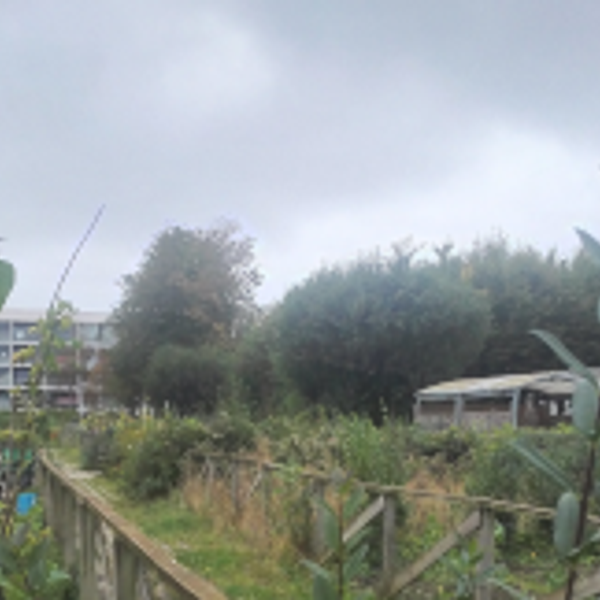
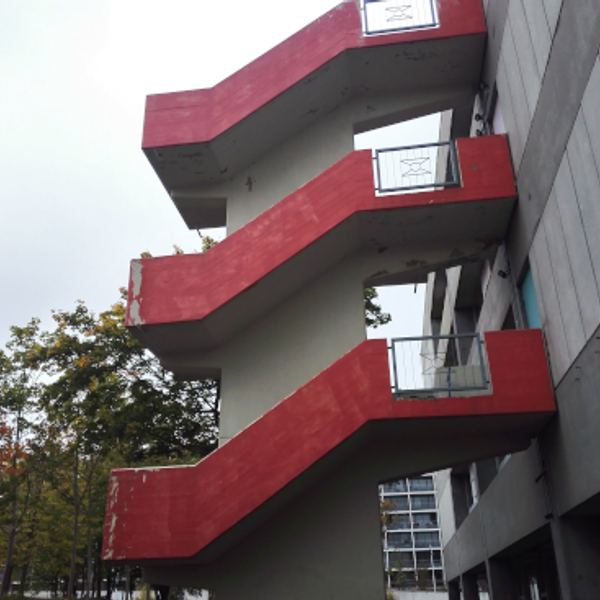
While massaging cabbages and waiting for them to release water observe the the city or its parts. You can go out onto your balcony, or get closer to the window to watch what is happening outside. What can you see? Which buildings, bodies, are visible? And what is not in the picture? Are these bodies of people, bodies of water or other bodies? How do they move through the city? Do they remain the same or can you observe some change as they move?
Taste your salted cabbage as you watch the city. Record your observations in some way: by drawing, noting, writing, counting. You might want to use these as your labels.
5) Now You can start adding some herbs, such as dill, or roots such as ginger or turmeric, or other spices of your liking. Can you see, taste, smell any changes as you add those to your cabbage?
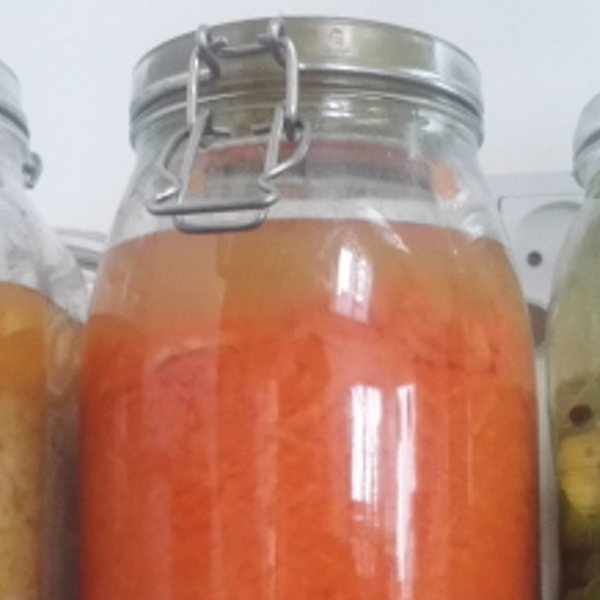
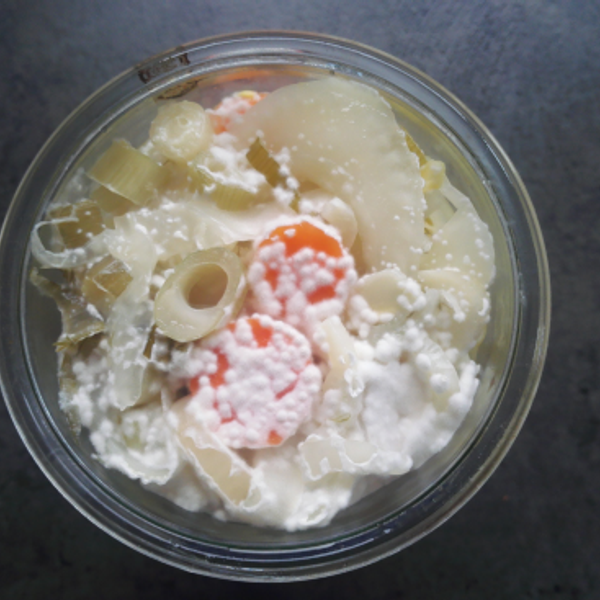
Now, start moving the cabbage into a jar pressing it tightly inside and making sure that air bubbles are not captured and that there is enough brine to cover the shredded leaves. Don’t fill the jar all the way up and make sure to leave some space in a jar. Fermentation will make things bubble and rise. Make sure that all the cabbage is under the brine. You are creating an environment for good microbes who will grow if there is no oxygen in the jar. Otherwise, you might risk your ferment moulding which will not be good to eat.
6) Leave the jar out of direct sun in room temperature to ferment for at least a week. Observe what happens to your ferment on daily basis. You can start taste pleasant sourness around 4-5th day. You can speed or slow the process by putting your jar in a warmer or cooler place. When you think it is ready (it taste sour to your liking), put the jar in the fridge.
When chopping cabbages, leaving them to rest, or when eating ferments, terms like: data, jar, city, class, sensing, body, smart city, cabbage, they all become embodied, part of practice that is forming and that forms, organises how we understand what we touch, taste, see, make.
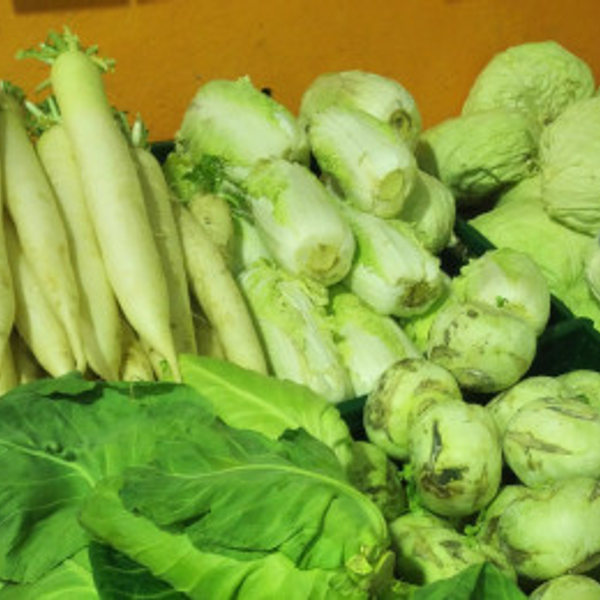
cabbages (pl), cabbage (sgl) – green, red, white, hard, open, flowering, dirty, when cut in half displaying patterns, grown in the garden, bought in the shop, given by a friend, cooked, put in a fermenting jar.
Genus: Brassica Species: oleracea Family: Brassicaceae