FlightPaths - An Audio Trail by Electric Egg
13 ECHOES
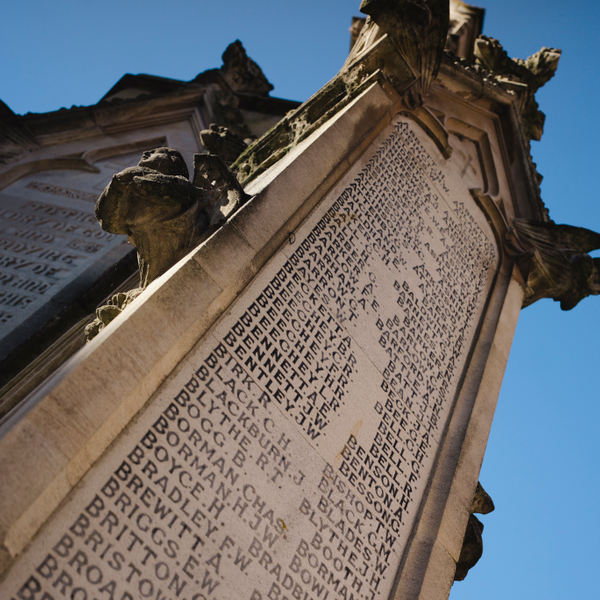
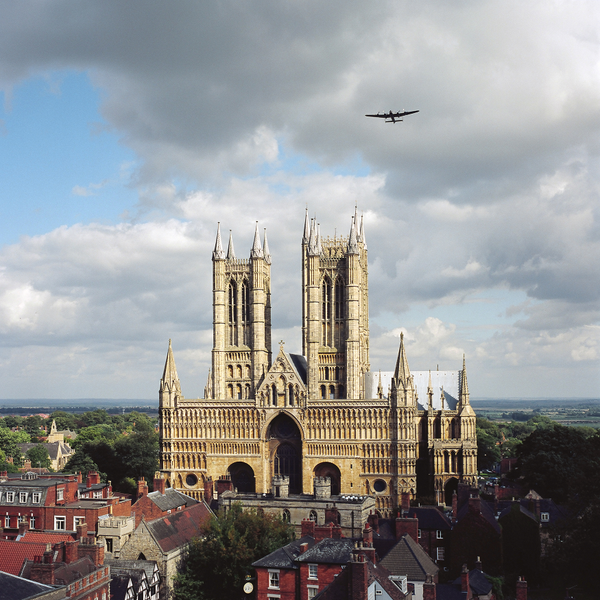
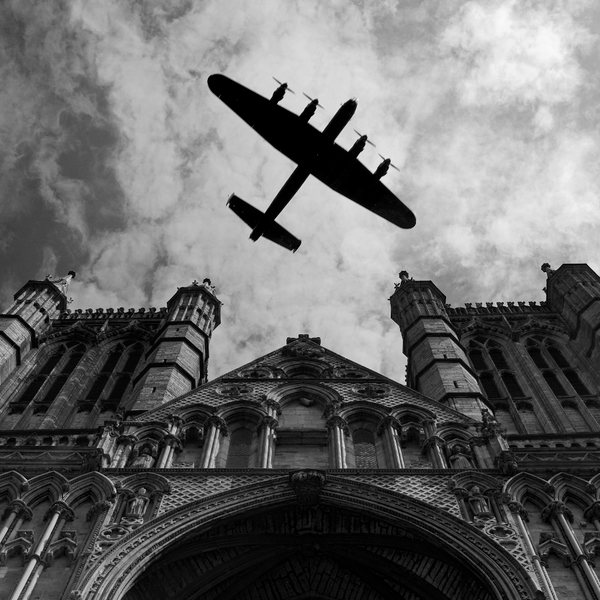
During the Second World War, Lincolnshire’s expanse of flat agricultural land was ideal for the construction of airfields as the Royal Air Force rapidly expanded whilst the threat of war loomed. Much as counties such as Kent became synonymous with Fighter Command and the Battle of Britain, Lincolnshire has since been known as ‘Bomber County’. As the number of those with lived experience of the war dwindles, their story is now told to new generations through museums and memorials across the county. A drive in almost any direction will skirt the last physical remnants of this history: an old control tower, a perimeter track, or a solitary Nissen hut amidst the undergrowth. The past is never far away. Yet even with a story so familiar and well remembered, there are many stories still to be heard.
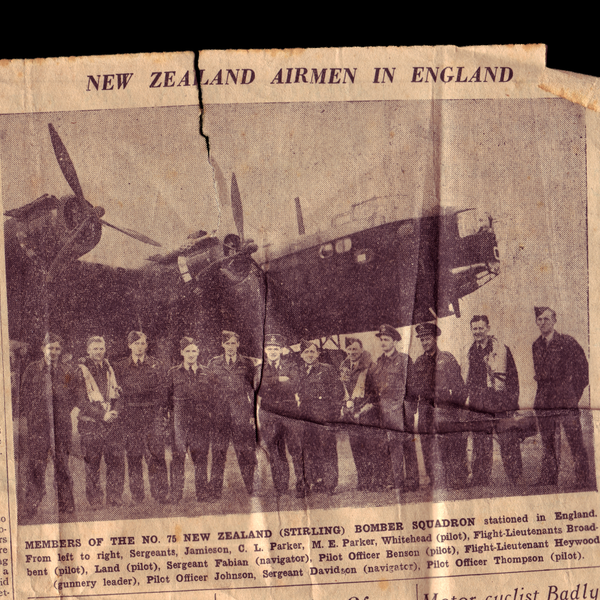
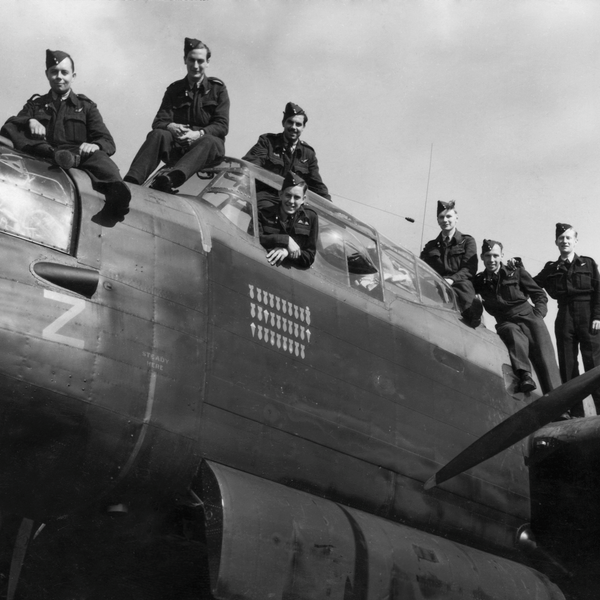
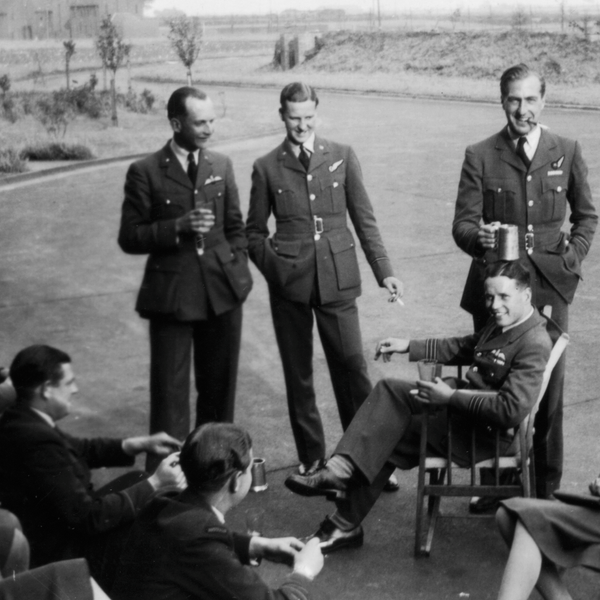
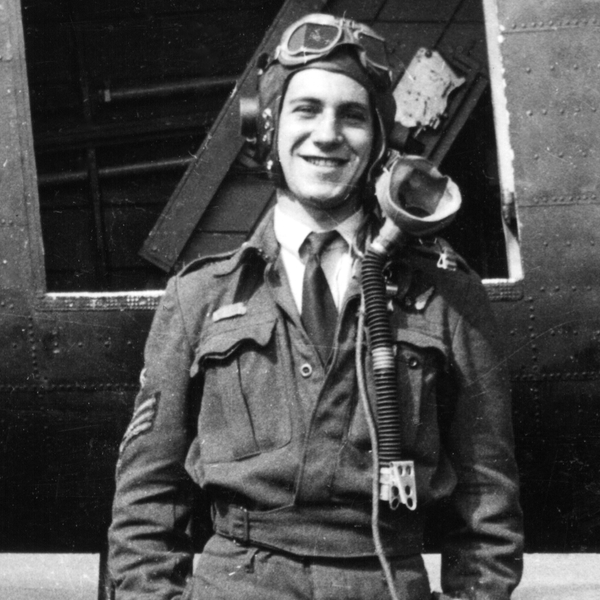
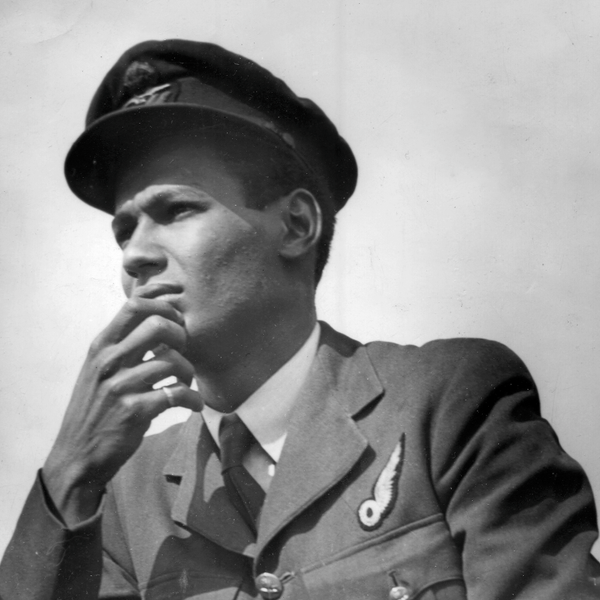
Over 125,000 aircrew served with Bomber Command. Supporting them were countless ground crew tasked with training, maintenance, and keeping aircraft serviceable. Aircrew, of whom 55,573 were killed, represented well over half the nations of the world. The FlightPaths trail celebrates the often-overlooked stories of the men and women who travelled from the far corners of the former British Empire to serve in Bomber Command during the Second World War. While countries such as Canada, Australia, and New Zealand provided the highest proportion of overseas aircrew, every corner of the globe was represented, from Britain’s then colonies and dominions to those from Nazi-occupied countries.
Download the free Echoes app and enjoy this audio trail across the city. The trail can be listened to in any order but works best when followed in the sequence presented in this guide. Along the way, you will hear direct testimony from those who were there and experienced these events firsthand.
Veteran audio interviews courtesy of Electric Egg and the Into the Wind Archive
© 2005-2026 Electric Egg
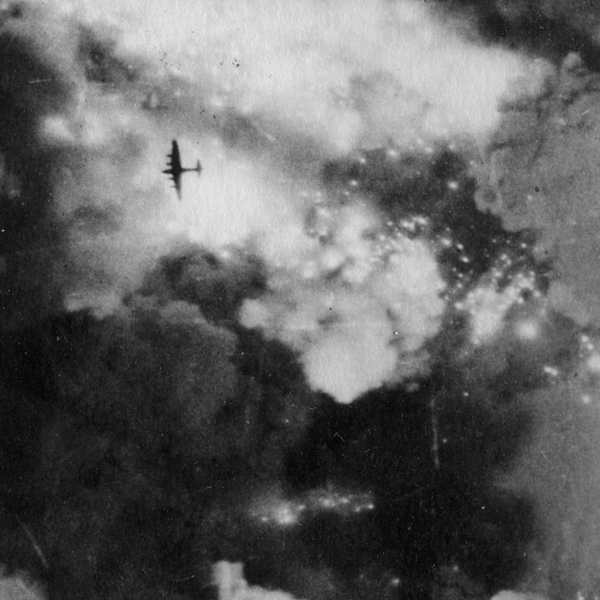
Trail archive images courtesy of the veterans/crown copyright
Music by Hugh Cowling
Photography by Electric Egg
Commissioned by Threshold Studios as part of the Reimagining Lincolnshire and Lincoln Connected programmes, made possible with The National Lottery Heritage Fund and funding from the Be Lincoln Town Deal Fund, with additional support from Arts Council England, and developed in partnership with the University of Lincoln.