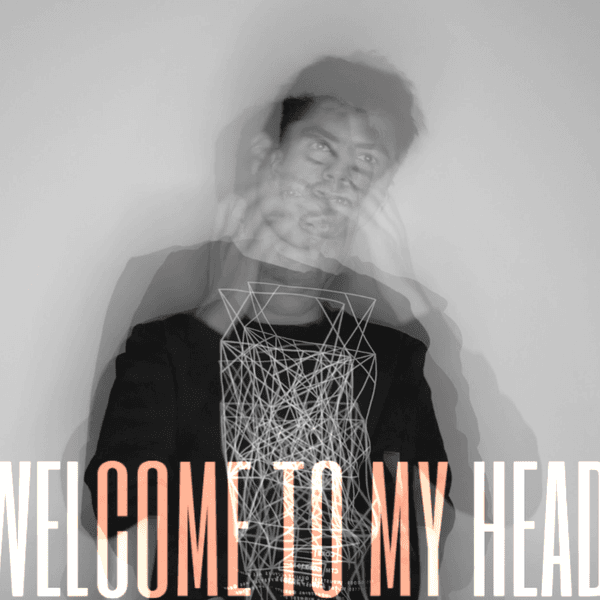
WELCOME TO MY HEAD

room 3 ECHOES

Location: Toronto, Ontario, Canada

This is a place where stories and poems mix together in a tornado of emotions.


Mauricio Abrego
Mauricio Abrego

DOWNLOAD OUR APP TO DISCOVER THIS TOUR AND MANY OTHERS.

play-storeapp-store

The Echoes


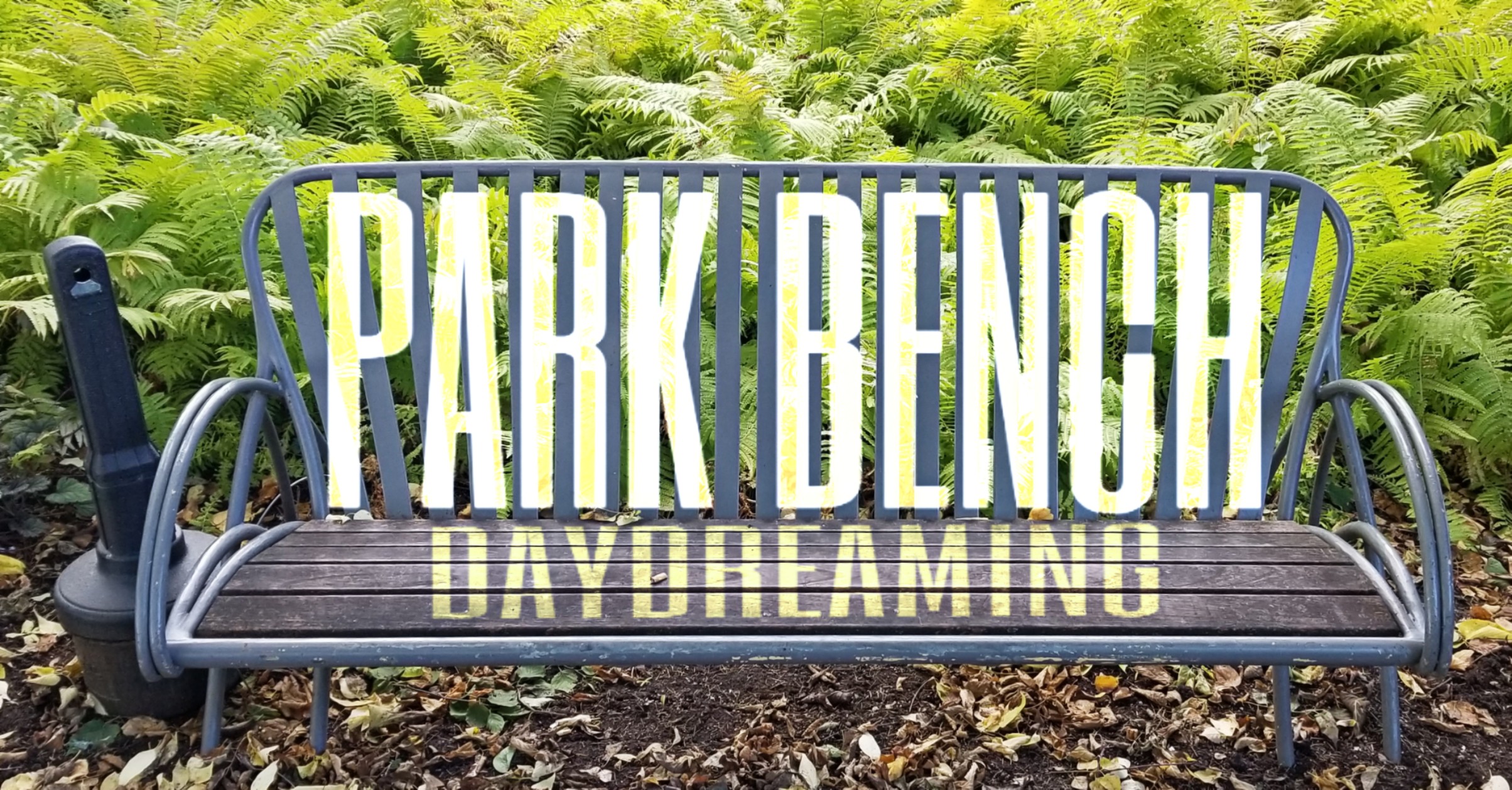
Park Bench Daydreaming

I like going to Trinity Bellwoods Park and sitting on a bench when I’m trying to get away from the c…

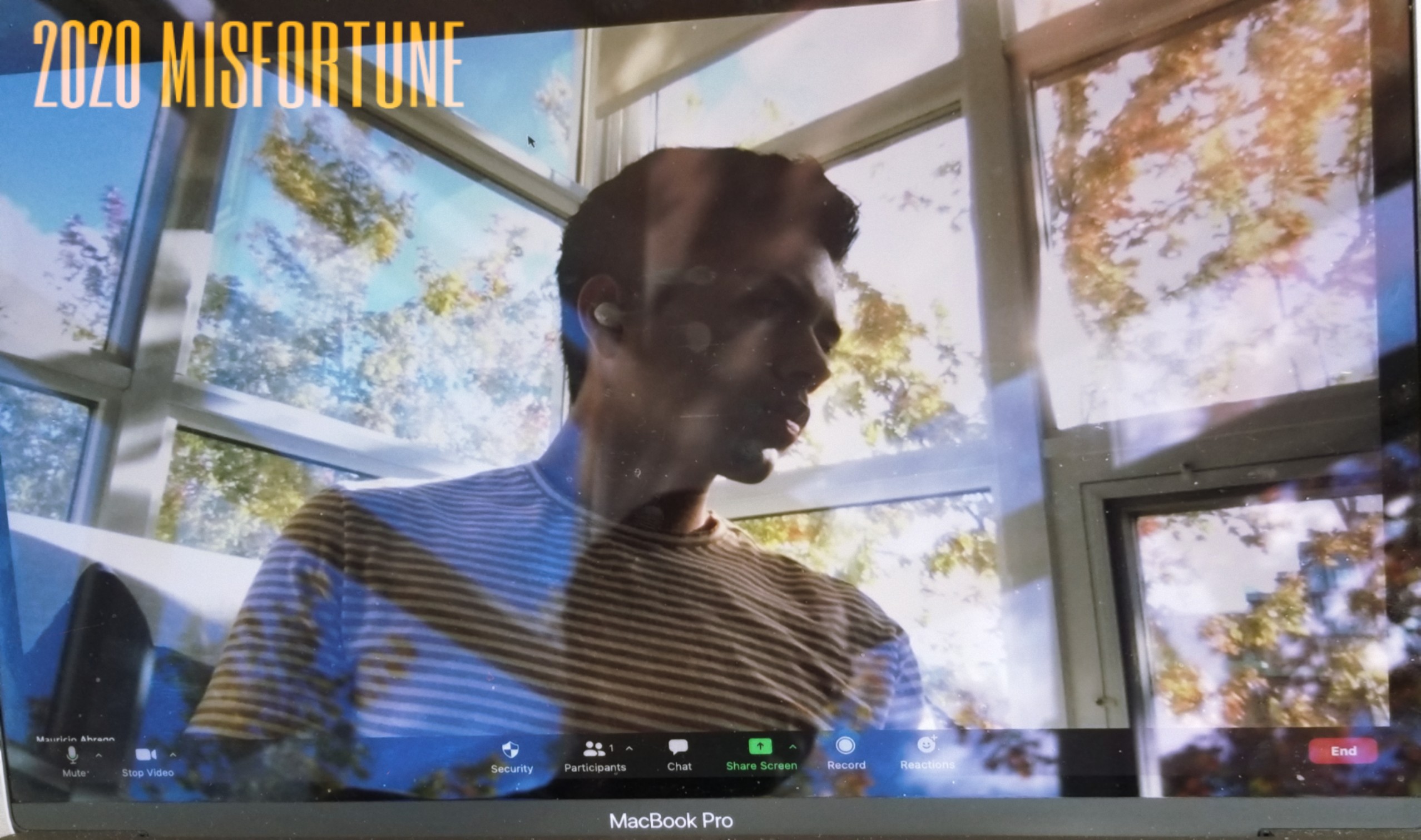
2020 Misfortune

This poem is about how I felt when COVID-19 hit, looking at the empty streets from my window. Being …

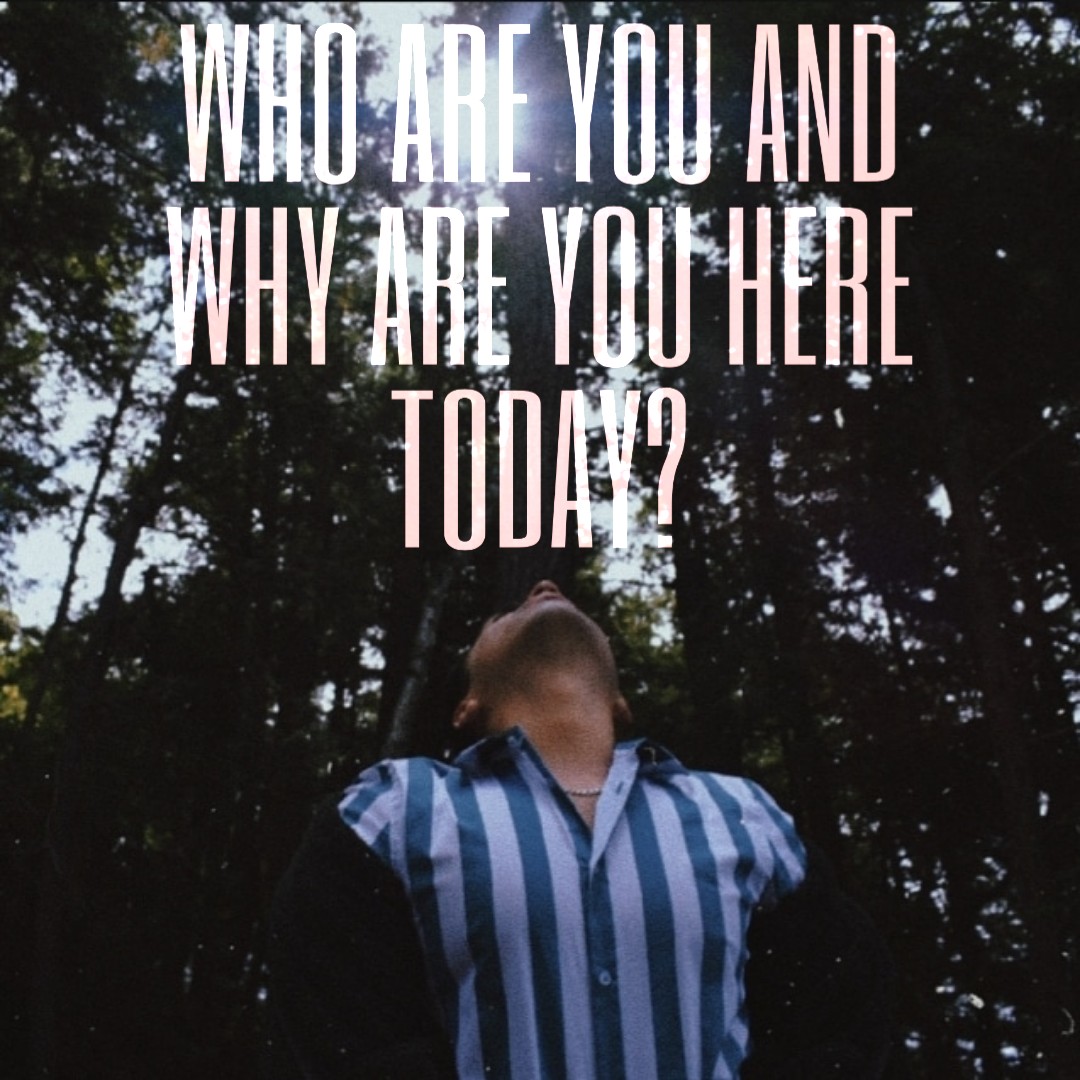
Who are you and why are you here today?

I am originally form El Salvador. Due to the high level of insecurity and the persecution I experien…

Discover more geolocated content in our apps.
play-storeapple-app-store

Or start creating tours, treasure hunts, POI maps... Just let your imagination guide you.


Other walks nearby

The Winchevsky Kensington Market Tour

The Winchevsky Kensington Market Tour

Note: You have to be on-location at Kensington Market to hear this soundwalk. Kensington Market was historically one of the most multicultural neighborhoods in Toronto. In the 1920s and 1930s, however, so many Jewish immigrants moved to the Market that it became known as "the Jewish Market". This was the third centre of Jewish life in Toronto, after the East End and The Ward, where today Nathan Phillips Square stands. When they moved into the Market, Jewish immigrants created many communities, congregations, and social centres. They opened dozens of shops from groceries to butcheries, tailors and textiles, and often sold goods imported from Eastern Europe, from which many of them came. At the height of Jewish life in Kensington Market, it became home to about 60,000 Jews and served as the centre of Jewish political, religious, and economic life in the city. It was then that secular Jews came together to form the United Jewish People's Order, an organization that represents secular Jews in Canada to this day. The UJPO's Morris Winchevsky school is also home to the city's Jewish students who learn about the four thousand year Jewish civilization from a secular perspective, focused on Social Justice. In 2021 Winchevsky's teachers created this soundwalk about some of Kensington Market's Jewish history. Special thanks to the MWS educators Sharoni Sibony, Lainie Basman, Miriam Brookman, Iris Benedikt, and Tal R. for writing and narrative this soundwalk. Sound editing by MWS Education Director Lia Tarachansky.
free
The First Panorama of Toronto

The First Panorama of Toronto

Every aspect of the story behind the series of photographs that make up the 1857 Panorama unravels an intriguing thread. From the three Irish man who photographed them (and then went on to the frontlines of British colonization) to the building from whose roof they was photographed, to the very reason they were taken in the first place. I came across these photographs while searching the Archives of Toronto for panoramic views of the city. I wanted to find images of landscapes that no longer exist and to overlay them over the current view. This was how I discovered the very first photographs of Toronto, taken in 1857, were actually a panorama. They were commissioned by the city from a newly-formed photography firm called Armstrong, Beere & Hime as part of a bid by the city’s government to the British crown to make Toronto the capital of what would become Canada. Other cities, such as Kingston, Ottawa, Quebec City and Montreal also submitted bids but none had impressive photographs to accompany the documents they sent to Queen Victoria. For unknown reasons, she never actually got to see the panorama, which some speculate contributed to her decision to choose Ottawa instead of Toronto. More than 120 years after it was photographed, the panorama was accidentally found by archivist Joan Schwartz in 1979. After the images were “discovered,” England officially gifted them back to Toronto on its sesquicentennial anniversary. The three men behind Armstrong, Beere & Hime were all born in Ireland but neither died there. After immigrating to what would become Canada and briefly working together, they went their separate ways. One joined his brother who was heading a white militia in New Zealand. Sponsored by the British crown, the soldiers were promised land in exchange for expelling and fighting off the indigenous Maori. Along with helping his brother fight, Beere took impressive photographs that can be seen on the site of the New Zealand public library. Meanwhile, Hime joined a Canadian expansionist movement and along with a University of Toronto geology professor named Henry Youle Hind, set off on an expedition in 1858. Its purpose was to prove that colonizing Canada westward was possible. It was on this expedition that Hime would take the photographs that would inscribe his name in Canadian history. You can read more about him in the Canadian Encyclopedia. The third, William Armstrong, joined a different colonial mission - the Wolseley expedition - a military force authorized by Sir John A. Macdonald to confront and subdue the Red River Rebellion of Louis Riel and the Métis in 1870 which also helped settle the Red River Colony in what is now Manitoba. He then returned to Toronto and became a teacher of what can be best described as mediocre landscape paintings. He died in his home on Augusta Street, in Kensington Market. But back to the winter of 1857. As the architectural historian William Dendy wrote in his 1979 book Lost Toronto, in January or February, the three men dragged their photography equipment up to the roof of the yet-to-be finished Rossin House Hotel, which at the time was effectively the tallest building in Toronto (at a whopping six floors). On its roof, over a course of a few days, the men took a series of photographs, with each one panning their camera slightly to the right to make a nearly full 360 view of Toronto, as it looked in the middle of the 19th century. A few months later, the upscale Rossin House Hotel opened its doors but five years after burned to a crisp in the infamous fire of 1862 that left much of the city in ruins. As I was digging through the Toronto City Archives I came across a number of such devastating fires, and was shocked at the extent of the destruction. Though the hotel was rebuilt and reopened, it slowly fell from first place on the city’s list of luxurious “palace hotels” and was demolished in 1969. You can still see the hideous skyscraper that replaced it on the southeast corner of York and King Streets. If you were to go up to the floor just above the lobby (the equivalent of the roof of the Rossin House Hotel) you can see the panorama, as photographed by Armstrong, Beere & Hime and discover how much the city changed since 1857.
free

Are you a creator?

START HERE

Privacy & cookie policy / Terms and conditions

© ECHOES. All rights reserved / ECHOES.XYZ Limited is a company registered in England and Wales, Registered office at Merston Common Cottage, Merston, Chichester, West Sussex, PO20 1BE

v2.5.3 © ECHOES. All rights reserved.