Echoes of the Explosion: Honora's Walk

10 ECHOES

Location: Halifax, Nova Scotia, Canada

Shanlon Gilbert
Shanlon Gilbert

Honora is a nurse at the Victoria General Hospital, but she can't seem to find her shoes. Walk with Honora through downtown and south end Halifax as she remembers what happened the morning of December 6th, 1917.

This walking tour explores the true events of the Halifax Explosion, December 6th, 1917, through the eyes of a fictional character.

This story contains details of a graphic nature which some listeners may find disturbing.

IMPORTANT: During the COVID19 pandemic, users are responsible for remaining up to date on the latest public health recommendations provided by the provincial government. Please maintain social distancing and observe all applicable public health guidelines during this time, as ever. Stay safe.

3. Morris St.

  1. Based on personal narratives collected by Archibald MacMechan after the disaster, the news of the collision appears to have spread quickly. The Mont-Blanc burned for 20 minutes, and it can be assumed some in the south end of the city were aware of the fire, if not the impending explosion.

  2. Those who were not in the immediate vicinity of the blast reported feeling the shock of the blast through the ground before hearing it or getting hit by the air blast it produced. Others heard nothing at all.

  3. It took two or three seconds for the blast to reach the area of St. Mary’s Basilica, and up to ten to reach as far as Victoria General Hospital: “I had just risen to my feet from saying the first prayers and was beginning the psalms, when I felt a strong vibration. … Two or three seconds passed away and suddenly there came a terrific roar. The building trembled and the glass began to fall in showers from the windows of the north side and of the two ends of the structure.” (See: Statement re explosion at Halifax, J.P.D. Lloyd, # 168, MG1 vol 2124, Archibald MacMechan fonds, Nova Scotia Archives, Halifax, Nova Scotia, Canada.)

  4. Even in the South end, well away from ground zero, many windows were either cracked or entirely smashed.

  5. We know the moment the blast took place in part because the shock of the blast stopped watches and clocks across the city. (See: a watch from the explosion in the Maritime Museum of the Atlantic’s Halifax Explosion exhibit.)

  6. This was a common suspicion. Even some who had seen the ship on fire believed they had been hit by a bomb dropped from a German zeppelin. For days afterwards newspapers continued reporting that the blast was in some way arranged by enemy forces. Some still believe German involvement was possible. This is unlikely.

  7. The Mont-Blanc was carrying nearly 3000 tons of fuel and explosives, including picric acid, TNT, gun cotton, and benzol. When she exploded the hull was torn apart. You can see parts of Mont Blanc in the Maritime Museum of the Atlantic’s Halifax Explosion exhibit.

--

While the events depicted in this walk are true, and we have endeavoured to represent them as factually as possible, it is important to note that the characters are fictional. As such, small details about their personal lives may not be accurate. These characters have been created from the remembrances of real people, and drawn from the communities present in Halifax in December of 1917.


1 sound

5. Victoria General Hospital

  1. “Queerest assortment of vehicles imaginable”- direct quote from the personal narrative of Miss Constance Bell, who volunteered at Victoria General Hospital. (See: Personal Narrative of Miss Constance Bell, #117, MG1 vol 2124, Archibald MacMechan Fonds, Nova Scotia Archives, Halifax, Nova Scotia, Canada.)

  2. The “black rain” is a well-documented phenomenon. Victims showed up at hospital covered in a tarry black substance, possibly carbon from the explosives. Pieces of metal also fell from the sky, many of them bits and pieces of Mont-Blanc.

  3. Another observation from the personal narrative of Miss Constance Bell. While Miss Bell did not describe a trail of blood, other survivors note other carts, wagons, and trucks dripping blood along the streets.

  4. Stretchers crowding halls and lining up in the sidewalks, glass on the floors, and the man who woke up in a temporary morgue are all true stories from observers at Victoria General Hospital.

  5. “There was little groaning or complaining, and apart from the occasional crying of the wounded babies and little children, an almost uncanny quiet pervaded the wards and available spaces of the hospital.” (See: My Return to Hospital, #204, MG1 vol 2124, Archibald MacMechan fonds, Nova Scotia Archives, Halifax, Nova Scotia, Canada.)

  6. “I haven’t heard my little girl for some time. Is she asleep” “Yes, I think she’s asleep.” This exchange occurred between an unnamed woman with her eyes bandaged, and Mrs. Arthur Nagle, as related in Mrs. Nagle’s personal narrative. (See: Personal Narrative of Mrs. Arthur Nagle, #206, MG1 vol 2124, Archibald MacMechan fonds, Nova Scotia Archives, Halifax, Nova Scotia, Canada.)

  7. “All the wounds were very dirty with powdered as well as large pieces of glass, cinders, plaster and dirt. It was almost incomprehensible to turn back the patient’s clothing and find these large pieces of glass, cinders, etc., driven through the clothing and into the flesh.” From the personal narrative of Miss Emily Brown, of Providence, Rhode Island, who worked at the Camp Hill Hospital. (See: Personal Narrative of Miss Emily Brown, #118, MG1 vol 2124, Archibald MacMechan fonds, Nova Scotia Archives, Halifax, Nova Scotia, Canada.)

  8. “So many of the wounds were sewed up without being cleaned or even the large pieces of glass removed” from the personal narrative of Miss Emily Brown, of Providence, Rhode Island, who worked at the Camp Hill Hospital. (See: Personal Narrative of Miss Emily Brown, #118, MG1 vol 2124, Archibald MacMechan fonds, Nova Scotia Archives, Halifax, Nova Scotia, Canada.)

  9. People really did live the rest of their lives with blue tattoos from their wounds. “...this heavy black rain came, as we call it; I hear it was powder. We were right in it. It covered our skin. See this tiny little spot? That’s it!” (See: Dillman, Leighton. #4, 2007-066 vol 001, Janet Kitz fonds, Nova Scotia Archives, Halifax, Nova Scotia, Canada.)

  10. The exact description of windows bending inwards “like jib sails” is found in multiple narratives.

--

While the events depicted in this walk are true, and we have endeavoured to represent them as factually as possible, it is important to note that the characters are fictional. As such, small details about their personal lives may not be accurate. These characters have been created from the remembrances of real people, and drawn from the communities present in Halifax in December of 1917.
1 sound

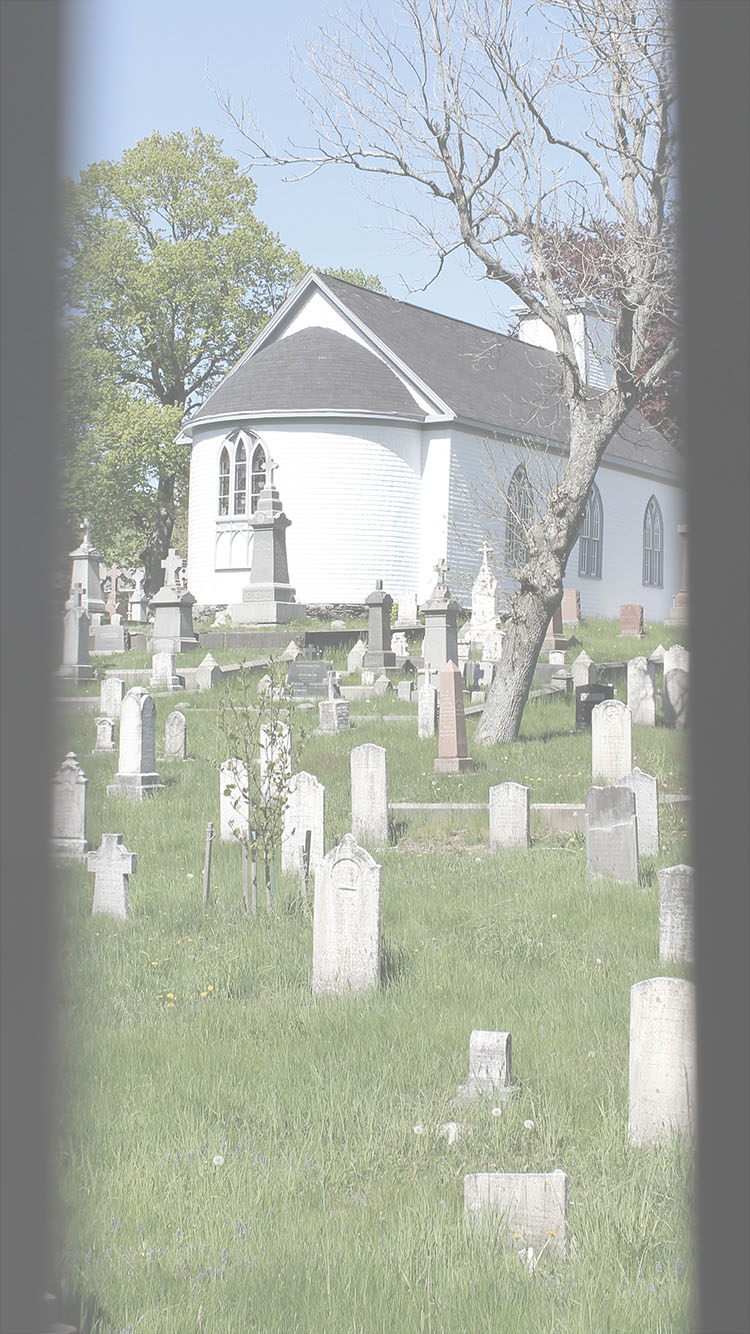
4. Catholic Cemetery

  1. Citizens went about barricading their houses against the winter chill as quickly as possible.

  2. The grounds were laid out on The Feast of St. Anne, 26 July 1843, by 2000 volunteers. The chapel itself was built on 31 August, and officially blessed and opened on 17 September 1843. The cemetery was moved here from the corner of Spring Garden Road and Grafton Streets. Though called Holy Cross, the original name of the cemetery was Holyrood.

  3. The window can still be seen in the chapel. Our Lady of Sorrows is open for mass every September 15th.

  4. Many survivors report an uncanny silence immediately following the explosion, which was then punctuated by moaning, screaming, and crying, and soon became a constant wail. “Another thing that is worth recording is the absolute silence which immediately followed the explosion as I am told that for several minutes not a wheel turned anywhere.” (See: John W. Regan to Archibald MacMechan, Correspondence, 25 January 1918, #63b, MG1 vol 2124, Archibald MacMechan Fonds, Nova Scotia Archives, Halifax, Nova Scotia, Canada.)

  5. The city had organized committees, morgue services, hospitals, medical response, and begun sending wounded by train to Truro by the end of the day. While a general sense of chaos continued, especially in hospitals and morgues, relief was organized.

  6. While the city has physically recovered from the explosion, cultural, psychological, and sociological effects are still seen.

--

While the events depicted in this walk are true, and we have endeavoured to represent them as factually as possible, it is important to note that the characters are fictional. As such, small details about their personal lives may not be accurate. These characters have been created from the remembrances of real people, and drawn from the communities present in Halifax in December of 1917.
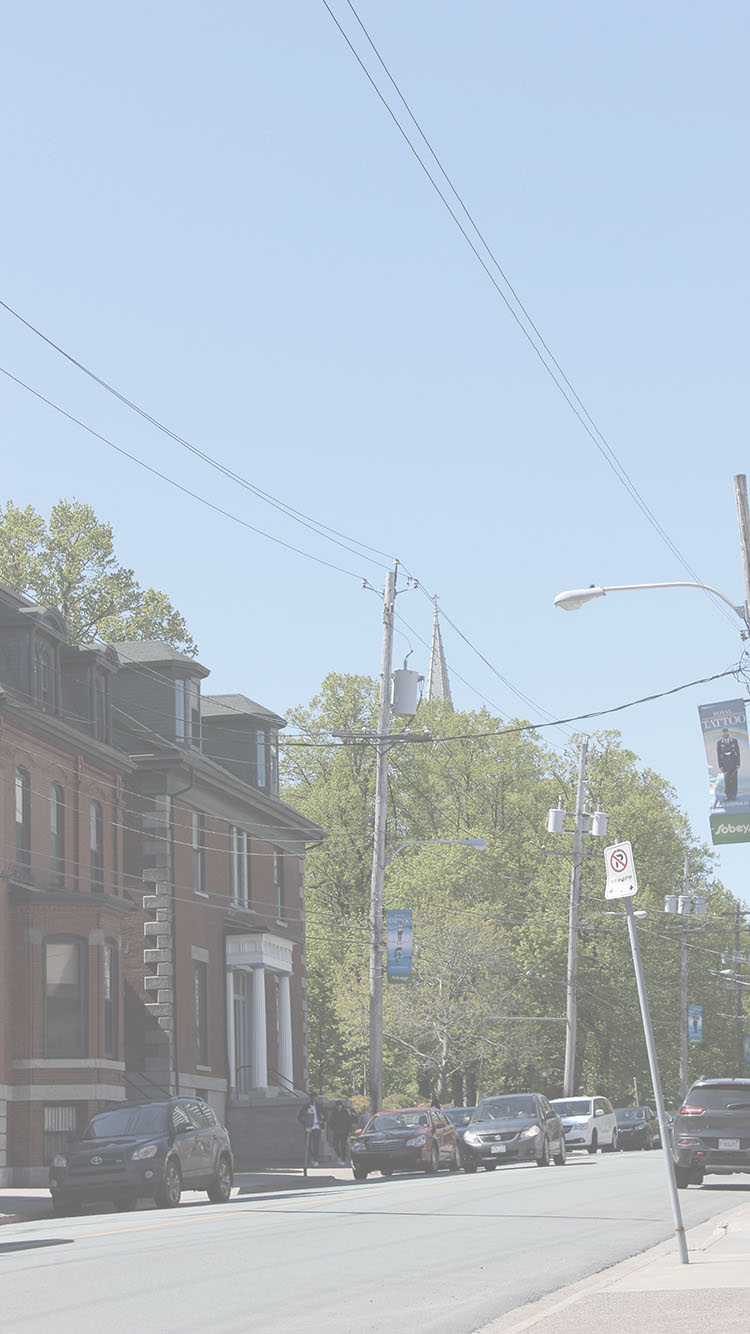
1 sound

6. Bellevue House

  1. The land upon which Bellevue House stood was purchased by the Duke of Kent in 1800, and was the residence of the Commander in Chief from 1801 to 1906.

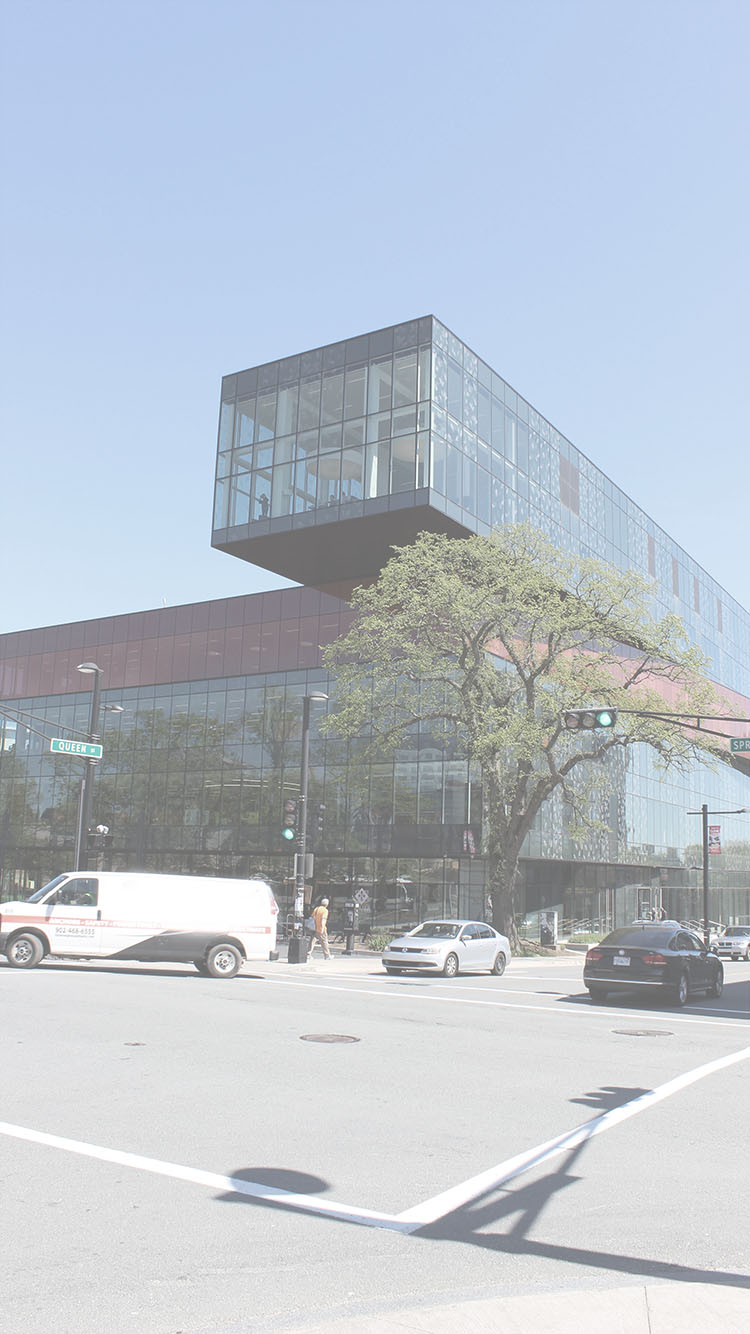
  2. Bellevue House was demolished in 1955 to make way for a parking lot. In 2014 it was excavated in preparation for the construction of the new Halifax Central Library. Visit the library reference section to learn more about the explosion.

  1. Private houses, theatres, and church halls, among other spaces, were converted into temporary hospitals and dressing stations as well as shelters to cope with the number of wounded and displaced: almost 9000 people required medical attention.

  2. The Americans brought with them bandages, antiseptic, and surgical equipment, but not hospital supplies. These were provided by the Canadian Military, according to the report of Lt. Frank McKelvey Bell. (See: John Griffith Armstrong, The Halifax Explosion and the Royal Canadian Navy: Inquiry and Intrigue (Vancouver: UBC Press, 2007), p. 97.)

  3. While American reinforcements included doctors and nurses, they did not include medical orderlies. These crucial workers were Canadian.

  4. At least three nurses of the St. John Ambulance Brigade - Estelle Harris, Winifred MacLean, and Jean Gass - are reported as working 30 hours or more without break, although they moved from one hospital to another. (See: Report of the Halifax Central Nursing Division, No. 17, St. John Ambulance Brigade. #33, MG1 vol 2124, Archibald MacMechan fonds, Nova Scotia Archives, Halifax, Nova Scotia, Canada.)

  5. The white shoes Honora is searching for are drawn from the memories of Jean Holder: “Miss Florence Fraser was a registered nurse who was on duty in the operating room of the Victoria General Hospital. She wore a pair of new white shoes on duty Thursday morning. When she returned to her own room and just about collapsed on her bed over 24 hours later, somebody removed her stained shoes and put them in the waste paper basket.” (See: ‘Halifax Explosion’ reminiscence of Jean Holder, 6 December 1985. MG 27 vol. 9 no. 4, Nova Scotia Archives, Halifax, Nova Scotia, Canada.)

--

While the events depicted in this walk are true, and we have endeavoured to represent them as factually as possible, it is important to note that the characters are fictional. As such, small details about their personal lives may not be accurate. These characters have been created from the remembrances of real people, and drawn from the communities present in Halifax in December of 1917.
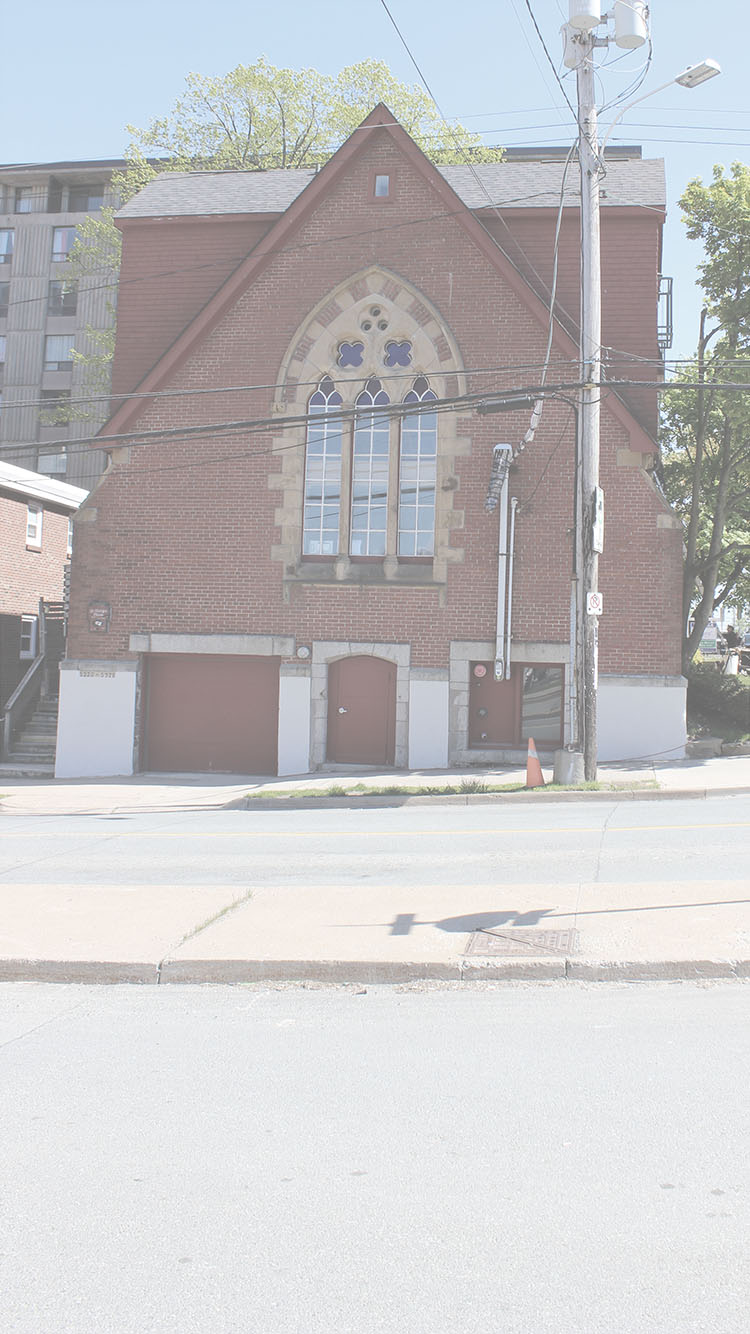
1 sound

7. St. Mary's Basilica

  1. This Hymn, called “Abide With Me,” along with “O God, Our Help in Ages Past” was reportedly sung at the service for the unknown dead.

  2. “In Saint Mary’s Cathedral, Father Driscoll was saying Mass when the explosion destroyed the stained glass windows on both sides of the church. No one was injured. Father Driscoll ended the service and walked calmly to the sacristy. It was noted that the one window which escaped was the Pelican window. A moment after the explosion, St. Mary’s looked like an old Gothic ruin.” (See: Archibald MacMechan, The Halifax Explosion, December 6th, 1917. (Toronto: McGraw-Hill Ryerson, 1978), p. 19.)

  3. The most recent estimates put the list of known dead at 1 952. This list includes many, if not all, of those buried unidentified on the 17th of December 1917. The Book of Remembrance is on display in the Halifax Explosion exhibit at the Maritime Museum of the Atlantic. Or, see a digital version online at the Nova Scotia Archives website: https://novascotia.ca/archives/remembrance/

  4. For more information on the Titanic disaster, see the Titanic and Halifax Wrecked exhibits at the Maritime Museum of the Atlantic to learn about Robert MacIlreith and his mortuary bag system.

  5. The actual number of unidentified dead was closer to 250. Troops continued removing remains from the devastated area until the 11th of January, 1918. Some people are still unaccounted for.

  6. “It is not by the hand of the almighty these unfortunate human beings have suffered, but by the mistakes of others.” The archbishop is quoted in Janet Kitz, Shattered City: the Halifax Explosion and the Road to Recovery, (Halifax, NS: Nimbus, 2008), p. 108.

--

While the events depicted in this walk are true, and we have endeavoured to represent them as factually as possible, it is important to note that the characters are fictional. As such, small details about their personal lives may not be accurate. These characters have been created from the remembrances of real people, and drawn from the communities present in Halifax in December of 1917.
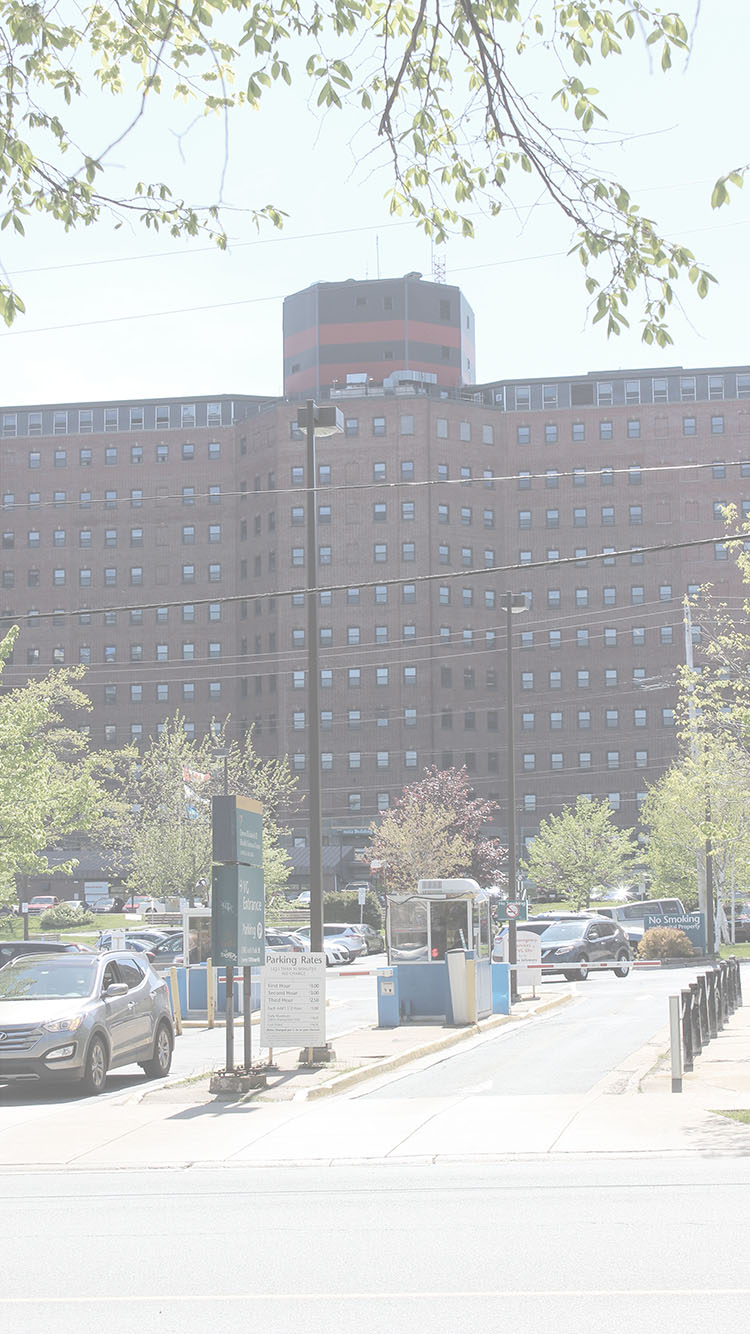
1 sound

DOWNLOAD OUR APP TO DISCOVER THIS TOUR AND MANY OTHERS.

play-storeapp-store

Or start creating tours, treasure hunts, POI maps... Just let your imagination guide you.


Other walks nearby


Are you a creator?

START HERE

Privacy & cookie policy / Terms and conditions

© ECHOES. All rights reserved / ECHOES.XYZ Limited is a company registered in England and Wales, Registered office at Merston Common Cottage, Merston, Chichester, West Sussex, PO20 1BE

v2.5.15 © ECHOES. All rights reserved.