Speech transcription:
It is often said to start at your feet. My feet are under water for an average of two hours and 20 minutes a day.
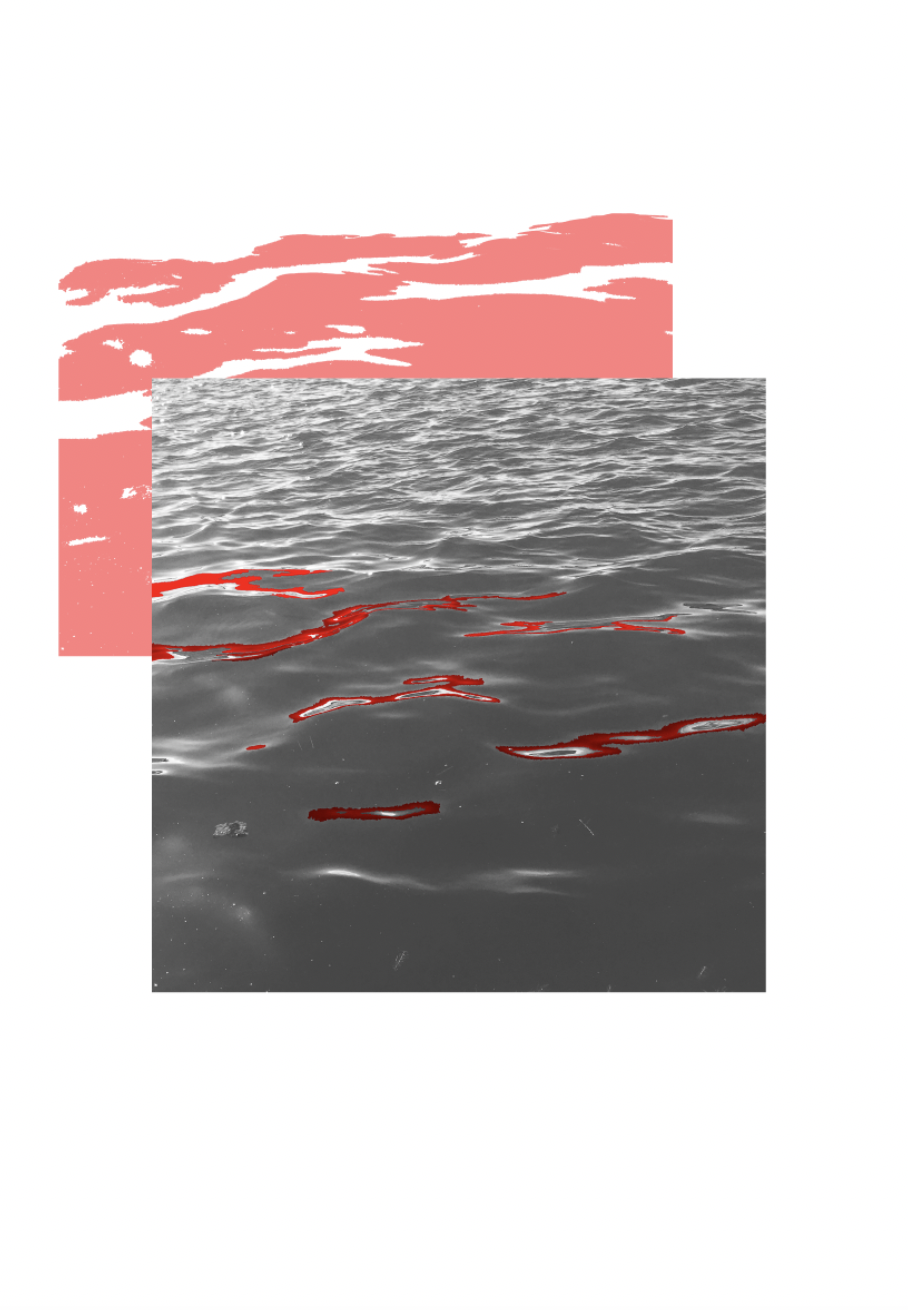
I have written a story, but it is not this that you are listening to right now. I dived into the sea of words, pulled a few out, and placed them here. They do not speak about, they sit next to, and whisper a fragment of the story that they left behind.
Everything in this world has two sides, the visible and the invisible. Every day, we candidly sway in between. Learning this in language is like trying to untangle the tacky, rubber chord of earphones. The Welsh alphabet contains 29 letters. There are no outsiders, every letter that can be written, can be heard. No character is severed from speech; no ghost letters or muted sounds. Language is a capsule of a homeland; a reminder when you are elsewhere. Sometimes, the capsule slips from the tip of my tongue, it tilts on the edge of my memory too.
One late night I was doodling, and drew an image composed of lots of skinny lines. I wrote the Welsh word llinell next to the drawing. Llinell means line, spelt: double l, i, n, e double l. In its appearance, it stands sturdy, similar to the meaning it holds. The word physically holds itself within itself; isolating and enclosing its contents away from other words. If llinell was a drawing, its lines would make it seem lonely. If this word could take itself for a walk, it would also doodle skinny lines — regimented and vertical. If you look at it and squint, it illustrates what it conveys, stroke after stroke after stroke, although it interrupts itself half way through.
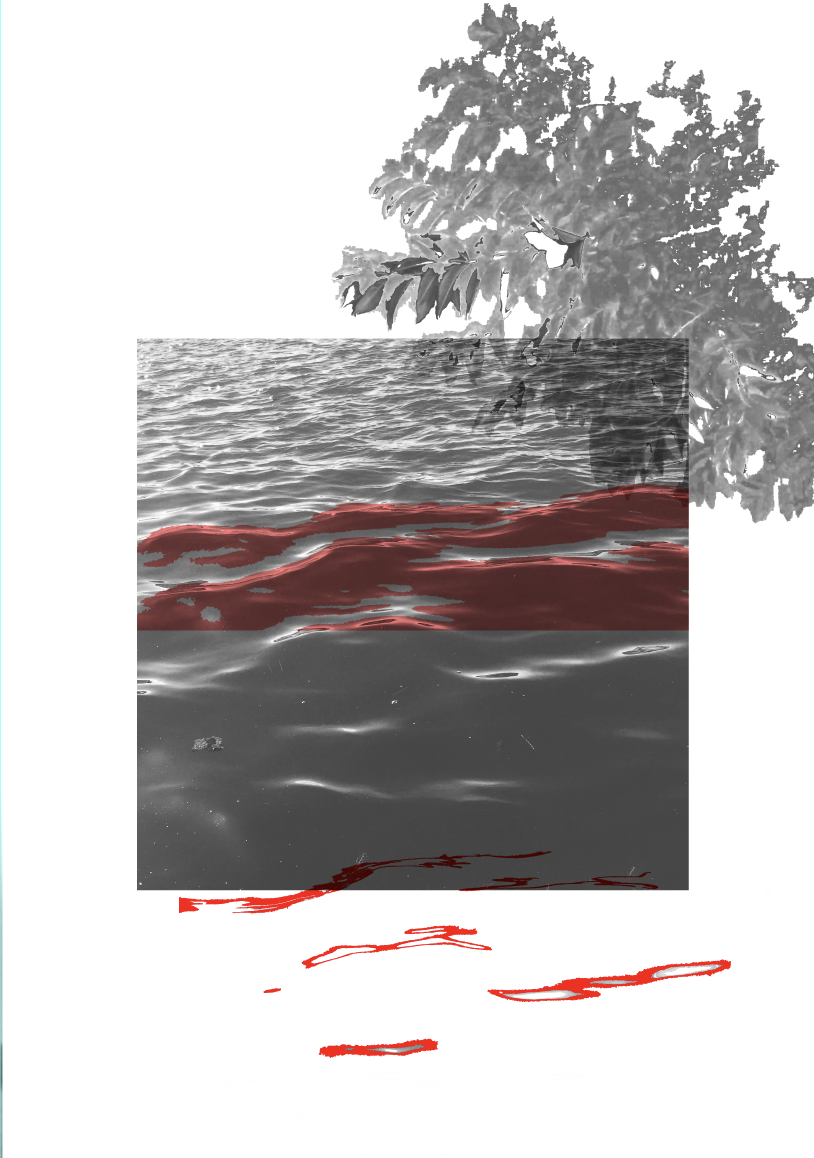
The story that loaned itself to what you can hear now, takes place on an island that has been cut off by the evening tide. Like the tidal walls that imprison the island, alphabetical walls surround this word.
Sever. Verb. To divide into parts; disunite. The story that floats behind this spoken text describes the island as once holding hands with the mainland, only losing grip as the evening’s inky blanket fell. In your ears, I am severing llinell from all other words, creating a vacuum, but no word is an island — they cannot survive on their own.
Perhaps words should not be cracked open. Instead, they could be the cracking tool, used to dig deep and travel. They pulse and oscillate, but do not necessarily designate. Like a map, their formation is a material network of lines to point us somewhere or draw pathways for our imagination to follow. Lines, words and drawings cannot keep up with themselves because they casually linger behind thought, like a slow walking companion.
Elsewhere, the watery border lashes against the island’s edge. In your ears right now, the digging around the word llinell begins to destabilise it. Shores are restless. This is the point where what you are able to hear naturally comes to an end. In trying to understand words too much, their lines become brittle and fall apart. Words are thin and cannot stand alone.
Audio description:
This clip has minimal sound design throughout. It begins with sliced up samples of the sounds of flowing water. The narrator begins speaking. When the narrator says “I dived into the sea of words, pulled a few out, and placed them here”, the water sounds quickly descend in pitch and disappear completely - giving the illusion of falling. Gentle lapping water sounds discretely appear. As they fade away, the sound of a pencil drawing lines starts quietly then gets louder at the point where the narrator talks about doodling and the formation of the Welsh word ‘llinell’. After a short while, the pencil sound fades, and only the narrator’s voice is audible. After a short period of only hearing the voice, the sound of the waves lapping softly appear then disappears again. The voice becomes the only source of sound again. Towards the end of the narration, the sound of footsteps merges and blends with the timing and sound of a pencil drawing strokes; the footsteps fade out, the pencil strokes continue, then they fade out too.