Ljubljana Green Tour

8 ECHOES

Location: Ljubljana

Focus, društvo za sonaraven razvoj
Slovenija, a green country. Ljubljana, a green city. A myth or a reality? Welcome to a virtual green tour, where we will discover Ljubljana, take a walk among hidden blades of grass, and explore bushes.

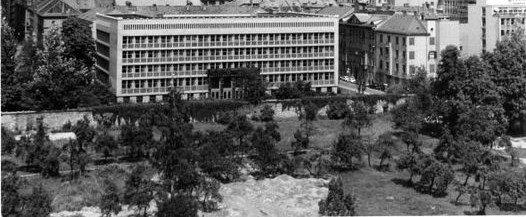
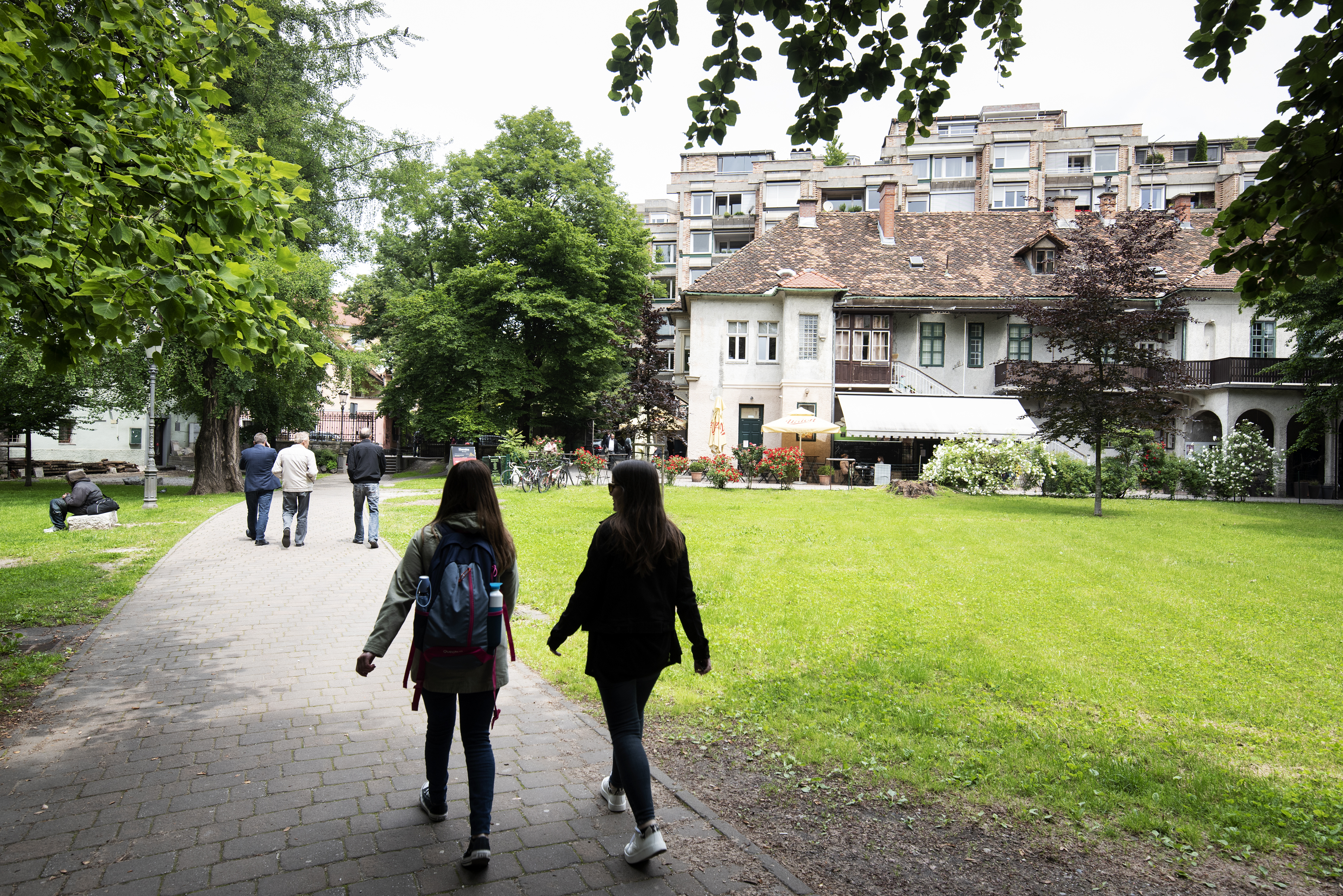
2. Park behind the Faculty of Arts

What is your first association when you hear the words ‘environmental protection in Slovenia?

It all began with the first initiators of environmental protection in Slovenia, experts and artists, who founded the Society for Environmental Protection in the early 1970s. At the beginning, they opposed the planned construction of new hydroelectric power plants on the Soča river, which was the first opposition to the huge energy projects in the SFRY. In general, the environmentalists perceived Yugoslav socialism as unproblematic, which was unjustified. Many Yugoslav republics were underdeveloped by capitalist standards, so the federal state invested heavily in their development through large infrastructure projects, heavy industry, and increased production. All this, however, had negative consequences for the environment. By doing so, the state wanted to achieve economic growth comparable to capitalist economies. Thus, it could eventually beat the capitalist system in terms of the material prosperity it would provide to the people. However, socialism does not require economic growth, it can survive without it, while it is absolutely necessary for capitalism.

With economic development, the need for energy also increased, leading to new interventions in the environment, and with it, a true resurgence of the environmental scene in Slovenia in the 1980s. The main emphasis was on the Šoštanj Thermal Power Plant and air pollution with sulphur dioxide emissions. Today, thirty years later, the Šoštanj power plant is still causing quite a stir and emits a lot of greenhouse gases. It is one of the most controversial investments in Slovenia.

However, our predecessors dealt not only with the issue of thermal power plants; it turned out that all methods of producing electricity carry risks and cause damage to the environment. The Chernobyl accident in 1986 (justifiably or not) prompted the establishment of an anti-nuclear movement, which called for the closure of the Krško Nuclear Power Plant. And already back then, there was some opposition to the construction of hydroelectric power plants on the Mura river.

In the Yugoslav context, Slovenia was the republic with the strongest environmental movement, and environmentalists from other republics also came here to learn.

1968 was a turbulent year in many parts of the world. Slovenia was no exception.

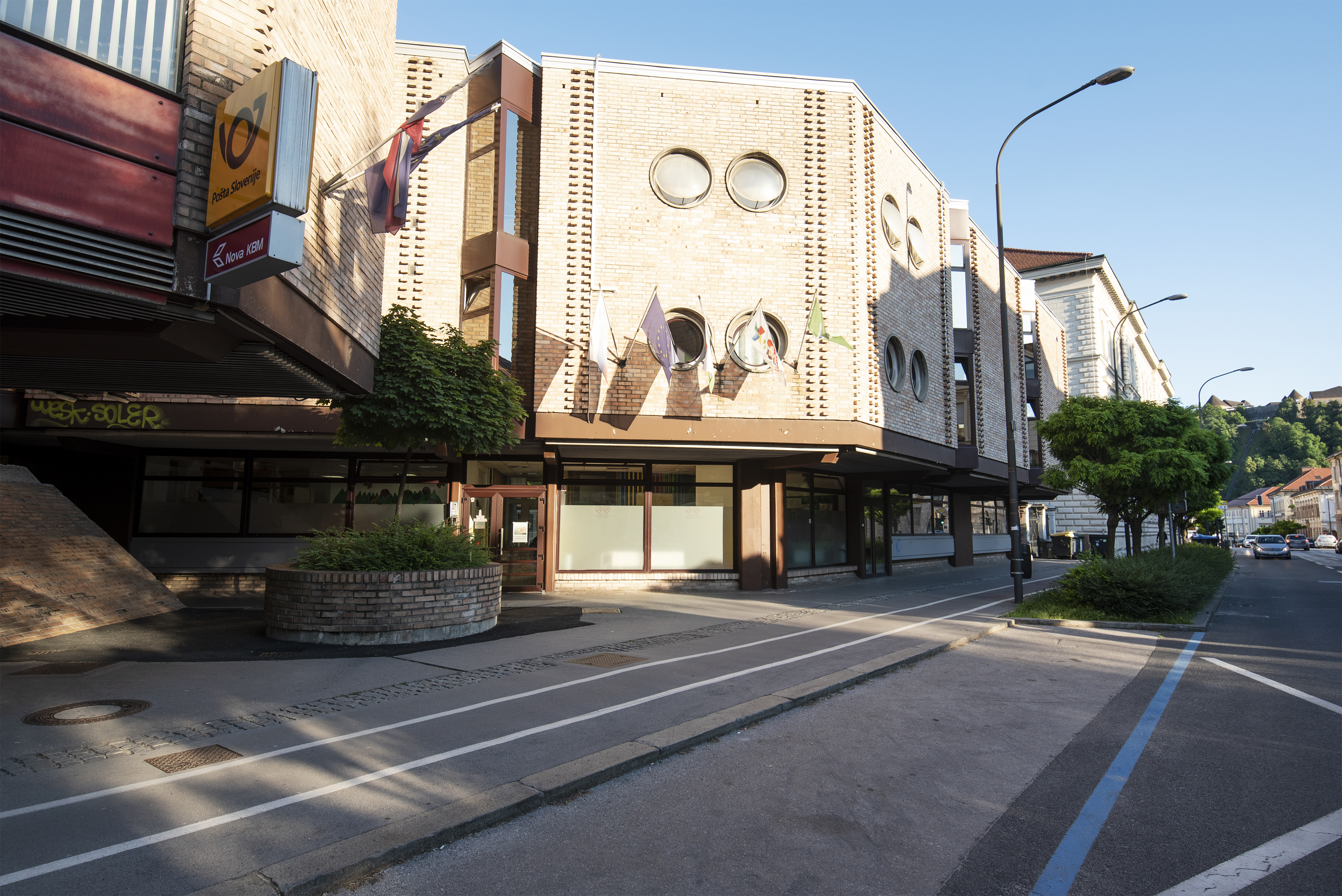
Today, when we stand behind the Faculty of Arts rising above us with its brutalist architecture, it is hard to imagine the riots that took place here some fifty years ago. As mentioned, post war Yugoslavia witnessed rapid development. The cities grew, the population increased, and the standard of living rose. All of this, however, had unforeseen consequences that erupted in unrest at the transition from the 1960s to the 1970s. The 1968 unrest in Yugoslavia was the result of growing inequalities due to the introduction of capitalist elements and opening up to the West, poor accommodation and low capacity in study centres, poor accessibility to higher education for students from the periphery, and declining opportunities for the young. Discussions about these problems began. These issues were already discussed in 1964.

In 1968, the student movement focused primarily on housing issues. They managed to negotiate the construction of new student dormitories and prevented the introduction of changes that would make it harder for the students to stay in them. The next year, they founded Radio Študent, which provided students with new possibilities to communicate and organize, as well as to inform the public about current events. This was their first victory. Economic development also led to increased traffic. Back then, Aškerčeva street was Ljubljana’s main traffic artery, as there was no bypass at that time, and most of the traffic ran along it. Huge trucks and a growing number of motor vehicles caused an unbearable noise that echoed through the area around the road. For this reason, students of the surrounding faculties organized the first public protest against the noise on Aškerčeva street on April 14, 1971. They believed that the noise was detrimental to their health and ability to concentrate in class. They closed down Aškerčeva street. There was a festive atmosphere on the blocked road, students sang, played musical instruments, played cards, etc. The more radical among them set off towards the assembly, today's National Assembly Building, where they were stopped by a police corridor. This quelled the fire, but only for a short while. The protests continued with the occupation of the Faculty of Arts from May 26 to June 2 of the same year, following the prosecution of two students – Milan Jesih, who played an important role in the occupation of Aškerčeva street, and Adam Frank, who was arrested for “too much free expression”. In a way, the occupation of the Faculty of Arts was an artistic activist experiment. There were lectures, recitals, a disco with music, poetry, skits, theatre events, performances, an orchestra where students played instruments that they could not play … A kind of left wing criticism of the authorities was formed, which demanded, above all, that Yugoslavia return to its socialist origins, introduce student participation in the management of the university, and release the arrested students. The power and energy were short-lived, however. The occupation ended with the beginning of the university holidays.

Separate from these developments, the students of the Faculty of Architecture also took action, protesting against the felling of trees on Vegova street.


1 sound

3. Republic Square

Republic Square is a place where most protests take place in Ljubljana. Before the coronavirus pandemic, it was also the site of Youth for Climate Justice protests which took place every Friday. They were small gatherings, but the intention of the young was to show up, regardless of the weather, time of year, or the current political leadership. In doing so, they pointed to the need for urgent action against the climate crisis and the inaction of political leaders. With the onset of the pandemic, the Friday protests moved online. You can follow them on Facebook and Instagram.

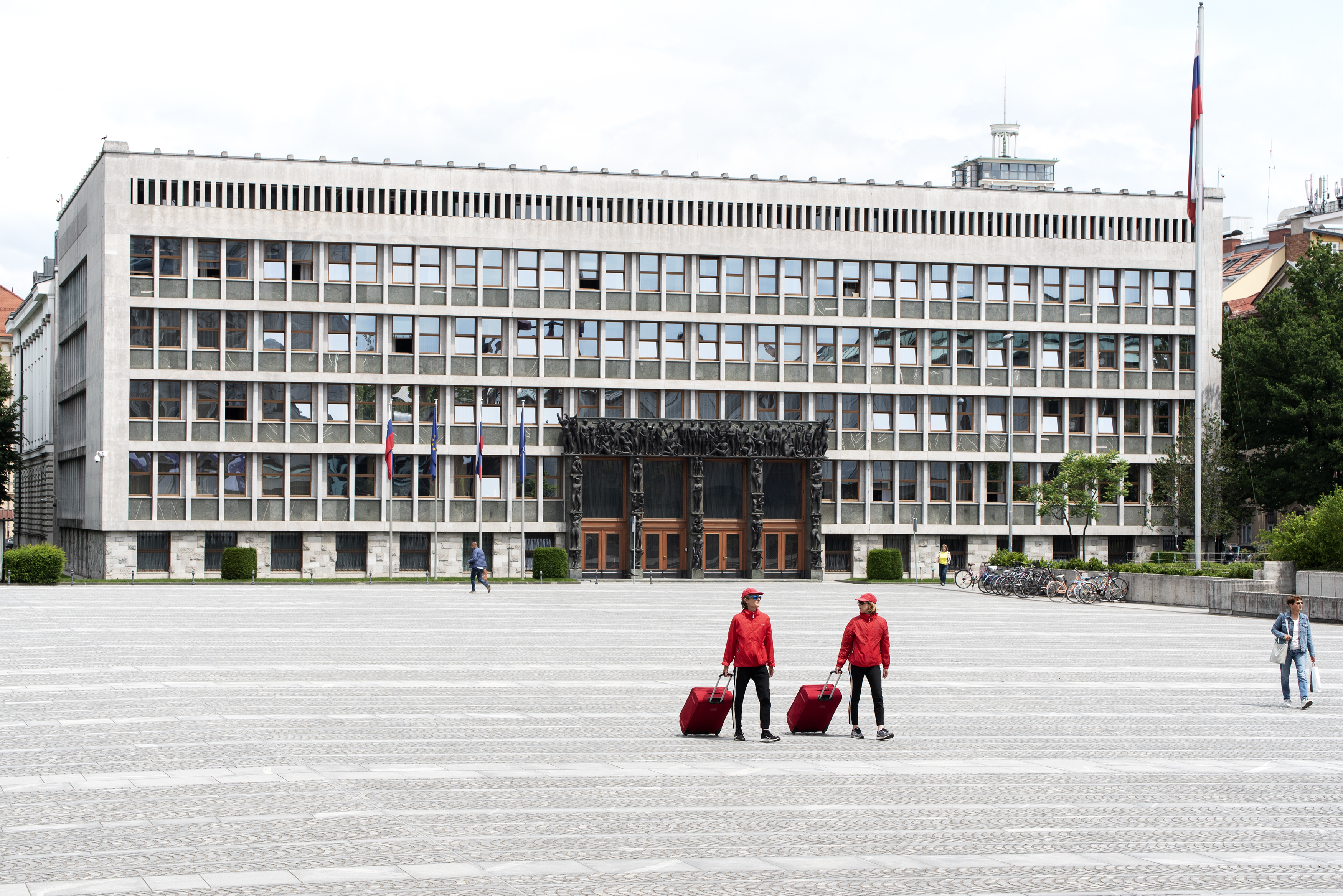
As we stand on this open concrete space, it’s hard to imagine that there was a giant garden here until the 1960s, full of mighty trees. Yes, this was the location of the Nun Garden, or the Ursuline Grove, as they used to call it. Namely, the garden was owned by the Ursuline Monastery, whose church bell can still be seen behind the Maxi building, looking in the direction of Ljubljana Castle. This green garden also included a children’s playground and an Ursuline kindergarten. Today, the only potential resemblance of the garden are the straight parallel lines stretching dully across the square like some kind of cement garden patches. The post war socialist regime decided that the centre of Ljubljana needs monumental bureaucratic architecture right here, with a huge parking lot and a shopping centre. The project was named The Revolution Square. Interesting, right? Because there is usually not much revolutionary spirit in office work, parked cars and supermarkets. Good thing that a 20-tonne Monument to the Revolution was also placed on the square to clear the confusion to some extent. The monument was made by Drago Tršar and was erected in 1975, on the thirtieth anniversary of the victory over fascism. With a bit of historical distance, one could argue that this concrete creation, which was renamed to Republic Square after Slovenia’s independence, is best suited for skating and protesting. The latter, protesting, is the only thing that is somewhat reminiscent of revolution today. Indeed, the square was the site of protests already during the socialist era, most notably in the winter of 1987 with the week long strike of the Litostroj factory workers. But there were many more protests after 1991. Most recently, the 2020 anti government protests, were certainly among the largest, and also had a strong environmental note. Namely, the coalition government of the time, led by the far right Prime Minister Janez Janša, adopted legislation that prevented all important national environmental organizations from participating in the supervision of the unsafe constructions in the natural environment.

1 sound

6. Butchers' Bridge

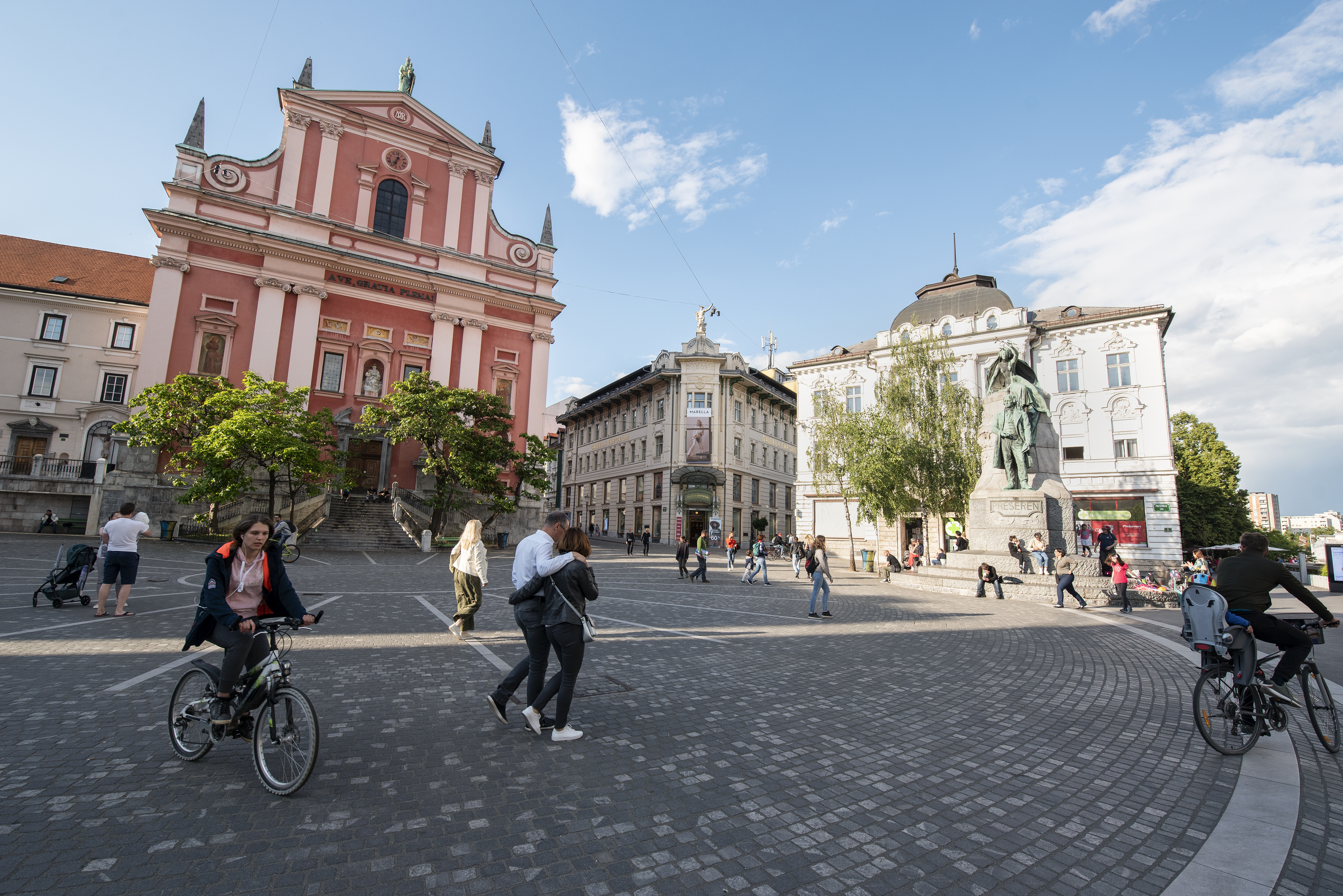
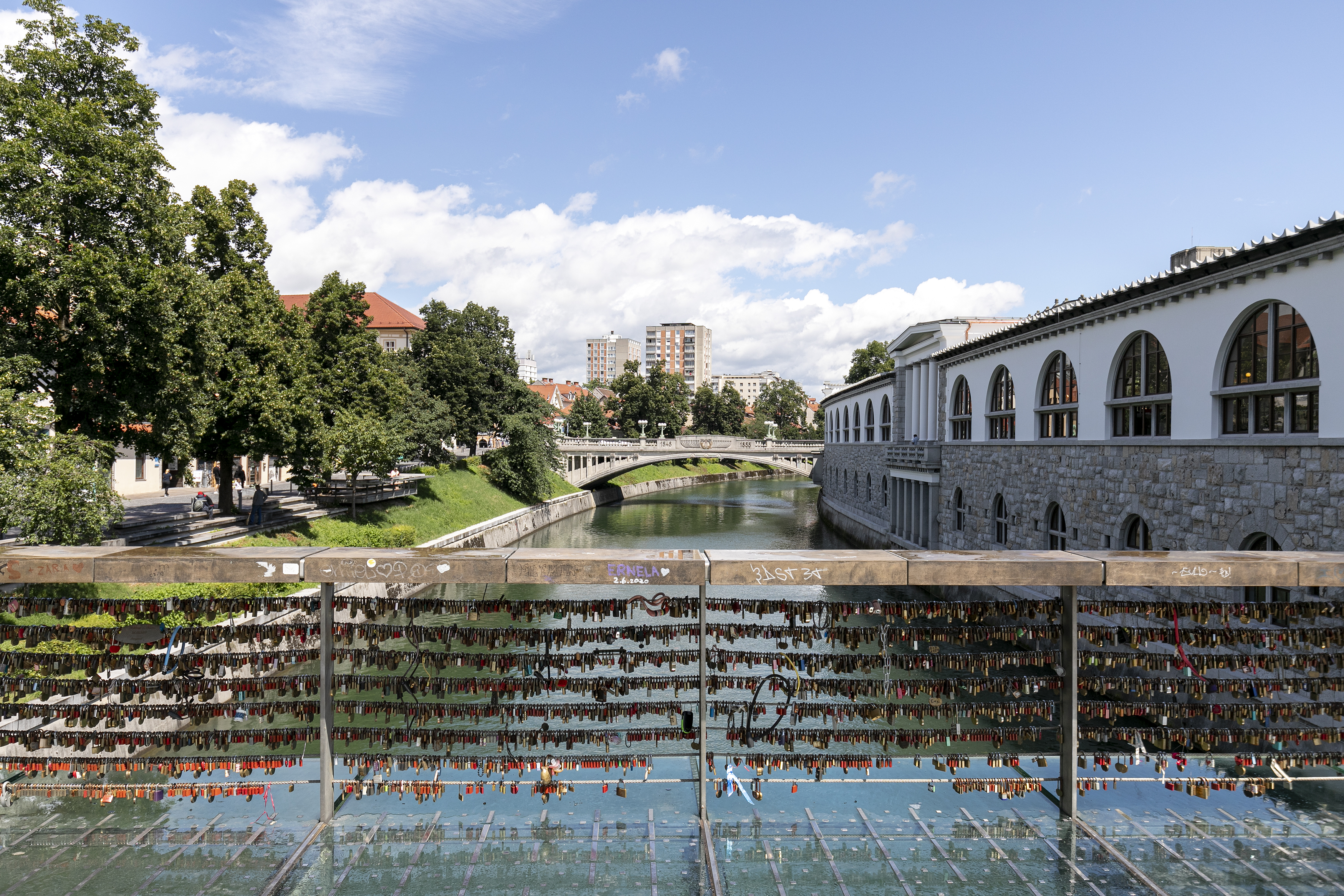
And her we are, above the Ljubljanica river, which has been very important throughout the history of the city, both for the citizens and for the city itself; and it is no different today. Ljubljanica is a karst river. It comes to the surface from a number of springs in the area of Vrhnika, after flowing through several karst fields and disappearing in between. Such rivers are much more susceptible to pollution than rivers in a non karst rock base. Due to various processes and factors, the non-karst bedrock weathers so that the water flowing in these areas has greater self-cleaning abilities. This means that rivers naturally clean themselves faster than those in karst areas. This is especially true for aquifers, such as the one in Ljubljana. Especially in the period after the last Pleistocene glaciation, colloquially called the ice age, which ended about 12,000 years ago, the Sava river flooded the Ljubljana basin with various river deposits. Due to their filtering ability, they currently provide one of the highest quality sources of drinking water in Slovenia. The self cleaning capability of karst watercourses and groundwater, on the other hand, is nowhere near the same. The mechanical weathering of limestone is negligible, so rivers cannot create river deposits on the plains. There is mainly chemical weathering of the rock, which facilitates and accelerates the penetration of various substances, such as pesticides and fertilizers, into the underground. Karst rivers are therefore much more endangered in terms of pollution and the Ljubljanica is no exception.

1 sound

7. Kindergarten on Resljeva street

A heat island is a phenomenon typical of larger urban areas, including Ljubljana. In urban or urbanised areas, temperatures are significantly higher than in the surrounding rural areas. The entire mechanism of the phenomenon is based on the absorption of solar energy and the way it is consumed and stored. Solar energy can be used to evaporate water, leaving less energy for warming, but if there is no water to evaporate for some reason, most of the energy received is transformed into heat. In the rural environment, the areas are covered with forest, grass, cultivated plants, while in urban areas, parks and other green areas play a similar role. The soils are soaked with water and also retain it. In winter, when there is snow cover, the surface turns white, reflecting most of the received sunlight. And now, look around. What do you see? Pavement, concrete, and more concrete. Perhaps a tree or two. The situation in cities is therefore reversed. There are few green areas, most of the surfaces are covered with concrete and asphalt, which retain energy perfectly and slowly radiate it back into the environment in the form of heat. In the case of rain, the water drains quickly due to drainage systems, leaving the surfaces dry again, and the snow is ploughed or removed. In these cases, there is no “barrier” that would prevent solar energy from transforming directly into heat, causing higher temperatures and more hot nights, which makes it increasingly unbearable to live in cities during the summer. Another important factor in this respect is climate change, which further increases the heat.

1 sound

8. Beyond a Construction Site

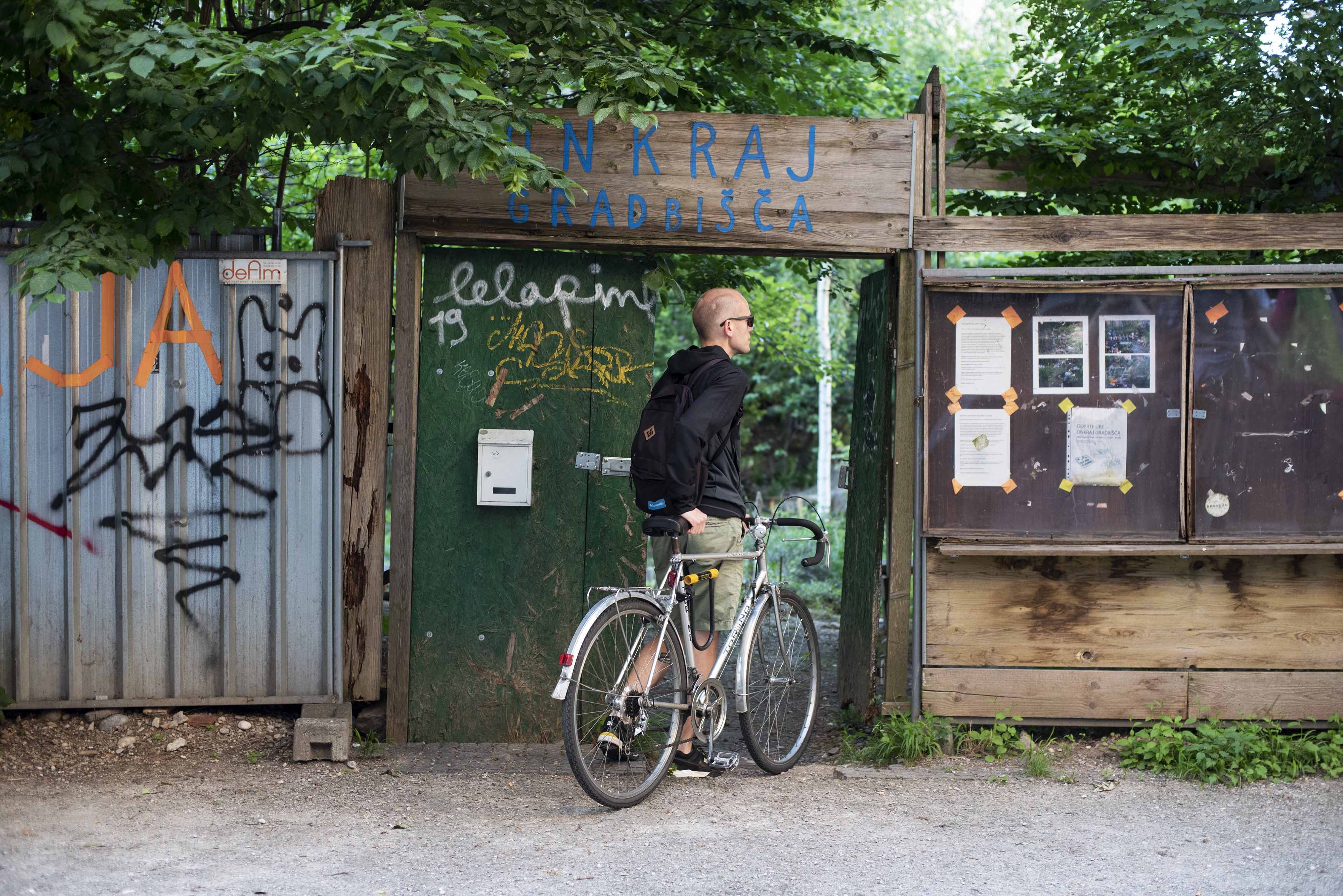
Welcome to the green paradise! Yes, this was the site of an excavation where construction work stopped, and today, it hosts a green community garden. And for over ten years now! Congratulations! There are at least ten suspended construction sites in the centre of Ljubljana or nearby, a result of real estate speculations before the financial crash in 2008 and the ensuing economic recession. It covers an area of 1,000 square metres. For several years, the excavation was left desolate, with no workers or machinery after the investor abandoned the project. But, in 2010, a concept of alternative land use was born in collaboration with the local residents. The cultural association Obrat suggested a gradual transformation of the site into a community space reserved for gardening, socializing, education and culture. At least until the owner, the City of Ljubljana, decides what to do with the land. And they did it! Within the framework of the Mladi Levi Festival, they obtained all land use permits and started gardening in 2010. Shortly afterwards, they managed to sign an agreement with the City of Ljubljana on the free use of the space. The contract is now renewed every year. Since it used to be a construction site, the space is now simply called “Beyond a Construction Site”. It is therefore an alternative approach to the use of seemingly useless urban areas. The project promotes a more active role of local residents in planning, organization, and management of urban areas. In practice, this means that children and adults socialize on the site, organize different community events, and – most importantly – grow their own vegetables and fruit. There are about 100 active participants in the project who cultivate about 40 garden patches. They have established a flexible system of rules that regulate the common use and management of space, but are also subject to change according to the needs of the community.

You must have noticed the growing popularity of urban gardening. However, urban gardening is not new in Slovenia or globally. On the contrary, urban gardening has been known since antiquity. In Slovenia, the industrialisation in the first, and especially the second part of the 20th century brought along the cultivation of many urban areas in the vicinity of workers' settlements. Yes, workers found little patches of earth in their new urban settlements and began to cultivate them. It was the beginning of the “gardening” phenomenon. In the past, the gardeners used to occupy their small patches of land illegally, but today this is mostly regulated by city authorities. There is even a TV series (named Gardeners, of course), which includes a hit single by Ana Pupedan with the title – you guessed it – Gardeners.

1 sound

DOWNLOAD OUR APP TO DISCOVER THIS TOUR AND MANY OTHERS.

play-storeapp-store

Or start creating tours, treasure hunts, POI maps... Just let your imagination guide you.


Other walks nearby

Memodrom

Memodrom

Ljubljana
Zvočni sprehod Memodrom je kompost spominov najlepšega mesta na svetu. Sprehaja vas – brez predhodne najave – po spominski spirali, v kateri je mesto ob reki labirint in zvok sprožilec situacij, ki jim je izhodišče pozaba. Memodrom vzpostavlja vzporedno doživljanje mesta, v katerem javna infrastruktura ni nosilec funkcij v prostoru. Obstaja zgolj kot kulisa za dogajanje v zvočnem prostoru. Namesto potopitvene ustvarjamo izstopitveno izkušnjo. Memodrom malikuje vašo pravico do pozabe. V manj kot eni uri vas izpostavi zvočnim spominom generacij, ki so Ljubljano doživljale s pomočjo starejših nosilcev zvoka. Z 'datotečnim' načinom reprodukcije jih bomo skupaj priklicali v spomin. Od zimzelenih glasbenih hitov, javnih osebnosti, ki so jih ključniki zaobšli, do domnevno najbolj invazivnih prebivalcev mesta. Želite tudi vi odložiti katerega od svojih spominov? Memodrom čaka na vaš klic. Idejna zasnova: Augenmas Scenarij in režija: Augenmas in beepblip Kompozicija, terensko snemanje, oblikovanje naslovnice: beepblip Studijsko snemanje: Brane Zorman Dramaturgija: Jasmina Založnik Jezikovni pregled: Primož Jesenko Glasovna interpretacija: Lina Akif in Blaž Šef Producentka in svetovalka: Irena Pivka Foto in promocija: Matej Tomažin Avtorska glasba: Avgusta Danilova, Moj mili kraj (1918); Jani Golob, Moja dežela (1986); Brane Zorman, Don't Take Our Freedom To Us! (2020) in za namen satire priredbe skladb Majde Sepe, Šuštarski most (1969), Mešanega Pevskega Zbora Don Bosko Celje, Slovenska zemlja, Jakob Aljaž (2017) in Magnifica, Ko enkrat bom umrl (1995). Uporabili smo tudi zvočne vzorce iz portala Freesound.org sledečih ustvarjalcev z različnimi CC licencami: joedeshon, bruno.auzet, Harris85, soundslikewillem, tjandrasounds, cabled\_mess, OGsoundFX, Nox\_Sound, CyrileneRossouw, Robinhood76, hugobeaumont, Bertrof, thgurdy, 13FPanská\_Tolar\_David, PierrotDu25, Osiruswaltz. Po naročilu: Zavod Cona za Festival TO)pot Podpora: Ministrstvo za kulturo Republike Slovenije, Mestna občina Ljubljana - Oddelek za kulturo Augenmas \[Dare Pejić] je nepoklicni avtor, pisec besedil in producent. Njegovo prvo avtorsko delo, radijska igra “Action+drama”, je bilo izbrano za najboljšo radijsko igro na Radiu Študent. Z občasnimi izleti v zvočne eksperimente (kot član zvočnega kolektiva Theremidi Orchestra) ter kratki karieri selektorja glasbe, je ostal zvest mediju teksta v najrazličnejših žanrih. Njegovo zanimanje za zvočne sprehode se napaja iz medijske arheologije. beepblip \[Ida Hiršenfelder] je zvočna umetnica in arhivistka. Komponira potopitvene psihogeografske zvočne krajine z uporabo analogne elektronike, naredi-sama modularnih sintetizatorjev zvoka, terenskih posnetkov in računalniške manipulacije. Zanima jo bioakustika, eksperimantalna glasba in zvočno prostorjenje. Bila je članica zvočnega kolektiva Theremidi Orchestra, trenutno pa je članica skupine Jata C, ki raziskuje bioakustiko in zvočne ekologije. Študirala je sonologijo na Kraljevem konservatoriju v Haagu. Od leta 2021 razvija tri serije: ambisonične in kompozicije Empatične atmosfere, zvočne instalacije z neslišnimi zvoki in zvočne sprehode Prevod zverinic. https://beepblip.org/sl/memodrom-2/ https://www.steklenik.si/augenmas-beepblip-memodrom/
free
Glasovi med valovi: Prepišno uredništvo 2021

Glasovi med valovi: Prepišno uredništvo 2021

Ljubljana
Špela Setničar prebira tekste Jerneja Županiča, Maje Vidmar, Muanisa Sinanovića, Petra Semoliča, Arjana Pregla in Primoža Čučnika Na zvočnem sprehodu ob Ljubljanici lahko prisluhnemo glasovom med valovi: literarnim delom, ki so povezana z vodo, rekami in okoljskimi spremembami. Sprehod sestavlja šest postaj: Plečnikova zapornica, Mesarski most, Ribja brv, Breg pri Novem trgu, Grudnovo nabrežje pri Hradeckega mostu in Špica. Zvočni posnetek sproži geolokacija, ki jo zazna vaša pametna naprava, s pomočjo aplikacije Echoes pa nato prisluhnete branju le takrat, ko ste tudi fizično prisotni v rečnem prostoru. Prepišno uredništvo 2021: Bo literatura splavala po vodi? Nad vsemi krizami današnjega dne se kot zlovešč obstret pne tista, ki zadeva občo planetarno prihodnost: okoljska. Pitna voda, simbol zdravega življenjskega okolja, nikakor ni več samoumevno dejstvo, temveč dobrina, ki bo v naslednjih desetletjih narekovala geopolitične premike, medtem ko bo dvigovanje gladin oceanov prerazporedilo poselitev in zahtevalo vzpostavitev novih načinov sobivanja. Kakšno pozicijo v odnosu do teh sprememb zavzema literatura? Je zmožna odzivanja na hitro spreminjajoče se razmere? Fascinacija nad utopijami in distopijami je v literaturi prisotna od nekdaj. Toda ali lahko literatura pripomore k okoljski odgovornosti? V burnih obdobjih zgodovine je pogosto rabila kot svarilo ali budnica, a ob tem se postavlja vprašanje nevarnosti moraliziranja, banalizacije, ideologizacije in posploševanja. In kako naj ob vsem literatura, da ne bi splavala po vodi, ohrani lastno avtonomijo?
free
Peskovnik / The Sandbox

Peskovnik / The Sandbox

Ljubljana, Ljubljana, Slovenia
Irena Pivka, Brane Zorman: Peskovnik / The Sandbox (2020) Pohod ob železniških tirih, po degradiranem mestnem področju, s pomočjo aplikacije in slušalk popelje gledalca, pohodnika in prisluškovalca v performativni prostor. Delo je nastalo v času epidemije, po ustavitvi javnega življenja, ki se je odražala kot odsotnost debele plasti vseobsegajočega, konstantnega hrupa, katerega obsega smo se resnično zavedli šele ob njegovi ‘‘odsotnosti. Avtorja sta to obdobje, ki sta ga zaznamovala nekajtedenska tišina in postopno vračanje hrupa, beležila s snemalnimi aparaturami, prehojenimi potmi in odkrivanjem lokalnih mikroprostorov. Čas svojih raziskav sta zlila v pričujoč lokacijski performans, ki z odsotnostjo hrupa pripoveduje zgodbo prihodnjega prostora. S pomočjo geolokacijskega orodja odraža performans izkustveno doživetje krajine in zvoka ter v teh zapletenih časih prinaša razmislek o potencialu degradiranega prostora s perspektive družbe, nezmožne dialoga. Ta z zadnjimi močmi uprizarja prevlado nad planetom, medtem ko se na drugi strani rastline bohotijo, prepletajo in celo tolažijo, umirjajo in utišajo ter prekrijejo preveč razširjeno vrsto. Ritmičnost hoje, prisluškovanje prehodnemu prostoru, pot, ki se vije stran od prenapetega mesta, in prisluh degradiranih, čakajočih prostorov, ki si jih prilašča narava, tvorijo držo tega časa … pred iztekom. Več o projektu: https://bit.ly/3gn4099 https://bit.ly/2QfdwR1
free
Fantastično močvirje prihodnosti

Fantastično močvirje prihodnosti

Ljubljana
Mokrišča se kot prehodna območja med kopnim in vodo upirajo enostavnim opredelitvam. Prostrana območja nenehnega počasnega razpada in neobvladljive rasti, ki v okvirih globokega časa ključno uravnavajo podnebne in zemeljske procese, so od nekdaj vzbujala strašljive in magične predstave o svetovih onkraj resničnosti na eni strani ter željo po upravljanju, izrabi in preoblikovanju tega upornega terena na drugi. V Fantastičnem močvirju prihodnosti elementi barja prevzamejo danes urbano območje Ljubljane, močvirje pa z vso silo pronica nazaj v nekdaj pretočno in raznoliko okolje, opustošeno skozi zgodovino človeške kolonizacije mokrišč. Multimedijska kompozicija se odvija kot zvočni sprehod s postojankami razširjene resničnosti ob nabrežju Ljubljanice, deli projekta pa so predstavljeni tudi v obliki video in AR instalacije v razstavnem prostoru Kamere. Delo s prepletom raznolikih medijev in elementov – od terenskih zajemov preslišanih zvočnosti barja do himeričnih virtualnih bitij – prikliče mnoštvo kulturnih, disciplinarnih in tehnoloških poskusov zamejevanj močvirja, da razpre njihove vrzeli. Z glitchem razkraja omejujoče ideje in imaginarije o človeški izrednosti ter onkraj okostenele fantazije močvirja odpira fantastično nestabilno območje, ki tekoče prehaja med mnogoterimi telesi in razsežnostmi. Avtorici: Swamp\_Matter (Eva Garibaldi in Ana Laura Richter) Zvočna umetnica: Karmen Ponikvar Tehnični sodelavec: Jernej Koprivnikar Kuratorska podpora: Maja Burja AR platforma: Meadow Geolokacijska zvočna platforma: Echoes Organizacija: Kino Šiška (zanjo mag. Jasna Jernejšek) Projekt je bil izbran na podlagi javnega povabila in izveden v okviru projekta Kulturni evro 2024. Strokovna komisija: Maja Burja, Simon Gmajner, mag. Jasna Jernejšek, Maja Smrekar, Uroš Veber Sofinanciranje: Oddelek za kulturo Mestne občine Ljubljana Zahvale: Klemen Brank, Maks Čelar, Simon Gmajner, Jan Kmet, Prirodoslovni muzej (direktor dr. Miha Jeršek, dr. Tomi Trilar), Saša Spačal, Maja Šebenik, Video Art d.o.o., ZRC SAZU – Geografski inštitut Antona Melika (dr. Aleš Smrekar)
free

Are you a creator?

START HERE

Privacy & cookie policy / Terms and conditions

© ECHOES. All rights reserved / ECHOES.XYZ Limited is a company registered in England and Wales, Registered office at Merston Common Cottage, Merston, Chichester, West Sussex, PO20 1BE

v2.5.15 © ECHOES. All rights reserved.